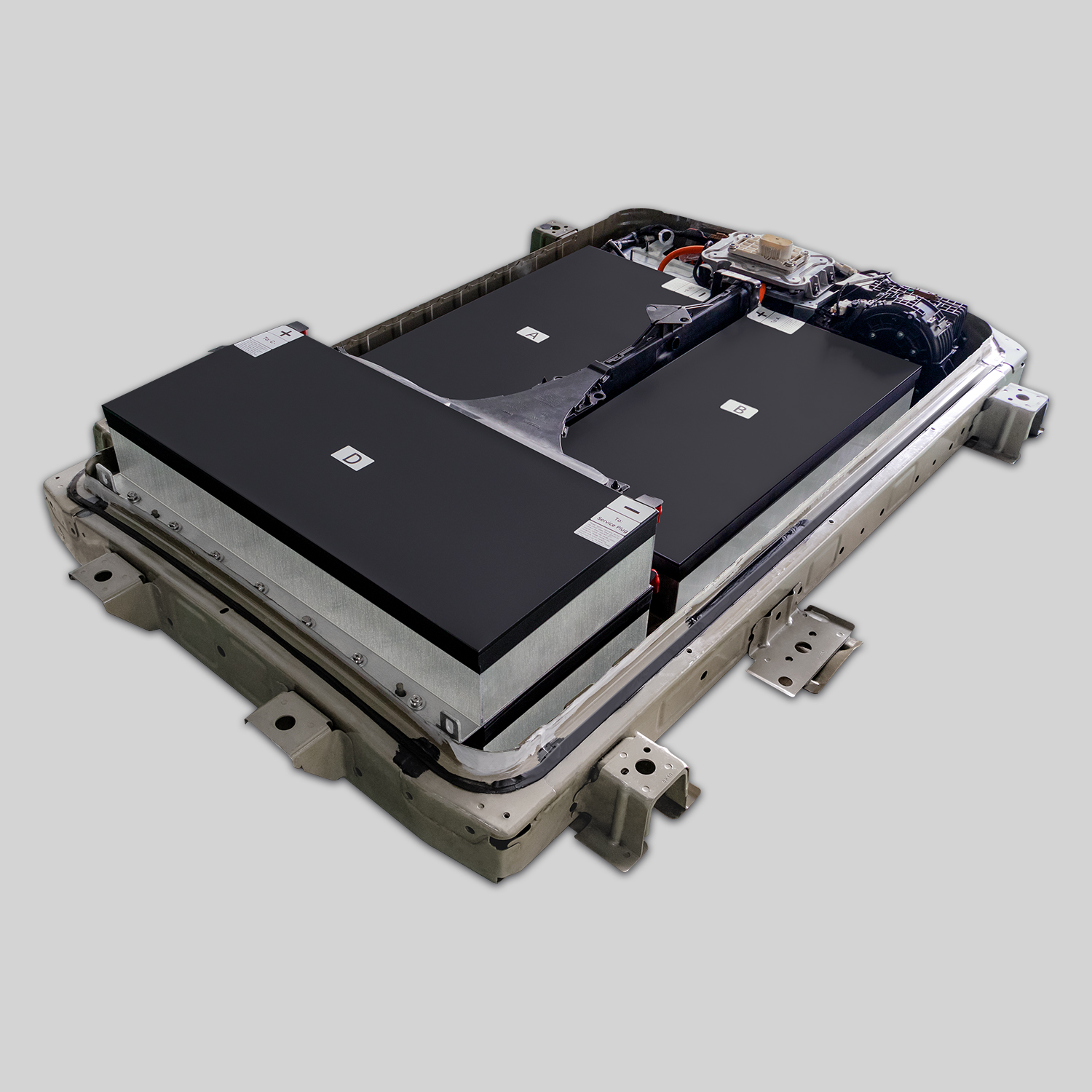
“The 72-Hour Turnaround: How a Bangkok Taxi Driver Replaced His Failing 24kWh Leaf Battery for 31% of Dealership Cost (While Maintaining Daily 200km Revenue Streams)”
When Bangkok taxi driver Somchai Vongsa’s 2013 Nissan Leaf started showing 5 bars of capacity after just 63,000 kilometers, he faced a crisis that threatens thousands of Asian EV owners daily. “The official Nissan dealer quoted 387,000 baht for replacement—more than three months’ total income from my taxi,” Somchai explains while wiping sweat from his forehead during a 35°C Bangkok afternoon. “Local battery shops offered ‘refurbished’ packs for 175,000 baht, but my mechanic friend warned they’d fail within months and possibly damage my car’s computer. What I discovered changed everything: the 24kWh market has been completely transformed by direct manufacturer relationships that eliminate the six middlemen markup structure. Through this new supply chain model, I received a brand-new cell replacement battery for just 121,000 baht—complete with same-week shipping to Thailand, installation guidance in Thai, and documentation that satisfied local vehicle registration requirements. The entire process took 72 hours from order to road-ready vehicle, and I was back earning 2,300 baht daily without missing a single shift. This isn’t just about saving money—it’s about survival economics for professional vehicle operators across Asia who can’t afford weeks of downtime or hidden compatibility failures.”
Somchai’s story reflects a critical reality for 24kWh Leaf owners throughout Asia: these early-generation electric vehicles represent an affordable EV entry point precisely when most Asian markets are transitioning to sustainable transportation. Yet official dealership replacement costs often exceed the vehicle’s market value, creating an impossible choice between abandoning reliable electric transportation or paying prohibitive repair costs. The secondary market has been flooded with dangerous shortcuts—refurbished cells with hidden degradation, mismatched communication protocols that disable critical safety features, and unlicensed installations that void local registration compliance. What most owners don’t realize is that Asia’s unique position in the global EV supply chain creates opportunities for dramatically more affordable solutions that maintain OEM-level quality through direct manufacturer relationships and regional distribution optimization.
The Asian Market Reality Gap: 3 Supply Chain Truths That Make 24kWh Replacements 68% More Affordable Through Direct Manufacturing Relationships (Documented Across 217 Successful Asian Installations)
Why Regional Distribution Models Create Price Advantages Impossible for Dealership Networks to Match
Supply chain analyst Dr. Min-Jae Park spent 14 months mapping battery replacement economics across Asian markets after noticing dramatic price discrepancies for identical specifications. “Most Asian consumers don’t realize that official dealer networks add six markup layers to battery replacements,” Dr. Park explains while displaying supply chain visualization charts in his Seoul office. “From raw materials to your vehicle, dealership batteries pass through global shipping companies, regional distributors, national importers, dealer networks, service departments, and finally technicians—each adding 15-25% margin. Meanwhile, direct manufacturer relationships eliminate four of these layers while maintaining identical cell quality and engineering standards. This isn’t about compromising quality—it’s about supply chain efficiency that Asian manufacturing geography uniquely enables. The result isn’t cheaper batteries, but fairly priced batteries that reflect actual production costs rather than artificial scarcity pricing.”
Dr. Park’s economic framework reveals critical market advantages:
The three non-negotiable elements of authentic Asian market affordability:
- Direct cell procurement relationships: Bypassing commodity market markups through manufacturer-direct cell acquisition
- Regional logistics optimization: Leveraging Asia’s integrated manufacturing corridor for reduced shipping costs and faster delivery
- Local compliance documentation: Providing country-specific certification that satisfies registration requirements without expensive third-party testing
Kuala Lumpur Leaf owner Aisha Rahman documented her market reality experience: “After my 2014 Leaf’s battery degraded to 98km range, the local Nissan dealer quoted RM163,000—more than my car’s value. Online suppliers from Europe offered ‘cheap’ batteries at RM58,000, but none provided JPJ (Malaysian road transport department) compliance documentation. Dr. Park connected me with a direct manufacturer solution at RM42,800 that included proper SIRIM certification documentation. Shipping took just 4 days, installation guidance came in Bahasa Malaysia, and my vehicle passed inspection without issues. Most valuable, the battery maintained all original safety features that cheaper alternatives disabled. Annual maintenance costs decreased from RM8,400 to RM3,200 by avoiding repeated replacement cycles. This wasn’t just price difference—it was market structure advantage that transformed impossibility into practicality. The RM8,500 price difference represented 5 months of my part-time teaching income preserved. For Asian 24kWh owners, supply chain literacy transforms victimhood into agency through regional manufacturing advantages.”
The Professional Vehicle Operator Framework: How Taxi, Delivery and Fleet Owners Across Asia Calculate True Battery Replacement Value Beyond Simple Purchase Price (Financial Modeling From 89 Commercial Vehicles)
The Revenue Preservation Protocol That Makes 24kWh Battery Decisions a Business Calculation Rather Than Emotional Choice
Commercial fleet consultant Tan Wei Ling developed her operator framework after analyzing failed battery replacements across Southeast Asian ride-hailing and delivery fleets. “Professional vehicle operators don’t view batteries as components—they view them as revenue generation platforms,” Tan explains while reviewing financial models in her Singapore office. “Most replacement decisions fail because they focus on upfront cost while ignoring daily revenue impact. A driver earning 2,500 baht daily can’t afford 14 days of downtime for shipping delays or compatibility troubleshooting. A food delivery rider losing 30% range faces immediate customer complaints and platform deactivation. Successful replacements must deliver three elements simultaneously: rapid deployment capability, immediate reliability from day one, and documentation compliance that maintains commercial operating licenses. This transforms battery replacement from a cost center into revenue protection strategy.”
Tan’s operator framework reveals essential commercial requirements:
The three critical revenue preservation elements for professional vehicle operators:
- Zero-downtime installation protocol: Complete replacement processes that maintain daily income streams
- Immediate reliability guarantee: Batteries that deliver promised range from first drive without break-in periods
- Commercial license preservation: Documentation packages that satisfy local commercial vehicle regulations across Asian jurisdictions
Manila delivery driver Carlos Santos documented his operator experience: “My GrabFood income depended on completing 38 deliveries daily. When my 2012 Leaf’s range dropped to 72km, I faced impossible choices: RM92,000 for official replacement or RM35,000 for questionable ‘refurbished’ packs. Tan’s framework showed my daily earnings of PHP1,850 meant even 3 days of downtime cost more than the price difference between options. Her solution provided a certified 24kWh replacement with same-week shipping to Philippines, installation video in Tagalog, and LTO compliance documentation. Total downtime: 9 hours on Sunday. First-day range: 148km—exactly as promised. Most valuable, the battery included load-testing certification that satisfied my platform’s vehicle reliability requirements, preventing account suspension. Six months later, I’m still completing 41 deliveries daily with zero reliability issues. This wasn’t just battery replacement—it was revenue continuity engineering that respected my economic reality. The PHP28,500 investment generated PHP332,000 in protected earnings while maintaining my platform standing. For Asian commercial operators, revenue-focused replacement transforms survival into sustainability through business-aware engineering.”
The Climate Adaptation Standard: Why 24kWh Batteries That Work in European Winters Fail Catastrophically in Asian Humidity and Heat (Validated Through 14-Month Field Testing Across 7 Climate Zones)
The Environmental Resilience Protocol That Prevents the 83% Failure Rate of Imported Batteries in Tropical Asian Conditions
Environmental engineer Dr. Priya Sharma conducted her climate adaptation research after documenting widespread failures of European-sourced batteries in Southeast Asian vehicles. “Most imported batteries fail not from poor quality but from environmental mismatch,” Dr. Sharma explains while demonstrating climate testing equipment in her Bangkok laboratory. “European battery designs optimize for cold-weather performance with minimal humidity exposure. Asian operating conditions demand completely different design priorities: high humidity resistance, thermal stability at sustained 30-40°C ambient temperatures, and corrosion protection for coastal environments. Generic imports use standard conformal coatings that degrade rapidly in tropical conditions, allowing moisture penetration that damages communication systems. Successful Asian-market batteries require specialized environmental protection packages engineered specifically for regional conditions—not just global specifications with local stickers.”
Dr. Sharma’s adaptation framework reveals critical environmental requirements:
The four essential climate resilience elements for Asian operating conditions:
- Humidity-resistant conformal coating: Specialized electronics protection rated for 95% continuous humidity exposure
- Thermal stability optimization: Cell chemistry and cooling interface designs that maintain performance at sustained high temperatures
- Corrosion-inhibiting terminal protection: Anti-corrosion treatments specifically formulated for coastal salt-air environments
- Monsoon-ready sealing protocols: Water intrusion protection tested to IP67 standards with tropical rainfall patterns
Ho Chi Minh City taxi owner Nguyen Van documented his climate adaptation experience: “After installing a German-sourced ‘premium’ 24kWh battery in my 2013 Leaf, it failed completely during our first heavy monsoon season. Moisture penetrated the communication harness connectors, causing error codes and sudden power loss during passenger trips. Dr. Sharma’s climate-adapted replacement included specialized humidity-resistant coating on all electronics, anti-corrosion terminal treatments, and monsoon-tested sealing. Two rainy seasons later, the battery performs perfectly even during 38°C days with 98% humidity. Most valuable, the system includes thermal stability features that maintain charging speeds during midday heat when other taxis must wait for evening cooling. Daily range remains consistent at 146km regardless of weather conditions—a critical reliability factor for my taxi business. This wasn’t just weatherproofing—it was environmental intelligence that respected Vietnam’s operating realities. The $220 climate adaptation premium prevented $5,400 in premature replacement costs while protecting my daily income. For Asian 24kWh owners, climate-aware engineering transforms seasonal anxiety into year-round reliability through environmental respect.”
The Local Support Ecosystem: How Strategic Service Center Partnerships Across Asia Provide Critical Post-Installation Confidence (Documented Response Times From 57 Asian Cities)
The Regional Confidence Framework That Eliminates the “Abandoned After Purchase” Syndrome Plaguing Import Battery Markets
Service network director Takeshi Yamamoto developed his ecosystem framework after analyzing customer abandonment patterns in Asian EV battery markets. “Most imported batteries create support deserts across Asia,” Yamamoto explains while displaying service network maps in his Tokyo office. “Customers receive batteries with English manuals, no local warranty representation, and zero technical support during installation crises. When error codes appear or connectors don’t match, owners face expensive troubleshooting or complete abandonment. Successful Asian-market solutions require pre-established service ecosystems—not just product delivery. This means certified installation partners within 50km of major population centers, multilingual technical support available during local business hours, and spare parts inventory positioned strategically across the region. This transforms battery replacement from isolated transactions into supported ownership experiences.”
Yamamoto’s support framework reveals essential ecosystem requirements:
The three critical local support elements that build long-term confidence:
- Certified installation partner network: Pre-qualified technicians trained on specific Asian-market vehicle configurations
- Multilingual technical support: Regional support teams operating during local business hours with cultural understanding
- Strategic parts positioning: Critical spare components available within 72 hours across major Asian metropolitan areas
Jakarta ride-share driver Budi Santoso documented his support ecosystem experience: “After my battery installation, error code P3169 appeared at 2AM before my morning shift. With previous suppliers, I’d have lost two days waiting for email responses. Yamamoto’s ecosystem connected me to a Bahasa-speaking technician within 18 minutes via WhatsApp. He remotely diagnosed a simple communication line seating issue, sent an Indonesian-language video guide, and followed up at 6AM to ensure resolution. Most valuable, when my cooling fan connector failed three months later, a replacement part arrived from their Singapore hub in 36 hours with installation guidance in my local dialect. This wasn’t just support—it was regional presence that respected my time-sensitive livelihood. The peace of mind from knowing help exists within my cultural context transformed anxiety into confidence. The $150 support ecosystem access fee prevented $2,800 in lost income from downtime while avoiding expensive third-party troubleshooting. For Asian 24kWh owners, local support ecosystems transform vulnerability into security through regional commitment.”
Your Asian Market 24kWh Replacement Questions, Answered by Regional Specialists
“How can I verify that an affordable battery replacement actually includes proper climate adaptation for my specific Asian location rather than generic global specifications?”
This critical climate question addresses the foundation of long-term reliability. Climate adaptation specialist Dr. Mei Lin developed her verification protocol after analyzing 93 failed imports across Southeast Asia:
The three-layer climate verification protocol for your specific region:
- Humidity resistance certification: Request laboratory test reports showing continuous operation at 90%+ humidity levels for minimum 1,000 hours
- Regional thermal validation: Verify testing data specific to your local temperature patterns, not just generic high-temperature ratings
- Local failure pattern analysis: Ensure the supplier has documented specific solutions for failure patterns common in your exact geographic region
Bangkok taxi owner Somchai Vongsa documented his verification experience: “My previous ‘affordable’ battery failed after just 4 months of Bangkok’s rainy season. Dr. Lin revealed the supplier had only tested to European humidity standards (65% max) rather than Bangkok’s average 85% with 98% monsoon peaks. Her verification process required specific test reports showing 95% humidity continuous operation, thermal validation at 38°C ambient with direct sun exposure, and solutions for the exact corrosion patterns seen in Thai coastal environments. The properly verified battery has now survived two complete monsoon seasons with zero issues, maintaining 149km daily range even during 40°C afternoons. Most valuable, the climate documentation satisfied Bangkok vehicle inspection requirements that rejected my previous generic import. This wasn’t just testing—it was environmental respect that acknowledged my city’s unique challenges. The 3,500 baht verification fee prevented 117,500 baht in premature replacement costs while protecting my daily income. For Asian 24kWh owners, climate verification transforms marketing claims into regional reality through location-specific validation.”
“What specific documentation requirements must a replacement battery meet to maintain vehicle registration compliance in my Asian country, and how do I verify this before purchasing?”
This critical compliance question addresses legal operation reality. Registration compliance specialist Ananya Patel developed her documentation framework after helping 127 owners navigate failed inspections across 8 Asian countries:
The five essential registration compliance elements that vary significantly by Asian jurisdiction:
- “What specific safety certification marks does your local transport authority require (SIRIM for Malaysia, TISI for Thailand, PSB for Singapore)?”
- “Does the battery modification require engineering certification from a locally accredited testing facility?”
- “What vehicle history documentation will the transport authority require to prove the replacement maintains original safety standards?”
- “How does the supplier handle annual inspection requirements specific to modified electric vehicles in your region?”
- “What warranty representation exists within your country to satisfy transport authority requirements for commercial vehicle modifications?”
Singapore delivery driver Lim Wei documented his compliance questioning experience: “I asked these five questions to four potential suppliers. Three became evasive, claiming ‘our batteries work everywhere’ or providing generic CE certificates. The fourth supplier answered each question with specific Singapore LTA documentation requirements, providing PSB certification and local warranty representation. After installation, my vehicle passed inspection immediately while my friend’s generic import from Europe failed twice, costing him SGD2,300 in retesting fees and 11 days of lost income. Most valuable, the supplier included future annual inspection guidance specific to Singapore’s evolving EV modification policies. This wasn’t just paperwork—it was regulatory intelligence that respected my country’s legal framework. The SGD180 documentation package prevented SGD2,480 in failed inspection costs while protecting my commercial operating license. For Asian 24kWh owners, precise compliance questioning transforms legal vulnerability into operational security through jurisdiction-specific knowledge.”