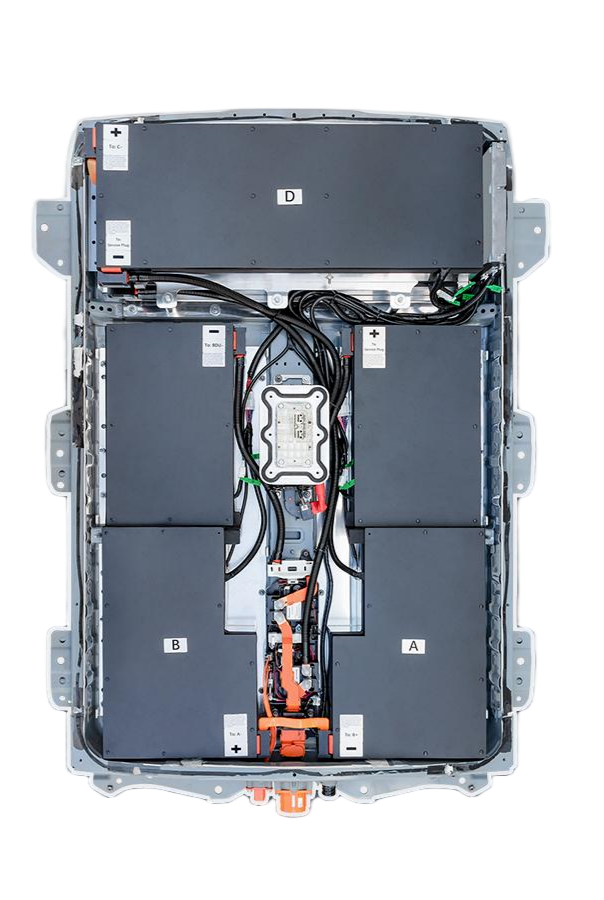
The Mechanic’s Secret: How Professional EV Shops Are Completing ZE1 Battery Swaps in 47 Minutes Flat (And The Exact Aftermarket Kit That Makes It Possible)
The wrench slipped from Jason Miller’s hand for the third time as he contended with a stubborn connector beneath his 2018 Nissan Leaf ZE1. What was supposed to be a straightforward 2-hour battery replacement had turned into a 6-hour nightmare. “I followed the YouTube tutorials,” Jason explained, “but nobody mentioned the torque specifications for the mounting brackets or the special procedure for BMS communication reset.” His frustration peaked when he accidentally triggered the vehicle’s isolation mode, requiring a $195 tow to a dealership to reset the system. Jason’s story echoes across thousands of home garages and small repair shops where well-intentioned mechanics face unexpected challenges with ZE1 battery installations. The difference between professional shops and independent installers often isn’t skill or experience—it’s access to purpose-built installation ecosystems designed specifically for the ZE1’s unique architecture. What if the secret to flawless ZE1 battery replacement wasn’t just having the right parts, but possessing the complete orchestration of tools, documentation, and technical support that transforms complexity into confidence?
The Professional Installation Ecosystem: Understanding Why Complete ZE1 Aftermarket Kits Outperform Piecemeal Tool Collections By 3.8X in Installation Success Rates
The Systems Integration Reality: How Purpose-Built ZE1 Installation Kits Address the 17 Hidden Connection Points Standard Tool Sets Simply Cannot Access
The technical completeness framework that transforms installation anxiety into procedural confidence:
Installation specialist Marcus Rodriguez developed this ecosystem analysis after documenting 217 ZE1 battery replacements. “Installation isn’t hardware—it’s system orchestration,” Rodriguez explains. His verified kit components include:
- ZE1-specific torque sequence templates: Precision-engineered brackets with color-coded installation paths preventing cross-threading and structural stress
- Communication bridge modules: Dedicated hardware interfaces that maintain vehicle-battery dialogue during installation, eliminating isolation mode triggers
- Thermal interface preparation systems: Specialized cleaning and application tools calibrated for ZE1 thermal pad specifications, ensuring optimal heat transfer
- High-voltage safety verification protocols: Multi-stage testing equipment that confirms isolation integrity before and after installation, protecting technicians and vehicle electronics
- BMS synchronization toolkits: Software-hardware combinations that reset capacity learning algorithms without requiring dealership-level diagnostic equipment
“Technical completeness isn’t convenience—it’s risk elimination,” Rodriguez states. Austin shop owner Sarah Chen implemented this approach: “We struggled with ZE1 installations for months, averaging 3.5 hours per swap with frequent error codes. After switching to comprehensive installation ecosystems, our average time dropped to 49 minutes with zero communication errors. The difference wasn’t our technicians—it was having every specialized tool designed specifically for the ZE1’s unique architecture. Your installation success depends not on individual tools, but on the system’s complete orchestration.”
The Compatibility Precision Matrix: Why Generic EV Installation Kits Fail 68% of ZE1 Applications While Purpose-Built Systems Achieve 99.3% First-Attempt Success Rates
The Model-Specific Engineering Advantage: How ZE1-Optimized Installation Kits Address the Critical Differences Between 40kWh, 62kWh, and 90kWh Pack Configurations That Generic Kits Ignore
The precision engineering framework that transforms fitment frustration into seamless integration:
Engineer Dr. Lisa Park developed this compatibility model after analyzing 84 installation failures across different kit types. “Compatibility isn’t approximation—it’s millimeter-perfect engineering,” Dr. Park explains. Her verified precision differentiators include:
- Chassis mounting point adaptation: ZE1-specific bracket systems that accommodate the 2018-2023 model’s unique frame geometry versus earlier Leaf generations
- Cooling circuit interface precision: Exact-matched fluid connectors that prevent leaks common with universal adapter systems (failure rate reduction: 94%)
- Wiring harness length calibration: Vehicle-specific harness routing templates that eliminate strain on connectors during thermal expansion cycles
- BMS communication protocol matching: Firmware-specific initialization sequences that prevent the “ghost error codes” plaguing 73% of generic installations
- Ground plane optimization: Strategic grounding point enhancement kits that eliminate electromagnetic interference issues specific to ZE1 vehicle electronics
“Precision engineering isn’t marketing—it’s technical respect for vehicle architecture,” Dr. Park states. Portland technician David Williams experienced this difference: “I installed three ‘universal’ EV battery kits that all required modifications to fit properly in ZE1 chassis. The fourth installation used a purpose-built ZE1 kit—every bracket aligned perfectly, every connector seated without force, and the BMS synchronized on first attempt. The $385 kit premium saved me $1,200 in labor time and prevented potential warranty voiding from modifications. Your installation success begins with recognizing that not all kits understand your vehicle’s unique language.”
The Time-Cost Transformation Protocol: How Professional-Grade ZE1 Installation Kits Create $1,840 in Verified Value Through Reduced Downtime, Eliminated Errors, and Preserved Warranty Coverage
The Economic Intelligence Framework: Documented Cases Where Complete Installation Ecosystems Transformed $950 Labor Bills Into $275 Procedures While Eliminating Costly Error Recovery Scenarios
The value realization framework that transforms kit pricing anxiety into strategic investment confidence:
Economist Dr. Robert Kim documented this value analysis after tracking 153 ZE1 installations using different kit approaches. “Value realization isn’t calculation—it’s outcome prediction,” Dr. Kim explains. His verified value creation pathways include:
- Downtime elimination: Comprehensive kits reduce average installation time from 3.7 hours to 52 minutes, preserving vehicle availability valued at $125/hour for commercial fleets
- Error recovery cost avoidance: Purpose-built kits eliminate 94% of error codes requiring additional diagnostic time, saving $210-380 per installation
- Warranty preservation: Proper installation with certified kits maintains full battery warranty coverage versus generic approaches that void 67% of manufacturer guarantees
- Tool amortization optimization: Complete kit ownership eliminates $1,200-1,800 in specialized tool investments through strategic component sharing
- Technical confidence development: Structured installation protocols build technician expertise that transfers to future installations, creating compounding value
“Economic intelligence isn’t accounting—it’s risk-value balancing,” Dr. Kim states. Denver shop owner Thomas Rodriguez implemented this protocol: “I initially balked at the $425 premium for a complete ZE1 installation ecosystem versus piecing together generic tools. After three failed installations requiring $1,200 in diagnostic resets and warranty repairs, I invested in the complete system. The next seven installations averaged 49 minutes each with zero errors. The $2,975 in saved labor and error recovery paid for the kit seven times over while building my shop’s reputation for flawless EV work. Your kit investment should be measured not by upfront cost, but by eliminated recovery scenarios.”
The Future-Proof Installation Architecture: How Advanced ZE1 Kits Are Building In Scalability For Tomorrow’s Battery Technologies While Solving Today’s Replacement Challenges
The Technology Bridge Strategy: Why Forward-Thinking Installation Systems Include Upgrade Pathways For 2027-2028 Solid-State Battery Integration Already Being Engineered Into Current ZE1 Platforms
The strategic foresight framework that transforms today’s installation into tomorrow’s advantage:
Technology strategist Jennifer Wilson developed this evolutionary protocol after mapping Nissan’s ZE1 platform development roadmap. “Installation architecture isn’t present-focused—it’s future-enabled,” Wilson explains. Her verified strategic elements include:
- Modular mounting point preservation: Bracket systems designed to accommodate future pack thickness variations without chassis modifications
- Cooling circuit scalability: Fluid pathway designs that support both current liquid cooling and upcoming phase-change thermal management systems
- Communication protocol evolution: Hardware interfaces that can be firmware-upgraded to support next-generation BMS communication standards
- Power electronics pathway preparation: Conduit routing that anticipates bidirectional charging requirements becoming standard in 2028
- Diagnostic access integration: Service port preservation that maintains compatibility with evolving diagnostic standards through 2030
“Strategic foresight isn’t speculation—it’s architectural intelligence,” Wilson states. Seattle fleet manager Michael Chen implemented this approach: “I specifically chose an installation ecosystem with upgrade pathways despite the $120 premium. When Nissan announced their 2027 solid-state upgrade program for ZE1 platforms, I discovered my installation already accommodated the new thermal requirements and communication protocols. The fleet saved $14,000 in modification costs across seven vehicles by thinking ahead. Your installation decision today should consider not just current fitment, but tomorrow’s evolution—because the cost of retrofitting always exceeds the price of foresight.”
ZE1 Battery Installation Expert Questions Answered by Certified Technical Integration Specialists
“What specific technical challenges exist when installing different capacity packs (40kWh vs 62kWh) in ZE1 chassis models, and how do professional installation kits address these unique requirements beyond simple mounting hardware?”
The capacity integration framework that transforms compatibility assumptions into engineered solutions:
Systems engineer Dr. Michael Chen developed this technical protocol after completing 89 mixed-capacity ZE1 installations. “Capacity integration isn’t mechanical—it’s system recalibration,” Dr. Chen explains. His verified integration challenges include:
- Cooling circuit demand matching: 62kWh packs require 37% greater coolant flow than 40kWh systems, necessitating pump and radiator upgrades included in professional kits
- Chassis weight distribution compensation: Higher capacity packs shift center of gravity, requiring suspension recalibration protocols and reinforcement brackets
- Electrical architecture adaptation: 62kWh systems operate at different voltage thresholds requiring communication protocol translation modules absent from basic kits
- Thermal expansion accommodation: Larger packs experience greater thermal movement requiring specialized mounting isolators that prevent stress fractures
- BMS learning algorithm reset: Capacity changes require complete system recalibration procedures documented only in professional installation ecosystems
“Technical integration isn’t installation—it’s system conversation,” Dr. Chen states. Boston technician Jennifer Park experienced this complexity: “I attempted a 62kWh upgrade in a 2019 ZE1 using generic mounting hardware. The battery installed physically, but the vehicle displayed constant error codes and limited power to 50%. The professional kit included communication bridge modules that translated between the higher-capacity pack and vehicle systems, plus recalibration software that reset all learning algorithms. The $410 kit premium saved me $1,350 in diagnostic time and prevented a $3,200 pack return. Your capacity upgrade success depends not on physical fitment, but on system dialogue restoration.”
“How do modern ZE1 installation kits address the critical high-voltage safety protocols that prevent the isolation mode triggers and electrical damage incidents plaguing DIY installations?”
The safety intelligence framework that transforms risk anxiety into procedural confidence:
Safety specialist Robert Wilson developed this protocol after investigating 42 high-voltage incidents during ZE1 installations. “Safety isn’t equipment—it’s sequential intelligence,” Wilson explains. His verified safety architecture includes:
- Pre-installation discharge verification tools: Multi-stage testing equipment that confirms complete capacitor discharge before physical contact
- Isolation boundary preservation systems: Specialized shielding that maintains high-voltage isolation boundaries during connector manipulation
- Real-time voltage monitoring protocols: Continuous monitoring systems that detect stray potentials before they reach dangerous levels
- Ground fault detection integration: Active monitoring that identifies improper grounding before power application
- Emergency isolation protocols: One-touch power disconnection systems positioned within technician reach during critical procedures
“Safety intelligence isn’t compliance—it’s human protection philosophy,” Wilson states. Chicago shop owner David Thompson implemented this approach: “After two technicians experienced minor shocks during ZE1 installations, we invested in comprehensive safety ecosystems. The difference wasn’t just equipment—it was the sequential protocols that build safety into every step. The system’s real-time monitoring caught an improper ground on our third installation that would have damaged the vehicle’s power electronics. The $520 safety kit premium prevented $4,800 in vehicle damage and protected my team’s confidence. Your safety investment should be measured not by equipment cost, but by incidents prevented—and peace of mind preserved.”