How to Mitigate BMW i3 Battery Thermal Runaway Risks (Shop) – The Critical Guide to Preventing Catastrophe
A 2015 BMW i3 is towed into your shop. The driver reports a strange burning smell, followed by a sudden “High Voltage System Malfunction” warning and rapid temperature spikes on the dashboard. The customer is terrified: “Is my car going to catch fire? The dealer said the battery is ‘unstable.’ What can you do to stop it from exploding?”
As a professional EV technician in 2026, you know that thermal runaway is the single most critical safety event in electric vehicle repair. It is not a simple malfunction; it is a self-sustaining chemical chain reaction where a battery cell overheats, ignites, and triggers neighboring cells to do the same, potentially reaching temperatures of 1,000°C (1,832°F) in seconds.
In the aging BMW i3 fleet, the risk of thermal runaway is no longer theoretical. It is a tangible threat caused by decade-old chemistry, internal coolant leaks, and physical cell degradation. Attempting to “fix” an unstable pack with software resets or minor repairs is not just futile; it is negligent. The only true mitigation strategy is early detection, immediate quarantine, and complete system replacement.
What are the specific early warning signs of impending thermal runaway in an i3?
Why do old i3 batteries become prone to spontaneous heating?
And how do you pivot from a terrifying safety crisis to a high-margin, life-saving battery upgrade that eliminates the risk forever?
At CNS BATTERY, safety is our absolute core value. We have managed countless thermal events and know that prevention is the only acceptable strategy. This guide provides the professional shop protocol for identifying and mitigating thermal runaway risks in the BMW i3, explains the science behind the danger, and reveals why replacing the entire system is the only ethical solution.
The Science of the Spark: Why i3 Packs Are at Risk
To mitigate the risk, you must understand the enemy. Thermal runaway occurs when a cell’s internal heat generation exceeds its ability to dissipate heat. In the 2026 i3 landscape, three primary factors drive this risk:
1. Internal Coolant Intrusion (The Silent Trigger)
The #1 cause of thermal events in aging i3s is internal coolant leakage.
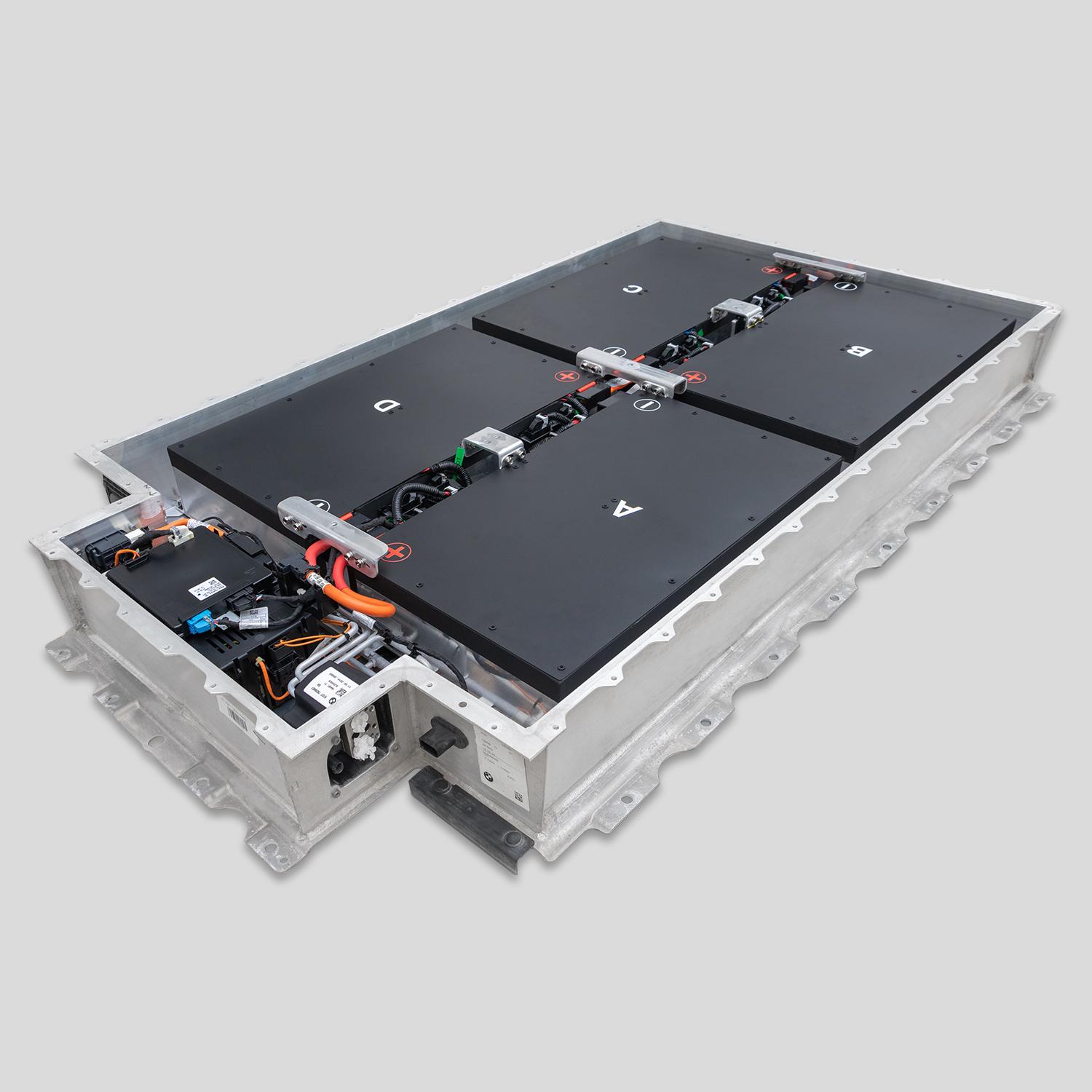
- The Mechanism: Corroded cooling plates inside the sealed pack leak conductive glycol onto the live busbars and cell terminals.
- The Result: This creates micro-short circuits. Electricity flows where it shouldn’t, generating intense localized heat. This heat boils the remaining coolant, creates steam pressure, and eventually ignites the electrolyte.
- The Danger: This can happen while the car is parked, charging, or driving. There is often no warning until smoke appears.
2. Separator Degradation & Internal Shorts
After 10+ years, the microscopic polymer separators inside lithium-ion cells become brittle and shrink.
- The Mechanism: A compromised separator allows the anode and cathode to touch internally.
- The Result: An internal short circuit generates massive heat instantly. Unlike an external fuse that might blow, an internal short is contained within the cell, causing it to vent and ignite.
3. High Internal Resistance (IR) & Heat Buildup
Degraded cells develop high internal resistance.
- The Mechanism: Under load (acceleration) or during fast charging, high-resistance cells generate excessive heat (I²R losses).
- The Result: If the cooling system cannot remove this heat fast enough (common in old packs with clogged channels), the temperature spirals out of control, triggering neighboring cells.
Professional Mitigation Protocol: Detection & Action
You cannot “repair” a pack on the verge of thermal runaway. Your goal is detection, isolation, and replacement.
Step 1: Recognize the Early Warning Signs
Train your technicians to spot these critical red flags immediately:
- Unexplained Temperature Spikes: Live data shows one module reading 10-20°C higher than neighbors while the car is idle or under light load.
- Sweet Chemical Smell: The distinct odor of ethylene glycol (coolant) inside the cabin or near the rear battery vents indicates an internal leak. This is a Code Red.
- Rapid Voltage Drops: A module voltage crashing under mild load suggests an internal short is developing.
- Swelling/Bowing: Visual inspection reveals the aluminum casing is bowed or bulging due to gas generation inside the cells.
Step 2: Immediate Quarantine (The Fire Wall)
If thermal runaway is suspected:
- Do Not Charge: Charging adds energy to an unstable system. Never plug in a suspect i3.
- Move Outdoors: Immediately move the vehicle to an open, non-combustible area away from buildings and other cars.
- Isolate: Disconnect the 12V battery to prevent the BMS from engaging contactors, but do not remove the High Voltage Service Plug (MSD) if the pack is already hot or smoking, as breaking the seal could introduce oxygen and accelerate combustion.
- Monitor: Use a thermal imaging camera to monitor hotspot temperatures continuously.
Step 3: The Definitive Diagnostic (If Safe)
Only if the pack is cool and stable:
- Insulation Test: Perform a Megger test. A reading <100 kΩ confirms internal contamination.
- Visual Inspection: Check the vent valve for crusty residue or wetness.
- The Verdict: If any sign of internal leak, swelling, or instability is found, the pack is condemned. Do not attempt to drain, open, or repair it.
Step 4: Safe Disposal & Replacement
- Hazmat Protocol: Treat the pack as imminent hazardous waste. Place it in a dedicated fire-resistant containment bin if available.
- Replacement: The only way to eliminate the risk is to remove the compromised pack and install a certified, safe replacement.
The Hard Truth: Why “Mitigation” Repairs Are Impossible
Customers often ask: “Can’t you just fix the leak? Or replace the hot module?”
You must explain the harsh reality:
- Chain Reaction: Once one cell is compromised, the heat spreads to neighbors in milliseconds. You cannot isolate a single cell inside a sealed, glued pack.
- Toxic Fumes: Opening a thermally unstable pack releases hydrofluoric acid gas, which is lethal to breathe.
- Liability: If you attempt to repair a pack and it catches fire in your bay (or the customer’s garage), your shop faces unlimited liability, criminal negligence charges, and total loss of insurance coverage.
- No Second Chances: Thermal runaway is binary. It either doesn’t happen, or it destroys everything. There is no “partial” thermal event.
The Only Solution: The battery pack must be replaced entirely with a new, stable system.
The CNS BATTERY Solution: Eliminate the Risk Forever
When you explain that their current battery is a ticking time bomb, the customer will fear the dealer’s $20,000+ quote. This is your opportunity to offer the CNS BATTERY High-Capacity Upgrade—the only solution that guarantees zero thermal runaway risk.
Why Upgrading Is the Ultimate Safety Fix
- Brand-New Chemistry: Our 120 Ah to 180 Ah upgrades use fresh Grade-A cells with robust, modern separators designed to withstand high stress. No decade-old degradation.
- Advanced Thermal Management: Our packs feature updated internal cooling designs that are resistant to the corrosion issues plaguing original i3 packs. No internal leaks, no micro-shorts.
- Perfect Stability: Low internal resistance means minimal heat generation even under heavy load. The BMS maintains perfect thermal balance.
- Factory-Sealed Safety: Every unit is leak-tested and certified. No risk of internal coolant intrusion.
- Double the Range: While eliminating the fire risk, you upgrade the customer from a dangerous, failing pack to a system offering 130–200+ miles of range.
- Cost Efficiency:
- Risk of Doing Nothing: Total vehicle loss, property damage, potential injury.
- Dealership Replacement: $20,000+.
- CNS BATTERY Upgrade: $8,000 – $14,000 USD. You get a brand-new, perfectly safe battery with double the range for half the dealer price.
- Warranty Confidence: Backed by our 3–5 Year Warranty, ensuring peace of mind for years to come.
Real Story: From “Smell of Fear” to “Safe Driving”
“Sunshine EV Repair” in Florida had a 2015 i3 come in with a faint sweet smell. The owner ignored it for weeks until the dashboard showed a 15°C temperature spike in Module #5. The previous shop suggested “monitoring it.”
“We recognized the signs of internal coolant leakage immediately,” says the lead tech. “We told the customer their car was at high risk of thermal runaway and refused to let them drive it home. We quarantined the vehicle and installed a CNS BATTERY 150 Ah upgrade the next day. The new pack ran cool and stable. The customer paid $11,500, got 170 miles of range, and later told us: ‘You didn’t just fix my car; you probably saved my house from burning down.’ That is the value of true safety.”
Stop Gambling, Start Protecting
Mitigating BMW i3 battery thermal runaway risks is not about repairs; it is about recognition and replacement. Do not gamble with physics. Do not attempt to patch a chemically unstable system.
Be the shop that prioritizes life and safety above all else. Be the expert who identifies the risk early and offers the only permanent solution.
Suspect a thermal risk?
Don’t wait for smoke. Contact CNS BATTERY today for a professional assessment. Discover how our BMW i3 Series Battery upgrades can eliminate thermal runaway risks permanently, providing your customers with a safe, cool, and high-range driving experience.
👉 Get Your Thermal Safety Assessment & Quote
Frequently Asked Questions (FAQ) for Shops
1. What are the first signs of thermal runaway in a BMW i3?
The earliest signs are a sweet chemical smell (coolant leak), unexplained temperature spikes in specific modules on live data, and rapid voltage drops under load. If you see these, treat the vehicle as an immediate fire hazard.
2. Can I fix a battery that is overheating?
No. Overheating in an old i3 is usually caused by internal shorts or coolant leaks. These are internal, irreversible failures. Attempting to repair them is extremely dangerous and ineffective. The pack must be replaced.
3. Is it safe to charge an i3 with a history of overheating?
Absolutely NOT. Charging adds energy to an unstable system and is the most common trigger for thermal runaway. The vehicle must be unplugged, moved outdoors, and quarantined immediately.
4. Why do old i3 batteries catch fire?
The primary causes are internal coolant leaks creating short circuits, degraded cell separators causing internal shorts, and high internal resistance generating excessive heat that the aging cooling system cannot manage.
5. Does CNS BATTERY offer safer batteries?
Yes. Our upgrades use brand-new, modern Grade-A cells with advanced separators and corrosion-resistant cooling systems. They are designed to operate at low temperatures with zero risk of the internal leaks that plague original i3 packs.
6. What should I do if a battery starts smoking in my shop?
Activate your emergency protocol: Evacuate the area, call the fire department immediately, and if safe to do so, use large amounts of water to cool the pack (EV fires require massive cooling). Do not attempt to move a smoking vehicle unless it can be done instantly and safely.
7. How much does it cost to replace a risky battery vs. the potential loss?
A CNS BATTERY upgrade costs $8,000–$14,000. The cost of a thermal runaway event includes total vehicle loss ($20k+), shop damage ($50k+), and potential injury lawsuits (millions). The upgrade is a small investment for absolute safety.