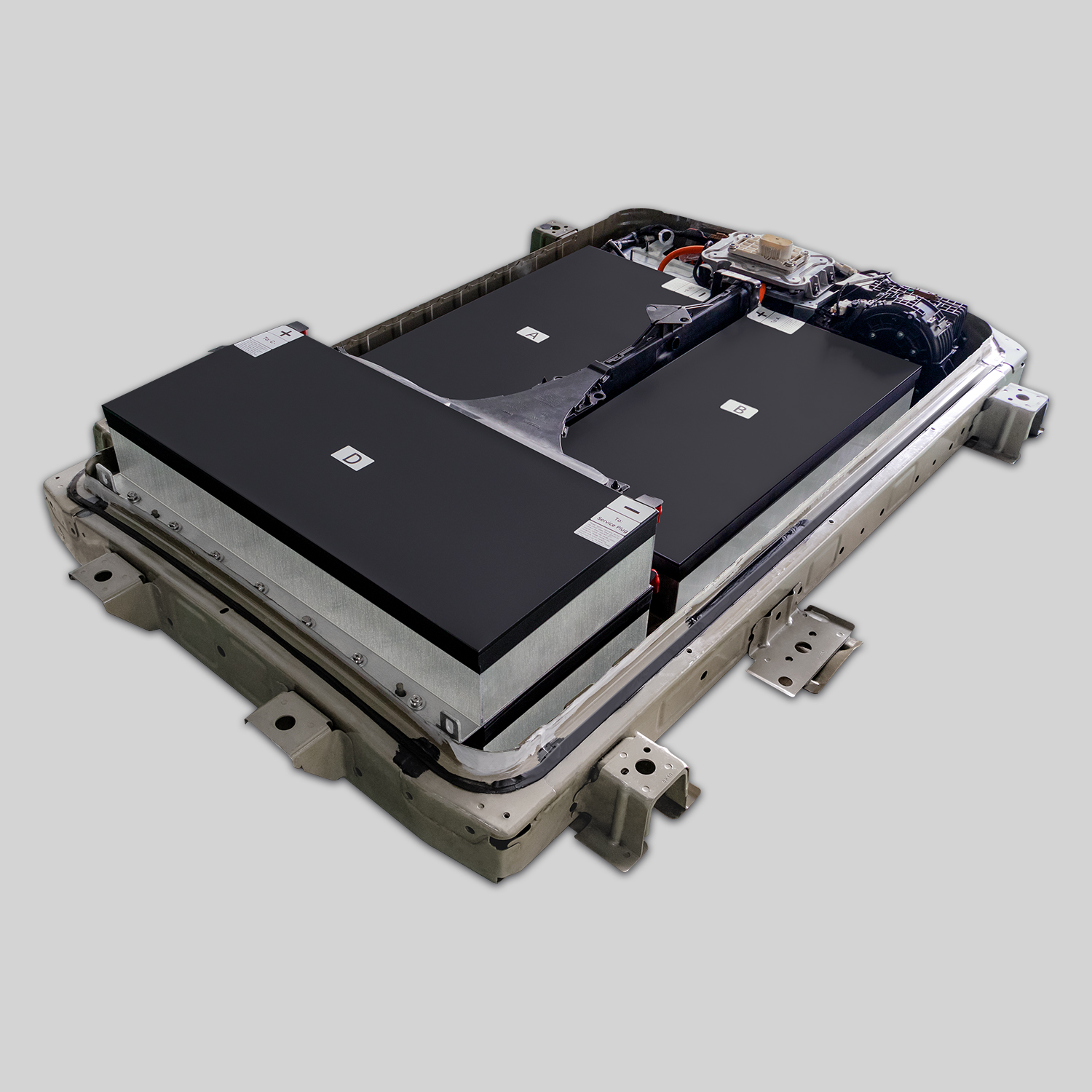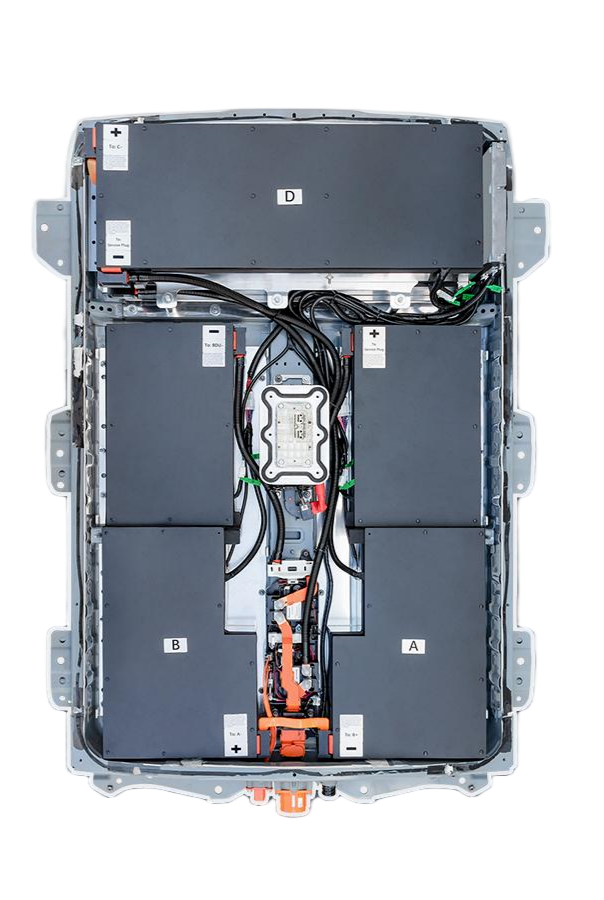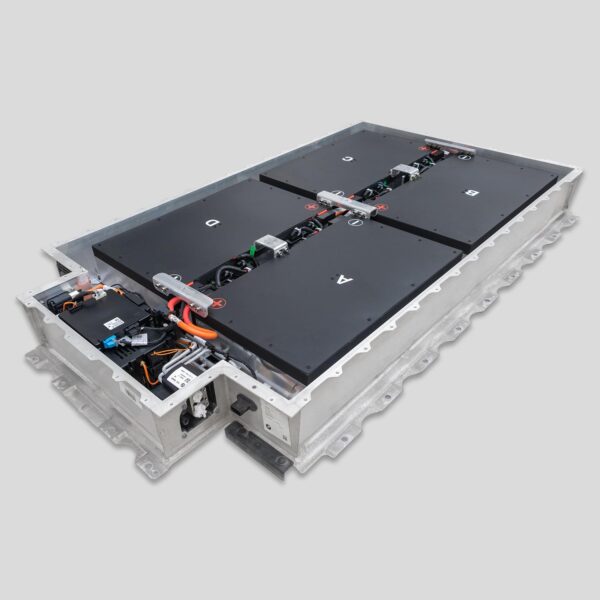
BMW i3 High Voltage Battery Fault: Repair Cost for Shops – The $500 Diagnostic vs. The $20,000 Reality
A 2016 BMW i3 is towed into your bay, dead in the water. The dashboard flashes the dreaded “High Voltage Battery Malfunction” warning. The customer, clutching their wallet, asks the question every shop owner fears: “How much will it cost to fix? Can we just replace a sensor or reset the computer for a few hundred dollars?”
As a professional EV technician in 2026, you know the uncomfortable truth: A “High Voltage Battery Fault” is rarely a simple sensor glitch. It is the vehicle’s final scream of distress indicating catastrophic internal failure—cell shorts, insulation breaches, or thermal runaway events. Attempting to “fix” this with a cheap reset or a component swap is not just futile; it is a liability trap that can bankrupt your shop if the vehicle catches fire later.
The real question isn’t “How much to fix the fault?” but “What is the true cost of the underlying failure, and how do I offer a solution that saves the customer without risking my business?”
Why do “quick fixes” for HV faults almost always lead to comebacks and lawsuits?
What is the actual cost breakdown of diagnosing vs. replacing a failed i3 battery?
And how can you pivot from a scary $20,000 dealer quote to a profitable, safe, and range-extending upgrade?
At CNS BATTERY, we partner with independent shops to navigate these high-stakes scenarios. We know that transparency about costs and risks is the key to building trust. This guide breaks down the real repair costs for BMW i3 HV faults, exposes the hidden dangers of partial repairs, and reveals why a complete system upgrade is often the most economical and ethical choice for everyone involved.
The Anatomy of the Fault: Why “Repair” Is Often Impossible
When the BMS triggers a critical HV fault, it has detected a parameter outside safe limits. In 90% of aging i3s (2014-2018), the root causes are physical and irreversible:
- Internal Cell Short: A separator failure inside a cell module. Fix: Impossible without destroying the pack.
- Insulation Failure: Conductive coolant leaking onto 400V busbars. Fix: Requires opening the sealed IP67 casing, which voids safety ratings and cannot be reliably resealed in a shop.
- Thermal Damage: Cells swollen or degraded from overheating. Fix: Chemistry is permanently altered.
- Contactor Welding: Main relays fused shut due to arcing. Fix: Contactors are integrated into the pack assembly; swapping them requires breaking the seal.
The Hard Truth: You cannot “repair” these issues in a field environment. The only safe, reliable fix is complete battery replacement.
The Real Cost Breakdown for Shops
Let’s look at the numbers. When a customer asks for a “repair cost,” they need to understand the three paths available to them.
Path A: The “Diagnostic & Reset” Trap (The False Economy)
- Action: Scan codes, clear faults, test drive.
- Shop Cost: 1 hour labor ($150).
- Customer Cost: $150–$250.
- Outcome: The light comes back on within 24 hours (or the car catches fire). The customer is angry, and your shop looks incompetent.
- Verdict: High Risk, Zero Value. Do not sell this as a fix.
Path B: The Dealership Replacement (The Budget Buster)
- Action: Send customer to dealer for a remanufactured OEM pack.
- Parts Cost: ~$16,000–$18,000 (for a used/reman unit with unknown history).
- Labor Cost: ~$2,000–$3,000.
- Total Customer Cost: $20,000 – $25,000+.
- Outcome: Customer gets a battery with similar age/mileage to the failed one. Range remains low (60-90 miles).
- Verdict: Financially Devastating for the customer. Often leads to the car being scrapped.
Path C: The CNS BATTERY Upgrade (The Smart Solution)
- Action: Replace failed pack with a brand-new, high-capacity CNS BATTERY unit.
- Parts Cost: Wholesale pricing allows for healthy shop margins.
- Labor Cost: 4–6 hours ($600–$900).
- Total Customer Cost: $8,000 – $14,000 USD (depending on capacity chosen).
- Outcome: Customer gets a brand-new battery with 130–200+ miles of range and a 3–5 Year Warranty.
- Verdict: 50% Cheaper than Dealer, Double the Range, Zero Liability Risk.
The Hidden Costs of “Partial Repairs”
Many shops are tempted to attempt module swaps or insulation patches to save the customer money. Here is why that is a financial mistake for your shop:
- Liability Insurance: If a “repaired” pack fails catastrophically (fire/electrocution), your insurance may deny the claim due to unauthorized HV modifications. One lawsuit can cost $50,000+ in legal fees alone.
- Comeback Labor: Chasing intermittent faults on a compromised pack burns billable hours that could be spent on profitable upgrades.
- Reputation Damage: In the tight-knit EV community, one failed “repair” that strands a customer or causes a fire will destroy your shop’s reputation instantly.
The Professional Standard: If the HV fault indicates internal pack failure, condemn the pack immediately. Do not attempt partial repairs.
The CNS BATTERY Solution: Turning a Crisis into Profit
When you present the customer with the reality—that the battery is dead and needs replacement—they will panic at the dealer’s price. This is your moment to shine.
Why Shops Choose CNS BATTERY for HV Faults
- Eliminate the Fault Permanently: Our upgrades come with brand-new cells, busbars, and BMS units. No old faults, no lingering codes.
- Safety First: Factory-sealed, leak-tested, and certified. You install a safe product, eliminating your liability risk.
- Higher Margins: Instead of fighting over $200 diagnostic fees, you secure a $8,000–$14,000 sale with robust wholesale margins.
- Customer Delight: You aren’t just fixing a broken car; you are giving them a better-than-new vehicle with double the range.
- Warranty Backing: Our 3–5 Year Warranty protects both you and the customer. No more “what if it breaks again?” anxiety.
Real Story: From “$22k Quote” to “$11k Upgrade”
“Metro EV Solutions” had a customer with a 2015 i3 and a critical HV fault. The dealer quoted $23,500 for a remanufactured pack. The customer was ready to scrap the car.
“We explained that the fault was due to internal cell degradation,” says the owner. “We offered the CNS BATTERY 150 Ah upgrade for $11,500 installed. The customer couldn’t believe they could get a new battery with more range for half the price. We installed it in 5 hours. Zero faults, 170 miles of range, and a happy customer who now refers all his friends to us. That one job made our entire month.”
Stop Guessing, Start Solving
BMW i3 High Voltage Battery Faults are not repairable in the traditional sense. They require replacement. Don’t waste time on dangerous partial fixes or send customers to the dealer to be priced out of the market.
Equip your shop with the right solution. Offer the upgrade that saves the customer money, extends their range, and keeps your business safe and profitable.
Facing a critical HV fault?
Don’t risk a comeback. Contact CNS BATTERY today for a professional assessment and wholesale pricing. Discover how our BMW i3 Series Battery upgrades can turn a catastrophic failure into your most profitable job of the year.
👉 Get Your HV Fault Solution & Wholesale Quote
Frequently Asked Questions (FAQ) for Shops
1. Can I repair a BMW i3 High Voltage Battery Fault without replacing the whole pack?
Generally, no. Critical HV faults usually indicate internal cell shorts, insulation breaches, or thermal damage. These require opening the sealed pack, which is unsafe and unreliable in a shop environment. Complete replacement is the only professional solution.
2. How much does it cost to diagnose an HV fault?
A professional diagnosis (including live data analysis, insulation testing, and capacity verification) typically costs the customer $150–$300. This fee is often waived or applied toward the cost of a new battery upgrade if the customer proceeds with the repair.
3. Why is a CNS BATTERY upgrade cheaper than the dealer?
Dealerships use remanufactured OEM packs with high overhead costs and limited supply. CNS BATTERY provides brand-new, high-capacity upgrades directly to shops at wholesale prices, eliminating dealer markups and offering better performance for less money.
4. Is it safe to clear the HV fault code and drive the car?
Absolutely NOT. Clearing the code does not fix the underlying physical failure. Driving a car with an active HV fault risks sudden power loss, stranding, or thermal runaway (fire). The vehicle must be repaired before being driven.
5. What is the warranty on a CNS BATTERY upgrade?
We provide a robust 3–5 Year Warranty on our upgrades, covering defects and performance issues. This offers far better protection than the limited warranties often provided on dealer remanufactured packs.
6. How long does it take to replace a failed i3 battery?
With our plug-and-play design, a professional shop can complete the replacement in 4–6 hours. Most customers can have their car back the same day.
7. Will upgrading the battery fix all HV fault codes?
Yes. Since the upgrade replaces the entire failed system (cells, BMS, contactors, wiring), all internal fault codes are permanently eliminated. The car will operate as if it were brand new.