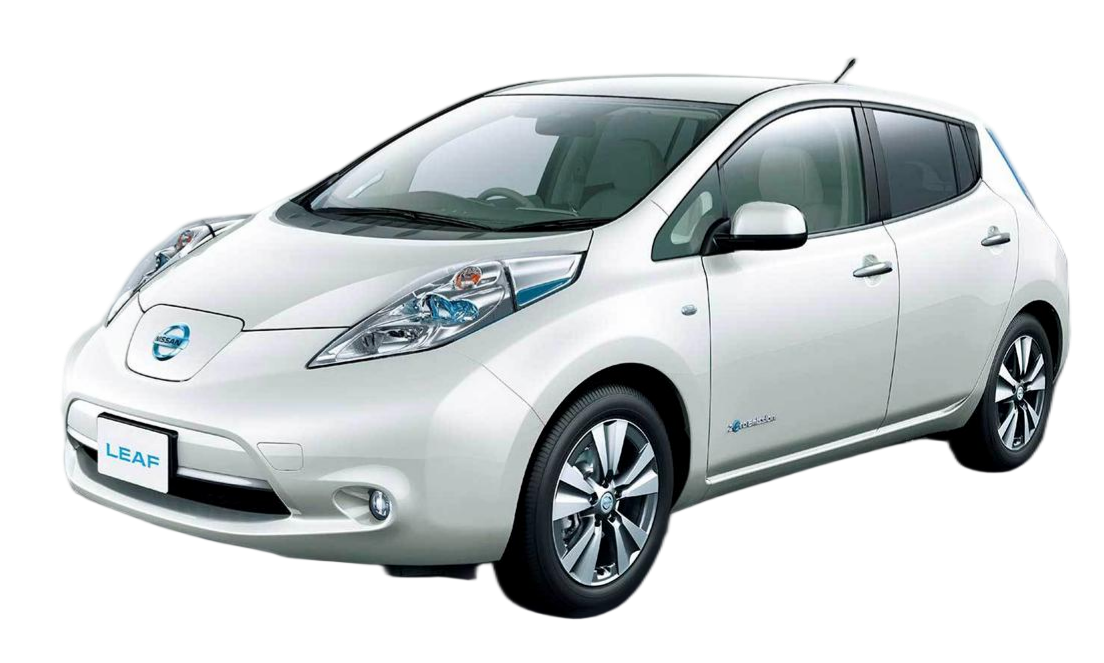
BMW i3 Battery Cooling System Flush: Shop Process – The Critical Step That Saves Packs from Thermal Death
A 2016 BMW i3 sits on your lift. The customer complains of “Charge Power Reduced” warnings during summer heat and sluggish acceleration after highway driving. You scan the vehicle and find no major fault codes, just a history of battery overtemperature events. The previous shop suggested replacing the expensive battery pack immediately. But before you condemn a $15,000 asset, have you checked the lifeblood of the system: the coolant?
In the high-stakes world of EV maintenance, the BMW i3 battery cooling system is often overlooked until it’s too late. Unlike gas engines that run hot, lithium-ion batteries demand precise thermal management. Old, degraded, or contaminated coolant loses its ability to transfer heat and, more critically, its electrical insulation properties. When conductive fluid leaks internally or simply breaks down over 10 years, it doesn’t just cause overheating; it triggers insulation faults that brick the entire vehicle.
Is your customer’s “dead battery” actually just a clogged, toxic cooling loop?
Why is a standard gravity drain insufficient for modern EV thermal systems?
And how can performing a professional flush not only save a battery but also position your shop as the trusted expert for a lucrative full-system upgrade?
At CNS BATTERY, we know that thermal management is the key to longevity. Whether extending the life of an aging OEM pack or preparing a vehicle for our high-capacity upgrades, the cooling system must be perfect. This guide details the professional shop process for flushing a BMW i3 battery cooling system, explains the science behind low-conductivity fluids, and reveals why this service is the perfect gateway to building trust for larger battery solutions.
The Science of Silence: Why EV Coolant Is Different
You cannot use generic green antifreeze in a BMW i3. The stakes are too high.
- Low Conductivity is Mandatory: In a gas car, coolant leaking onto a hot engine block is a mess. In an i3, if coolant leaks inside the battery pack onto 400V busbars, it must not conduct electricity. Specialized EV coolants (like G48 or specific OEM formulations) are engineered to have extremely low electrical conductivity.
- The Degradation Timeline: Over 8-10 years, these additives break down. The fluid becomes conductive. Even a microscopic internal leak that was once harmless can now trigger a catastrophic Insulation Fault (CD6902), shutting down the car.
- Air Pockets are Fatal: The i3 cooling loop has complex channels within the battery modules. A single air bubble acts as an insulator, creating a localized “hot spot” that can degrade cells permanently, even if the rest of the pack is cool.
The Professional Flush Protocol: Step-by-Step
Do not cut corners. A proper flush requires specialized equipment and a rigorous procedure.
Step 1: Safety & Preparation
- Depower: Ensure the vehicle is off and the key is away. While the cooling system is low voltage, you are working near HV components.
- Cool Down: Never open a hot cooling system. Allow the vehicle to reach ambient temperature.
- PPE: Wear safety glasses and gloves. EV coolant can be slippery and toxic.
Step 2: The Vacuum Drain (Crucial Step)
- Locate Ports: Identify the fill and drain ports on the battery cooling loop (typically near the rear battery assembly).
- Vacuum Extraction: Use a professional EV coolant exchange machine capable of pulling a deep vacuum.
- Why Gravity Isn’t Enough: Gravity draining leaves up to 40% of old fluid trapped in the battery’s internal micro-channels.
- The Vacuum Pull: Pulling a vacuum removes old fluid and collapses the hoses slightly, helping to draw out trapped sludge and debris from the lowest points of the pack.
Step 3: The Flush Cycle
- Distilled Water Rinse: Fill the system with deionized or distilled water (never tap water, which contains minerals that increase conductivity).
- Circulate: Run the electric coolant pump using a diagnostic scan tool (ISTA, Autel, etc.) to cycle the water through the battery, motor, and power electronics for 5-10 minutes.
- Extract: Vacuum out the rinse water. Repeat this cycle until the extracted fluid runs perfectly clear and tests neutral for conductivity.
Step 4: The Vacuum Fill (The Gold Standard)
- Create Vacuum: Connect your exchange machine and pull a deep vacuum (typically -0.8 to -0.9 bar) on the entire cooling loop. Hold this vacuum for 2 minutes to check for leaks. If the gauge moves, you have a leak—stop and diagnose.
- Inject Fluid: With the vacuum still held, inject the fresh, manufacturer-specified low-conductivity EV coolant. The vacuum literally sucks the fluid into every nook and cranny, ensuring zero air pockets.
- Top Off & Bleed: Release the vacuum, top off the reservoir, and run the pump again to bleed any remaining micro-bubbles.
Step 5: Verification & Testing
- Conductivity Test: Use a coolant conductivity tester (pen-style meter) on a sample from the reservoir. It must read below the manufacturer’s threshold (usually <5 µS/cm). If it’s higher, the flush was incomplete or tap water was used.
- Thermal Test: Drive the vehicle or run a load test. Monitor live data temperatures across all battery sensors. They should remain within 2-3°C of each other. Large variances indicate remaining air pockets.
The Hard Truth: When a Flush Isn’t Enough
Performing this professional flush builds immense trust. However, it also reveals the truth about the battery’s health.
- The Discovery: If you pull out sludge, metallic flakes, or coolant that smells burnt, the internal corrosion is already advanced.
- The Internal Leak: If the system constantly loses fluid despite no external leaks, the breach is inside the sealed battery pack. No flush can fix an internal leak. Once conductive fluid touches the internals, the pack is compromised.
- The Pivot: This is where you transition from a $300 flush to a life-saving conversation. “Mr. Customer, we flushed the system, but the data shows your battery cells are degrading rapidly due to past overheating. The flush bought us time, but the pack itself is nearing end-of-life.”
The CNS BATTERY Solution: The Ultimate Thermal Upgrade
When diagnostics confirm the battery is failing, don’t let the customer settle for a risky OEM remanufactured unit. Offer the CNS BATTERY High-Capacity Upgrade, designed with superior thermal dynamics.
Why Upgrading Beats a “Fixed” Old Pack
- Optimized Cooling Channels: Our newer generation cells generate less heat and are paired with optimized internal cooling plates, reducing the strain on the pump and fluid.
- Fresh Start: A new battery means a completely clean thermal system. No history of sludge, corrosion, or conductivity issues.
- Perfect Integration: When we install an upgrade, we perform the vacuum fill protocol as part of the service, guaranteeing zero air pockets and maximum efficiency from day one.
- Double the Range: While ensuring perfect cooling, you upgrade the customer from a thermally stressed 60/94 Ah pack to a 120–180 Ah system, delivering 130–200+ miles of range.
- Cost Efficiency:
- Repeated Flushes/Repairs: $300–$800 (Temporary fix for a dying pack).
- Dealership Replacement: $20,000+.
- CNS BATTERY Upgrade: $8,000 – $14,000 USD. You get a brand-new, cool-running battery with double the range for half the dealer price.
Real Story: From “Overheat Warning” to “Cool Confidence”
“GreenLight Auto” in Arizona had a 2015 i3 come in with chronic overheating. The owner had tried topping off coolant himself with tap water, causing conductivity issues and corrosion. We performed a full professional vacuum flush, replacing the toxic mix with fresh OEM-spec fluid.
“The flush stabilized the temps temporarily,” says the lead tech. “But our capacity test showed the heat damage was already done—the pack only held 50% charge. We showed the customer the data. They opted for a CNS BATTERY 150 Ah upgrade. We installed the new pack, performed another perfect vacuum fill, and sent them out with 170 miles of range. The car now runs 15°C cooler than it did when new. The flush diagnosed the problem; the upgrade solved it forever.”
Stop Guessing, Start Managing Thermals
The BMW i3 battery cooling system flush is not just maintenance; it is a diagnostic tool and a safety imperative. Using the wrong fluid or skipping the vacuum fill can destroy a battery faster than age itself.
Master this process. Use it to build trust. And when the data reveals a failing pack, be ready with the ultimate solution.
Ready to master EV thermal management?
Don’t risk your customers’ batteries with amateur methods. Contact CNS BATTERY today to become a certified partner. Get access to our technical guides on cooling system specs, vacuum fill procedures, and wholesale pricing for our high-performance upgrades.
👉 Get Your Cooling System Guide & Upgrade Quote
Frequently Asked Questions (FAQ) for Shops
1. Can I use regular automotive antifreeze in a BMW i3?
Absolutely NOT. Regular antifreeze is electrically conductive. If it leaks into the high-voltage battery, it will cause short circuits and insulation faults. You must use manufacturer-specified low-conductivity EV coolant (e.g., BMW G48 or equivalent).
2. Why is a vacuum fill necessary?
The BMW i3 battery cooling loop has complex, narrow internal channels. Gravity filling traps air bubbles, which create hot spots and can lead to cell degradation. A vacuum fill ensures 100% fluid saturation with zero air pockets.
3. How often should the i3 battery coolant be flushed?
BMW typically recommends inspection every 4-5 years, but in hot climates or for older vehicles (2014-2018), a flush every 3-4 years is recommended to maintain low conductivity and prevent corrosion.
4. What happens if the coolant conductivity is too high?
High conductivity means the fluid can carry electricity. If an internal leak occurs, this fluid will bridge high-voltage components to the chassis, triggering a critical insulation fault and rendering the car undrivable.
5. Can a flush fix an internal battery leak?
No. If the battery pack is leaking internally, a flush will only temporarily clean the system. The leak will continue, and the pack is considered compromised and unsafe. Replacement is the only solution.
6. Does CNS BATTERY include cooling system service with upgrades?
Yes. Every CNS BATTERY upgrade installation includes a complete cooling system inspection, vacuum drain, and vacuum fill with fresh, low-conductivity coolant to ensure the new pack operates at peak thermal efficiency.
7. What tools do I need for a professional flush?
You need a dedicated EV coolant exchange machine capable of vacuum extraction and injection, a conductivity tester to verify fluid quality, and a bidirectional scan tool to activate the electric coolant pump for bleeding.