BMW i3 Battery Insulation Replacement: Step-by-Step Shop – The Dangerous Myth of the “Field Repair”
A 2016 BMW i3 is towed into your bay, displaying a critical “High Voltage System Malfunction” and an insulation fault code (CD6902). The customer, hoping to avoid a massive replacement bill, asks: “Can’t you just replace the insulation? Maybe wrap the busbars or swap the plastic shields? I read online it’s just a worn-out liner.”
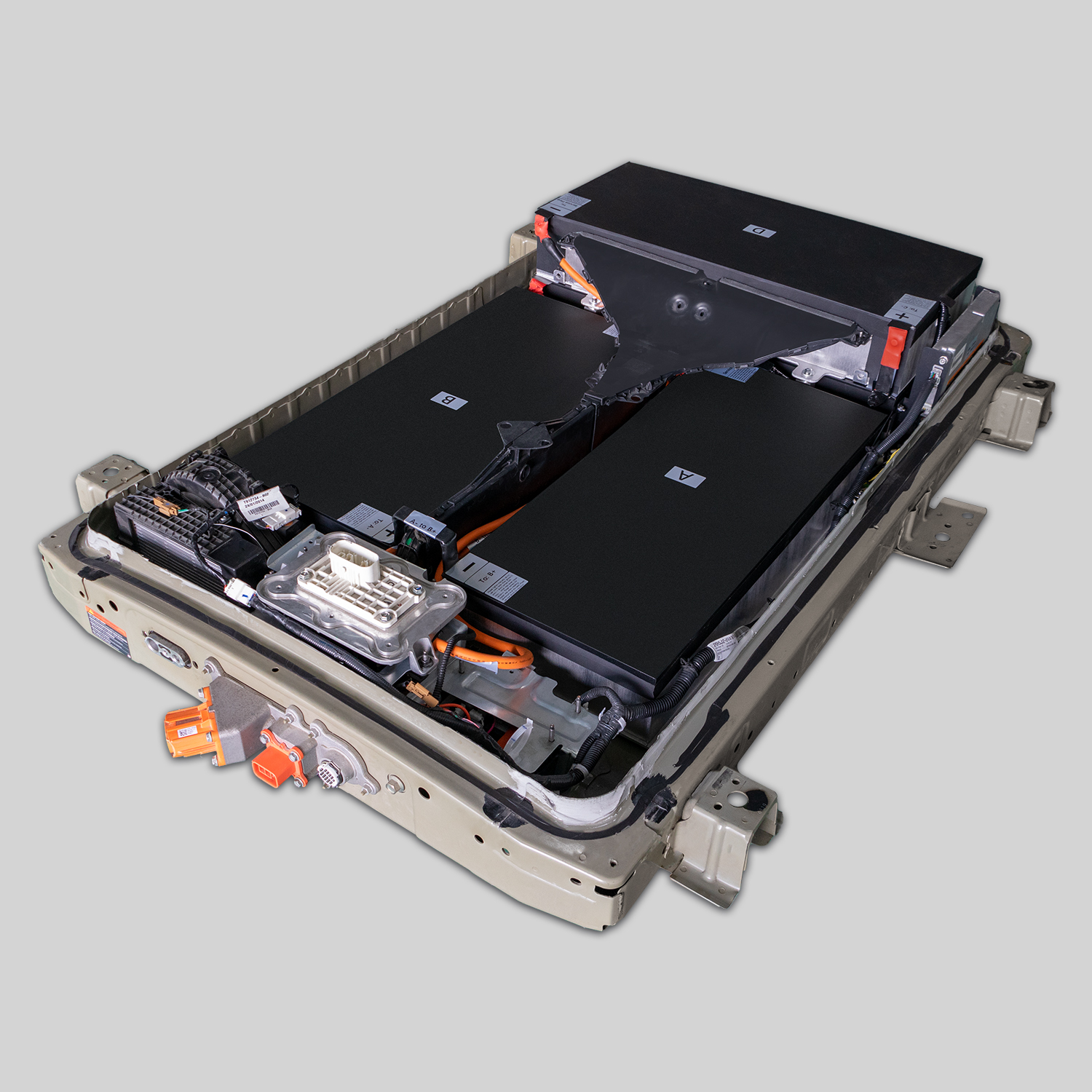
As a professional EV technician in 2026, you face a critical safety and ethical dilemma. The term “insulation replacement” implies a simple swap of a part, like a brake pad. But in the BMW i3, the electrical insulation is not a standalone component; it is an integral, factory-engineered system involving specialized coatings on busbars, mica sheets between cells, ceramic separators inside every cell, and the sealed integrity of the entire IP67 casing.
When the BMS reports an insulation fault, it means 400 volts are leaking to the chassis. This is rarely due to a “worn liner” that can be re-wrapped in a service bay. It is almost always caused by conductive coolant intrusion, internal cell separator failure, or carbon tracking from arcing—issues that cannot be fixed by applying tape or swapping a plastic cover.
Why is attempting to “replace insulation” in a shop environment a lethal liability?
What does an insulation fault actually tell you about the internal state of the battery?
And when diagnostics confirm that the insulation system has failed, how do you pivot from a dangerous repair attempt to a safe, profitable, and permanent upgrade?
At CNS BATTERY, safety is our absolute priority. We have seen the catastrophic results of attempted insulation repairs: recurring faults, sudden thermal events, and severe electrocution risks. This guide debunks the myth of field insulation replacement, explains the true root causes of insulation failure, and reveals why replacing the entire system is the only ethical and effective solution.
Debunking the Myth: What “Insulation” Really Is
In the BMW i3, high-voltage isolation is achieved through multiple layers:
- Internal Cell Separators: Microscopic polymer films inside every single cell preventing anode/cathode contact.
- Module Insulation: Mica sheets and plastic housings separating modules from the cooling plates and casing.
- Busbar Coatings: Specialized dielectric coatings on the copper bars connecting the cells.
- Pack Casing: The sealed aluminum/plastic enclosure that keeps water and road salt out.
The Reality: You cannot “replace” these components individually in a standard shop.
- Cell Separators: Impossible to access without destroying the cell.
- Mica Sheets/Busbar Coatings: Accessing them requires opening the sealed pack, draining coolant, and exposing live components. Even if you could swap them, you cannot replicate the factory’s clean-room assembly or helium leak testing.
- The Root Cause: 90% of insulation faults in aging i3s are caused by coolant leaking inside the pack. The conductive fluid coats the insulation, bridging the gap to the chassis. No amount of wrapping new tape around wet, corroded busbars will fix this. The corrosion is permanent.
Professional Diagnostic Protocol: Finding the Breach
Before condemning the pack, you must confirm the source of the insulation loss. Do not guess.
Step 1: Safety & Depower
- PPE Up: Class 00 gloves, face shield.
- Disconnect: 12V negative, remove Service Plug (MSD). Wait 10 mins. Verify 0V.
Step 2: Isolation Testing (The Megger Test)
- Isolate the Pack: Disconnect the main HV cables from the battery to the rest of the car (motor, compressor).
- Measure Resistance: Use a digital megohmmeter (500V DC) to measure resistance between HV+ and Chassis, and HV- and Chassis.
- Result A (>1 MΩ): The battery is isolated. The fault lies in external components (cables, compressor, heater). These can be repaired.
- Result B (<100 kΩ): Critical Failure. The battery pack itself is leaking. Stop here.
Step 3: Visual & Chemical Inspection
- Check for Coolant: Smell the battery vents. Is there a sweet chemical odor? Look for crusty residue around seams.
- The Verdict: If resistance is low AND there are signs of coolant, the internal insulation is compromised by conductive fluid. This is unrepairable.
The Hard Truth: Why “Insulation Replacement” Is Impossible
If your diagnostics point to an internal pack failure (Result B), you must explain the harsh reality to the customer:
- Contamination is Permanent: Once conductive coolant touches the internal components, it causes galvanic corrosion on aluminum and copper. You cannot clean this thoroughly without disassembling the entire pack into individual cells—a process that is explosive and lethal in a non-factory setting.
- Seal Integrity Cannot Be Restored: To “replace insulation,” you must open the pack. Once opened, the factory IP67 seal is broken. No shop-applied silicone or gasket can guarantee the same protection against water and dust. A future leak is guaranteed.
- Liability Nightmare: If you attempt to re-insulate a pack and it fails six months later, causing a fire or electrocution, your shop is legally liable for negligence. Insurance will not cover unauthorized modifications to high-voltage safety systems.
- No Parts Available: BMW does not sell “insulation kits” for the i3. The entire pack is the serviceable unit.
The Only Solution: The battery pack must be replaced entirely.
The CNS BATTERY Solution: Perfect Insulation Guaranteed
When you deliver the news that the insulation is failed and the pack is totaled, the customer will fear the dealer’s $20,000+ quote. This is your opportunity to offer the CNS BATTERY High-Capacity Upgrade—the only solution that guarantees perfect insulation.
Why Upgrading Is the Only Safe Fix
- Factory-Perfect Isolation: Our BMW i3 Series Battery upgrades are brand-new, factory-sealed units. They come with certified insulation resistance values >10 MΩ, eliminating insulation faults forever.
- Zero Contamination Risk: New cells, new busbars, new coatings. No history of coolant leaks or corrosion.
- Advanced Materials: We use modern dielectric materials and sealing technologies that exceed the original OEM specifications for durability and safety.
- Plug-and-Play Safety: No risky disassembly of the old, compromised pack. Swap the entire unit in 4–6 hours.
- Double the Range: While solving the insulation crisis, you upgrade the customer from a failing 60 Ah or 94 Ah pack to a 120 Ah to 180 Ah system, giving them 130–200+ miles of range.
- Cost Efficiency:
- Attempted “Insulation Repair”: $1,500+ (labor) + 100% Risk of Failure/Liability.
- Dealership Replacement: $20,000+.
- CNS BATTERY Upgrade: $8,000 – $14,000 USD. You get a brand-new, perfectly insulated battery with double the range for half the dealer price.
Real Story: From “Tape Job Disaster” to “Certified Safe”
“GreenLight Auto” in Florida once attempted to “fix” an insulation fault on a 2015 i3 by opening the pack and wrapping busbars with high-voltage tape. The car ran for three days before the insulation fault returned, accompanied by smoke. The customer was furious and threatened legal action.
“We learned the hard way that you can’t tape over chemistry,” says the owner. “Now, we strictly follow protocol. If the Megger test fails, we recommend CNS BATTERY. Last week, we installed a 150 Ah upgrade. The new pack tested at >5 MΩ insulation. The customer paid $11,500, got 170 miles of range, and drives with total confidence. We turned a potential lawsuit into our best job of the month.”
Stop Patching, Start Protecting
BMW i3 battery insulation replacement is a myth. There is no field repair for compromised high-voltage isolation. Attempting to do so endangers lives and your business.
Be the shop that respects the physics of high voltage. Be the shop that offers the only true solution: complete replacement with modern, safe technology.
Diagnosed an insulation fault?
Don’t risk a catastrophe. Contact CNS BATTERY today for a professional assessment. Discover how our BMW i3 Series Battery upgrades can eliminate insulation faults permanently, providing your customers with a safe, reliable, and high-range driving experience.
👉 Get Your Insulation Fault Solution & Quote
Frequently Asked Questions (FAQ) for Shops
1. Can I replace the insulation inside a BMW i3 battery pack?
No. The insulation consists of internal cell separators, coated busbars, and sealed housing components that cannot be serviced individually. Attempting to open the pack to replace these parts voids all safety certifications and creates extreme liability.
2. What causes insulation faults in the i3?
The most common cause is internal coolant leakage, where conductive fluid bridges high-voltage components to the chassis. Other causes include physical damage, moisture intrusion, or degradation of internal separators due to age/heat.
3. Is it safe to drive with an insulation fault?
Absolutely NOT. An insulation fault means the vehicle chassis could become energized at 400V, posing a fatal electrocution risk. The vehicle must be towed and the battery replaced immediately.
4. Can I dry out a wet battery pack to fix the insulation?
No. Once coolant enters the pack, it causes permanent corrosion on metal components. Drying it does not remove the conductive salts or repair the damaged insulation layers. The pack is permanently compromised.
5. How much does it cost to fix an insulation fault?
Attempting a repair is impossible/risky. A dealership replacement costs $20,000+. A CNS BATTERY upgrade costs $8,000–$14,000, providing a brand-new, perfectly insulated battery with double the range.
6. Will a CNS BATTERY upgrade fix insulation codes?
Absolutely. Our upgrades are brand-new, factory-sealed units with verified high insulation resistance (>10 MΩ). All insulation fault codes are permanently eliminated upon installation.
7. What tools do I need to diagnose this?
You absolutely need a Digital Megohmmeter (Insulation Tester) capable of 500V/1000V DC to measure resistance between the HV system and the chassis. Standard OBDII scanners cannot perform this critical safety test.