BMW i3 Low Voltage Battery Repair: Professional Steps – The Hidden Cause of High-Voltage Failure
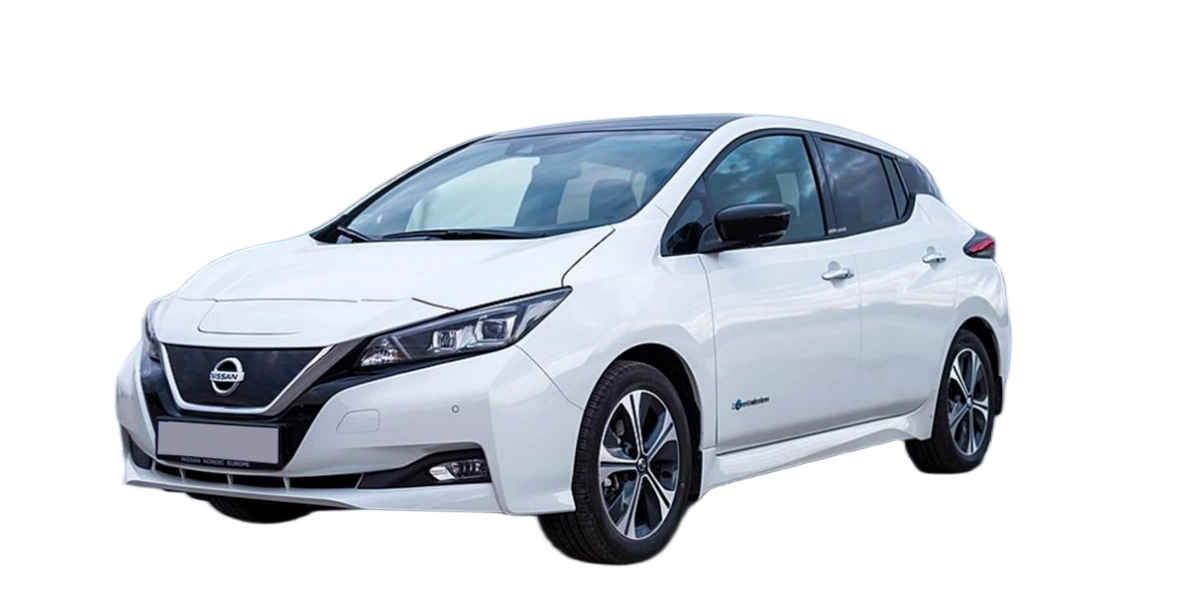
Your shop receives a towed-in 2016 BMW i3. The customer is frantic: “The car is completely dead! No lights, no dashboard, and it won’t even unlock. I thought the big battery died, but could it be something else?”
You pop the frunk (or access the trunk compartment) and find the culprit: a swollen, leaking, or completely flat 12V auxiliary battery. In the world of internal combustion engines, a dead 12V battery is a nuisance. In the BMW i3, it is a critical system failure that mimics a high-voltage catastrophe.
Many technicians make the mistake of immediately condemning the expensive high-voltage (HV) traction battery when the real issue is the small, inexpensive 12V unit. However, simply swapping the 12V battery isn’t always the end of the story. A dead 12V battery in an i3 is often a symptom of a deeper issue: a failing DC-DC converter, a parasitic drain from a malfunctioning HV system, or the early stages of total vehicle electrical collapse.
Why does a small 12V battery shut down a 400V electric car?
How do you distinguish between a simple 12V replacement and a sign of impending high-voltage doom?
And if the 12V failure was caused by a struggling high-voltage system, how do you pivot to a profitable, comprehensive upgrade?
At CNS BATTERY, we understand the intricate dance between the low-voltage and high-voltage systems in the i3. We know that proper 12V diagnosis and repair is the first line of defense in EV troubleshooting. This guide details the professional steps for addressing i3 low voltage failures, explains the critical link to the main battery, and reveals why solving these electrical gremlins often leads to the ultimate solution: a modern, reliable high-voltage upgrade.
The Critical Link: Why the 12V Battery Rules the i3
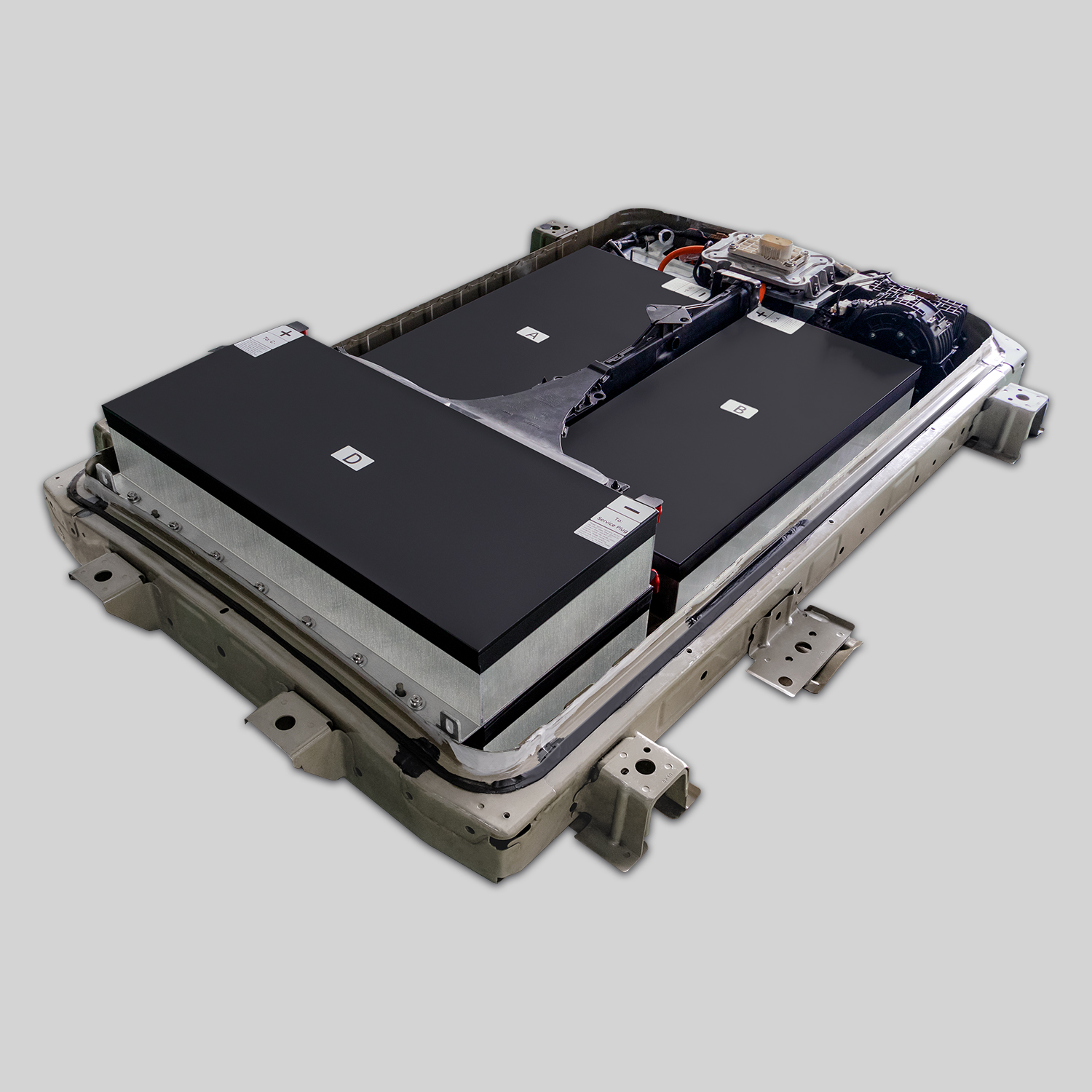
Unlike gas cars where the alternator charges the 12V battery while the engine runs, the BMW i3 relies entirely on its High-Voltage (HV) battery to power the wheels and a DC-DC converter to step down 400V to 12V to charge the auxiliary battery.
The Hierarchy of Power:
- The 12V Battery: It powers the computers, contactors, screens, and door locks. Without it, the car cannot “wake up” the high-voltage system.
- The Contactors: These are heavy-duty relays inside the HV battery pack. They need 12V power to close. If the 12V is dead, the contactors stay open, and the 400V energy is trapped, useless.
- The DC-DC Converter: Once the car is “Ready,” this component converts HV power to 12V to keep the auxiliary battery charged.
The Failure Loop: If the HV battery is degraded or faulty, the DC-DC converter may stop working efficiently. The 12V battery then drains powering the car’s computers until it dies. When the 12V dies, the car bricks. A dead 12V is often the smoke; the failing HV battery is the fire.
Professional Repair Steps: Beyond Simple Replacement
Do not just swap the battery and hope for the best. Follow this rigorous protocol to ensure the root cause is addressed.
Step 1: Safety & Initial Assessment
- Verify 12V Status: Measure voltage at the 12V terminals (located in the front trunk or rear trunk depending on model year). <11.5V indicates a dead or dying battery.
- Check for Swelling/Leaks: AGM batteries in i3s are prone to swelling and leaking acid, which can corrode the tray and wiring harness.
- Safety Note: Even though it’s “low voltage,” you are working near high-voltage orange cables. Wear appropriate PPE and avoid shorting terminals near HV components.
Step 2: Temporary Jump-Start & System Wake-Up
- External Power: Connect a stable 12V power supply or jump starter to the designated jump points (usually under the hood).
- Wake Up: Turn the ignition to “On” (do not start driving yet). Listen for the distinct clunk of the high-voltage contactors closing.
- Scan for Codes: Immediately connect your professional scan tool. Look for codes related to:
- 12V Battery: “Battery Discharged,” “Internal Resistance High.”
- DC-DC Converter: “Converter Fault,” “Output Voltage Low.”
- High Voltage Battery: “Insulation Fault,” “Cell Imbalance,” “Thermal Management Error.”
Step 3: The Root Cause Diagnosis (Crucial Step)
Before installing a new 12V battery, you must determine why the old one failed.
- Test the DC-DC Converter: With the car “Ready,” measure the voltage at the 12V battery terminals. It should be 13.5V – 14.5V.
- If <13V: The DC-DC converter is not charging. This often means the HV battery has shut down due to a fault, cutting power to the converter.
- If >15V: The converter is overcharging, which will kill the new battery quickly.
- Check for Parasitic Drain: If the DC-DC is working, perform a parasitic draw test. A faulty telematics module or stuck relay can drain a 12V battery overnight.
- Inspect HV Health: If the DC-DC output is intermittent or zero, scan the HV battery State of Health (SOH). A severely degraded HV pack often disables the DC-DC converter to protect itself.
Step 4: Replacement & Registration
- Remove Old Battery: Disconnect negative first, then positive. Remove the hold-down clamp. Clean any corrosion from the tray with baking soda/water (carefully avoiding electronics).
- Install New AGM Battery: BMW i3s require specific AGM (Absorbent Glass Mat) batteries (typically 70Ah or 80Ah). Do not use standard flooded lead-acid batteries.
- BMS Registration: This is mandatory. Use your scan tool to register the new battery to the vehicle’s Battery Management System. If you skip this, the car will think the old, weak battery is still installed and may charge it incorrectly, killing the new unit within months.
Step 5: Verification Drive
- Drive the vehicle for at least 20 minutes. Monitor live data to ensure the 12V voltage remains stable between 13.5V and 14.5V under various loads (AC on, lights on, heating on).
The Hard Truth: When the 12V Failure Signals HV Death
If your diagnostics reveal that the DC-DC converter stopped working because the High-Voltage battery triggered a fault (e.g., insulation leak, cell imbalance, thermal event), simply replacing the 12V battery is a band-aid.
- The Cycle: You install a new 12V. The car wakes up. The HV battery detects its own internal failure and shuts down again. The DC-DC stops charging. The new 12V drains in 2 days. The customer returns, angry.
- The Reality: In aging i3s (2014-2018), a recurring 12V death is frequently the first major symptom of a failing high-voltage traction battery. The HV pack is so compromised it can no longer support the car’s auxiliary systems.
The CNS BATTERY Solution: Fix the Source, Not Just the Symptom
When you identify that the 12V failure is linked to a dying HV battery, don’t sell the customer a $300 12V replacement that will fail again next week. Offer the CNS BATTERY High-Capacity Upgrade.
Why Upgrading Solves the 12V Mystery
- Stable HV Source: Our brand-new 120 Ah to 180 Ah upgrades provide rock-solid 400V power. The DC-DC converter receives stable input and consistently outputs perfect 14V to the 12V system.
- No More Shutdowns: Our packs eliminate the internal faults (imbalance, leaks, thermal issues) that cause the HV system to cut out and starve the 12V battery.
- Reliable Starting: With a healthy HV pack, your new 12V battery will last its full 4-5 year lifespan, charged reliably every time you drive.
- Double the Range: While fixing the electrical gremlins, you give the customer 130–200+ miles of range, transforming the car from a unreliable brick to a daily driver.
- Cost Efficiency:
- Repeated 12V Replacements: $300 x 3 + Diagnostic Time = $1,000+ (and an unhappy customer).
- Dealership HV Replacement: $20,000+.
- CNS BATTERY Upgrade: $8,000 – $14,000 USD. You solve the 12V issue permanently, fix the range, and secure a high-margin job.
Real Story: From “Dead Brick” to “Reliable Commuter”
“City Auto Electric” had a regular customer whose 2015 i3 kept dying overnight. They replaced the 12V battery twice in three months. Each time, the car came back dead. Finally, they ran a deep scan and found the HV battery was throwing intermittent insulation faults, causing the DC-DC converter to shut off randomly.
“We explained that the 12V battery wasn’t the problem; it was the victim,” says the owner. “We installed a CNS BATTERY 150 Ah upgrade. Since then, the car has started perfectly every day for six months. The 12V voltage is a steady 14.2V. The customer paid $11,500, got 170 miles of range, and finally has a car they can trust. We stopped chasing ghosts and fixed the root cause.”
Stop Replacing Symptoms, Start Solving Problems
BMW i3 low voltage battery repair requires more than just swapping a part. It demands an understanding of the symbiotic relationship between the 12V auxiliary system and the 400V traction battery.
Be the shop that diagnoses deeply. Be the shop that identifies when a small battery failure is screaming about a big battery problem.
Dealing with recurring 12V deaths in an i3?
Don’t just sell another battery. Contact CNS BATTERY today for a professional high-voltage assessment. Discover how our BMW i3 Series Battery upgrades can stabilize your customer’s entire electrical system, ensuring their 12V battery lasts and their range is restored.
👉 Get Your Electrical System Diagnostic & Upgrade Quote
Frequently Asked Questions (FAQ) for Shops
1. Can a bad 12V battery damage the high-voltage system in a BMW i3?
Generally, no. However, a dead 12V prevents the high-voltage contactors from closing, making the car unusable. Conversely, a failing high-voltage system is a very common cause of repeated 12V battery failures due to the DC-DC converter shutting down.
2. What type of 12V battery does the BMW i3 need?
The i3 requires a specific AGM (Absorbent Glass Mat) battery, typically 70Ah or 80Ah (group size H6 or H7 depending on year). Using a standard flooded battery is not recommended and may void warranties or cause performance issues.
3. Do I need to register the new 12V battery?
Yes, absolutely. The i3’s power management system must be told a new battery is installed via a diagnostic scan tool. Failure to register it can lead to improper charging strategies and premature failure of the new battery.
4. Why does my i3 12V battery keep dying after replacement?
This is a classic sign of a failing DC-DC converter or a high-voltage battery fault. If the HV pack shuts down due to internal errors, the DC-DC converter stops charging the 12V battery, causing it to drain rapidly. A full HV diagnostic is required.
5. How much does it cost to replace the 12V battery?
Parts and labor typically range from $250 to $400. However, if the root cause is the high-voltage system, this cost will be repeated until the main battery is addressed.
6. Will a CNS BATTERY upgrade fix my 12V charging issues?
Yes. By replacing the failing high-voltage pack with a stable, new CNS BATTERY unit, the DC-DC converter receives consistent power and reliably charges the 12V system, eliminating recurring 12V failures.
7. Can I jump-start an i3 with a dead 12V battery?
Yes, using the designated jump points under the hood. However, once jump-started, the car must be driven or charged immediately to allow the DC-DC converter to recharge the 12V battery. If the HV system is faulty, it will not recharge, and the car will die again once the jumper cables are removed.