BMW i3 Battery Cell Replacement: Shop Cost & Process Guide – The $3,000 Trap vs. The $12,000 Solution
A 2015 BMW i3 is on your lift. The customer is desperate. Their range has plummeted to 30 miles, and the dashboard is flashing “Drivetrain Malfunction.” They’ve done their homework: “I know it’s just one bad cell module,” they say. “Can’t you just swap that one module out? I heard it costs $500 for the part and a few hours of labor. Why would I pay the dealer $20,000?”
As a professional shop owner in 2026, you are standing at a critical crossroads. On one path lies the customer’s request: BMW i3 battery cell replacement (module swapping). It sounds logical, cost-effective, and simple. On the other path lies the harsh reality of high-voltage chemistry, sourcing nightmares, and liability risks that can bankrupt your business.
The truth is, while replacing a single module is technically possible, it is often a financial and technical trap that leads to comebacks, angry customers, and unsafe vehicles.
What is the real cost of sourcing and installing a single used module in 2026?
Why does mixing old and new cells almost guarantee failure within months?
And how can you pivot this conversation from a risky, low-margin repair to a high-profit, warranty-backed upgrade that actually solves the customer’s problem?
At CNS BATTERY, we have analyzed thousands of i3 packs. We know the exact steps, costs, and pitfalls of module-level repair. This guide breaks down the real-world process and costs of cell replacement, exposes why it rarely works long-term, and reveals why offering a complete system upgrade is the only ethical and profitable choice for your shop.
The Process: What “Cell Replacement” Actually Entails
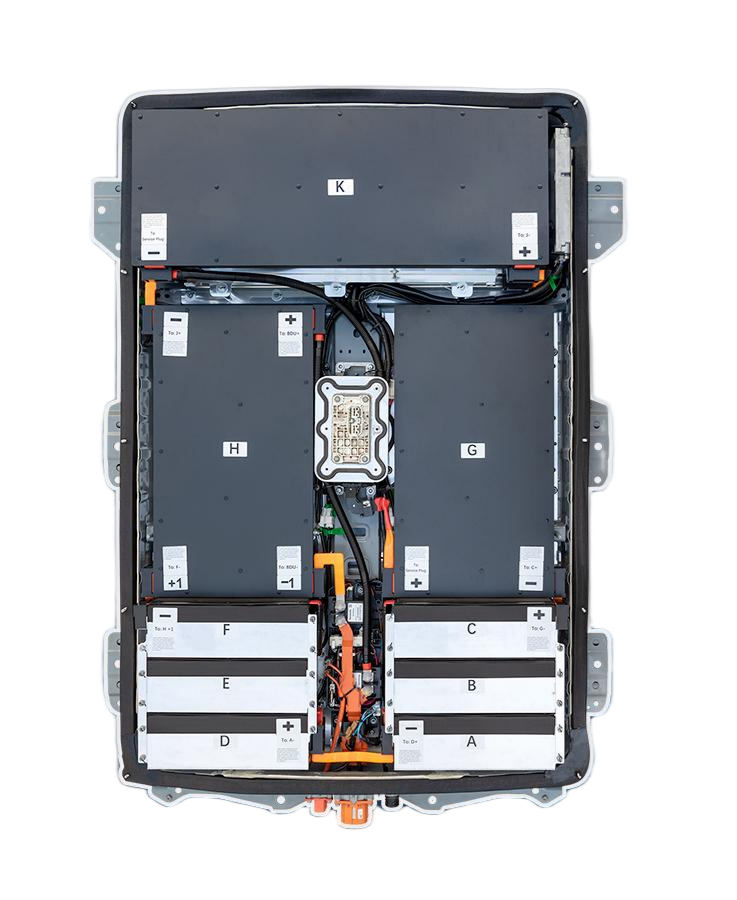
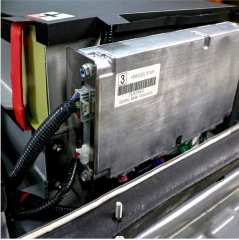
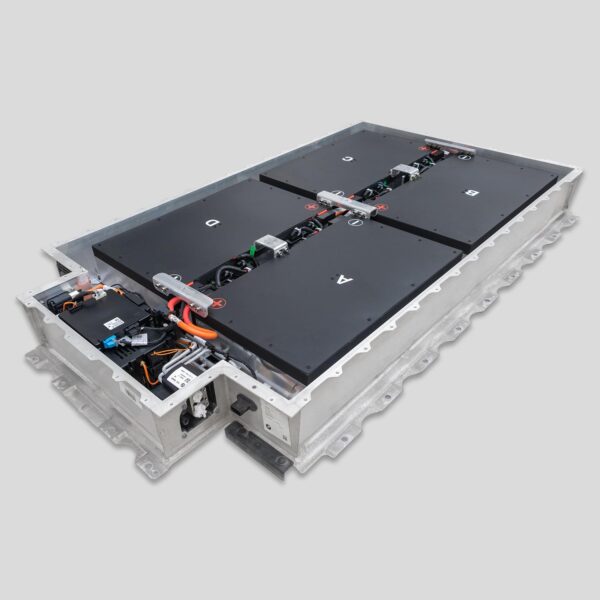
When a customer asks for a “cell replacement,” they usually mean swapping a faulty module (a group of cells). Here is the rigorous, time-consuming process required to do it correctly:
Step 1: Diagnosis & Sourcing (The Biggest Hurdle)
- Diagnosis: You must identify the specific weak module using advanced diagnostics (voltage deviation >0.2V).
- Sourcing: This is where the project often dies. BMW does not sell new individual modules for 2014-2018 models. You must find a used module from a salvage yard.
- Challenge: You need a module with matching capacity, internal resistance, and manufacturing date. Finding a “match” for an 8-year-old pack is like finding a needle in a haystack.
- Cost: A decent used module costs $300–$600, but availability is sporadic.
Step 2: High-Voltage Depower & Disassembly
- Safety: Disconnect 12V, remove the Service Plug, wait 10 minutes, and verify 0V.
- Opening the Pack: You must drain the liquid cooling system, unbolt the lower casing, and break the factory IP67 seal.
- Internal Access: Remove busbars and fragile voltage sense wires to access the specific module. One slipped tool can short the pack or snap a wire, bricking the entire unit.
Step 3: The Swap & Reseal
- Installation: Swap the old module for the used one.
- The Seal: This is the critical failure point. You must clean the old adhesive/gasket perfectly and apply new sealant. You cannot replicate the factory’s robotic laser-welding or helium leak testing in a standard bay.
- Refill: Vacuum fill the cooling system to remove air pockets.
Step 4: Calibration & Balancing
- BMS Reset: Use ISTA to teach the BMS the new module.
- Balancing: Run a balancing cycle (6–12 hours). If the used module doesn’t match the old ones perfectly, the deviation will return immediately.
The Real Cost Breakdown: Why It’s Not Cheap
Let’s look at the numbers for a typical shop in 2026.
| Item | Estimated Cost | Notes |
|---|---|---|
| Used Module | $400 – $700 | Sourcing fee + shipping. Risk of receiving a bad unit. |
| Labor (10-14 Hours) | $1,500 – $2,100 | @ $150/hr. Includes disassembly, swap, reseal, refill. |
| Consumables | $150 – $250 | Coolant, sealant, gaskets, HV gloves disposal. |
| Diagnostic/Calibration | $200 – $300 | Scan tool time, balancing electricity. |
| Total Customer Cost | $2,250 – $3,350 | Without Warranty. |
The Hidden Costs:
- Comeback Risk: If the used module mismatches (which is likely), the car returns in 2 weeks. You eat the labor cost to fix it.
- Liability: If your manual reseal fails and water enters, causing a fire, your shop is liable for millions.
- No Warranty: You cannot warranty a used part you found online. The customer assumes all risk.
The Hard Truth: Why Module Replacement Fails
Even if you execute the process perfectly, the physics of aging lithium-ion batteries works against you:
- The Mismatch Problem: Your customer’s pack has 8 years of degradation. The internal resistance of the old modules is high. The “new” used module has lower resistance. The BMS sees this imbalance and limits power, or the weak old modules drag the new one down rapidly.
- The Seal Compromise: Once the factory seal is broken, the pack is vulnerable. Manual sealants degrade faster than factory adhesives. Moisture intrusion is a matter of “when,” not “if.”
- The Domino Effect: Replacing one module doesn’t stop the other 95 modules from failing. Six months later, a different module fails. Now the customer has paid $3,000 twice and still has a dying car.
The CNS BATTERY Solution: The Smart Alternative
Instead of selling a risky, temporary patch, offer the CNS BATTERY High-Capacity Upgrade. This is the solution that saves the customer money in the long run and builds your shop’s reputation.
Why Upgrading Beats Cell Replacement
- Zero Sourcing Headaches: No hunting for salvage parts. The battery arrives ready to install.
- Perfect Match: All cells are brand-new, matched Grade-A units. No imbalance, no BMS confusion.
- Factory Seal Integrity: Our packs are sealed in controlled factories, not re-glued in a service bay. Zero leak risk.
- Double the Range: You aren’t just fixing the car; you are transforming it from 30 miles to 130–200+ miles.
- Warranty Protection: We back our upgrades with a 3–5 Year Warranty. You sleep easy; the customer drives with confidence.
- Better Economics:
- Module Swap: ~$3,000 cost to customer, high comeback risk, no warranty.
- CNS Upgrade: $8,000 – $14,000 cost to customer. Higher ticket, higher margin, zero comebacks, happy customer for life.
Real Story: From “Module Swap Regret” to “Upgrade Relief”
“GreenLight Auto” in Florida agreed to swap a module on a 2016 i3 last year. They spent 12 hours on the job, sourced a used module for $500, and charged the customer $2,800. Three weeks later, the car returned with worse imbalance because the used module was from a different batch. The customer was furious.
“This time, we convinced them to do it right,” says the owner. “We installed a CNS BATTERY 150 Ah upgrade. It took us 5 hours. The customer paid $11,500, but they got 170 miles of range and a 4-year warranty. No comebacks, no sourcing stress. We made more profit, and the customer actually thanked us. We never do module swaps anymore.”
Stop Selling Patches, Start Selling Solutions
BMW i3 battery cell replacement is a service that sounds good on paper but fails in practice. It is expensive, risky, and temporary.
Be the shop that educates your customers. Show them the data. Explain that mixing old and new cells is a losing battle. Offer them the only solution that guarantees safety, reliability, and range: a complete CNS BATTERY upgrade.
Asked to replace a single cell module?
Don’t take the risky path. Contact CNS BATTERY today to become a certified partner. Get access to our wholesale pricing, installation training, and marketing materials. Start turning dangerous repair requests into profitable, warranty-backed upgrades.
👉 Become a Certified Upgrade Partner Today
Frequently Asked Questions (FAQ) for Shops
1. Can I really replace just one cell module in a BMW i3?
Technically yes, but practically no. While physically possible, finding a matching used module is extremely difficult. Mixing a used module with an aged pack almost always leads to immediate voltage imbalance and recurring faults.
2. How much does a single module replacement cost?
Expect to charge the customer $2,500 – $3,500 when factoring in the cost of the used module ($400-$700) and 10-14 hours of skilled labor. However, this comes with no warranty and a high risk of failure.
3. Why is resealing the battery pack so risky?
The factory uses robotic adhesive application and helium leak testing to ensure IP67 rating. A manual reseal in a shop cannot guarantee this level of protection. Water intrusion through a poor seal can cause catastrophic short circuits and fires.
4. Is a module replacement covered by warranty?
No. Since you are using used salvage parts, you cannot offer a meaningful warranty. If the used module fails or causes imbalance, the customer bears the cost. CNS BATTERY upgrades come with a 3–5 Year Warranty.
5. How long does a full battery upgrade take compared to a module swap?
A module swap takes 10–14 hours due to disassembly and delicate internal work. A CNS BATTERY full upgrade takes only 4–6 hours as it is a plug-and-play replacement of the entire unit.
6. What happens if the module swap doesn’t fix the range issue?
This is common. If other modules are also degraded, swapping one won’t restore range. The customer ends up paying $3,000 with no improvement. A full upgrade guarantees 130–200+ miles of range.
7. Should I recommend a module swap to save the customer money?
No. It is a false economy. The customer pays $3,000 for a temporary fix that may fail in months. For a bit more investment ($8k-$14k), they get a brand-new battery with double the range and a multi-year warranty. It is the far better value.