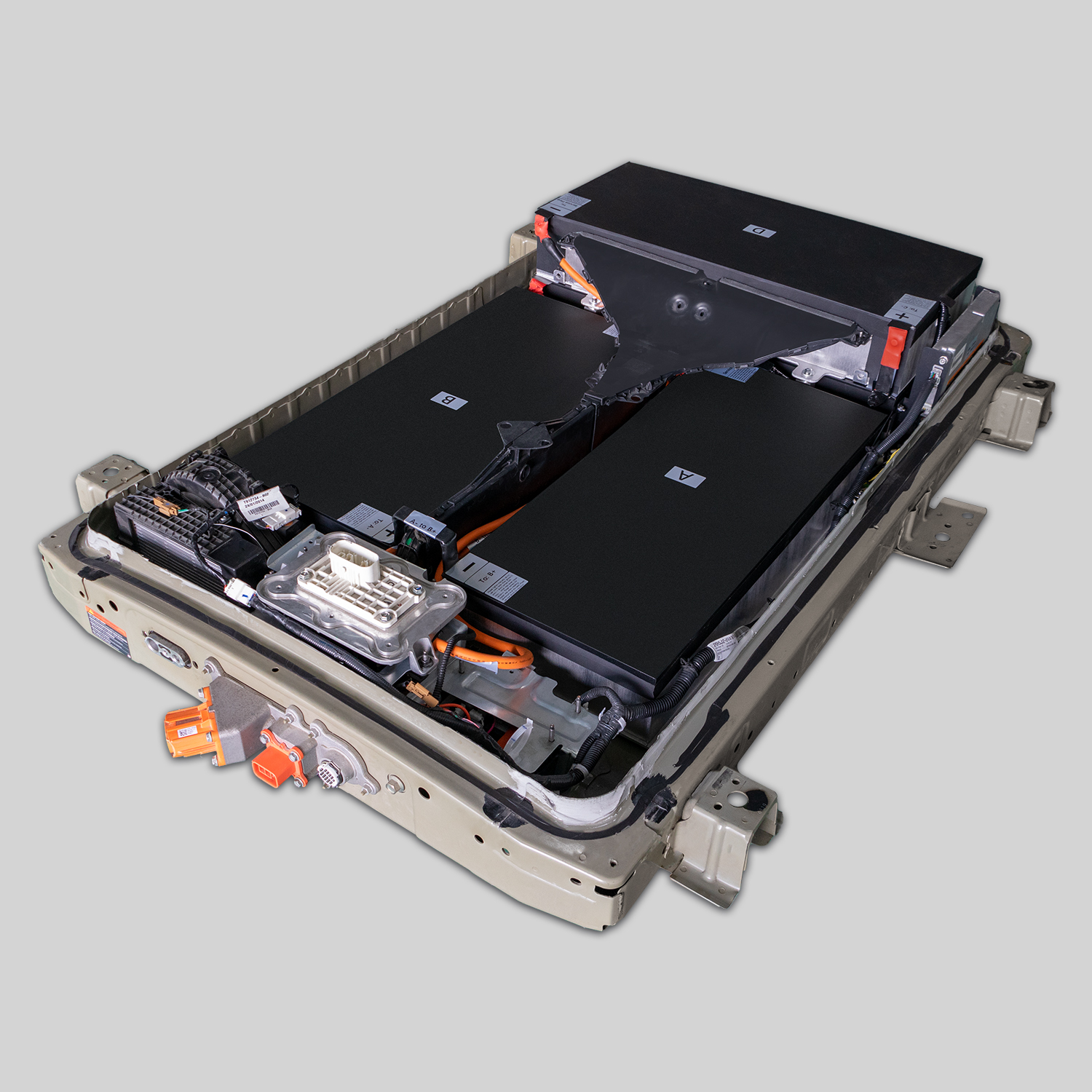
BMW i3 Battery Leak Repair: Professional Techniques – Why “Sealing” Is a Dangerous Myth
A 2016 BMW i3 is towed into your shop, dripping a mysterious blue-green fluid. The customer is hopeful: “It’s just a leak, right? Can’t you just patch the seal or replace the gasket? I heard it’s a common issue.”
As a professional EV technician in 2026, you know the terrifying reality hidden beneath that puddle. In the BMW i3, a battery leak is rarely just an external seal failure. It is often the catastrophic result of internal cooling plate corrosion, where conductive coolant has already breached the sealed high-voltage environment and is sitting directly on 400-volt busbars.
Attempting to “repair” this by cleaning the outside, applying silicone, or swapping an external hose is not just ineffective; it is a lethal gamble. If conductive fluid is inside the pack, the battery is a ticking time bomb for electrocution, short circuits, and thermal runaway.
How do you distinguish between a simple external hose leak and a fatal internal breach?
Why is “resealing” a BMW i3 battery pack physically impossible in a standard shop?
And when diagnostics confirm an internal leak, how do you pivot from a dangerous repair attempt to a safe, profitable, and permanent upgrade?
At CNS BATTERY, safety is our non-negotiable core. We have witnessed the aftermath of failed leak repairs: fires, bricked vehicles, and severe liability claims. This guide outlines the professional techniques for diagnosing battery leaks, exposes the myth of field resealing, and reveals why replacing the entire system is the only ethical path forward.
The Anatomy of a Leak: External vs. Internal
Not all leaks are created equal. Your diagnostic protocol must immediately distinguish between the two scenarios.
Scenario A: External Cooling Line Leak (Repairable)
- Location: Leaks originating from rubber hoses, plastic quick-connect fittings, or the electric water pump outside the battery casing.
- Cause: Age-hardened rubber, vibration cracks, or loose clamps.
- Risk: Low voltage risk (if cleaned properly), but potential for overheating if not fixed.
- Verdict: Repairable. Replace hoses, pumps, or connectors. Flush and refill the system.
Scenario B: Internal Battery Pack Leak (Catastrophic)
- Location: Fluid seeping from the battery casing seams, vent valves, or high-voltage connector interfaces.
- Cause: Corrosion of the internal aluminum cooling plates, failed factory laser welds, or physical impact damage.
- Risk: Extreme. Conductive coolant bridges high-voltage components to the chassis, causing insulation faults, arc flashes, and fire.
- Verdict: Unrepairable. The pack is condemned.
Professional Diagnostic Techniques: Finding the Source
Do not guess. Follow this rigorous workflow to pinpoint the leak before touching a tool.
Step 1: Visual & UV Dye Inspection
- Clean & Dry: Thoroughly clean the undercarriage and battery area.
- UV Dye Injection: Inject fluorescent UV dye into the cooling loop. Run the pump to circulate.
- Inspect: Use a high-intensity UV light.
- If dye appears on external hoses/connectors: External Leak.
- If dye appears at the casing seam, vent valve, or HV connector base: Internal Leak.
Step 2: Insulation Resistance Test (The Decider)
This is the most critical step for internal leaks.
- Depower: Disconnect 12V, remove Service Plug, wait 10 mins, verify 0V.
- Megger Test: Use a digital megohmmeter (500V DC) to measure resistance between HV terminals and the chassis.
- Interpret Results:
- > 1 MΩ: Insulation is good. Likely an external leak only.
- < 100 kΩ (or OL drop): Critical Failure. Conductive fluid is inside the pack. The battery is electrically compromised.
Step 3: Pressure Decay Test
- Pressurize the cooling system to spec (usually ~1.5 bar).
- Monitor pressure drop. A rapid drop with no visible external wetness indicates an internal breach into the cell stack.
The Hard Truth: Why “Resealing” Is Impossible
If diagnostics confirm an internal leak (Scenario B), many customers will beg for a repair to save money. You must firmly explain why this is impossible:
- Factory Sealing Technology: BMW i3 packs are sealed using robotic adhesive application and cured in controlled ovens, then tested with helium mass spectrometers. No shop can replicate this IP67 rating with a tube of silicone or a hand-cut gasket.
- Internal Contamination: Once coolant enters the pack, it coats busbars and cells. It cannot be flushed out without disassembly. The corrosion is permanent.
- Lethal Liability: If you reseal a pack and it leaks again six months later, causing a fire or electrocution, your shop is liable. Insurance will not cover negligence involving high-voltage seal failures.
- Parts Unavailability: You cannot buy internal cooling plates or sealed sub-assemblies from BMW. The entire pack is the serviceable unit.
The Verdict: An internally leaking BMW i3 battery pack is total loss. It must be quarantined and replaced.
The CNS BATTERY Solution: Eliminate the Leak Forever
When you deliver the news that the battery is internally leaked, the customer faces a crisis. The dealer will quote $20,000+ for a remanufactured unit. This is your opportunity to offer a superior solution: the CNS BATTERY High-Capacity Upgrade.
Why Upgrading Is the Only Safe Fix
- Factory-Perfect Seal: Our upgrades arrive fully assembled, laser-welded, and leak-tested in a controlled factory environment. Zero risk of field-seal failure.
- Advanced Cooling Design: Our internal cooling plates use updated materials and designs resistant to the corrosion that plagued original i3 packs.
- Zero Contamination Risk: Brand-new cells and busbars mean no history of coolant exposure. Insulation resistance is guaranteed >10 MΩ.
- Plug-and-Play Safety: Swap the old, leaking hazard for a new, safe unit in 4–6 hours. No disassembly of the compromised pack.
- Double the Range: While solving the leak, you upgrade the customer from a failing 60 Ah or 94 Ah pack to a 120 Ah to 180 Ah system, giving them 130–200+ miles of range.
- Cost Efficiency:
- Attempted Reseal: $1,500+ (labor) + 100% Risk of Failure/Liability.
- Dealership Replacement: $20,000+.
- CNS BATTERY Upgrade: $8,000 – $14,000 USD. You get a brand-new, leak-proof battery with double the range for half the dealer price.
Real Story: From “Dripping Disaster” to “Dry & Safe”
“Westside EV Repair” in California had a 2015 i3 come in with coolant pooling under the rear seat. The Megger test showed 15 kΩ resistance—critically low. The customer asked if they could just “glue the seam.”
“We explained that the coolant was already inside touching live wires,” says the owner. “We refused the repair due to safety liability. Instead, we installed a CNS BATTERY 150 Ah upgrade. The new pack arrived perfectly sealed. We installed it, filled the external lines with fresh coolant, and pressure tested. Zero leaks, >5 MΩ insulation. The customer paid $11,500, got 170 miles of range, and drove away safely. We avoided a potential lawsuit and made a great profit.”
Stop Patching, Start Protecting
BMW i3 battery leak repair is a binary decision: External leaks are fixable; internal leaks are fatal. Never attempt to reseal a high-voltage pack in a shop environment. The risks of electrocution, fire, and liability are too high.
Be the shop that prioritizes safety over a quick buck. Be the shop that offers the only true solution: complete replacement with modern, sealed technology.
Found coolant leaking from the battery pack?
Don’t risk a catastrophe. Contact CNS BATTERY today for a professional assessment. Discover how our BMW i3 Series Battery upgrades can eliminate leak risks permanently, providing your customers with a safe, dry, and high-range driving experience.
👉 Get Your Leak Diagnosis & Upgrade Quote
Frequently Asked Questions (FAQ) for Shops
1. Can I repair a leaking BMW i3 battery pack by resealing it?
No. Internal leaks indicate coolant has entered the high-voltage section. Resealing the exterior does not remove the conductive fluid inside, nor can a shop replicate the factory IP67 seal. The pack must be replaced.
2. How do I tell if the leak is internal or external?
Perform a UV dye test and an Insulation Resistance (Megger) test. If dye seeps from the casing seams or vents, or if insulation resistance drops below 100 kΩ, the leak is internal and the pack is condemned.
3. What happens if I drive with an internal battery leak?
Conductive coolant can cause short circuits, insulation faults, and thermal runaway (fire). It also creates a risk of fatal electrocution if the chassis becomes energized. The vehicle must not be driven.
4. Is it safe to open a leaking pack to clean it?
Absolutely not. Opening a compromised pack exposes technicians to live voltage mixed with conductive fluid. It releases toxic gases and voids all safety certifications. The pack must be quarantined and disposed of as hazardous waste.
5. Does CNS BATTERY guarantee their packs are leak-free?
Yes. Every upgrade is factory-sealed, pressure-tested, and inspected before shipping. We provide documentation confirming zero leaks and high insulation resistance.
6. How much does it cost to fix a leak vs. upgrading?
External hose repairs cost $300–$600. Internal leak “repairs” are impossible/risky. A dealership replacement costs $20,000+. A CNS BATTERY upgrade costs $8,000–$14,000, providing a brand-new, leak-proof battery with double the range.
7. What should I do with the old leaking battery?
It must be treated as hazardous waste. Drain the coolant safely into approved containers, quarantine the pack in a fire-safe area, and arrange for certified recycling/disposal. Do not store it near other vehicles.