BMW i3 Battery Voltage Regulator Repair: Shop Guide – The Myth of the “Simple Fix”
A 2016 BMW i3 is towed into your bay, dead in the water. The dashboard is a sea of red warnings: “Drivetrain Malfunction,” “Charge Power Reduced,” and “High Voltage System Fault.” The customer, hopeful and budget-conscious, looks at you and says, “My friend said it’s just the voltage regulator. Can’t you just swap that part? It should be cheap, right?”
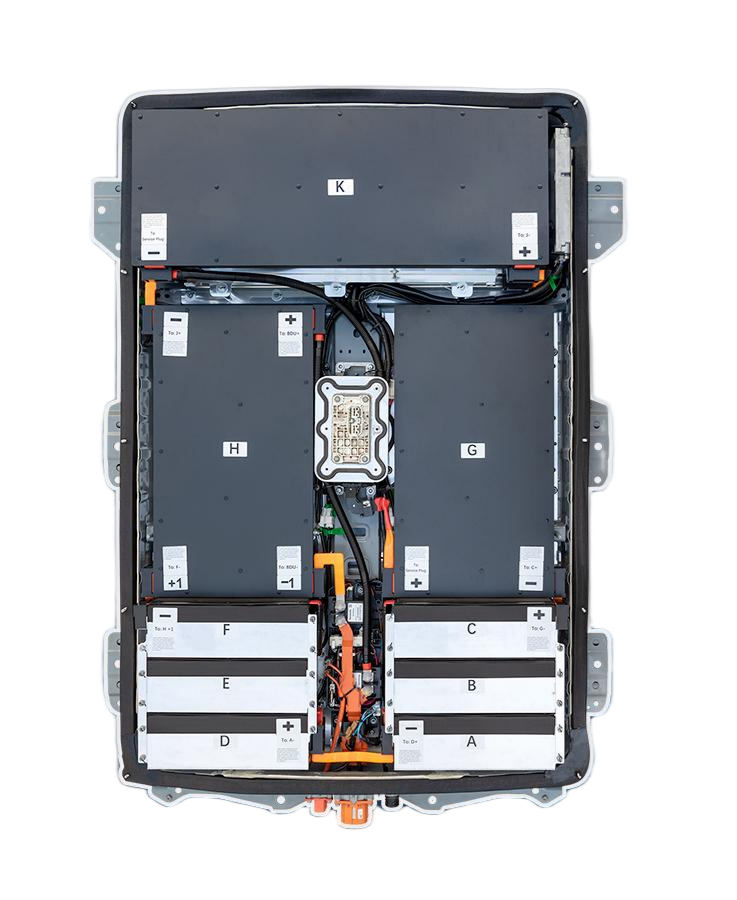
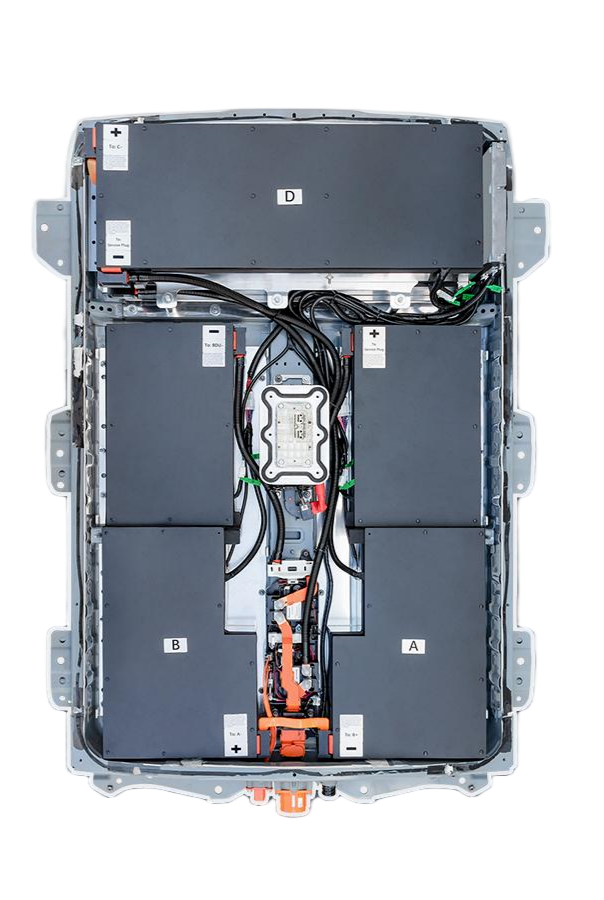
As a professional technician in 2026, you know the uncomfortable truth. In the complex architecture of the BMW i3, there is no standalone, easily swappable “voltage regulator” like in a 1990s sedan. The regulation of voltage is handled by the Battery Management System (BMS) and the internal contactors within the sealed high-voltage battery pack. When these systems fail, or when cell voltages spiral out of control, it is rarely a simple component swap. It is often a symptom of catastrophic cell degradation or internal busbar failure.
Why does the “replace the regulator” myth persist, and what is actually failing?
How do you diagnose whether the issue is electronic (BMS) or chemical (dead cells)?
And when the diagnosis points to a failed pack, how do you turn a $20,000 dealer quote into a profitable, range-extending upgrade for your shop?
At CNS BATTERY, we specialize in helping shops navigate these complex EV failures. We know that chasing a ghost “regulator” part wastes billable hours and frustrates customers. This guide debunks the repair myth, outlines the professional diagnostic path for voltage faults, and reveals why replacing the entire system with a modern upgrade is the only reliable solution.
Debunking the Myth: Where Is the “Regulator”?
In traditional automotive terms, a voltage regulator controls the alternator’s output. In the BMW i3, the “regulation” of the high-voltage battery is distributed:
- The BMS (Battery Management System): A sophisticated computer board integrated into the battery pack that monitors every cell module’s voltage, temperature, and state of charge.
- Internal Contactors: High-voltage relays inside the pack that connect or disconnect the battery from the car.
- Cell Modules: The chemical source of the voltage itself.
The Reality: If the car reports “Voltage Regulation” issues, it usually means:
- Scenario A: The BMS electronics have failed (rare).
- Scenario B: The internal contactors are welded or stuck (common).
- Scenario C: One or more cell modules have failed, causing voltage spikes or drops that the BMS cannot compensate for (Most Common).
There is no $150 part you can buy at AutoZone to fix this. The “regulator” is effectively the brain and heart of the battery pack itself.
Professional Diagnostic Protocol: Finding the Root Cause
Before condemning the pack, follow this rigorous workflow to pinpoint the failure.
Step 1: Advanced Diagnostics (Beyond Basic Codes)
Connect a bidirectional scan tool (BMW ISTA, Autel, or Launch).
- Read Live Data: Do not just look at codes. View the individual cell module voltages.
- The Smoking Gun: Look for Voltage Deviation. If one module reads 3.8V while others read 3.2V, or if a module drops to 0V instantly under load, the issue is chemical cell failure, not an electronic regulator fault. The BMS is simply reporting the chaos caused by dead cells.
Step 2: Contactor Testing
If cell voltages are balanced but the car won’t engage:
- Listen: When turning the car to “Ready,” listen for the distinct click-clack of the main contactors closing inside the pack. Silence indicates stuck or failed contactors.
- Resistance Check: With the pack safely depowered (Service Plug removed, 0V verified), measure resistance across the main terminals. Infinite resistance when contactors should be closed confirms internal relay failure.
Step 3: BMS Communication Check
- Verify if the BMS module is communicating on the CAN bus. If the BMS itself is dead (no communication), the electronics board has failed.
- Note: Even if the BMS board is bad, it is fused to the pack assembly. You cannot simply unplug and replace the board in a standard shop environment without breaking seals and risking safety certifications.
The Hard Truth: Why “Repairing” Is Not an Option
Even if you identify the specific failure (e.g., stuck contactor or fried BMS board), repairing it presents insurmountable hurdles:
- Sealed Unit: The BMS and contactors are inside the laser-welded, IP67-sealed battery casing. Opening it voids all safety ratings.
- High-Voltage Danger: Working inside a live 400V box exposes technicians to lethal arc flash risks.
- Parts Unavailability: BMW does not sell individual BMS boards or contactor assemblies for older i3 models. You would have to cannibalize a used pack, which introduces old, unreliable parts.
- The Underlying Issue: Often, contactors weld shut because of high current from imbalanced cells, or the BMS fails due to heat from degrading cells. Replacing the electronics without fixing the cells guarantees a repeat failure.
The Verdict: If the “voltage regulation” system has failed, the entire battery pack must be replaced. Attempting internal repairs is a liability nightmare with a near-100% comeback rate.
The CNS BATTERY Solution: Replace the System, Not Just the Symptom
When you explain to the customer that the “regulator” is actually the whole battery, they will panic at the dealer’s $20,000 quote. This is your moment to shine. Offer the CNS BATTERY High-Capacity Upgrade.
Why Upgrading Is the Only Smart Move
- Complete System Renewal: You aren’t just fixing a “regulator”; you are installing a brand-new battery with a new BMS, new contactors, and new cells. Every potential point of failure is eliminated.
- Plug-and-Play Installation: Our units are fully assembled and sealed. No risky internal disassembly. Swap the old pack for the new one in 4–6 hours.
- Superior Technology: Our modern BMS is faster, more accurate, and safer than the 10-year-old OEM unit. It prevents the voltage swings that plagued the original pack.
- Double the Range: While solving the voltage fault, you upgrade the customer from a failing 60 Ah or 94 Ah pack to a 120 Ah to 180 Ah system, giving them 130–200+ miles of range.
- Cost Efficiency:
- “Repair” Attempt: $1,500+ (labor + sourcing used parts) + High Risk of Failure.
- Dealership Replacement: $20,000+.
- CNS BATTERY Upgrade: $8,000 – $14,000 USD. You get a brand-new, flawless system with double the range for half the dealer price.
Real Story: From “Regulator Hunt” to “Range King”
“Peak Performance Auto” in Denver spent three days chasing a “voltage regulator” issue on a 2015 i3. They sourced a used BMS from a salvage yard, swapped it, and the car ran for two hours before dying again. The customer was furious.
They called CNS BATTERY. “We explained that the ‘regulator’ failure was actually caused by degraded cells overwhelming the system,” says the lead tech. “We installed a 150 Ah upgrade. The car fired up instantly, zero codes, perfect voltage balance. The customer paid $11,500, got 170 miles of range, and thanked us for finally fixing it instead of guessing. We turned a headache into our best job of the month.”
Stop Chasing Ghost Parts
BMW i3 battery voltage regulator repair is a misnomer. There is no simple fix. The failure of voltage regulation signals a fundamental breakdown of the battery system.
Don’t waste time sourcing unavailable parts or opening sealed高压 boxes. Be the shop that offers the definitive solution: a complete, modern replacement that guarantees reliability and performance.
Diagnosed a voltage regulation fault?
Stop guessing and start solving. Contact CNS BATTERY today for a professional assessment. Discover how our BMW i3 Series Battery upgrades can eliminate voltage faults permanently, providing your customers with a safe, high-range driving experience.
👉 Get Your Voltage Fault Solution & Quote
Frequently Asked Questions (FAQ) for Shops
1. Is there a separate voltage regulator part for the BMW i3 battery?
No. Voltage regulation is handled by the integrated Battery Management System (BMS) and internal contactors within the sealed battery pack. There is no standalone external part to replace.
2. What causes voltage regulation faults in the i3?
The most common cause is cell module degradation. When cells lose capacity or develop high internal resistance, their voltages spike or drop unpredictably, confusing the BMS. Other causes include failed internal contactors or a dead BMS electronics board.
3. Can I repair the BMS or contactors myself?
Technically possible but highly discouraged. These components are inside the sealed high-voltage pack. Accessing them requires breaking factory seals, exposing technicians to lethal voltage, and voiding all safety certifications. Sourcing replacement parts is also nearly impossible. Full pack replacement is the industry standard.
4. How much does it cost to fix a voltage regulation fault?
Attempting to source used parts and repair internally can cost $1,500–$3,000 with no guarantee of success. A dealership replacement costs $20,000+. A CNS BATTERY upgrade costs $8,000–$14,000, providing a brand-new system with double the range and a warranty.
5. Will a CNS BATTERY upgrade fix voltage deviation codes?
Absolutely. Our upgrades come with brand-new, perfectly matched cells and a new BMS. Voltage deviation is eliminated immediately, and the system maintains perfect balance for years.
6. How long does a full battery replacement take?
With our plug-and-play design, a certified technician can swap the entire pack in 4–6 hours, allowing for same-day service.
7. What warranty comes with the upgrade?
Our upgrades include a comprehensive 3–5 Year Warranty, covering the BMS, contactors, cells, and overall performance. This far exceeds any warranty available for used repair parts.