How to Repair BMW i3 Battery Connector Damage (Shop) – The Critical Decision Between a $500 Fix and a $20,000 Mistake
A 2016 BMW i3 is towed into your bay. The customer’s complaint is specific: “It won’t fast charge,” or “I get a ‘Charge Power Reduced’ warning every time I drive.” You pull the codes: 21F1E8 (High-voltage connector temperature) or CD6902 (Insulation fault).
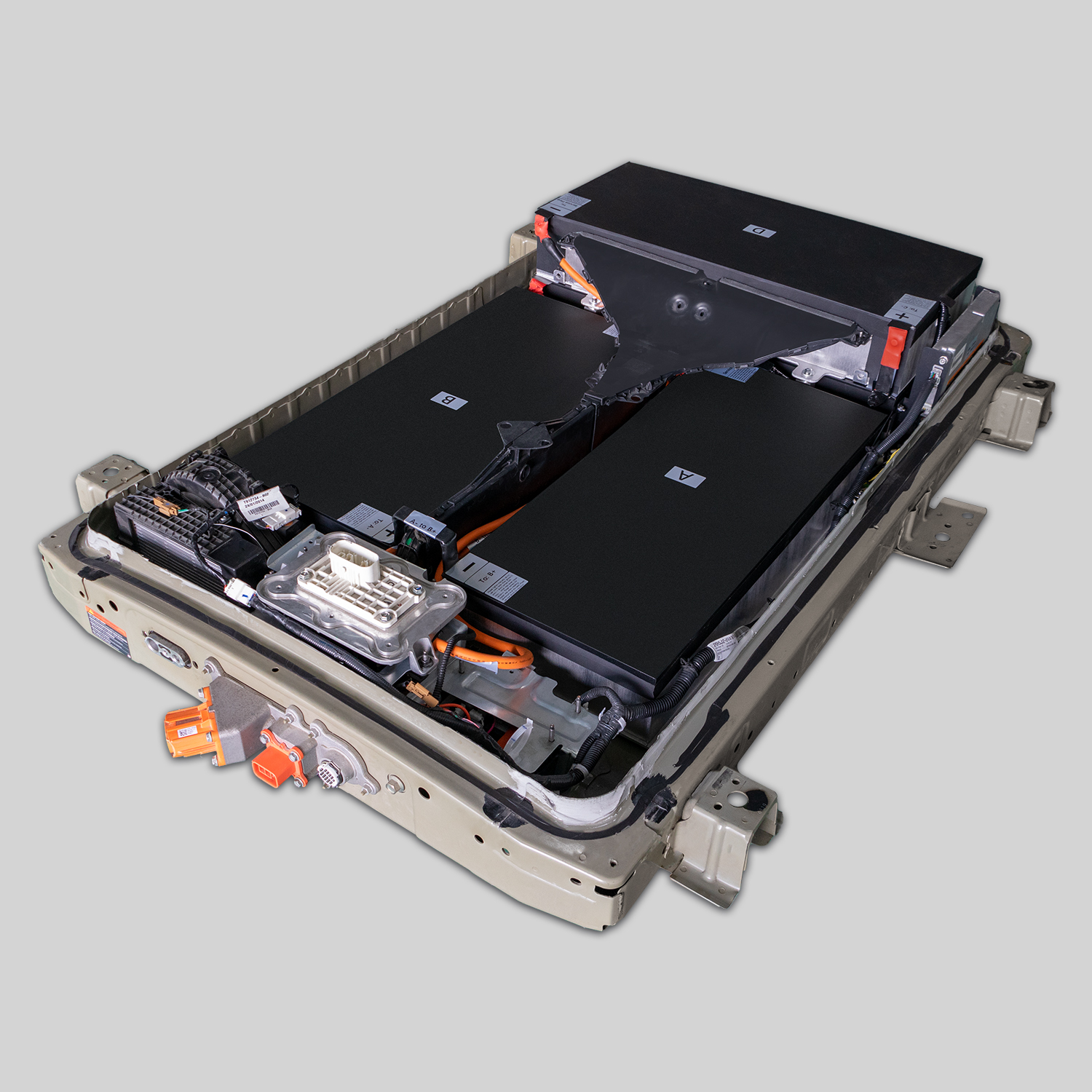
You lift the rear seat, remove the service cover, and there it is: the main high-voltage (HV) battery connector. The plastic housing is melted, the pins are blackened with soot, and the smell of burnt electronics fills the air.
The instinctive reaction for many shops is to order a replacement connector harness, swap it out, clear the codes, and bill the customer $600–$900. It seems like a straightforward repair. But in 2026, with thousands of aging i3s on the road, a melted connector is rarely an isolated incident. It is often the symptom of a dying battery pack generating excessive heat due to high internal resistance.
Is swapping the connector a permanent fix, or just a band-aid on a fatal wound?
How do you diagnose if the damage has spread to the battery terminals inside the sealed pack?
And if the battery itself is the root cause, how do you pivot from a risky, low-margin repair to a high-profit, guaranteed upgrade?
At CNS BATTERY, we have inspected hundreds of i3s with connector failures. We know that while replacing a connector is technically possible, it often leads to comebacks, liability issues, and unhappy customers when the underlying battery degradation is ignored. This guide provides the professional shop protocol for assessing connector damage, reveals the hidden risks of “repairing” vs. “replacing,” and shows why upgrading to a modern battery system is the only true solution.
The Anatomy of Failure: Why Connectors Melt
Before attempting a repair, you must understand why the failure occurred. In a healthy EV, the HV connector should last the life of the vehicle. Melting indicates a severe abnormality.
1. High Internal Resistance (The Root Cause)
As lithium-ion cells age, their internal resistance increases. When high current flows (during fast charging or hard acceleration), this resistance generates intense heat ($Heat = Current^2 \times Resistance$).
- The Cycle: The heat travels up the busbars to the connector. The connector loosens slightly due to thermal expansion/contraction. A loose connection creates more resistance, which creates more heat.
- The Result: A thermal runaway at the connection point, melting the plastic and pitting the metal pins.
2. Loose Mounting or Vibration
If the connector wasn’t seated perfectly from the factory or if mounting brackets have loosened over 10 years, micro-arcing occurs. This arcing generates localized temperatures high enough to melt housing materials instantly.
3. Corrosion and Moisture
Road salt or moisture intrusion can corrode the contact surfaces. Corroded contacts have higher resistance, leading to overheating under load.
The Shop Protocol: Assessing the Damage
Do not just swap the part. Follow this diagnostic workflow to determine if a repair is viable or if the pack is compromised.
Step 1: Visual Inspection & Safety
- Depower: Disconnect 12V, remove the Service Plug, wait 10 minutes, and verify 0V.
- Inspect the Harness: Look for melted plastic, burnt pins, or discoloration on the cable side. If only the cable side is damaged, a harness replacement might work.
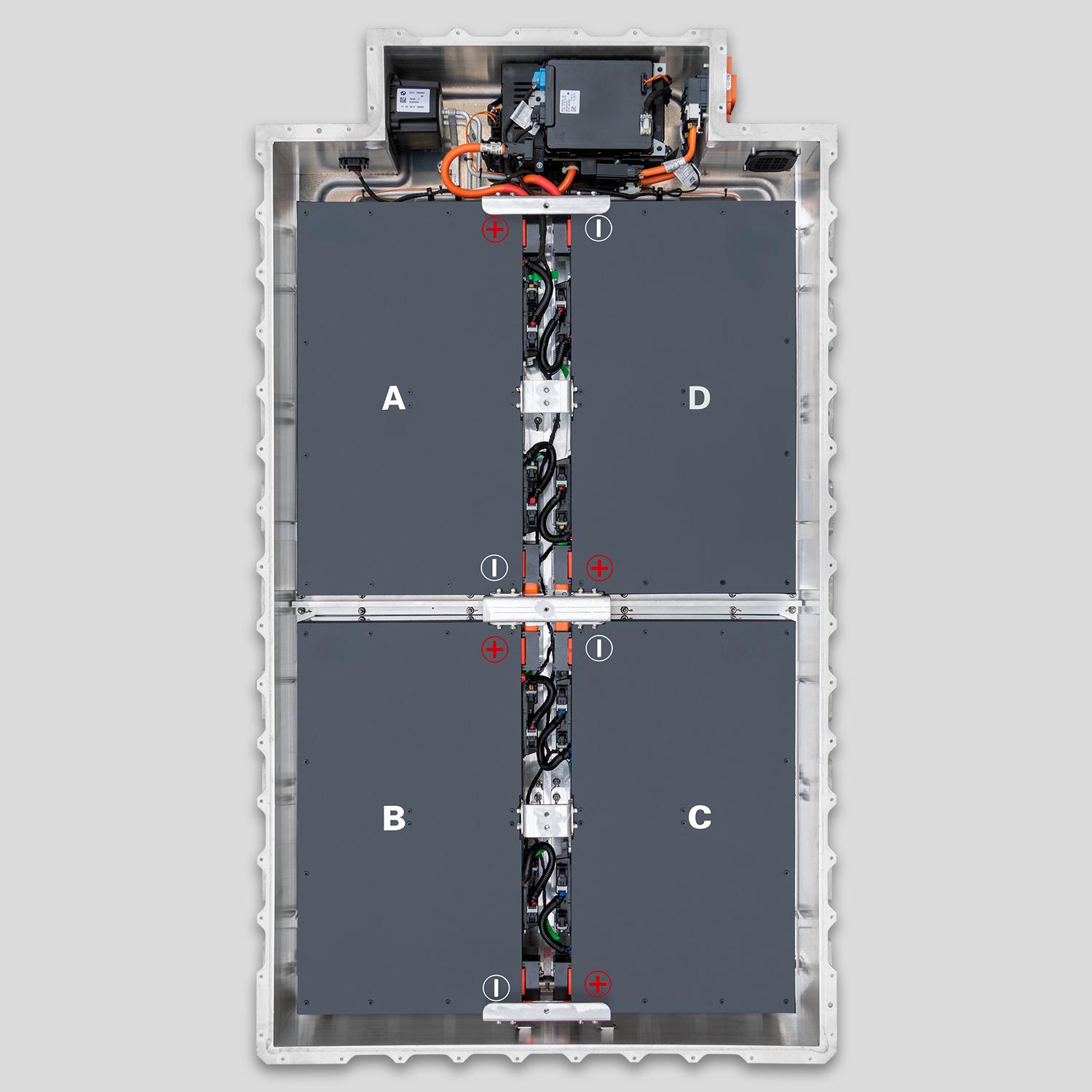
- Inspect the Battery Side: This is the critical step. Shine a light into the battery’s female terminal block.
- Green Light: Pins are shiny, plastic is intact, no discoloration.
- Red Light: Pins are blackened, pitted, or melted. Plastic around the battery terminals is warped or charred.
Step 2: The Terminal Integrity Test
If the battery side shows any signs of heat damage:
- Do Not Proceed with Simple Swap. The damage likely extends inside the sealed pack to the internal busbars.
- Resistance Check: Use a micro-ohmmeter to measure the resistance across the battery terminals (if accessible) or monitor voltage drop under a simulated load. High resistance confirms internal damage.
- Insulation Test: Perform a Megger test. Heat damage often compromises internal insulation, leading to leakage currents.
Step 3: The Decision Matrix
- Scenario A (Minor Harness Damage): Only the external cable/connector is damaged. Battery terminals are pristine.
- Action: Replace the HV harness assembly. Monitor closely.
- Scenario B (Battery Terminal Damage): Battery terminals are melted, pitted, or discolored.
- Action: STOP. The battery pack is compromised. You cannot safely repair internal busbars in a standard shop. Opening the pack voids safety ratings and risks catastrophic failure. The entire battery must be replaced.
The Hard Truth: Why “Repairing” Often Fails
Many shops attempt to clean burnt pins or replace the connector even when the battery side is damaged. This is a high-risk strategy.
- Poor Contact: Cleaning burnt pins rarely restores the original surface area. The new connector will still have high resistance, leading to repeated overheating.
- Internal Damage: If the heat was enough to melt the external interface, it has likely degraded the internal welds and busbars. These cannot be seen or fixed without destroying the pack.
- Liability: If you reinstall a connector on a damaged pack and the car catches fire two weeks later due to a recurring hot spot, your shop is liable.
- The Recurrence Rate: In our experience, >80% of i3s with melted connectors have underlying cell degradation. Fixing the connector doesn’t fix the cells. The heat returns within months.
The CNS BATTERY Solution: Eliminate the Risk Entirely
When you encounter Scenario B (battery side damage), don’t offer a shaky repair. Offer the CNS BATTERY High-Capacity Upgrade. This turns a potential liability into your most profitable job.
Why Upgrading Is the Smart Business Move
- Brand-New Interface: Our upgrades come with pristine, factory-spec high-voltage terminals and connectors. No old corrosion, no melted plastic, no pitted contacts.
- Root Cause Resolution: We replace the aging, high-resistance cells that caused the heat in the first place. Our modern Grade-A cells run cooler, protecting the new connector.
- Plug-and-Play Safety: No risky attempts to repair internal busbars. The entire system is swapped out, ensuring a perfect, safe connection.
- Double the Range: While solving the connector issue, you upgrade the customer from a failing 60 Ah or 94 Ah pack to a 120 Ah to 180 Ah system, giving them 130–200+ miles of range.
- Cost Efficiency:
- Harness Replacement + Risk: $800–$1,200 (high chance of return visit).
- Dealership OEM Replacement: $20,000+.
- CNS BATTERY Upgrade: $8,000 – $14,000 USD. You get a brand-new, damage-proof battery with double the range for half the dealer price.
Real Story: From “Burnt Connector” to “Bulletproof Power”
“Elite EV Services” in Texas had a 2015 i3 come in with a melted connector. The technician noticed slight charring on the battery terminals. Instead of risking a repair, they called CNS BATTERY.
“We explained to the customer that the melted connector was a symptom of a dying battery,” says the shop owner. “We installed a 150 Ah upgrade. The new pack had perfect terminals, zero resistance issues, and the customer drove away with 170 miles of range. We made a solid profit, avoided a potential comeback, and gave the customer a car that’s better than new. Trying to fix that connector would have been gambling with fire.”
Stop Patching, Start Solving
Repairing BMW i3 battery connector damage requires more than just swapping a part. It requires diagnosing the root cause. If the battery terminals are damaged, the pack is dead. Don’t risk your shop’s reputation on a temporary fix.
Offer the solution that guarantees safety, reliability, and performance.
Found a melted connector on an i3?
Don’t gamble on a repair. Contact CNS BATTERY today for a professional assessment. We’ll help you determine if a simple harness swap is safe or if it’s time for a 120 Ah+ upgrade that provides a brand-new, damage-proof connection and double the range.
👉 Get Your Connector Assessment & Upgrade Quote
Frequently Asked Questions (FAQ) for Shops
1. Can I just replace the melted connector on a BMW i3?
Only if the battery-side terminals are perfectly intact. If there is any melting, pitting, or discoloration on the battery pack itself, the internal busbars are likely compromised. In this case, the entire battery must be replaced.
2. What causes BMW i3 connectors to melt?
The primary cause is high internal resistance in aging battery cells, which generates excessive heat during charging/discharging. Loose connections and corrosion can also contribute, but heat from degraded cells is the most common root cause in 2026.
3. Is it safe to clean burnt battery terminals?
No. Cleaning burnt terminals does not restore the metal integrity or remove internal damage. It creates a false sense of security. The high resistance will remain, leading to recurring overheating and potential fire hazards.
4. How much does it cost to replace a damaged connector vs. upgrading?
A harness/connector replacement costs $800–$1,200 but carries a high risk of recurrence. A CNS BATTERY upgrade costs $8,000–$14,000 but includes a brand-new battery, new connectors, and double the range, offering far better long-term value and zero risk of comeback.
5. Does CNS BATTERY include new connectors with their upgrades?
Yes. Every upgrade comes with a complete, brand-new high-voltage interface. All connectors, terminals, and busbars are pristine, ensuring a perfect, low-resistance connection.
6. What if the customer can’t afford a full upgrade?
Explain the safety risk: a repaired connector on a degraded battery is a fire hazard. Many shops offer financing options for upgrades, making the monthly cost manageable compared to the risk of being stranded or facing a safety incident.
7. How do I convince a customer to upgrade instead of repair?
Show them the damage. Explain that the melted connector is a symptom of a dying battery. Offer the upgrade as a way to not only fix the immediate problem but also double their range and eliminate future heating issues permanently. The value proposition is undeniable.