BMW i3 Battery Module Replacement: Step-by-Step Shop Guide – The Truth About “Repairing” vs. Upgrading
You have a 2015 BMW i3 on the lift. The customer is desperate; their range has plummeted to 25 miles, and the dealer quoted $20,000 for a replacement. They are begging you to “just fix the bad cells.” You pull up the diagnostic codes: Cell Module Voltage Deviation. The logic seems sound: identify the weak module, swap it out, save the customer thousands, and keep the car on the road.
But as a professional shop in 2026, you know the dark reality of BMW i3 battery module replacement. It’s not just about unbolting a brick and swapping it. It’s a minefield of high-voltage risks, impossible part sourcing, and BMS calibration nightmares that often turn a “simple repair” into a shop liability nightmare.
Is module-level repair actually viable for aging i3 packs, or is it a financial trap?
Where do you even source matching modules in 2026?
And if the repair path is fraught with failure, what is the profitable, reliable alternative that saves the customer and boosts your bottom line?
At CNS BATTERY, we work with hundreds of independent shops to navigate these exact dilemmas. We know the step-by-step theory of module replacement, but we also know why complete system upgrades are becoming the industry standard for smart shops. This guide walks you through the theoretical repair process, exposes its critical flaws, and reveals why pivoting to a plug-and-play upgrade is the safest, most profitable move you can make.
The Theoretical Process: How Module Replacement Should Work
If everything goes perfectly, here is the step-by-step procedure for replacing a single faulty module in a BMW i3 battery pack.
Phase 1: Safety & Depower
- PPE Up: Don Class 00 (1000V) insulated gloves, face shield, and arc-rated clothing.
- 12V Disconnect: Remove the negative terminal of the 12V auxiliary battery.
- Service Plug Removal: Locate and remove the manual service disconnect (MSD) under the rear seat.
- Wait & Verify: Wait 10 minutes for capacitor discharge. Verify 0 Volts at the main busbars using a CAT III multimeter.
Phase 2: Pack Disassembly
- Drain Coolant: The i3 battery is liquid-cooled. You must safely drain the specialized low-conductivity coolant into approved hazardous waste containers.
- Remove Cover: Unbolt the lower casing (often requiring torque-to-yield bolt replacement).
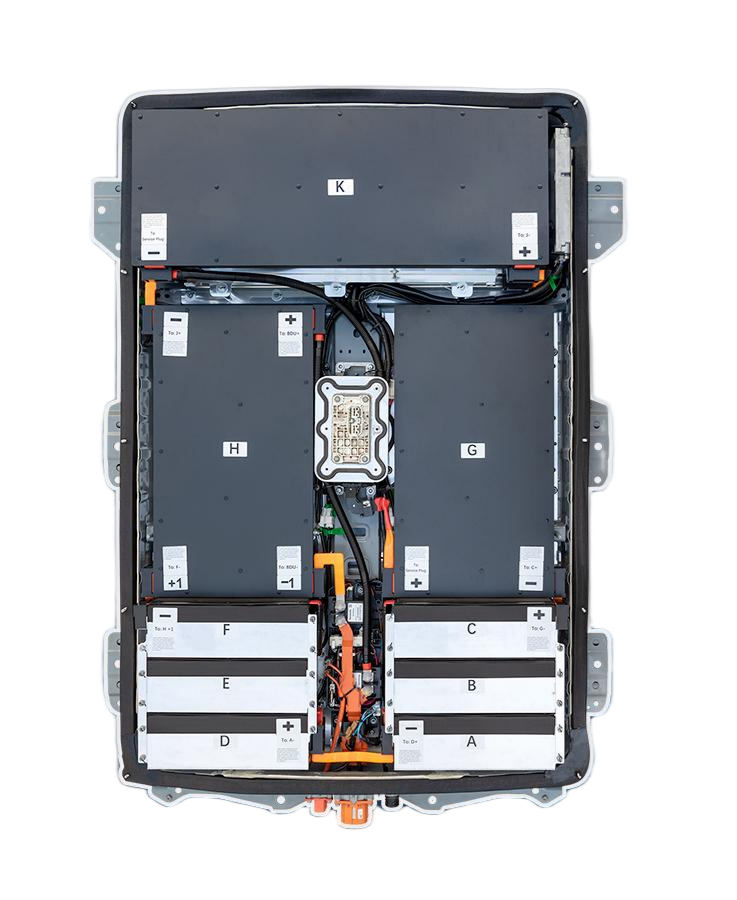
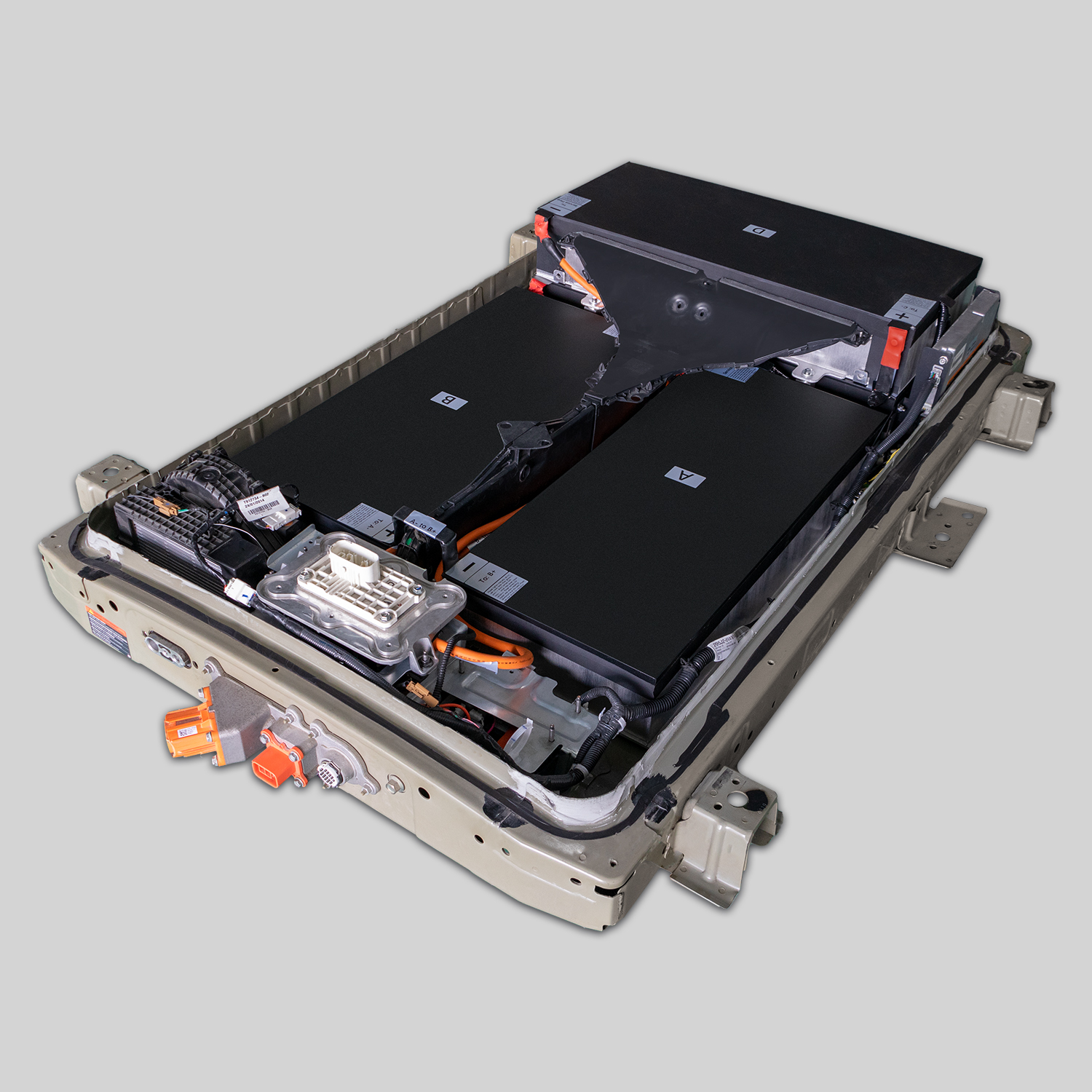
- Access Modules: Remove the busbars and sensing harnesses connecting the modules. This requires extreme care; damaging a sensor wire can brick the whole pack.
Phase 3: The Swap
- Identify the Bad Module: Use cell voltage data to pinpoint the specific module (e.g., Module #42).
- Remove Old Module: Unbolt and extract the faulty unit.
- Install Replacement: Insert the “new” module.
- The Catch: In 2026, “new” means used/salvaged. You must find a module from a wrecked i3 with matching capacity, internal resistance, and manufacturing date. Good luck.
- Reconnect: Reinstall busbars and sensors with precise torque specs.
Phase 4: Recalibration & Refill
- Vacuum Fill: Refill the cooling system under a vacuum to prevent air pockets (critical!).
- BMS Reset: Use BMW ISTA to reset the battery management system, teach-in the new module, and perform a full balancing cycle.
- Test: Monitor cell voltages under load to ensure the new module behaves like the old ones.
The Reality Check: Why This Process Fails in 2026
While the steps above look clean on paper, the real-world execution is where shops lose money and reputation.
1. The Sourcing Nightmare
BMW stopped producing individual modules years ago. Your only source is salvage yards.
- Mismatched History: A salvaged module might have 5,000 cycles while your pack has 8,000. The internal resistance won’t match.
- The Result: The BMS detects the imbalance immediately. The “new” module charges/discharges at a different rate, causing the deviation code to return within days. You’ve wasted 10 hours of labor for a temporary fix.
2. The Calibration Trap
Even if you find a matching module, the BMS calibration is fragile.
- Teach-In Failures: The i3 BMS is notoriously stubborn about accepting mixed modules. Often, it refuses to balance properly, leaving the pack capped at reduced capacity.
- Sensor Risks: During disassembly, it’s easy to damage the fragile voltage sensing wires. One broken wire means the whole pack is unreadable.
3. The Liability Time Bomb
- Coolant Leaks: Breaking the factory seal to open the pack introduces a high risk of future coolant leaks. If a leak causes a short circuit two months later, your shop is liable.
- Thermal Runaway: Mixing old and “less old” cells creates hot spots. You are essentially building a Franken-battery that is less stable than the original.
The Verdict: Module replacement is a high-labor, low-success, high-liability service. It rarely solves the root problem: the entire pack is old and degraded.
The CNS BATTERY Solution: The Profitable Pivot to Upgrades
Stop gambling your shop’s reputation on scavenged parts. In 2026, the smartest shops aren’t repairing old packs; they are replacing them with CNS BATTERY High-Capacity Upgrades.
Instead of spending 10-12 hours fighting with old bolts and mismatched cells, you install a brand-new, fully assembled system in half the time.
Why Shops Are Switching to Upgrades
- Zero Sourcing Headaches: No hunting for salvage modules. Our 120 Ah to 180 Ah packs arrive ready to install.
- Plug-and-Play Simplicity: Direct bolt-in replacement. No internal disassembly, no risky busbar work, no complex module teach-in procedures.
- Dramatically Lower Labor: Complete swap takes 4-6 hours vs. 10+ hours for a module repair. You turn bays faster and bill more efficiently.
- Guaranteed Success: Brand-new Grade-A cells mean zero cell deviation, perfect balance, and no comebacks.
- Higher Revenue: Charge $8,000–$14,000 (parts + labor) for a transformative upgrade that gives the customer 130–200+ miles of range. Compare that to the $1,500-$2,500 ceiling of a risky module repair.
- Warranty Confidence: Backed by our 3–5 Year Warranty, you sleep easy knowing the product won’t fail.
Real Story: From “Repair Regret” to “Upgrade Glory”
“GreenLight Auto” in Florida tried module replacement on a 2016 i3 last year. They spent 14 hours sourcing and installing a used module. The customer paid $2,200. Three weeks later, the car returned with worse range and new fault codes. The shop had to refund the labor and absorb the cost. “It was a disaster,” says the owner. “We lost money and the customer’s trust.”
This month, they partnered with CNS BATTERY. “We installed a 150 Ah upgrade,” the owner reports. “Took us 5 hours. Customer paid $11,000, got 170 miles of range, and left with a 4-year warranty. No comebacks, no sourcing stress. We made 5x the profit in half the time. We never touch individual modules again.”
Stop Repairing the Past, Upgrade the Future
The BMW i3 battery module replacement guide might exist in manuals, but in the real world of 2026, it’s a relic. The risks, costs, and failure rates make it an unsustainable business model.
Be the shop that offers solutions, not band-aids. Be the shop that turns a dying EV into a brand-new experience.
Ready to transform your EV service department?
Ditch the salvage hunt and the repair headaches. Contact CNS BATTERY today to become a certified partner. Get access to wholesale pricing, installation training, and marketing support, and start offering the most profitable, reliable battery solution in the industry.
👉 Become a Certified Upgrade Partner Today
Frequently Asked Questions (FAQ) for Shops
1. Is it worth repairing individual modules in a BMW i3?
Rarely. Due to the scarcity of matching used modules, high labor costs, and high risk of BMS imbalance recurrence, module repair is generally not profitable or reliable. Complete pack replacement is the recommended professional standard.
2. Where can I buy replacement modules for the i3?
There are no new OEM modules available. You must source used modules from salvage vehicles, which carry unknown history and mismatched characteristics, leading to frequent repair failures.
3. How long does a full battery upgrade take compared to a module swap?
A CNS BATTERY full upgrade takes 4-6 hours. A module swap involving disassembly, sourcing, and recalibration typically takes 10-15 hours with no guarantee of success.
4. Do I need special coding tools for a CNS BATTERY upgrade?
No. Our upgrades are plug-and-play. The vehicle recognizes the new pack automatically without complex coding or module teach-in procedures required for mixed-module repairs.
5. What is the profit margin on upgrades vs. repairs?
Upgrades offer significantly higher margins. You secure an $8,000–$14,000 ticket with lower labor hours and zero sourcing costs. Repairs cap out at ~$2,500 with high labor and high risk of unpaid comebacks.
6. Can I offer a warranty on module repairs?
It is difficult to offer a meaningful warranty on used modules. With CNS BATTERY, you pass through a robust 3–5 Year Warranty, giving your customers confidence and protecting your shop from liability.
7. What happens to the old battery pack?
As a partner, we can assist with logistics for recycling the old core according to environmental regulations, ensuring your shop remains compliant and hassle-free.