BMW i3 Battery Range Loss: Air Conditioning Impact – Is Your Comfort Killing Your Miles?
You slide into your BMW i3 on a scorching summer afternoon. The interior is an oven. You crank the Air Conditioning (A/C) to “Max,” enjoying the instant blast of cold air. But as you merge onto the highway, you notice something unsettling: your range estimator drops not just from driving, but seemingly from the A/C alone.
Suddenly, that 80-mile trip feels risky. You start doing the math: If I keep the A/C on, will I make it? Should I roll down the windows and sweat to save miles? Is my battery losing capacity, or is the climate control just that hungry?
For BMW i3 owners, especially those with aging batteries, the Air Conditioning impact on range is a daily source of anxiety. In a gas car, running the A/C is negligible. In an EV with a degraded pack, it can feel like the difference between making it home and calling a tow truck.
How many miles does the A/C actually cost you?
Is it better to suffer in the heat or risk running out of power?
And if your battery is so sensitive that a little cool air threatens your mobility, is it time for a permanent solution?
At CNS BATTERY, we understand the delicate balance between comfort and capacity. We know that while the A/C does consume energy, the panic it causes in owners of older i3s is often a symptom of a deeper issue: battery degradation. This guide breaks down the real energy cost of your climate control, debunks common myths about saving range, and reveals why upgrading to a modern high-capacity system is the only way to enjoy your car without fear.
The Energy Math: How Much Range Does A/C Really Cost?
The BMW i3 uses an electric compressor for its A/C, drawing power directly from the high-voltage battery. Unlike a gas car where the engine drives the compressor belt, every watt used by the i3’s A/C comes straight from your limited storage.
The Consumption Numbers
- Moderate Use: On a mild day (75°F/24°C), running the A/C at a comfortable setting consumes roughly 1–1.5 kW.
- Range Impact: Approximately 3–5 miles of range per hour of driving.
- Max Cooling: On a hot day (95°F+/35°C+) with “Max A/C” engaged, consumption can spike to 2.5–3.5 kW initially to cool the cabin, settling to ~2 kW once stable.
- Range Impact: Approximately 6–9 miles of range per hour.
- Pre-Conditioning: Using the app to cool the car while plugged in uses grid power, saving your battery for driving. This is the single most effective way to mitigate range loss.
The Verdict
For a healthy i3 with 100+ miles of range, losing 5-8 miles to A/C is manageable. It’s the price of comfort.
But for an i3 with a degraded battery showing only 40-50 miles of range, losing 8 miles represents 15-20% of your total tank. That is not just a cost; it’s a crisis.
The Myth of “Windows Down” vs. A/C
A common piece of advice for EV owners trying to save range is: “Turn off the A/C and roll down the windows.”
Physics says otherwise.
- Aerodynamic Drag: The BMW i3 is designed with specific aerodynamics to maximize efficiency. At speeds above 45-50 mph (70-80 km/h), open windows create significant turbulent drag.
- The Tipping Point: Studies show that above 50 mph, the energy required to overcome the drag of open windows exceeds the energy used by the A/C compressor.
- The Result: If you are highway driving with windows down to “save” battery, you are likely wasting more energy than if you had just turned on the A/C and closed the glass. Plus, the noise and wind buffeting make for a miserable drive.
The Smart Strategy:
- City Driving (<40 mph): Windows down is fine and saves energy.
- Highway Driving (>50 mph): Keep windows up and use moderate A/C. It’s more efficient and safer.
The Real Problem: It’s Not the A/C, It’s Your Battery
Here is the hard truth that manufacturers won’t tell you: If turning on the A/C causes you genuine range anxiety, your battery is already critically degraded.
A brand-new or healthy i3 battery has enough capacity buffer to handle climate control without stress. The fact that you are forced to choose between sweating and stranding yourself indicates that your usable capacity has shrunk dangerously low.
- The Degradation Spiral: As cells age, their internal resistance increases. This means the battery generates more heat internally while powering the A/C. The thermal management system then has to work harder to cool both the cabin AND the battery itself, creating a double drain on your shrinking energy reserves.
- The False Culprit: Blaming the A/C is like blaming a lightbulb for draining a dying flashlight battery. The bulb isn’t the problem; the battery is.
The CNS BATTERY Solution: Upgrade to Abundance
Why live in fear of your own climate control system? Why suffer through summers in a hot car or winters without heat just to preserve a few miles?
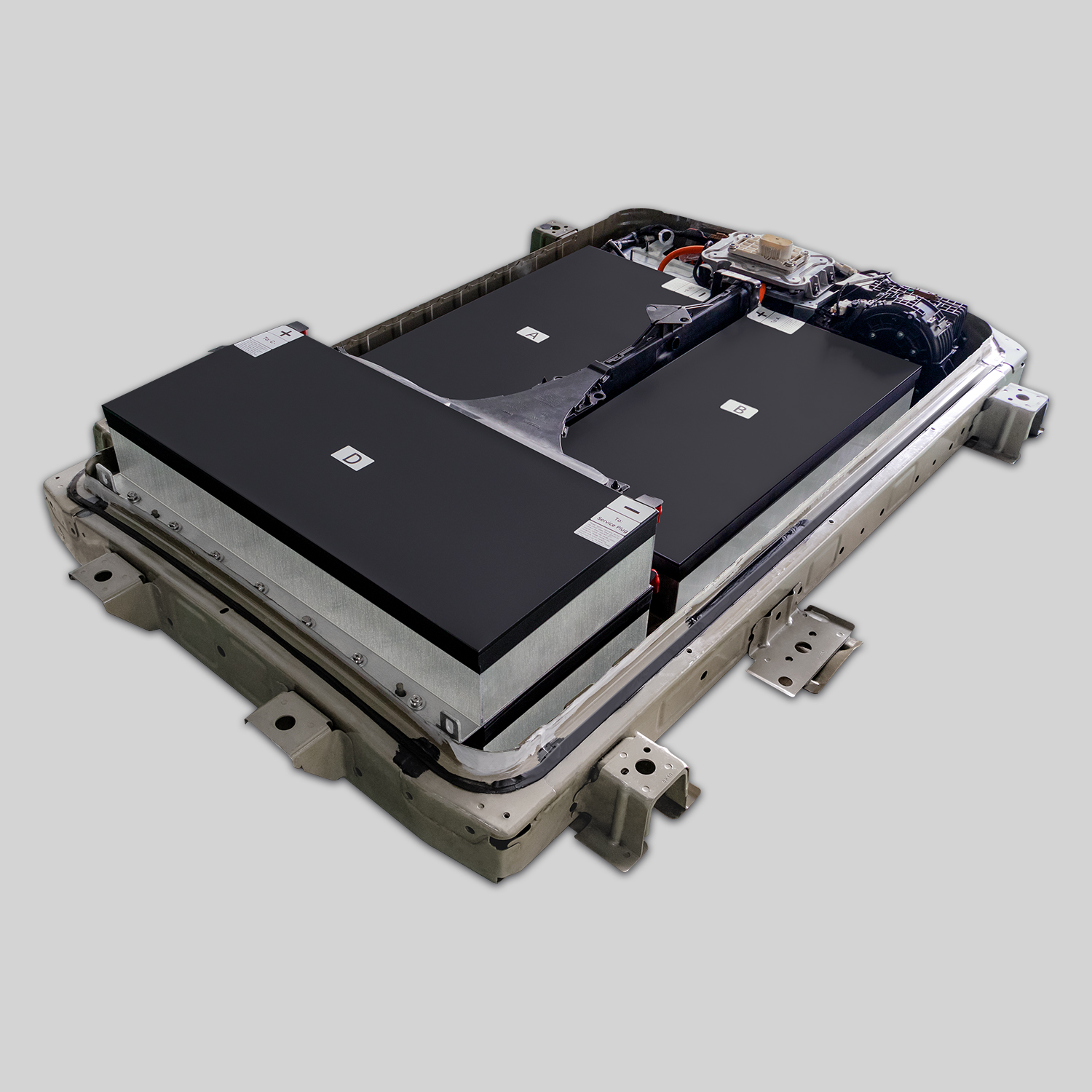
At CNS BATTERY, we solve the root cause. We replace your degraded, anxiety-inducing pack with a brand-new, high-capacity system that makes the A/C impact irrelevant.
Why Upgrading Eliminates Climate Anxiety
- Massive Capacity Buffer: Our 120 Ah to 180 Ah upgrades provide 130–200+ miles of range. Losing 8 miles to A/C now represents less than 5% of your total range. You can run the A/C all day without a second thought.
- Efficient Thermal Management: Our modern Grade-A cells generate less internal heat and work more efficiently with the car’s cooling system, reducing the overall energy load compared to your old, resistant cells.
- Pre-Conditioning Freedom: With a larger battery, even if you forget to pre-condition while plugged in, you have plenty of reserve to cool the cabin manually without panic.
- Year-Round Comfort: Enjoy heated seats, steering wheels, and strong A/C in any season. Drive the car you bought for fun, not a compromised vessel you’re afraid to use.
- Cost Efficiency:
- Suffering/Limiting Use: $0 upfront, but zero quality of life.
- Dealership OEM Replacement: $18,000–$22,000 USD.
- CNS BATTERY Upgrade: $8,000 – $14,000 USD. You get double the range, modern reliability, and the freedom to use every feature of your car for half the dealer price.
Real Story: From “Sweating in Silence” to “Cool Confidence”
Meet James, a 2015 i3 owner. Last summer, his range dropped to 38 miles. He was terrified to turn on the A/C. “I drove to work sweating profusely with windows down, only to arrive with 2 miles of buffer,” James recalls. “It wasn’t driving an EV; it was surviving one. I started avoiding trips altogether.”
James contacted CNS BATTERY. We installed a 160 Ah upgrade. “Now I have 190 miles of range,” James says. “I keep the A/C on ‘Auto’ year-round. I pre-condition the car every morning while it’s plugged in, and I still have massive range left. I forgot what it felt like to not worry about the climate control. The upgrade didn’t just give me miles; it gave me my comfort back.”
Stop Letting the Thermostat Dictate Your Life
The BMW i3 battery range loss caused by Air Conditioning is only a crisis if your battery is too small to handle it. Don’t let a degraded pack force you to choose between comfort and mobility.
Upgrade to a system that offers abundance. Reclaim your car’s full potential and drive in perfect comfort, regardless of the weather outside.
Dreading the next heatwave with your current range?
Stop sacrificing your comfort. Contact CNS BATTERY today for a professional State of Health diagnostic. Discover how our BMW i3 Series Battery upgrades can give you 130–200+ miles of range, making the A/C impact insignificant and your driving enjoyable again.
👉 Get Your Range & Comfort Restoration Quote
Frequently Asked Questions (FAQ)
1. How much range does the A/C actually use in a BMW i3?
On average, running the A/C consumes 3–8 miles of range per hour, depending on outside temperature and fan settings. While noticeable, this should not cause anxiety in a vehicle with a healthy battery capacity.
2. Is it more efficient to roll down windows or use A/C?
At speeds below 45 mph, rolling down windows is slightly more efficient. However, at highway speeds (50+ mph), the aerodynamic drag from open windows consumes more energy than running the A/C. For highway driving, keep windows up and use moderate A/C.
3. Why does my range drop so drastically when I use the A/C?
If the drop feels catastrophic (e.g., losing 20% of your range quickly), it is likely a sign of severe battery degradation. A healthy battery has enough buffer to absorb the A/C load easily. Your usable capacity may be critically low, making normal accessories feel like huge drains.
4. Can pre-conditioning help save range?
Yes! Pre-conditioning your car while it is still plugged into the charger uses grid electricity to cool or heat the cabin before you drive. This preserves your battery’s charge for actual driving, effectively eliminating the range penalty of climate control.
5. Will a CNS BATTERY upgrade help with A/C efficiency?
Indirectly, yes. Our upgrades provide double or triple the range (130–200+ miles). While the A/C uses the same amount of energy, that usage becomes a tiny fraction of your total capacity, eliminating range anxiety. Additionally, our modern cells manage heat more efficiently, reducing the load on the thermal system.
6. Should I avoid using the A/C to preserve my old battery?
Avoiding the A/C won’t restore lost capacity. It only masks the symptom of a dying battery. If you are afraid to use basic features, your battery needs replacement. Upgrading allows you to use the car as intended without compromise.
7. How much does it cost to upgrade vs. living with limited range?
Living with limited range costs you comfort and mobility. A CNS BATTERY upgrade costs $8,000–$14,000 USD, providing a brand-new, high-capacity battery that lets you use the A/C, heater, and all features freely, offering the best long-term value.