
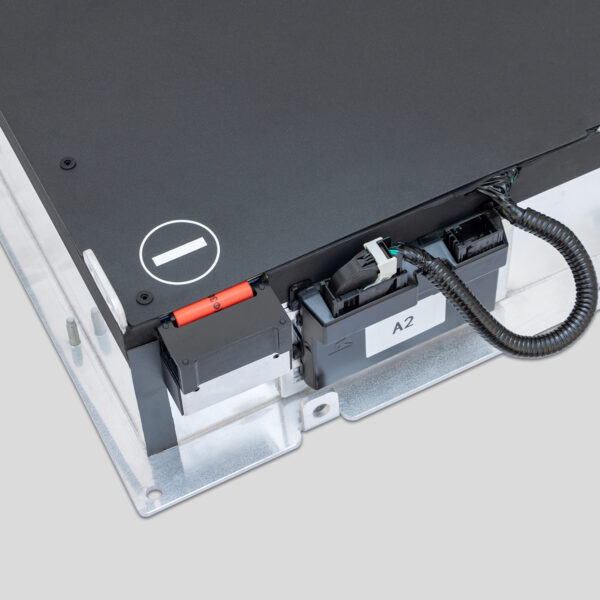
BMW i3 High Voltage Cable Replacement Cost: The $2,000 Repair That Could Save Your $20,000 Battery
You are driving your BMW i3 when suddenly the dashboard lights up with a terrifying warning: “Drivetrain Malfunction” or “High Voltage System Deactivated.” The car loses power, coasting to a stop. You manage to get it home, but the next day, it won’t start.
A local mechanic lifts the car and points to the thick orange cables running from the battery pack. “The insulation is cracked,” they say. “There are scorch marks on the connector. The high voltage cable needs replacement.”
Then comes the quote: $1,500 to $2,500.
Your stomach drops. Is this worth it? If the cable is damaged, is my battery safe? Or is this just the first domino in a cascade of failures that will cost me $20,000?
The BMW i3 high voltage cable is the lifeline of your electric vehicle. It carries up to 400 volts of electricity from the battery to the motor. When it fails, it’s not just an inconvenience; it’s a critical safety hazard that can lead to fires, electrical shocks, or total battery destruction.
At CNS BATTERY, we have seen too many owners ignore damaged cables only to face catastrophic battery failure months later. We know that while replacing a cable is a significant repair, it is often a vital investment to protect your most expensive asset. This guide breaks down the real replacement costs, explains why these cables fail, and reveals how upgrading your entire battery system can sometimes be a smarter financial move than patching a dying drivetrain.
Why HV Cables Fail: The Silent Degradation
High voltage cables are built to last, but they are not immortal. In the harsh environment under an i3, several factors contribute to their premature failure:
1. Thermal Cycling & Heat Damage
The cable connects directly to the battery and motor, both of which generate heat. Over years of charging and driving, the constant expansion and contraction can cause the rubber insulation to become brittle and crack. Once cracked, moisture and road salt seep in, corroding the copper conductors inside.
2. Physical Abrasion & Road Debris
Located underneath the car, the orange cables are exposed to flying rocks, speed bumps, and road debris. A small nick in the outer sheath can expose the inner shielding, leading to isolation faults where electricity leaks to the chassis.
3. Connector Corrosion
The heavy-duty plugs at either end of the cable are susceptible to water intrusion if seals fail. Corrosion builds up on the contacts, increasing electrical resistance. This resistance generates intense heat during high-current flow (like fast acceleration or DC charging), eventually melting the plastic connector housing—a phenomenon known as “thermal runaway at the contact point.”
4. Rodent Damage
Sadly, mice and rats love chewing on the soy-based insulation often used in automotive wiring. A single night of nesting can sever a high voltage line or strip away critical protection.
The Real Cost Breakdown: What to Expect in 2026
Replacing a BMW i3 high voltage cable is not a simple swap. It requires certified high-voltage technicians, specialized tools, and strict safety protocols. Here is a realistic cost breakdown:
| Component | Estimated Cost (USD) | Notes |
|---|---|---|
| OEM Cable Assembly | $800 – $1,200 | Genuine BMW part. Aftermarket options may be cheaper ($500) but carry quality risks. |
| Labor | $600 – $1,000 | Requires 2-3 hours of certified HV technician time ($200-$300/hr). Includes safety discharge, removal, installation, and testing. |
| Diagnostic & Testing | $150 – $250 | Isolation testing, resistance checks, and system calibration to ensure no leaks or faults remain. |
| Coolant Flush (If needed) | $200 – $400 | If the cable runs near cooling lines or if the leak caused contamination, a flush may be required. |
| Total Estimated Cost | $1,750 – $2,850 | Varies by region and shop rates. |
⚠️ Warning: If the damaged cable has already caused heat damage to the battery terminals or the motor interface, the repair cost can skyrocket. Replacing melted battery terminals can add another $1,000–$2,000, and if the battery cells themselves were cooked by the heat, you are looking at a full $20,000 battery replacement.
The Hidden Risk: When a Cable Swap Isn’t Enough
Many owners make the mistake of thinking, “Just replace the cable, and I’m good.” But a damaged cable is often a symptom, not just the problem.
- The Root Cause: Why did the cable fail? Was it old age? Or was it because the battery pack was overheating, pushing excessive current through the line?
- The Collateral Damage: If the cable melted due to high resistance, the heat likely traveled back into the battery pack, damaging the internal busbars or cell modules. Simply putting a new cable on a heat-damaged battery is a recipe for repeat failure.
- The Aging Reality: If your cable is cracking due to age, your battery pack is likely the same age (8-10 years old). It may be nearing the end of its life anyway. Spending $2,500 to connect a dying battery might not be the best long-term investment.
The CNS BATTERY Solution: Upgrade Instead of Patch
If your high voltage cable has failed, you are at a crossroads. You can pay ~$2,500 to restore your car to its original, aging state. Or, you can use this opportunity to upgrade to a modern, high-capacity system that eliminates the risk of future cable failures and doubles your range.
At CNS BATTERY, our BMW i3 Series Battery upgrades include brand-new, factory-spec high voltage cabling and connectors as part of the package.
Why Upgrading Is Smarter Than Repairing
- Brand-New HV Components: Our upgrade includes pristine, high-quality cables and connectors. No cracks, no corrosion, no prior heat damage.
- Perfect Compatibility: Our cables are engineered to match the new battery’s output perfectly, ensuring zero resistance and maximum efficiency.
- Eliminate Root Causes: If your old cable failed due to heat from a degrading battery, our new, efficient cells generate less heat, protecting the new cables for years to come.
- Double the Range: While fixing the cable issue, you upgrade from a failing 60 Ah or 94 Ah pack to a 120 Ah equivalent, giving you 130+ miles of range.
- Cost Efficiency:
- Cable Repair + Potential Terminal Fix: $2,500 – $4,000 (and you still have an old battery).
- Dealership OEM Battery Replacement: $20,000+.
- CNS BATTERY Upgrade: $8,000 – $12,000 USD. You get a brand-new battery, new HV cables, new connectors, and double the range for half the dealer price.
Real Story: From “Melted Connector” to “Cool & Powerful”
Meet David, a 2015 i3 owner. His car died suddenly, and the diagnosis was a melted high voltage connector due to corrosion. The shop quoted $2,200 to replace the cable and clean the terminals. But they warned him the battery pack showed signs of heat stress and might fail soon.
David contacted CNS BATTERY. We explained that repairing the cable on a heat-stressed battery was a gamble. We installed a 120 Ah upgrade. “They replaced the battery, installed brand-new cables, and checked every connection,” David says. “Now I have 135 miles of range, and the new cables stay cool even after fast charging. I didn’t just fix the break; I future-proofed the whole car. It was the best money I ever spent.”
Don’t Gamble With High Voltage
A failed BMW i3 high voltage cable is a serious safety issue. Ignoring it risks fire, shock, and total battery loss. While replacing the cable is necessary, consider the health of the entire system before writing the check.
If your battery is aging, don’t throw good money after bad. Upgrade to a solution that guarantees safety, reliability, and incredible range.
Is your BMW i3 showing HV cable faults or melt damage?
Stop risking a catastrophe. Contact CNS BATTERY today for a professional high-voltage system inspection. We’ll assess your cable and battery health and show you how our BMW i3 Series Battery upgrades can provide a safe, permanent solution with double the range.
👉 Get Your HV Cable & Battery Assessment
Frequently Asked Questions (FAQ)
1. How much does it cost to replace a BMW i3 high voltage cable?
A professional replacement typically costs between $1,750 and $2,850 USD, including the OEM part, certified labor, and diagnostic testing. Costs can rise if the battery terminals or motor interface are also damaged.
2. Can I drive my i3 with a damaged HV cable?
Absolutely NOT. A damaged high voltage cable poses severe risks of electrical shock, fire, and sudden power loss. The vehicle should be towed immediately to a certified specialist. Do not attempt to drive it.
3. What causes the HV cable to melt or fail?
Common causes include corrosion at the connectors (increasing resistance), physical damage from road debris, brittle insulation due to age/heat, and rodent chewing. Overheating from a failing battery can also melt the cable ends.
4. Will replacing the cable fix my battery issues?
Only if the battery itself is healthy. If the cable failure was caused by excessive heat from a degrading battery, simply replacing the cable won’t fix the underlying cell damage. The battery may fail again soon. A full diagnostic is essential.
5. Does CNS BATTERY include new HV cables with their upgrades?
Yes. Every BMW i3 Series Battery upgrade includes brand-new, high-quality high voltage cables and connectors. We ensure the entire power path is pristine, properly torqued, and sealed to prevent future failures.
6. Is it safe to use aftermarket HV cables?
We recommend using OEM-spec or higher quality cables. Cheap aftermarket cables may have inferior insulation or incorrect resistance ratings, posing safety risks. At CNS BATTERY, we only use components that meet or exceed original safety standards.
7. How long does the replacement take?
A professional cable replacement typically takes 3-5 hours, depending on accessibility and whether additional components (like terminals) need repair. Our full battery upgrades usually take 1-2 days but provide a complete system renewal.

