BMW i3 Battery Leak: How to Detect Early Before It Becomes a $20,000 Disaster
You park your BMW i3 in the garage after a long day. The next morning, you notice a small, colorful puddle underneath the rear seat area. It’s not water. It’s slightly viscous, maybe blue or greenish, and it has a strange, sweet chemical smell.
Your heart sinks. Is that coolant? Has my battery pack sprung a leak?
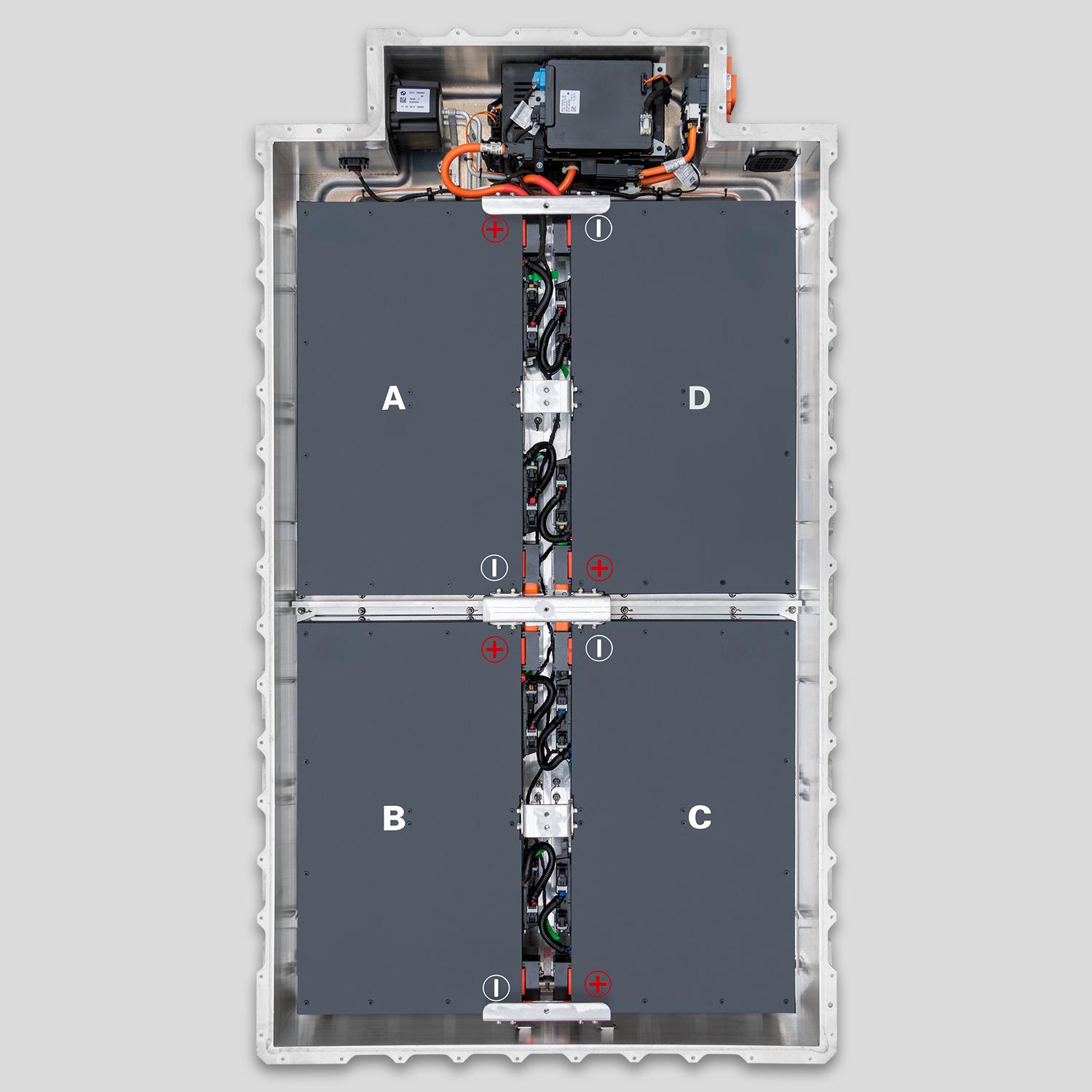
In the world of electric vehicles, a BMW i3 battery leak is not just a messy inconvenience; it is a Code Red emergency. Unlike a gas car where a coolant leak means a tow to the shop, a leak in your high-voltage battery pack can lead to electrical shorts, isolation faults, thermal runaway, and a total loss of the vehicle.
The liquid cooling system in your i3 circulates specialized dielectric fluid directly around the 400V cells. If that fluid escapes, it can bridge electrical connections, cause corrosion, or leave your battery without the ability to regulate temperature. The result? A overheated, bricked battery pack that costs $20,000 to replace.
How do you spot a leak before it’s too late?
What does EV coolant look and smell like?
And if you find a leak, is your battery doomed, or is there a modern solution that turns this crisis into an upgrade opportunity?
At CNS BATTERY, we have diagnosed countless i3s where early detection of a leak saved the chassis but required a battery replacement. We know that time is the enemy. This guide teaches you exactly how to detect a battery coolant leak in its earliest stages, explains the catastrophic risks of ignoring it, and reveals why upgrading to a new, perfectly sealed battery pack is often the smartest financial move when a leak occurs.
The Silent Killer: Why Coolant Leaks Are Different in EVs
In a traditional car, coolant keeps the engine from overheating. In the BMW i3, the coolant does something far more critical: it keeps the high-voltage battery cells within a narrow safety window (typically 25°C–35°C).
The Unique Dangers of HV Coolant
- Electrical Conductivity Risk: While BMW uses low-conductivity coolant (like BMW HT-12), once it leaks out and mixes with road dust, salt, or metal shavings, it can become conductive. If this contaminated fluid bridges two high-voltage points, it causes a short circuit.
- Isolation Faults: Even a tiny amount of moisture or fluid escaping the sealed pack can trigger an Isolation Fault. The car’s computer detects a path to the ground and immediately shuts down the drivetrain to prevent electrocution. You are left stranded.
- Thermal Runaway: If the leak is significant, the remaining coolant cannot absorb heat. During fast charging or hot weather, the cells overheat rapidly. Without intervention, this leads to cell swelling, permanent capacity loss, or in extreme cases, fire.
The Reality: A leak in an i3 battery is never “just a drip.” It is a structural failure of the pack’s integrity.
5 Early Warning Signs of a Battery Leak
Don’t wait for a massive puddle. Catching a leak early can sometimes save surrounding components (though the pack itself usually needs replacement). Watch for these subtle clues:
1. The “Rainbow” Puddle
EV coolant is distinct. It is typically blue, purple, or greenish-blue (depending on the specific formulation and age).
- Check: Look under the rear section of the car (where the battery sits). If you see a colorful, slightly oily fluid that isn’t rainwater or AC condensation (which is clear and odorless), suspect a leak immediately.
2. The Sweet, Chemical Smell
Coolant has a distinctive sweet, syrupy odor.
- Check: If you smell this inside the cabin (especially when the fan is on) or near the rear wheels after parking, it indicates vaporized coolant or a leak near the ventilation intake.
3. Unexplained Overheating Warnings
If your coolant level is dropping due to a leak, the system cannot cool effectively.
- Check: Watch for warnings like “Charge Power Reduced,” “Drivetrain Malfunction,” or “High Voltage Battery Overheated” appearing even in mild weather or during normal driving.
4. Frequent Fan Noise
The car’s computer detects rising temperatures and commands the rear cooling fans to run at 100% speed to compensate for the lack of fluid flow.
- Check: If your fans are screaming loudly immediately after a short drive or while parked, the system may be struggling with low coolant levels.
5. Low Coolant Level in the Reservoir
This is the most obvious sign if you check regularly.
- Check: Open the frunk (front hood). Locate the coolant reservoir (usually a translucent white tank with blue fluid). If the level is below the “MIN” line and you haven’t had service recently, you have a leak. Do not top it off and ignore it. The leak will continue.
What to Do (and What NOT to Do) If You Suspect a Leak
If you spot any of these signs, follow this protocol immediately:
- STOP DRIVING: Do not risk overheating the battery or causing an electrical short. Pull over safely.
- DO NOT TOUCH THE FLUID: While generally low toxicity, leaked coolant mixed with high-voltage components can be dangerous. Avoid skin contact.
- DO NOT OPEN THE BATTERY PACK: Never attempt to open the sealed high-voltage casing yourself. This is lethal and voids all safety protocols.
- TOW, DON’T DRIVE: Have the vehicle towed to a certified EV specialist. Driving even a few miles with low coolant can cook your cells, turning a replaceable pack into a hazardous waste liability.
The Hard Truth: You Cannot “Fix” a Leaking Battery Pack
Here is the reality most owners hope to avoid: If your BMW i3 battery pack is leaking, it cannot be reliably repaired.
- Seal Failure: The leak indicates that the laser welds, gaskets, or seals of the aluminum casing have failed. These are factory-sealed units. Attempting to glue or reseal them is unsafe and temporary.
- Internal Contamination: Once coolant leaks out, air and moisture have likely entered. This causes internal corrosion on busbars and cell contacts, leading to future isolation faults even if you stop the external leak.
- Cell Damage: The cells may have already been exposed to air or temperature extremes, compromising their chemistry.
The Dealership Solution: BMW dealerships will not repair the seal. They will quote you $18,000 – $22,000 USD for a complete battery replacement.
The CNS BATTERY Solution: Turn a Leak Into an Upgrade
If your i3 has a battery leak, you are facing a mandatory replacement. Don’t view this as a disaster; view it as an opportunity to solve the problem permanently and gain incredible performance.
At CNS BATTERY, we specialize in replacing leaking, failed packs with brand-new, high-capacity upgrades that are guaranteed to be leak-free.
Why Upgrading Is the Smart Choice
- Perfect Sealing: Our BMW i3 Series Battery replacements feature brand-new casings with factory-perfect seals and gaskets. No rusted seams, no aged glue, zero risk of leaking.
- Modern Durability: We use advanced materials and assembly techniques that resist corrosion and vibration better than the original 10-year-old packs.
- Double the Range: While fixing the leak, you upgrade from a failing 60 Ah or 94 Ah pack to a 120 Ah equivalent, giving you 130+ miles of range.
- Cost Efficiency:
- Dealership Replacement: $20,000+ for original capacity.
- CNS BATTERY Upgrade: $8,000 – $12,000 USD. You get a brand-new, leak-proof battery with double the range for half the price.
- Complete Service: We handle the safe removal and disposal of your leaking, hazardous old pack. You don’t have to worry about cleanup or environmental regulations.
Real Story: From “Puddle Panic” to “Leak-Proof Freedom”
Meet Sarah, a 2015 i3 owner. She noticed a small blue spot in her garage. Ignoring it for a week, she soon got an “Overheat” warning. The dealer inspected it and confirmed a cracked seam on the battery casing. They quoted $19,500 for a replacement. “I was devastated,” Sarah says. “That’s more than the car is worth.”
Sarah contacted CNS BATTERY. We explained that a leak meant the pack was done, but we could upgrade her to a 120 Ah system for $10,500. “They removed the leaking mess, installed a brand-new sealed battery, and now I have 135 miles of range,” Sarah reports. “No more fear of puddles. No more overheating. Just a reliable car that feels newer than when I bought it. The leak was a blessing in disguise—it forced me to upgrade.”
Don’t Ignore the Drop
A BMW i3 battery leak is a ticking clock. Every mile you drive with low coolant increases the risk of permanent cell damage and fire.
Detect it early. Act immediately. And when replacement is inevitable, choose the solution that gives you safety, reliability, and double the range.
Suspect a coolant leak in your BMW i3?
Stop driving and risking catastrophe. Contact CNS BATTERY today for an immediate diagnostic. We will confirm the leak, safely remove the hazardous pack, and show you how our BMW i3 Series Battery upgrades can restore your car with a leak-proof, high-capacity system for half the dealer cost.
👉 Get Your Leak Diagnostic & Upgrade Quote
Frequently Asked Questions (FAQ)
1. What does BMW i3 battery coolant look like?
It is typically blue, purple, or greenish-blue and has a slightly oily texture. It often smells sweet or chemical-like. If you see this color under the rear of your car, it is likely a battery leak.
2. Can I drive my i3 if I suspect a coolant leak?
No. Driving with low coolant can cause the battery to overheat rapidly, leading to permanent cell damage, isolation faults, or fire. Have the vehicle towed to a specialist immediately.
3. Can a leaking battery pack be repaired?
No. The battery pack is a sealed unit. Leaks indicate a failure of the casing welds or gaskets. Attempting to repair the seal is unsafe and unreliable. The entire pack must be replaced.
4. How much does it cost to replace a leaking battery?
A dealership OEM replacement typically costs $18,000–$22,000 USD. A CNS BATTERY upgrade costs $8,000–$12,000 USD, providing a brand-new, leak-proof battery with double the range.
5. Will a new battery from CNS BATTERY leak?
Absolutely not. Our upgrades come with brand-new casings and seals manufactured to strict quality standards. They are designed to be completely leak-free and durable for years.
6. What happens if coolant touches high-voltage components?
While fresh EV coolant is low-conductivity, leaked fluid mixes with dirt and metals, becoming conductive. This can cause short circuits, isolation faults, and potentially trigger a shutdown or fire risk.
7. Does CNS BATTERY handle the disposal of the leaking battery?
Yes. We safely remove, contain, and dispose of your leaking battery according to all environmental and hazardous waste regulations. You do not need to handle the cleanup or disposal yourself.