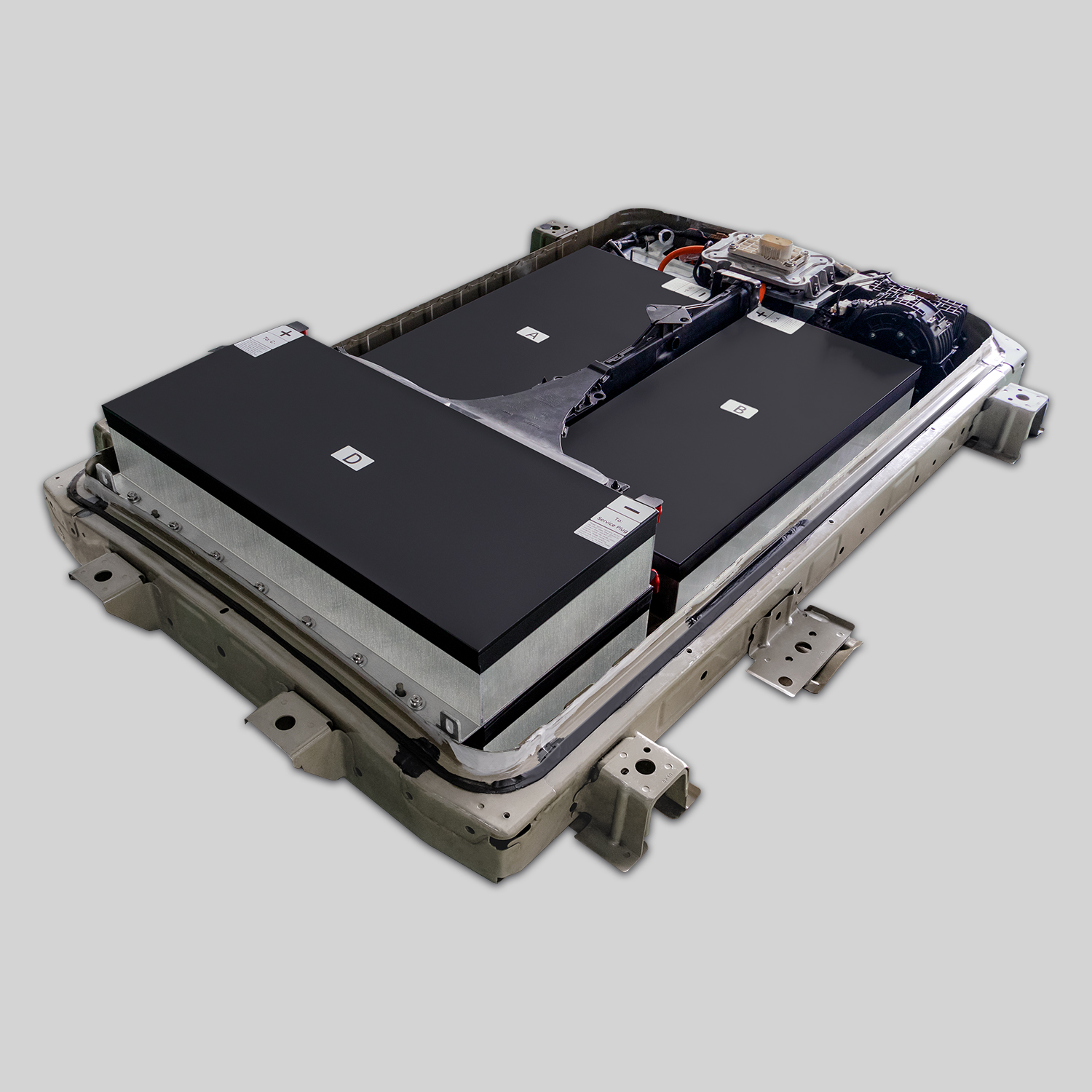
BMW i3 Battery Insulation Resistance: Normal Range & The Danger Zone
You are driving your BMW i3 on a rainy Tuesday when suddenly, the dashboard erupts in warnings. “High Voltage System Deactivated,” “Drivetrain Malfunction,” and the dreaded check engine light illuminate. Your car immediately cuts power, leaving you coasting to the side of the road.
You scan the error codes and find the culprit: Isolation Fault. The diagnostic tool displays a number for Insulation Resistance, but what does it mean? Is 500 kΩ/V safe? What about 100 kΩ/V? At what point does your battery become a lethal electrical hazard?
Understanding the BMW i3 battery insulation resistance normal range is critical for every owner. This number isn’t just a technical spec; it is the measure of safety between the 400-volt high-voltage system and the metal chassis you touch every day. If this resistance drops too low, electricity can leak into the car’s frame, risking electrocution, fire, or total system failure.
What is the safe threshold for your i3?
Why does resistance drop over time?
And if your numbers are in the danger zone, is your battery pack doomed, or is there a modern solution that restores safety and doubles your range?
At CNS BATTERY, we diagnose isolation faults daily. We know that while minor drops in resistance can be fixed, severe degradation often signals the end of an aging battery’s life. This guide breaks down the science of insulation resistance, reveals the exact numbers you need to know, and explains why upgrading to a modern, perfectly sealed battery pack is the only permanent fix for chronic isolation issues.
The Safety Shield: What Is Insulation Resistance?
Your BMW i3 battery operates at roughly 400 Volts DC. To keep you safe, this high-voltage system must be completely electrically isolated from the car’s chassis (ground).
Insulation Resistance measures how well the battery pack prevents electricity from leaking to the ground. It is measured in kilo-ohms per Volt (kΩ/V).
- High Resistance: The insulation is intact. Electricity stays inside the orange cables and battery cells. Safe.
- Low Resistance: The insulation is compromised. Electricity is finding a path to the chassis. Dangerous.
The Battery Management System (BMS) constantly monitors this value. If it drops below a specific threshold, the BMS assumes there is a risk of electrocution and immediately shuts down the high-voltage system.
The Numbers Game: Normal vs. Danger Zones
So, what are the actual numbers? While BMW’s internal service manuals have specific algorithms, the industry standard for EV safety provides clear guidelines.
✅ The Safe Zone: > 500 kΩ/V
- Status: Excellent.
- Meaning: Your insulation is intact. The battery is safe to operate, charge, and drive.
- Action: No action needed. Continue normal maintenance.
⚠️ The Warning Zone: 100 – 500 kΩ/V
- Status: Degraded / Moisture Present.
- Meaning: The insulation is weakening. This is often caused by minor moisture intrusion, condensation, or early-stage corrosion on connectors. The car may still drive, but you might see intermittent warnings, especially in wet weather.
- Action: Immediate inspection required. The cause (often water ingress or dirty connectors) must be identified and cleaned before resistance drops further.
🛑 The Danger Zone: < 100 kΩ/V
- Status: Critical Failure.
- Meaning: The BMS will trigger an Isolation Fault and disable the car. There is a direct or near-direct path for electricity to reach the chassis. This could be due to flooded battery packs, melted cable insulation, or severe internal cell leakage.
- Action: Do not drive. The vehicle must be towed to a specialist. Continuing to operate the car risks fire or electrocution.
Why Does Insulation Resistance Drop?
If your readings are falling, something has breached your battery’s defenses. Common culprits include:
- Water Intrusion: The #1 cause. Leaking seals, cracked battery casings, or clogged drainage channels allow rain or road spray to enter the pack. Water is conductive, instantly lowering resistance.
- Coolant Leaks: The i3 uses liquid cooling. If a internal hose bursts or a seal fails, conductive coolant can spray onto high-voltage busbars, causing a massive drop in resistance.
- Aging Insulation: Over 8-10 years, the plastic shielding on cables and the foam padding inside the pack can become brittle, crack, or absorb moisture, losing their dielectric properties.
- Rodent Damage: Mice and rats love chewing on insulation foam and cable shielding, creating direct paths for electricity to escape.
- Internal Cell Failure: In rare cases, a swollen or ruptured cell can leak electrolyte internally, bridging the gap between high voltage and the casing.
The Hard Truth: Cleaning Isn’t Always Enough
When faced with low insulation resistance, many owners hope for a simple fix: “Just dry it out and clean the contacts.”
While this works for minor surface moisture, it often fails for two reasons:
- Permanent Damage: If water has sat inside the pack for weeks, it causes corrosion on busbars and connectors that cleaning cannot reverse. The metal itself is compromised.
- Hidden Moisture: Water wicks into insulation foam and under cell modules where air drying cannot reach. The resistance may temporarily rise, only to plummet again after the next rainstorm.
- The Aging Reality: If your insulation is failing due to age (cracked seals, brittle foam), cleaning doesn’t fix the root cause. The pack will continue to let water in until a catastrophic failure occurs.
The Verdict: If your resistance is consistently below 100 kΩ/V, or if it fluctuates wildly with weather, your battery pack’s integrity is compromised. Patching it is a temporary gamble with your safety.
The CNS BATTERY Solution: Upgrade to Perfect Isolation
If your BMW i3 is suffering from chronic isolation faults, stop trying to salvage a compromised system. At CNS BATTERY, we offer the definitive solution: replacing your aging, leak-prone pack with a brand-new, modern 120 Ah upgrade engineered for superior safety.
Why Our Upgrades Guarantee Safety
- Factory-Fresh Sealing: Our BMW i3 Series Battery replacements feature new IP67+ gaskets, laser-welded seams, and pristine insulation materials. No cracks, no rot, no water pathways.
- Perfect Dielectric Strength: Every component in our packs is tested to ensure insulation resistance is well above 1,000 kΩ/V before installation. You start with a perfect safety margin.
- Modern Materials: We use advanced hydrophobic insulation foams and coated busbars that resist moisture and corrosion far better than the original 10-year-old components.
- Double the Range: While solving your isolation crisis, you upgrade from a failing 60 Ah or 94 Ah pack to a 120 Ah equivalent, giving you 130+ miles of range.
- Cost Efficiency: Diagnosing and repairing isolation faults can cost $1,000–$3,000 with no guarantee of success. A dealership OEM replacement is $20,000+. Our complete upgrade solutions typically range from $8,000 to $12,000 USD, providing a brand-new, watertight, high-capacity system for half the dealer price.
Real Story: From “Isolation Nightmare” to “Rain-Proof Reliability”
Meet Sarah, a 2015 i3 owner in Seattle. Every time it rained, her car threw an isolation fault. A local shop dried out her pack three times, but the problem always returned within weeks. They finally told her the internal foam was saturated and the seals were gone, quoting $18,000 for a new OEM battery.
Sarah contacted CNS BATTERY. We installed a 120 Ah upgrade. “It’s been a year since, through two wet winters,” Sarah says. “Not a single fault. The new battery is perfectly sealed. I drive through puddles and heavy rain with zero anxiety. Plus, I now have 135 miles of range. Trying to fix the old leaking pack was a waste of money; the upgrade solved everything permanently.”
Don’t Gamble with High Voltage Leakage
BMW i3 battery insulation resistance is the most critical safety metric in your vehicle. If your numbers are dropping, do not ignore them. A failed isolation system turns your car into a potential electrical hazard.
Stop patching a failing system. Upgrade to a solution that guarantees perfect insulation, absolute safety, and incredible range.
Is your BMW i3 showing isolation faults or low resistance?
Stop risking your safety. Contact CNS BATTERY today for a professional high-voltage insulation diagnostic. We’ll tell you if a simple cleaning will work or if it’s time for a 120 Ah upgrade that eliminates leakage risks forever.
👉 Get Your Insulation Resistance & Safety Assessment
Frequently Asked Questions (FAQ)
1. What is the normal insulation resistance range for a BMW i3?
A healthy BMW i3 should have an insulation resistance greater than 500 kΩ/V. Values between 100–500 kΩ/V indicate degradation or moisture presence. Anything below 100 kΩ/V is critical and will trigger an isolation fault, disabling the vehicle.
2. Why does my insulation resistance drop when it rains?
This indicates water intrusion. Moisture is entering the battery pack or high-voltage connector areas, creating a conductive path to the chassis. This is often caused by failed seals, clogged drains, or cracked casing.
3. Can I reset the isolation fault myself?
You can clear the code with a scanner, but it will return immediately if the physical leak or damage persists. Resetting the code does not fix the underlying safety issue. Driving with an active isolation fault is dangerous.
4. How much does it cost to fix low insulation resistance?
If it’s a simple external connector cleaning, it may cost $200–$400. However, if the leak is internal (saturated foam, corroded busbars), repairs can cost $2,000–$4,000 with no guarantee of longevity. A full CNS BATTERY upgrade costs $8,000–$12,000 USD and provides a brand-new, perfectly sealed system.
5. Will drying out my battery fix the problem permanently?
Rarely. While drying may temporarily raise resistance, the underlying cause (cracked seals, degraded foam) remains. Moisture will return with the next rain. For long-term safety, replacing the compromised components or the entire pack is recommended.
6. Does a CNS BATTERY upgrade come with guaranteed insulation values?
Yes. Every BMW i3 Series Battery we install is tested prior to delivery to ensure insulation resistance exceeds 1,000 kΩ/V. We guarantee a perfect safety margin with zero leakage risks.
7. Is it safe to charge my i3 if the insulation resistance is low?
No. Charging a vehicle with compromised isolation increases the risk of electrical shock, short circuits, and fire. The vehicle should be towed to a specialist for immediate diagnosis and repair.