
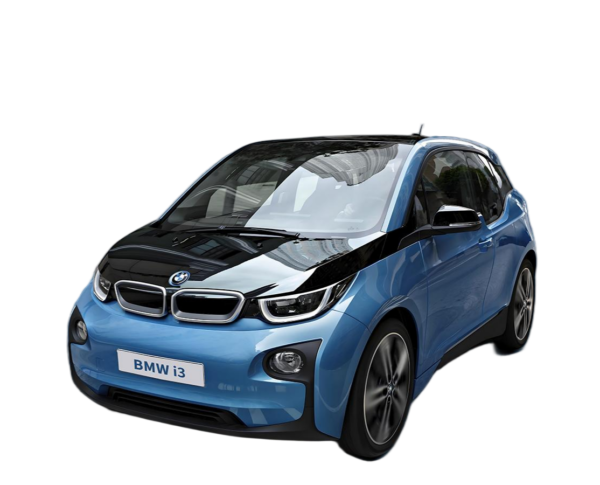
BMW i3 Battery Storage: Garage vs Outdoor – The Battle for Your Range
You have a second car, or perhaps you are planning a long winter vacation. Your BMW i3 will be sitting idle for weeks, maybe even months. You have two options: park it in the climate-controlled sanctuary of your garage, or leave it exposed to the elements in the outdoor driveway.
It seems like a simple choice between convenience and protection. But for an electric vehicle, especially an aging BMW i3, this decision is a chemical war zone.
Does leaving your i3 outside in the freezing cold actually kill the battery faster?
Is a hot garage in summer a silent killer?
Can the difference between indoor and outdoor storage cost you thousands in lost capacity?
The answer isn’t just about comfort; it’s about the very chemistry inside your high-voltage pack. Improper storage conditions can accelerate degradation, trigger fatal isolation faults, or leave you with a “bricked” battery that refuses to charge when you return.
At CNS BATTERY, we have analyzed hundreds of batteries failed due to environmental neglect. We know exactly how temperature extremes attack Lithium-Ion cells. This guide breaks down the brutal reality of Garage vs. Outdoor storage for your BMW i3, reveals the specific risks of each environment, and explains why upgrading to a modern battery pack is the ultimate insurance policy against storage-related death.
The Science of Storage: Why Temperature Matters
Your BMW i3 battery is not a static block of energy; it is a living chemical system. Even when the car is off, two processes are happening:
- Self-Discharge: The battery slowly loses charge over time.
- Calendar Aging: Chemical reactions degrade the electrolyte and anode, permanently reducing capacity.
Temperature is the accelerator.
- Heat speeds up chemical breakdown exponentially.
- Cold increases internal resistance and risks lithium plating during any residual current flow.
Where you park dictates the speed of your battery’s decay.
Scenario A: Outdoor Storage – The Gauntlet of Extremes
Parking your i3 outdoors is the most common scenario, but it exposes the battery to the widest temperature swings and harshest conditions.
The Winter Threat (Freezing Temps)
- The Risk: When temperatures drop below freezing (32°F / 0°C), the electrolyte inside the cells becomes viscous. If the battery state of charge (SOC) is low, the risk of the electrolyte freezing increases, which can physically crack cell casings.
- Lithium Plating: Even without driving, small parasitic drains can cause lithium to plate on the anode in freezing conditions. This creates permanent “dead spots” in the cell, reducing capacity instantly.
- The Result: An i3 left outside at 10% SOC in sub-zero temps can wake up with a permanently bricked battery that will never accept a charge again.
The Summer Threat (Scorching Heat)
- The Risk: Direct sunlight can raise the surface temperature of the car (and the underlying battery) to over 140°F (60°C).
- Calendar Aging: High heat accelerates the breakdown of the cathode and electrolyte. Storing a battery at 100% SOC in direct sun is the fastest way to destroy it. You could lose 5-10% of your total capacity in a single hot summer.
- Seal Degradation: UV radiation and heat dry out the rubber seals around the battery pack, leading to moisture intrusion later.
The Verdict on Outdoors
Outdoor storage is high risk. It requires meticulous management of charge levels and relies on luck regarding weather patterns. One unexpected heatwave or deep freeze can be catastrophic.
Scenario B: Garage Storage – The Controlled Sanctuary
Parking your i3 in a garage is overwhelmingly the superior choice, but it is not without its own nuances.
The Benefits
- Temperature Buffer: A garage, even an unheated one, buffers extreme swings. It rarely gets as cold as the outside air in winter or as hot as direct sun in summer. This stable environment slows calendar aging significantly.
- UV Protection: No direct sunlight means no UV damage to seals and no solar heating of the battery pack.
- Moisture Control: Garages protect against rain, snow, and road salt, preserving the underbody and high-voltage connectors from corrosion.
The Hidden Danger: The Hot Garage
- The Trap: In summer, a closed garage with no ventilation can become an oven, reaching temperatures higher than the outside air.
- The Fix: If your garage gets excessively hot, leave the door slightly cracked or ensure ventilation. However, it is still generally safer than direct sunlight.
The Verdict on Garages
Garage storage is low risk. It extends the life of your battery by minimizing thermal stress. It is the single best thing you can do for long-term preservation.
The Critical Rule: Charge Level Matters More Than Location
Whether you choose Garage or Outdoor, one rule supersedes all: Never store at 0% or 100%.
- The Sweet Spot: Store your BMW i3 at 50-60% State of Charge (SOC).
- Why? At 50%, the cell voltage is stable, minimizing chemical stress. It provides enough buffer to handle self-discharge without hitting the dangerous “deep discharge” zone.
- The Plug-In Strategy:
- In a Garage: Leave the car plugged in but set the maximum charge limit to 60% (via iDrive settings). This allows the car to wake up periodically and top itself off if self-discharge drops the level, using grid power instead of battery power.
- Outdoors: If you must store outside, charging is risky due to exposure of the port and cable. Ideally, charge to 60% right before storing and unplugging. Check the level monthly if possible.
When Storage Goes Wrong: The CNS BATTERY Solution
Despite your best efforts, things happen. A forgotten setting leaves the car at 100% in a heatwave. A polar vortex hits while the car is at 20% SOC outdoors. The result is often a battery with severe capacity loss, high internal resistance, or a complete failure to charge.
If your i3 has suffered from poor storage conditions, balancing or resetting won’t fix it. The chemical damage is done.
At CNS BATTERY, we turn this disaster into an upgrade opportunity.
Why Upgrading Is the Ultimate Storage Insurance
- Modern Chemistry: Our BMW i3 Series Battery upgrades use Grade-A cells with superior thermal stability. They resist calendar aging better than the original 2014-2017 cells, making them more forgiving if storage conditions aren’t perfect.
- Fresh Seals: Our installation includes new gaskets and seals, protecting your new pack from the moisture and corrosion that often plague older, outdoor-stored vehicles.
- Double the Buffer: By upgrading from a degraded 60 Ah pack to a 120 Ah equivalent, you double your energy reserve. Even if you lose 10% to storage self-discharge, you still have massive range remaining.
- Cost Efficiency: Replacing a storage-damaged battery at a dealership costs $18,000–$22,000 USD. Our complete upgrade solutions typically range from $8,000 to $12,000 USD, giving you double the range and a fresh start for half the price.
Real Story: From “Frozen Brick” to “Winter Warrior”
Meet James, who stored his 2015 i3 outdoors in Chicago during a brutal winter. He forgot to check the charge, assuming 40% was safe. A week of -10°F temps drained the battery below the critical threshold. When spring came, the car was dead. The dealer said the cells were frozen and damaged, quoting $19,500 for a replacement.
James contacted CNS BATTERY. We installed a 120 Ah upgrade with modern cells designed for wider temperature tolerances. “Now I don’t panic when winter comes,” James says. “My new battery handles the cold better, and even if I lose some range to storage, I still have 120 miles to drive. It was the best investment I ever made.”
Protect Your Investment Today
The choice between Garage vs. Outdoor storage for your BMW i3 is clear: Always choose the garage if possible. It buffers temperature extremes, protects against UV and moisture, and significantly slows battery degradation.
But regardless of where you park, maintain that 50-60% charge level. And if your battery has already suffered from neglect, don’t try to salvage a chemically compromised pack. Upgrade to a solution built for longevity and resilience.
Has your BMW i3 suffered from poor storage conditions?
Don’t let a dead battery end your EV journey. Contact CNS BATTERY today for a diagnostic assessment. Discover how our BMW i3 Series Battery upgrades can restore your range, improve thermal resilience, and give you peace of mind regardless of where you park.
👉 Get Your Storage Recovery & Upgrade Quote
Frequently Asked Questions (FAQ)
1. Is it safe to store my BMW i3 outside in winter?
It is risky. Extreme cold can freeze the electrolyte if the charge is low, causing permanent damage. If you must store outside, ensure the battery is charged to 50-60% and consider using a weatherproof cover for the charging port. However, a garage is always preferred.
2. Does storing my i3 in a hot garage hurt the battery?
Yes, if the garage becomes an oven (over 100°F / 38°C). Heat accelerates chemical degradation. Ensure your garage has some ventilation. However, it is still generally safer than direct sunlight outdoors, which can push temperatures much higher.
3. What is the ideal charge level for long-term storage?
The ideal State of Charge (SOC) is 50-60%. This minimizes chemical stress while providing enough buffer to prevent deep discharge. Never store at 100% (high stress) or below 20% (risk of bricking).
4. Should I leave my i3 plugged in while in storage?
Yes, if stored in a garage. Set the maximum charge limit to 60% in the car’s settings. This allows the car to maintain the optimal charge level using grid power, preventing self-discharge from damaging the battery. Do not leave it plugged in outdoors unless you have a protected, dry charging station.
5. Can a battery recover if it freezes while stored?
Rarely. If the electrolyte freezes, it often cracks the internal cell structures. Even if it thaws, the capacity is permanently lost, and the BMS may brick the pack for safety. Replacement is usually the only option.
6. How much does it cost to replace a storage-damaged battery?
Dealerships charge $18,000–$22,000 USD for an OEM replacement. CNS BATTERY offers upgraded solutions (e.g., 120 Ah) typically between $8,000 and $12,000 USD, providing double the range and better thermal resilience for half the price.
7. Will a CNS BATTERY upgrade handle outdoor storage better?
Yes. Our modern cells have improved chemistry that is more resistant to temperature extremes and calendar aging than the original factory cells. While we still recommend garage storage, our upgrades provide a larger safety margin against environmental stress.


