BMW i3 Battery Voltage Sensor: Calibrate or Replace? The Truth About False Alarms
Your BMW i3 dashboard is flashing a warning that makes your stomach drop: “Drivetrain Malfunction” or “High Voltage System Deactivated.” You scan the car, and the code points to a voltage sensor error or extreme cell deviation.
Immediately, two thoughts race through your mind: Is my expensive battery pack dead? or Is this just a glitchy sensor that needs calibration?
The difference between a simple software recalibration and a catastrophic cell failure is the difference between a $200 service visit and a $20,000 replacement bill. Many owners panic and rush to replace their entire battery, only to find out later it was a misreading sensor or a confused Battery Management System (BMS). Conversely, others ignore the warning, assuming it’s a “glitch,” only to suffer a total breakdown days later because a real cell failure was masked by the error.
At CNS BATTERY, we are experts in diagnosing the fine line between sensor errors and genuine hardware failure. We know exactly when a BMW i3 battery voltage sensor calibration can save your day, and when it’s just a band-aid on a dying pack. This guide walks you through the calibration process, explains the limitations of sensors in aging batteries, and reveals why upgrading to a modern pack with pristine monitoring systems is the ultimate fix for persistent voltage headaches.
The Role of the Voltage Sensor: Your Battery’s Eyes
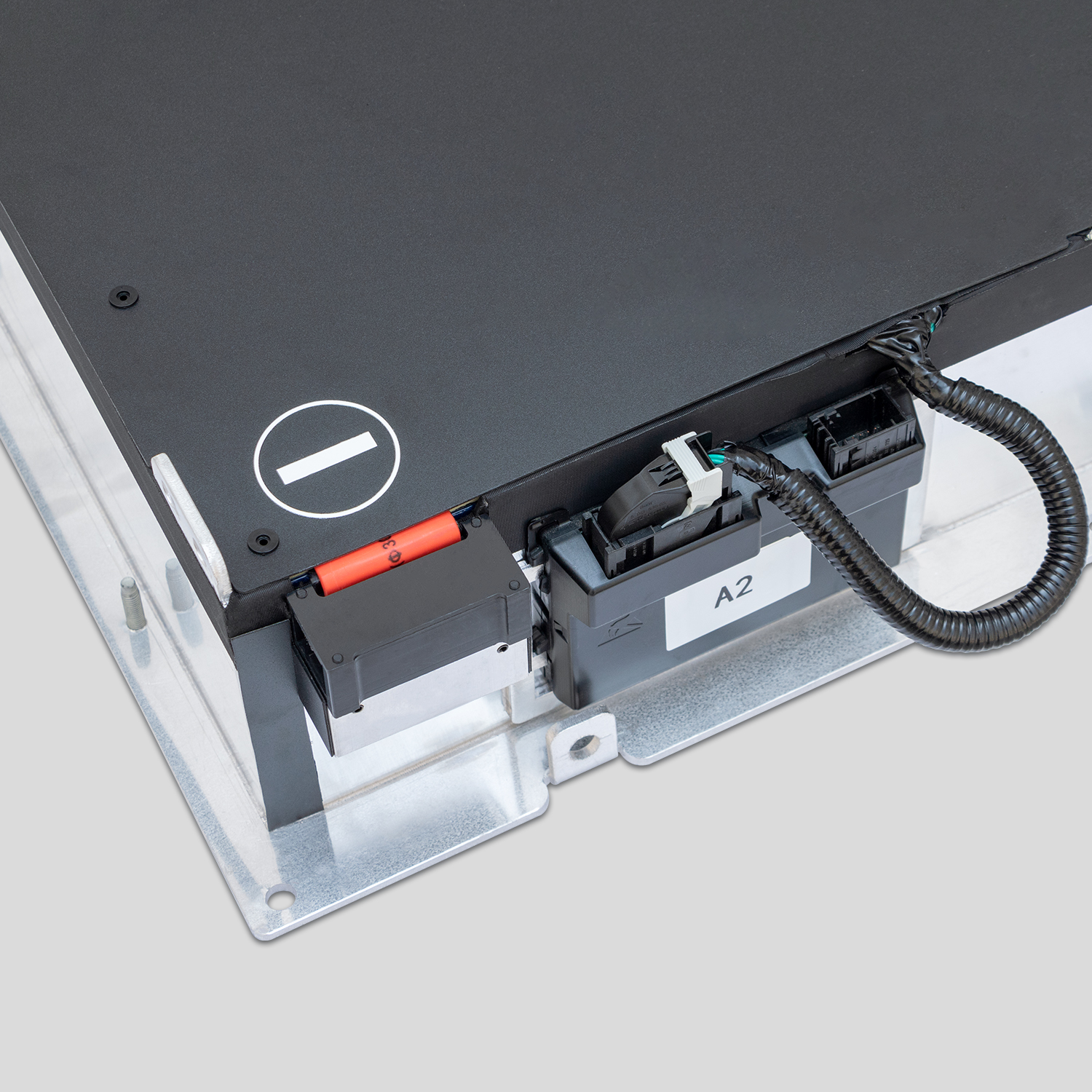
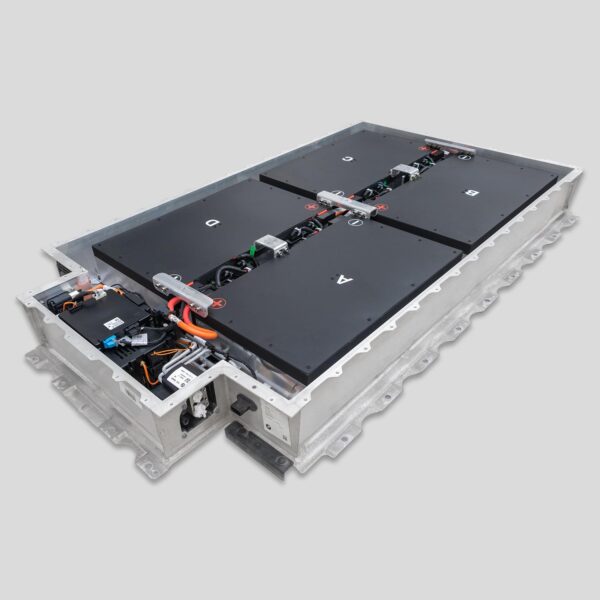
Before you can fix the problem, you must understand the component. Your i3 battery pack doesn’t have one single sensor; it has dozens of voltage sensing lines monitoring every cell module group.
- The Job: These sensors constantly report the voltage of each cell group to the BMS.
- The Decision: The BMS uses this data to determine how much power to release, when to stop charging, and when to trigger safety shutdowns.
- The Failure Mode: If a sensor drifts, gets corroded, or loses contact, it sends false data. It might tell the BMS a healthy cell is at 0V (triggering a shutdown) or that a weak cell is at 4.5V (risking overcharge).
The Critical Question: Is the sensor lying, or is the cell actually bad?
Step-by-Step: How to Calibrate the Voltage Sensors
If you suspect a sensor error (e.g., sudden range drops, fluctuating GOM, or isolated fault codes without physical symptoms), you can attempt a recalibration. This forces the BMS to relearn the true voltage curve of your cells.
Phase 1: The Passive Balance (DIY Method)
This is the safest first step for any owner.
- Charge to 100%: Plug your i3 into a Level 2 charger and let it reach full capacity.
- The Soak: Do not unplug the car. Leave it connected for 12 to 24 hours after the charging light turns solid green.
- The Logic: During this “soak” period, the BMS performs passive balancing and re-samples the voltage of every cell. This often clears minor sensor drift and synchronizes the readings.
- Reset: Unplug, drive normally, and monitor if the warnings return.
Phase 2: The 12V Reset (Soft Reboot)
Sometimes the BMS computer itself gets stuck in a logic loop.
- Safety First: Turn off the car and remove the key fob.
- Disconnect: Open the frunk and disconnect the negative terminal of the 12V auxiliary battery.
- Wait: Leave it disconnected for 15–20 minutes. This drains residual power from the control modules.
- Reconnect: Reattach the terminal tightly.
- Initialize: Turn the car on (but don’t drive immediately). Let it sit for 5 minutes to allow the BMS to reboot and re-initialize sensor readings.
Phase 3: Professional Diagnostic Calibration
If DIY methods fail, a specialist uses tools like BMW ISTA or high-level scanners to:
- Force a manual cell balancing cycle.
- Reset the “learning values” of the BMS.
- Read the raw millivolt data from each sensor to identify if one specific line is reporting impossible numbers (e.g., -5V or +10V), which confirms a hardware sensor failure rather than just drift.
When Calibration Fails: The Hard Reality
Here is the hard truth that many general mechanics miss: You cannot calibrate away physical degradation.
If your voltage sensors are reporting high deviation (e.g., one cell at 3.8V and another at 3.2V), it is rarely a “sensor error.” It is almost always a sign that one cell group has physically failed.
- The Sensor is Telling the Truth: The sensor isn’t broken; it’s accurately reporting that a cell is dead.
- The Futility of Resetting: Resetting the BMS in this case is like resetting the “Check Engine” light on a car with a thrown rod. The light goes off for an hour, but the engine still blows up.
- The Risk: Continuing to reset and drive with genuine cell deviation accelerates the damage to the remaining good cells, potentially leading to thermal runaway or total pack bricking.
The Diagnostic Rule: If cell deviation is greater than 0.05V (50mV) after a full balance cycle, the issue is hardware, not software. Calibration will not fix it.
The CNS BATTERY Solution: Eliminate Sensor Errors Forever
If your voltage sensors are consistently triggering faults, or if your battery has genuine cell degradation that no amount of calibration can fix, you are facing a recurring nightmare. Old sensors corrode, wiring harnesses become brittle, and cell chemistry becomes unstable.
At CNS BATTERY, we offer the permanent solution: replacing your entire aging ecosystem with a modern, perfectly monitored 120 Ah upgrade.
Why Upgrading Solves Voltage Sensor Issues
- Pristine Sensing Lines: Our BMW i3 Series Battery replacements come with brand-new voltage sensing harnesses and connectors. No corrosion, no loose pins, no signal drift.
- Perfect Cell Matching: Our packs are built with Grade-A cells matched to within millivolts. The sensors report uniform data, eliminating the “deviation” errors that plague old packs.
- Stable Chemistry: Modern cells maintain stable voltage curves under load. The BMS receives consistent, predictable data, preventing false “malfunction” warnings.
- Double the Range: While solving your sensor headaches, you upgrade from a failing 60 Ah or 94 Ah pack to a 120 Ah equivalent, giving you 130+ miles of range.
- Cost Efficiency: Diagnosing and replacing individual sensors or modules can cost $1,000–$3,000 with no guarantee of success. A dealership OEM replacement is $20,000+. Our complete upgrade solutions typically range from $8,000 to $12,000 USD, providing a brand-new monitoring system and double the performance for half the price.
Real Story: From “Sensor Glitch” to “Perfect Data”
Meet David, a 2015 i3 owner. His car kept throwing “Voltage Sensor Plausibility” errors. He tried resetting the 12V battery and doing overnight balances. The errors would disappear for a week, then return with greater frequency. A shop told him his sensing board was corroded and quoted $1,200 to repair it, warning that the cells themselves were also weak.
David contacted CNS BATTERY. We diagnosed that while the sensor board had minor corrosion, the real issue was severe cell imbalance causing voltage spikes that confused the sensors. We installed a 120 Ah upgrade. “Now the data is rock solid,” David says. “No more glitches, no more warnings. The car reports perfect voltage across all cells, and I have 135 miles of range. Trying to fix the old sensors was a waste of time; replacing the whole system was the only real fix.”
Stop Guessing, Start Knowing
BMW i3 battery voltage sensor calibration is a useful tool for minor drift, but it is not a cure for aging hardware. If your warnings persist, your battery is likely telling you a harsh truth: it has reached the end of its reliable life.
Don’t gamble on repeated resets that mask underlying failures. Upgrade to a system where the sensors, wiring, and cells are all brand new, perfectly matched, and ready for another decade of service.
Is your BMW i3 plagued by voltage sensor errors?
Stop chasing ghosts. Contact CNS BATTERY today for a professional voltage deviation diagnostic. We’ll tell you if a simple calibration will work or if it’s time for a 120 Ah upgrade that eliminates sensor errors and range anxiety forever.
👉 Get Your Voltage System Assessment
Frequently Asked Questions (FAQ)
1. How do I calibrate the voltage sensors on my BMW i3?
The safest method is to charge to 100% and leave the car plugged in for 12–24 hours. This allows the BMS to perform a deep balance and re-sample cell voltages. For deeper issues, disconnecting the 12V battery for 15 minutes can reset the BMS logic.
2. Can a bad voltage sensor cause range loss?
Yes. If a sensor reports incorrect low voltage, the BMS will think the battery is emptier than it is, hiding available energy and reducing your displayed range. Conversely, a false high reading can prevent the car from charging fully.
3. When should I replace the sensor instead of calibrating?
If calibration attempts (balancing and resets) fail to clear the error codes, or if diagnostic tools show a specific sensor line reading impossible values (e.g., open circuit), the sensor hardware or wiring harness likely needs replacement. However, in old packs, this is often a symptom of broader corrosion.
4. Will upgrading my battery fix voltage sensor errors?
Absolutely. A CNS BATTERY upgrade includes brand-new sensing harnesses and perfectly matched cells. This eliminates the root causes of sensor errors: corrosion, loose connections, and cell imbalance. You get flawless data immediately.
5. Is it safe to drive with a voltage sensor warning?
No. These warnings indicate the BMS cannot accurately monitor the battery’s safety limits. Driving could lead to unexpected shutdowns, overcharging, or cell damage. Have the vehicle diagnosed immediately.
6. How much does it cost to fix voltage sensor issues?
Simple diagnostics and resets cost $100–$200. Replacing a sensing board or harness can cost $800–$1,500. If the issue is related to cell degradation (common), a full battery replacement is needed. Dealerships charge $20,000+, while CNS BATTERY upgrades cost $8,000–$12,000 USD.
7. Do new batteries need sensor calibration?
New packs from CNS BATTERY come pre-calibrated and balanced. The BMS recognizes them immediately, providing accurate readings from day one without the need for extensive calibration cycles.