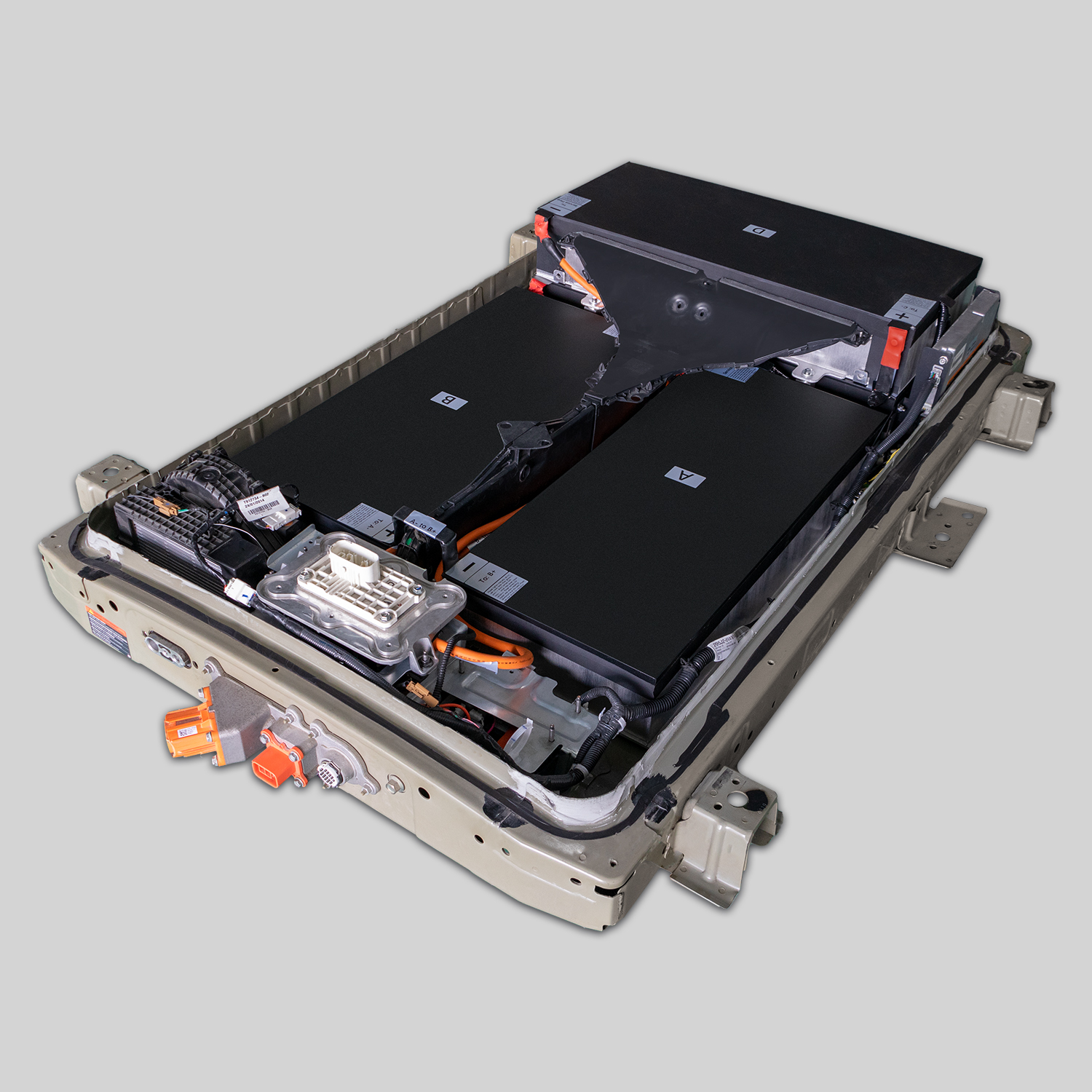
BMW i3 Battery Insulation: Why It’s Important for Safety & Range
You slide into your BMW i3 on a freezing winter morning, ready to commute. You plug in, but the charging speed is painfully slow. Or perhaps, after a heavy rainstorm, your dashboard flashes a terrifying “High Voltage System Deactivated” warning.
Your first thought might be, “Is my battery dead?” or “Is the charger broken?”
But the real culprit could be something invisible yet critical: compromised battery insulation.
Most owners never think about the thick layers of foam, rubber, and thermal mats wrapping their high-voltage pack. Yet, this insulation is the silent guardian of your vehicle. It keeps your battery at the perfect temperature, prevents lethal electrical leaks, and ensures you get the range you paid for. When it fails due to age, road debris, or corrosion, the consequences range from annoying range loss to catastrophic safety hazards.
At CNS BATTERY, we don’t just swap cells; we engineer complete thermal and electrical ecosystems. We know that a battery is only as good as its protection. This guide reveals why BMW i3 battery insulation is vital for your safety and performance, how to spot signs of failure, and why upgrading your entire pack is often the only way to restore factory-level protection—and double your range.
The Invisible Shield: What Does Battery Insulation Actually Do?
The BMW i3 battery pack sits low in the chassis, exposed to the harsh realities of the road. The insulation system serves three non-negotiable functions:
1. Thermal Regulation (The Climate Controller)
Lithium-ion cells are temperamental. They degrade rapidly if too hot and lose capacity if too cold.
- Winter: Insulation traps heat generated by the battery’s internal heater, keeping cells in their optimal operating window (20°C–40°C). Without it, your battery freezes, charging slows to a crawl, and range plummets by up to 40%.
- Summer: It reflects external heat from the asphalt and protects cells from overheating during fast charging.
2. Electrical Isolation (The Life Saver)
This is the most critical function. The battery operates at 400 Volts DC.
- The Barrier: High-dielectric insulation mats prevent electricity from escaping the pack and touching the metal chassis.
- The Risk: If insulation degrades, moisture or physical contact can create a path to the ground. This triggers an Isolation Fault, instantly shutting down the car to prevent electrocution. In worst-case scenarios, compromised insulation can lead to short circuits and fires.
3. Physical Protection (The Armor)
The underbody of your i3 takes a beating from rocks, salt, and water.
- The Shield: Robust insulation layers act as a buffer against road debris, preventing punctures that could breach the battery casing.
- Vibration Damping: It absorbs road vibrations, protecting delicate cell connections from fatigue and breakage.
The Aging Crisis: Why Original Insulation Fails
Your 2014-2017 BMW i3 is now nearing a decade of service. The original insulation materials were not designed to last forever. Here is how they fail:
- Water Intrusion: Over time, the seals around the battery cover harden and crack. Water seeps in, soaking the insulation foam. Wet insulation loses its thermal properties and becomes conductive, leading to isolation faults.
- Road Salt Corrosion: Constant exposure to winter salt eats away at the protective outer layers, causing them to flake off or disintegrate.
- Physical Impact: Years of driving over speed bumps and potholes compress and tear the underbody padding, leaving the battery vulnerable.
- Rodent Damage: Mice and rats love chewing on the soft foam insulation for nesting material, creating holes that expose the pack to the elements.
The Result: A battery that struggles in extreme weather, throws constant error codes, and poses a growing safety risk.
Signs Your Battery Insulation Is Compromised
Don’t wait for a total shutdown. Watch for these warning signs:
- Severe Winter Range Loss: If your range drops significantly more than usual in cold weather, your battery may be losing heat due to poor insulation.
- Frequent Isolation Faults: Warnings like “High Voltage System Deactivated” often indicate moisture has breached the insulation barrier.
- Slow Charging in Cold/Hot Weather: If the battery can’t maintain temperature, the BMS throttles charging speed to protect the cells.
- Visible Damage: If you lift the car and see hanging, wet, or missing insulation mats under the battery, immediate action is required.
The DIY Trap: Why You Can’t Just “Patch” It
Some owners try to fix insulation issues by spraying undercoating or taping up holes. This is dangerous and ineffective.
- Fire Hazard: Using non-fire-retardant materials near high-voltage components can turn a minor fault into a major fire.
- Trapped Moisture: Improper sealing can trap water inside the insulation, accelerating corrosion and electrical leakage.
- Voided Safety: Factory insulation is engineered with specific dielectric ratings and thermal properties. Makeshift repairs cannot replicate this safety standard.
The CNS BATTERY Solution: Upgrade to Perfect Protection
If your insulation is failing, it is often a symptom of a broader issue: an aging battery pack that is no longer safe or efficient. At CNS BATTERY, we offer the ultimate fix: replacing your entire degraded system with a modern, fully insulated upgrade.
Why Our Upgrades Offer Superior Insulation
- Brand-New Materials: Our BMW i3 Series Battery replacements come with fresh, factory-spec thermal and electrical insulation. No waterlogging, no rot, no gaps.
- Advanced Thermal Design: We utilize next-generation insulation materials that offer better R-values (thermal resistance) than the original 10-year-old foam, keeping your battery warmer in winter and cooler in summer.
- Enhanced Sealing: Our packs feature updated IP67+ sealing gaskets that work in tandem with the insulation to keep moisture out permanently.
- Double the Range: While restoring your safety shield, you upgrade from a failing 60 Ah or 94 Ah pack to a 120 Ah equivalent, giving you 130+ miles of range.
- Cost Efficiency: Trying to repair old insulation and replace individual cells can cost $3,000–$5,000 with no guarantee of success. Our complete upgrade solutions typically range from $8,000 to $12,000 USD, providing a brand-new, fully protected, high-capacity system for half the cost of a dealership OEM replacement.
Real Story: From “Frozen & Faulty” to “All-Weather Ready”
Meet Sarah, a 2015 i3 owner in Minnesota. Last winter, her range dropped to 25 miles, and she got daily isolation faults after snowstorms. A shop found her battery insulation was completely saturated with water and falling apart. They quoted her $4,000 just to dry and re-seal the old pack, with no warranty on the aging cells.
Sarah contacted CNS BATTERY. We installed a 120 Ah upgrade with premium new insulation. “The difference is night and day,” Sarah says. “I drove through a blizzard last week, and my range held steady at 110 miles. No faults, no freezing, just reliable power. The new insulation keeps the battery cozy, and I have triple the range I had before. It was the best investment I ever made.”
Don’t Gamble with Compromised Insulation
BMW i3 battery insulation is not just padding; it is a critical safety component that protects you from electrical hazards and ensures your car performs in all weather. If yours is failing, do not patch it.
Upgrade to a solution that guarantees perfect thermal management, absolute electrical isolation, and incredible range.
Is your BMW i3 struggling with temperature issues or isolation faults?
Stop risking your safety and range. Contact CNS BATTERY today for a comprehensive battery health and insulation inspection. Discover how our BMW i3 Series Battery upgrades can restore factory-level protection and double your driving range.
👉 Get Your Insulation & Battery Assessment
Frequently Asked Questions (FAQ)
1. What happens if my BMW i3 battery insulation gets wet?
Wet insulation loses its ability to protect against electrical leakage, leading to isolation faults that shut down the car. It also loses thermal efficiency, causing rapid range loss in cold weather. Long-term moisture leads to internal corrosion and permanent battery damage.
2. Can I replace the insulation myself?
No. Replacing high-voltage battery insulation requires disconnecting the 400V system, which is lethal without proper training and equipment. Additionally, using incorrect materials can create fire hazards or void safety certifications. Always rely on certified professionals.
3. How do I know if my insulation is damaged?
Signs include severe range loss in extreme temperatures, frequent isolation fault warnings, visible hanging or missing mats under the car, or a history of water intrusion. A professional inspection is the only way to be sure.
4. Will new insulation improve my winter range?
Yes. Fresh, high-quality insulation traps heat more effectively, allowing the battery to stay in its optimal temperature range. This reduces the energy needed for heating and prevents capacity loss due to cold, significantly improving winter range.
5. Does CNS BATTERY install new insulation with upgrades?
Absolutely. Every BMW i3 Series Battery upgrade includes a completely new insulation package, ensuring your new cells are protected by the best possible thermal and electrical barriers available.
6. How much does it cost to repair old insulation vs. upgrading?
Repairing old insulation and addressing resulting cell damage can cost $3,000–$5,000+ with limited longevity. A full CNS BATTERY upgrade typically ranges from $8,000 to $12,000 USD, providing brand-new insulation, new cells, and double the range, making it the far superior long-term value.
7. Can bad insulation cause a fire?
While rare, compromised insulation can allow moisture to create short circuits or reduce the system’s ability to dissipate heat, increasing the risk of thermal events. Maintaining intact insulation is a critical fire safety measure.