BMW i3 Battery Connector: Clean & Protect to Prevent Catastrophic Failure
You are driving your BMW i3 on a hot summer day, or perhaps you are trying to fast-charge at a public station. Suddenly, the dashboard flashes a terrifying warning: “High Voltage System Deactivated” or “Charge Power Reduced.” The car goes into limp mode, or worse, refuses to charge entirely.
Your mind races. Is the battery dead? Did a cell fail?
Before you panic and prepare for a $20,000 replacement bill, consider a much simpler, yet often overlooked culprit: your high-voltage battery connectors.
These orange-cabled lifelines carry up to 400 volts of electricity. If the metal contacts inside them are corroded, oxidized, or dirty, they create electrical resistance. This resistance generates intense heat, triggers safety faults, and can permanently damage your battery management system. In extreme cases, a dirty connector can melt, arc, or even cause a fire.
At CNS BATTERY, we know that prevention is far cheaper than cure. We have seen countless “dead” batteries that were actually suffering from simple connection issues. This guide reveals how to safely clean and protect your BMW i3 battery connectors, the specific tools you need, and why maintaining these small components is the key to extending the life of your entire high-voltage system.
The Silent Killer: How Dirty Connectors Destroy EVs
In an electric vehicle, electricity flows through massive copper busbars and connectors. Unlike a 12V system where a little rust might just mean a slow start, high-voltage connections demand perfection.
The Physics of Resistance
When connectors get dirty (from road salt, moisture, or oxidation) or loose, electrical resistance increases at the contact point.
- Heat Generation: According to Joule’s Law, resistance creates heat. In a high-current system like the i3, even a tiny amount of resistance can generate hundreds of degrees of heat.
- The Meltdown: This heat melts the plastic housing of the connector, deforms the metal pins, and eventually causes an arc flash—a plasma explosion that can weld components together or burn through insulation.
- The Fault Code: The Battery Management System (BMS) detects the voltage drop or temperature spike and immediately shuts down the system to prevent a fire. You are left stranded.
The Reality: A $5 cleaning job can prevent a $15,000 disaster.
Step-by-Step: How to Clean & Protect HV Connectors
⚠️ CRITICAL SAFETY WARNING:
Working with high-voltage components is lethal if done incorrectly.
- Turn the car OFF and remove the key fob at least 15 feet away.
- Wait 15 minutes for capacitors to discharge.
- Wear PPE: Use Class 00 (1000V rated) insulated gloves and safety glasses.
- If you are uncomfortable, STOP. Call a professional.
If you are certified or confident, here is the professional protocol:
Phase 1: Inspection
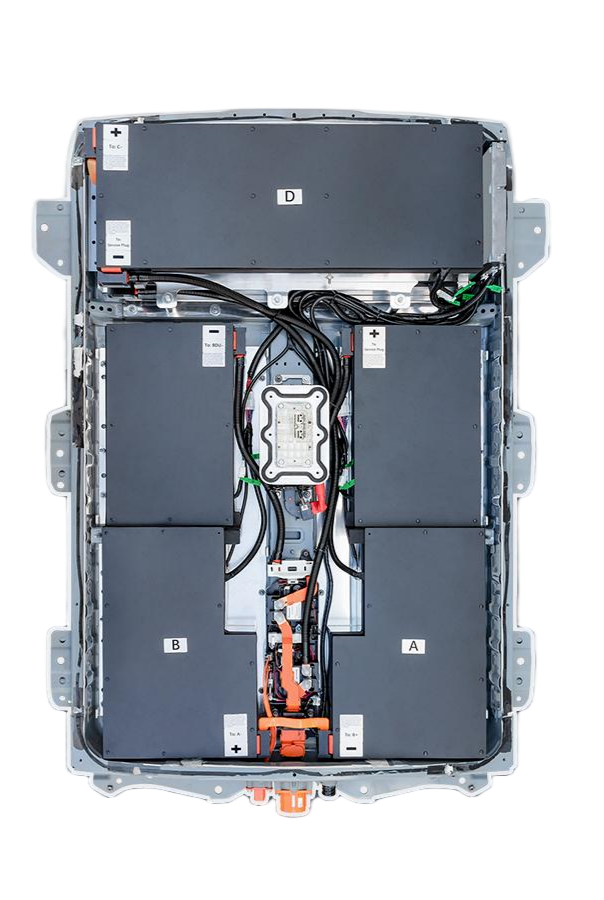
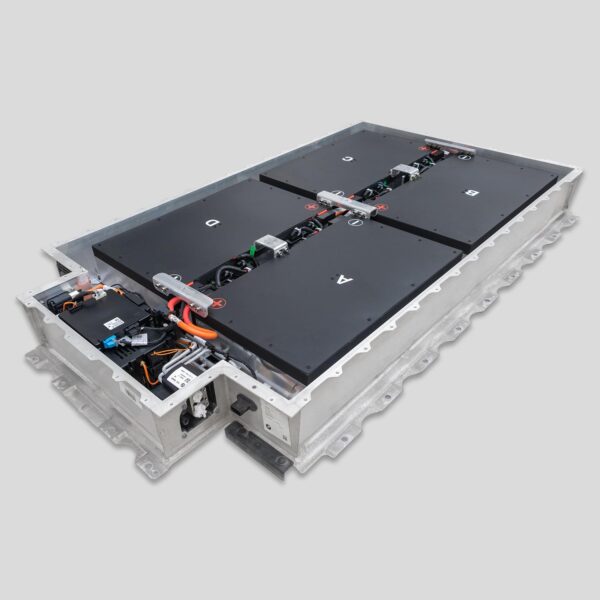
Locate the main high-voltage connectors (usually near the battery pack under the rear seats and at the front power electronics).
- Look for green/white corrosion on the metal pins.
- Check for black soot or melting on the plastic housing.
- Ensure the orange locking clips are fully engaged.
Phase 2: Cleaning the Contacts
- Disconnect: Carefully release the locking mechanism and separate the connector halves. Do not pull on the wires; pull on the connector housing.
- Clean: Use 99% Isopropyl Alcohol and a lint-free cloth or a specialized electrical contact cleaner spray. Gently wipe the metal pins.
- Pro Tip: For stubborn oxidation, use a fiberglass pen or a very fine abrasive pad designed for electrical contacts. Do not use sandpaper, which leaves conductive debris.
- Dry: Allow the alcohol to evaporate completely. It must be bone dry before reconnecting.
Phase 3: Protection & Reassembly
- Dielectric Grease: Apply a thin layer of high-voltage dielectric grease to the rubber seals and the outer shell of the connector.
- Warning: DO NOT get grease on the actual metal contact pins. Grease is an insulator; if it gets between the pins, it will block electricity and cause immediate failure.
- Reconnect: Push the connectors together firmly until you hear a distinct click. Ensure the orange lock snaps into place.
- Test: Turn the car on and check for error codes.
When Cleaning Isn’t Enough: The Signs of Permanent Damage
Sometimes, the damage is already done. If you inspect your connectors and see the following, cleaning will not fix the problem:
- Melted Plastic: If the connector housing is warped or melted, the structural integrity is gone. It must be replaced.
- Pitted/Burnt Pins: If the metal pins are black, pitted, or eroded, they cannot make a proper connection. They need replacement.
- Repeated Faults: If you clean the connectors but the “Isolation Fault” or “Charge Power Reduced” warnings return within days, the issue may be internal to the battery pack or the cables themselves.
The Hard Truth: If your connectors are severely damaged, simply replacing the connector pigtail might not be enough. The heat may have traveled up the cable or damaged the battery terminal itself.
The CNS BATTERY Solution: Upgrade for Perfect Connections
If your connectors are damaged, or if you are tired of worrying about corrosion and resistance eating away at your range, CNS BATTERY offers the ultimate solution: a complete battery upgrade with brand-new, factory-perfect connection points.
Why Upgrading Solves Connection Issues Forever
- Pristine Terminals: Our BMW i3 Series Battery replacements come with brand-new, corrosion-free high-voltage terminals and connectors. No oxidation, no pitting, no resistance.
- Advanced Materials: We use updated connector designs and sealing technologies that are more resistant to road salt, moisture, and thermal cycling than the original 10-year-old parts.
- Perfect Fitment: Our packs plug directly into your existing harness. If your old cables are slightly damaged, we can often replace the mating ends during installation to ensure a perfect seal.
- Double the Range: While solving your connection headaches, you upgrade from a failing 60 Ah or 94 Ah pack to a 120 Ah equivalent, giving you 130+ miles of range.
- Cost Efficiency: Replacing damaged cables and connectors at a dealership can cost $1,000–$2,000 USD. If the battery terminals are damaged, the cost skyrockets. Our complete upgrade solutions typically range from $8,000 to $12,000 USD, which includes new terminals, new cables (if needed), and a battery with double the capacity.
Real Story: From “Melting Plug” to “Rock Solid Power”
Meet David, a 2015 i3 owner. He kept getting “Charge Power Reduced” errors. A local shop cleaned his connectors, but the problem returned two weeks later. Upon deeper inspection, they found the main battery connector was internally melted due to long-term resistance buildup. The dealer quoted him $1,500 just to repair the wiring harness, plus $18,000 for a new battery because the heat had damaged the pack terminals.
David contacted CNS BATTERY. We diagnosed the heat damage and recommended a full 120 Ah upgrade. “They replaced the whole system,” David says. “New battery, new terminals, perfect connections. I now have 135 miles of range, and I never worry about melting plugs again. It was cheaper than the dealer’s repair quote and gave me triple the range.”
Don’t Let a Dirty Connector Ground Your Car
Your BMW i3 battery connector is a critical choke point for your vehicle’s power. Regular inspection and cleaning can prevent catastrophic failures. But if damage has already occurred, don’t patch a compromised system.
Upgrade to a solution that guarantees perfect connectivity, zero resistance, and maximum range.
Are you experiencing charging faults or connection warnings?
Stop risking a meltdown. Contact CNS BATTERY today for a professional high-voltage connection inspection. We’ll tell you if a simple cleaning will work or if it’s time for a battery upgrade that eliminates connection issues forever.
👉 Get Your Connector & Battery Assessment
Frequently Asked Questions (FAQ)
1. How often should I clean my BMW i3 battery connectors?
We recommend a visual inspection and cleaning every 2 years or 30,000 miles, especially if you live in a coastal area or a region that uses heavy road salt in winter.
2. Can I use regular WD-40 on high-voltage connectors?
No. Regular WD-40 contains oils that can attract dust and degrade rubber seals over time. You must use 99% Isopropyl Alcohol for cleaning and high-voltage dielectric grease for protection. Never use conductive lubricants.
3. What happens if I get dielectric grease on the metal pins?
If grease gets on the contact surfaces, it will act as an insulator, blocking the flow of electricity. This will cause immediate connection failure, arcing, and potentially melt the connector. Only apply grease to the rubber seals and outer housing.
4. My connector looks melted. Can I just clean it?
No. If the plastic is melted or the pins are burnt/pitted, the component is structurally compromised. It must be replaced. Continuing to use a damaged connector is a major fire risk.
5. Will cleaning my connectors fix my “Charge Power Reduced” error?
If the error is caused solely by surface oxidation or dirt, yes. However, if the error persists after cleaning, the damage may be internal to the battery cells, the onboard charger, or the cables themselves, requiring professional diagnosis.
6. How much does it cost to replace damaged connectors?
Replacing a high-voltage connector assembly typically costs $300–$600 USD for parts and labor. If the heat damage has spread to the battery terminals or wiring harness, costs can exceed $2,000.
7. Does a CNS BATTERY upgrade include new connectors?
Yes. Our BMW i3 Series Battery upgrades come with brand-new, factory-spec terminals and connectors. We ensure the entire high-voltage interface is pristine, eliminating any risk of resistance or corrosion from your old components.