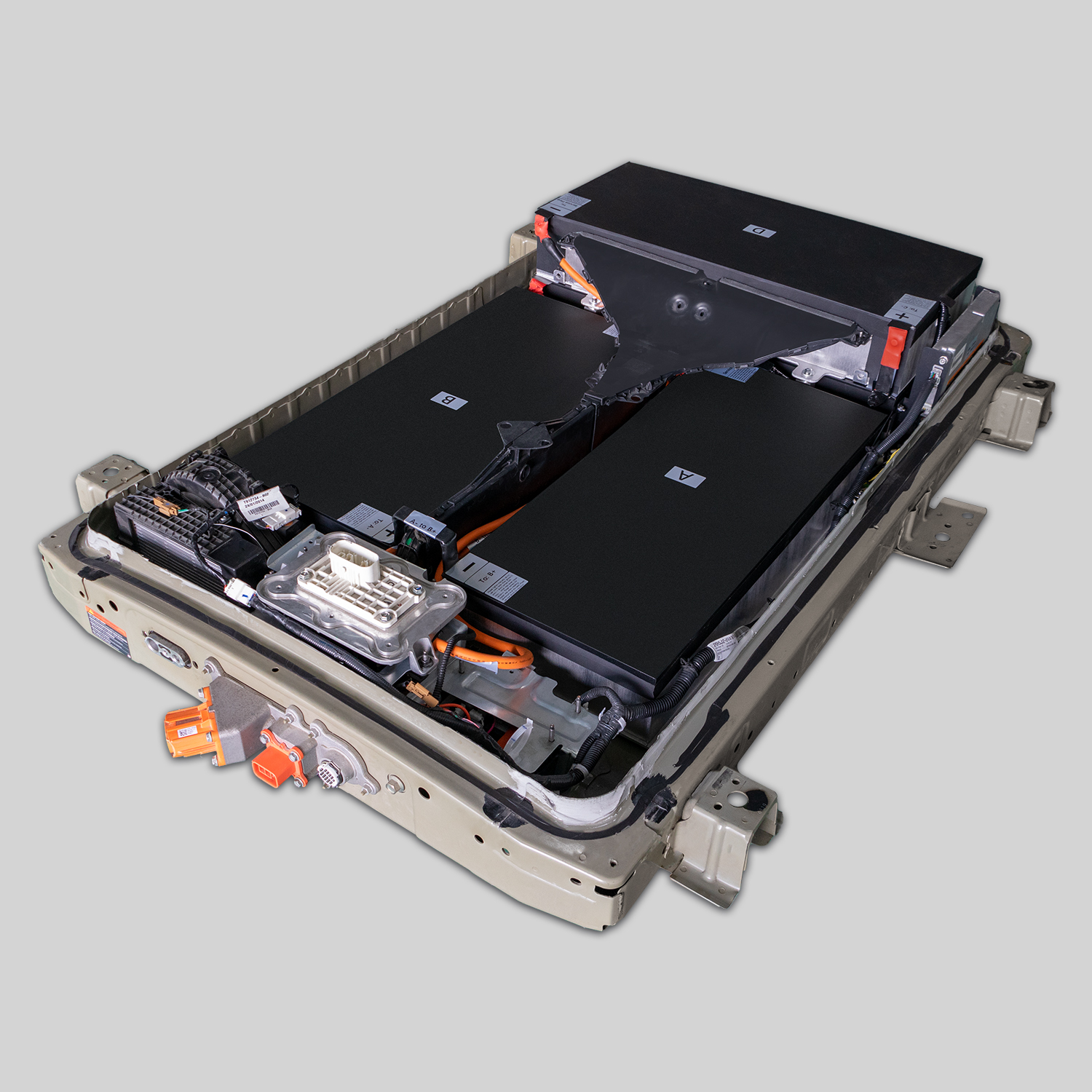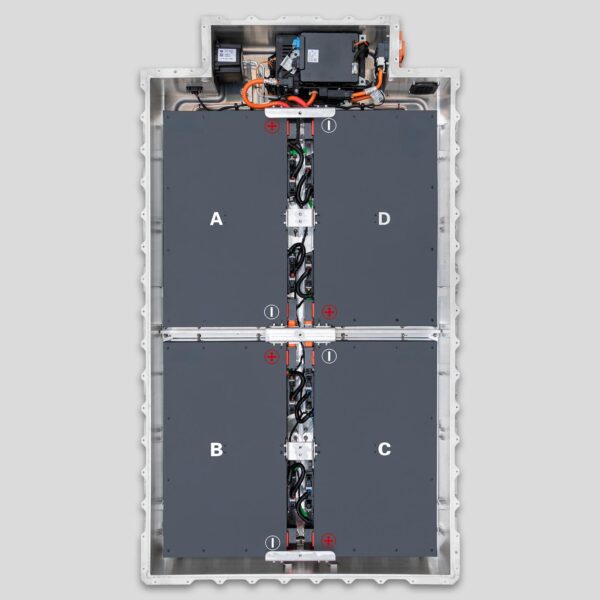
BMW i3 Battery Software Glitch: Fix Range Issues or Replace the Pack?
Your BMW i3’s dashboard is playing tricks on you. Yesterday, the “Guess-O-Meter” (GOM) confidently displayed 75 miles of range. Today, after a gentle 10-mile drive in mild weather, it plummets to 35 miles. You plug in to charge, and the car stubbornly stops at 88%, claiming the battery is full, even though you know it should go to 100%.
Panic sets in. Is my battery dead? Do I need a $20,000 replacement?
Before you resign yourself to a massive repair bill, consider a different possibility: It might just be a software glitch.
The BMW i3 relies on complex algorithms to estimate range and manage cell balancing. Sometimes, these systems get confused, leading to inaccurate readings that mimic physical battery failure. But how do you distinguish between a fixable software error and irreversible chemical degradation? And if it is hardware, what are your real options?
At CNS BATTERY, we are experts in diagnosing the fine line between digital confusion and physical decay. We have helped hundreds of owners solve “mystery range loss” by identifying the root cause. This guide reveals how to troubleshoot common BMW i3 battery software glitches, when a reset actually works, and why, for many aging i3s, the only true fix is a hardware upgrade that renders software worries obsolete.
The Digital Deception: How Software Mimics Failure
Your i3’s Battery Management System (BMS) doesn’t measure range directly; it calculates it based on voltage, current, temperature, and historical data. When this data gets corrupted or out of sync, the results can be terrifyingly misleading.
Common Software-Induced Symptoms
- The “Volatile” GOM: Range estimates swing wildly (e.g., jumping from 40 to 70 miles) without any change in driving conditions.
- Premature Charging Stops: The car halts charging at 80-90% because the BMS thinks one cell group is full due to imbalance, even though the rest of the pack isn’t.
- False “Maximum Charge Level Reduced” Warnings: The car flags a degradation error that disappears after a reboot.
- Zero Regenerative Braking: The car refuses to regen despite a healthy-looking charge level, often due to a sensor calibration error.
In these cases, the battery cells might be perfectly fine. The “brain” of the car is just misinterpreting the data.
DIY Fixes: Resetting the Confusion
If you suspect a software glitch, there are a few safe steps you can take to recalibrate the system before seeking professional help.
1. The 12V Auxiliary Battery Reset
The i3’s high-voltage system relies on the 12V battery to wake up its computers. A weak or confused 12V connection can cause HV errors.
- The Fix: Disconnect the negative terminal of the 12V battery (located in the front trunk) for 15–20 minutes. Reconnect it firmly.
- The Result: This forces a hard reboot of all control modules. Upon restarting, the car may re-evaluate the battery state and correct erroneous range estimates.
2. The Forced Balancing Cycle
Sometimes the BMS loses track of cell alignment.
- The Fix: Charge the vehicle to 100% (or as high as it will go) using a Level 2 charger. Once it indicates “Full,” leave it plugged in for another 12–24 hours.
- The Mechanism: The i3 performs passive balancing only when at 100% and plugged in. This extended period allows the BMS to bleed off excess voltage from high cells, letting weaker cells catch up.
- The Result: If the issue was simple cell imbalance, your usable range may recover by 5–10 miles, and the charging limit may return to 100%.
3. Diagnostic Tool Recalibration
For advanced users, tools like BimmerLink or ISTA can force a BMS reset or clear specific adaptation values.
- Warning: Use these tools with caution. Incorrect coding can corrupt your battery data, making the problem worse.
The Hard Truth: When It’s Not a Glitch
Here is the critical reality check: Software cannot fix physical damage.
If you perform the resets above and your range remains critically low (e.g., <50 miles for a 60Ah model), or if the “Max Charge Level” warning returns immediately, you are likely facing chemical degradation, not a software bug.
Signs of Irreversible Hardware Failure
- Consistent Low SOH: A professional scan shows State of Health below 70%.
- High Cell Deviation: The voltage difference between cells is >0.05V, indicating permanent module failure.
- Physical Swelling or Leaks: Visible signs of battery distress.
- No Recovery After Balancing: The extended charge cycle yields no improvement in range or charging limits.
In these scenarios, no amount of resetting, rebooting, or recoding will restore your miles. The energy storage capacity is physically gone. Trying to “fix” it with software is like trying to fix a flat tire by resetting the TPMS sensor—the warning might clear, but the car still won’t drive properly.
The CNS BATTERY Solution: Upgrade Beyond the Glitch
If your diagnostics confirm that your battery is chemically aged, stop wasting time on digital band-aids. At CNS BATTERY, we offer the definitive solution: replacing your degraded, glitch-prone pack with a modern, high-capacity unit that eliminates the problem entirely.
Why Upgrade Instead of Troubleshooting?
- Permanent Resolution: Our BMW i3 Series Battery replacements come with brand-new cells that have zero deviation and 100% State of Health. No more guessing games, no more false warnings.
- Double the Range: Swap your failing 60 Ah or 94 Ah pack for a 120 Ah equivalent. Go from a stressful 40 miles to 130+ miles of reliable driving.
- Advanced BMS Integration: Our packs communicate flawlessly with your i3’s computer, providing accurate, stable range estimates from day one. The “Guess-O-Meter” becomes a reliable predictor again.
- Cost Efficiency: A dealership OEM replacement costs $18,000–$22,000 USD just to restore original specs. Our upgrade solutions typically range from $8,000 to $12,000 USD, giving you double the performance for half the price.
- Warranty Peace of Mind: We back our upgrades with a comprehensive warranty. If a sensor drifts or a cell fails, we fix it. No DIY resets required.
Real Story: From “Glitch Hunter” to “Range King”
Meet Sarah, a 2015 i3 owner. For months, she chased a “ghost” range issue. Her GOM would drop randomly, and charging would stop early. She tried every reset trick in the book, bought expensive diagnostic tools, and even disconnected her 12V battery weekly. Nothing worked permanently.
She finally brought her car to a CNS BATTERY partner for a professional scan. The data was clear: her SOH was 64% with three failed modules. “It wasn’t a glitch,” we told her. “Your battery is physically degraded.” Sarah opted for our 120 Ah upgrade. Two days later, she was driving 135 miles with a rock-solid range display. “I wasted so much time trying to software-fix a hardware problem,” Sarah says. “CNS BATTERY didn’t just fix the glitch; they gave me a whole new car experience.”
Stop Guessing, Start Driving
A BMW i3 battery software glitch can be frustrating, but it’s often solvable with a simple reset. However, don’t let the hope of a quick fix blind you to the reality of aging hardware. If your range is consistently low despite your best troubleshooting efforts, it’s time to accept the truth and take action.
Don’t settle for a car that lies to you about its range. Upgrade to a solution that delivers accuracy, reliability, and incredible distance.
Is your BMW i3 showing erratic range or charging errors?
Stop guessing with DIY resets. Contact CNS BATTERY today for a professional diagnostic assessment. We’ll tell you honestly if it’s a simple software fix or if it’s time for a game-changing battery upgrade that solves the problem forever.
👉 Get Your Expert Diagnostic & Quote
Frequently Asked Questions (FAQ)
1. Can a software update really fix my low range?
Only if the low range is caused by a calibration error or cell imbalance. If your battery cells are physically degraded (low State of Health), no software update can restore lost capacity. Software manages the energy; it cannot create it.
2. How do I know if it’s a glitch or a bad battery?
Perform a forced balancing cycle (charge to 100% and leave plugged in for 24 hours). If your range improves significantly and stays stable, it was likely an imbalance (fixable). If the range remains low or the error returns immediately, your battery is likely chemically degraded and needs replacement. A professional scan is the only way to be 100% sure.
3. Will disconnecting the 12V battery fix my range issues?
It can clear temporary error codes and reset the BMS logic, which might stabilize a volatile range estimate. However, it will not increase your actual driving range if the high-voltage battery cells are worn out.
4. What does “Maximum Charge Level Reduced” mean?
This warning usually indicates that the BMS has detected a weak cell or module that cannot safely reach 100%. While sometimes caused by temporary imbalance (fixable via balancing), it is most often a sign of permanent cell degradation.
5. How much does a professional diagnostic cost?
Dealerships often charge $150–$250 USD for a diagnostic session. At CNS BATTERY, we often provide a comprehensive assessment as part of our consultation process, especially if you proceed with an upgrade, ensuring you get unbiased, expert analysis.
6. If my battery is degraded, can CNS BATTERY help?
Yes. If diagnostics confirm physical degradation, we offer high-capacity upgrades (e.g., 120 Ah) that replace your old, glitchy pack with a new, reliable one. This eliminates all software-related range errors caused by old cells and typically costs $8,000–$12,000 USD, far less than a dealership OEM replacement.
7. Is it safe to use third-party tools like BimmerLink?
Yes, tools like BimmerLink are safe for reading data and monitoring cell voltages. However, be very cautious when using them to write data or force resets, as incorrect commands can corrupt your BMS. If you are unsure, leave it to the professionals.