BMW i3 Battery Cooling System Fluid: How to Check Before It’s Too Late
Your BMW i3 is more than just a car; it’s a精密 machine where thermal management is the difference between a decade of reliability and a catastrophic failure. You check your tire pressure, top up your windshield washer fluid, and maybe even monitor your 12V battery. But there is one critical lifeline that most owners completely ignore until it’s too late: the battery cooling system fluid.
Unlike gasoline cars that scream when they overheat, an electric vehicle’s battery can silently cook itself from the inside out if the coolant level drops or the fluid degrades. A low coolant level doesn’t just mean a warm cabin; it means your high-voltage cells are running hotter, aging faster, and risking permanent capacity loss or even thermal runaway.
At CNS BATTERY, we specialize in the longevity of the i3 powertrain. We’ve seen too many “mystery degradation” cases turn out to be simple, preventable cooling system neglect. This guide shows you exactly how to check your BMW i3 battery cooling system fluid, what the warning signs are, and why maintaining this invisible shield is the cheapest insurance policy you can buy for your EV’s most expensive component.
Why Coolant is the Lifeblood of Your i3 Battery
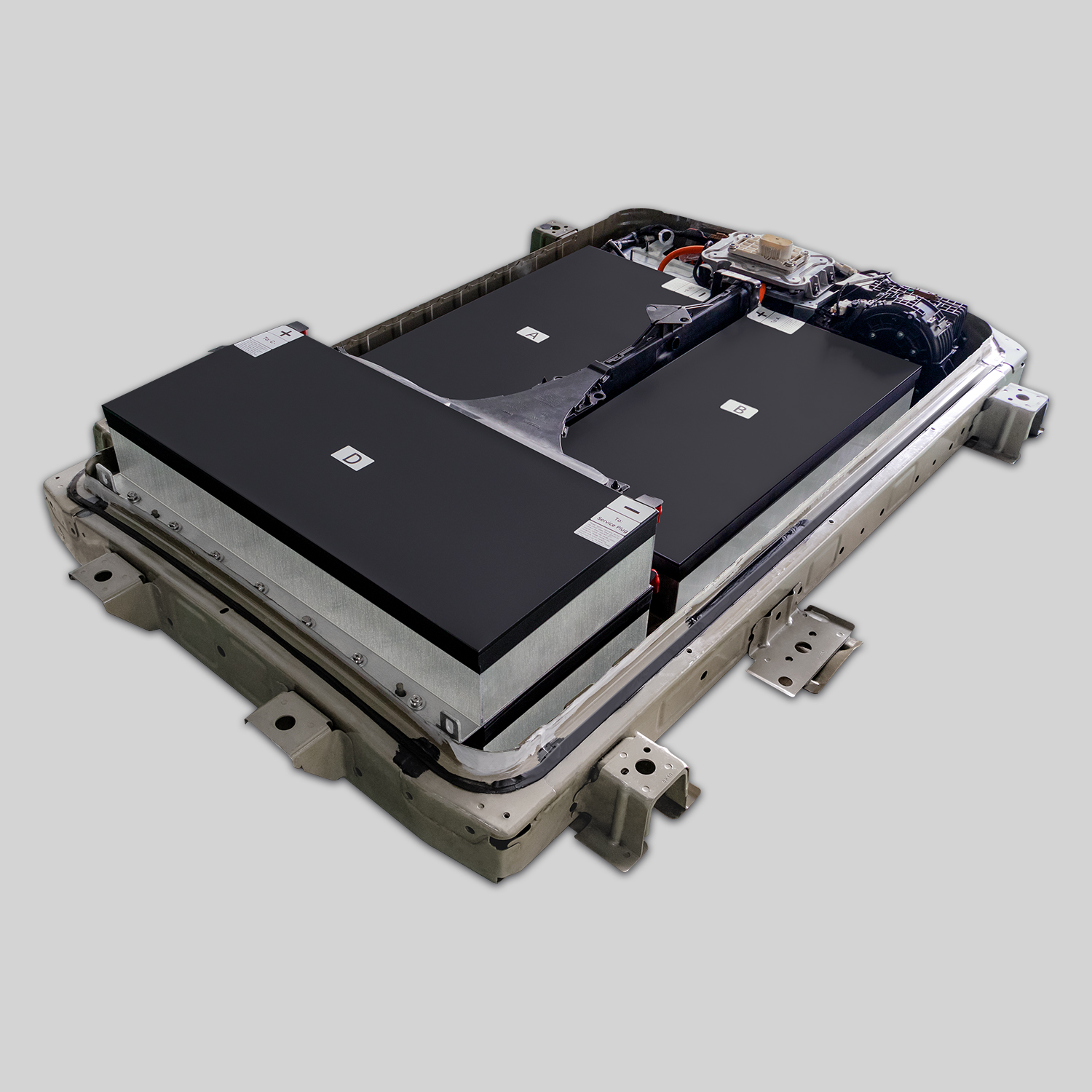
The BMW i3 (specifically 94 Ah and 120 Ah models, and retrofitted 60 Ah packs) uses a sophisticated liquid cooling loop to keep the battery pack within its optimal temperature window (20°C–45°C).
- Heat Dissipation: During fast charging or aggressive driving, cells generate intense heat. The coolant absorbs this heat and transfers it to the radiator.
- Cold Protection: In winter, the system warms the coolant to ensure the battery can accept a charge and deliver power efficiently.
- Uniformity: It ensures every module in the pack stays at the same temperature, preventing cell imbalance.
If the fluid level is low, air pockets form. Air does not transfer heat like liquid. The result? Hot spots develop in the battery pack, accelerating degradation in those specific modules while the rest of the pack remains cool. This leads to the dreaded cell voltage deviation that kills your range.
Step-by-Step: How to Check Your Coolant Level
Checking the coolant on a BMW i3 is slightly different than on a gas car because the reservoir location varies by model year and the system is high-voltage adjacent.
⚠️ Critical Safety Warning
NEVER open the cooling system when the car is hot. The system is pressurized, and opening it while hot can spray scalding liquid, causing severe burns. Always let the car sit for at least 30–60 minutes after driving before checking.
Location of the Reservoir
- 2014–2016 (Early 60 Ah): Some early models rely more on air cooling, but if equipped with liquid cooling, the reservoir is often located under the front trunk (frunk) floor panel or accessible via the side skirt area.
- 2017+ (94 Ah & 120 Ah): The expansion tank is typically located in the front trunk (frunk). Look for a translucent plastic sphere or cylinder with blue/green fluid inside.
The Inspection Process
- Park on Level Ground: Ensure the car is on a flat surface for an accurate reading.
- Open the Frunk: Release the hood and locate the coolant expansion tank. It usually has a black cap with a warning symbol (a thermometer or steam).
- Visual Check: The tank is translucent. Look for the MIN and MAX markings on the side.
- Ideal Level: The fluid should be between MIN and MAX, ideally closer to MAX when cold.
- Low Level: If the fluid is below the MIN line, you have a leak or significant evaporation (though evaporation should be minimal in a sealed system).
- Check the Color: BMW coolant is typically blue or green.
- Good: Bright, clear color.
- Bad: Brown, rusty, oily, or cloudy fluid indicates internal corrosion or contamination. This fluid has lost its ability to transfer heat and protect against freezing/boiling.
What If the Level Is Low?
If you find the level below MIN, do not just top it off and forget it. A closed-loop cooling system should not lose fluid. A low level is a symptom of a problem.
Common Causes of Loss
- External Leaks: Check under the car for puddles (coolant is slippery and smells sweet). Inspect hoses, the radiator, and the water pump housing for crusty residue.
- Water Pump Failure: The electric water pump is a common failure point on the i3. If it stops circulating, the level might appear normal locally but no cooling occurs.
- Internal Pack Leak: In rare but severe cases, coolant can leak into the battery pack. This causes isolation faults and immediate battery damage. If you see low coolant but no external leaks, seek professional help immediately.
Topping Up Correctly
If you must top up:
- Use only BMW-approved HT-12 coolant (or equivalent phosphate-free HOAT coolant). Mixing wrong types can cause gelation and clog your system.
- Mix with distilled water if buying concentrate (usually 50/50 mix). Never use tap water, as minerals cause corrosion.
The Hidden Danger: When Fluid Checks Aren’t Enough
You can have full fluid levels and still have a cooling problem.
- Air Pockets: If the system wasn’t bled correctly after a previous service, air bubbles can block flow to specific battery modules.
- Pump Degradation: The electric pump might be spinning but moving fluid too slowly to handle heat loads.
- Radiator Clogs: Debris (leaves, bugs, plastic bags) can clog the radiators located near the rear wheels, preventing heat dissipation even with perfect fluid levels.
If your car frequently displays “Maximum Charge Power Reduced” or “Drivetrain Malfunction” in hot weather or during fast charging, your cooling system is failing to do its job, regardless of the fluid level. Ignoring this leads directly to permanent battery cell damage.
Once cells are heat-damaged, no amount of fresh coolant will restore their capacity. The chemical structure is compromised. At this stage, you face a costly dilemma: live with reduced range or replace the pack.
The CNS BATTERY Solution: Prevention and Restoration
At CNS BATTERY, we advocate for proactive maintenance to prevent cooling-related failures. But if neglect has already taken its toll and your battery health has plummeted, we offer the ultimate restoration solution.
Why Choose CNS BATTERY for Cooling-Related Issues?
- Comprehensive Diagnostics: We don’t just check fluid; we scan cell temperatures, test pump flow rates, and measure internal resistance to see if heat has damaged your cells.
- Upgraded Thermal Resilience: Our replacement BMW i3 Series Battery packs use modern cells with lower internal resistance. They generate less heat during operation, putting less strain on your cooling system and reducing the risk of future overheating.
- System Integration: When we install a new pack, we ensure the entire cooling loop is flushed, bled, and functioning perfectly with fresh, correct-spec coolant.
- Cost-Effective Recovery: If your original pack is heat-damaged, a dealership OEM replacement costs $18,000–$22,000 USD. Our upgraded solutions typically range from $8,000 to $12,000 USD, giving you double the range and better thermal stability for half the price.
Real Story: From “Overheated” to “Overachieving”
Meet James, a 2017 i3 owner. He noticed his fast charging speeds dropping in summer but assumed it was just the weather. He never checked his coolant. A year later, his car went into limp mode permanently. A scan revealed two battery modules were cooked due to a slow leak he missed. The dealer quoted $19,500 for a new pack.
James contacted CNS BATTERY. We diagnosed the root cause: a slow pump failure combined with low coolant that led to cell degradation. We replaced his damaged pack with a 120 Ah upgrade and flushed his entire cooling system. “I thought I just needed fluid,” James says. “Turns out I needed a whole new heart. Now my car runs cooler than ever, and I have 135 miles of range. Lesson learned: check your coolant!”
Don’t Let Low Fluid Cook Your Investment
Checking your BMW i3 battery cooling system fluid takes five minutes but can save you thousands. Make it part of your seasonal maintenance routine. Look for leaks, check the level, and inspect the color.
But if you suspect your battery has already suffered from heat stress, don’t wait for a total failure. Take action today to restore your vehicle’s performance and reliability.
Is your BMW i3 showing signs of cooling issues or reduced range?
Don’t gamble with your battery’s health. Contact CNS BATTERY today for a professional thermal system diagnostic. Discover how our BMW i3 Series Battery upgrades can solve your cooling woes, restore your range, and protect your investment for the long haul.
👉 Get Your Cooling & Battery Assessment Now
Frequently Asked Questions (FAQ)
1. How often should I check my BMW i3 battery coolant?
We recommend checking the coolant level every 6 months or before extreme seasons (summer and winter). Regular checks help catch small leaks before they lead to major overheating issues.
2. What kind of coolant does the BMW i3 use?
The i3 requires a specific phosphate-free HOAT (Hybrid Organic Acid Technology) coolant, typically BMW HT-12 (blue/green). Using the wrong type can cause chemical reactions that clog the cooling system and damage the battery. Always consult your owner’s manual or a specialist.
3. Can I use water instead of coolant in an emergency?
In a dire emergency to get to a shop, you can add a small amount of distilled water. Never use tap water due to mineral content. However, you must flush and refill with the correct coolant mixture as soon as possible to maintain freeze protection and corrosion inhibition.
4. What happens if I drive with low coolant?
Driving with low coolant creates air pockets that prevent heat transfer. This causes hot spots in the battery pack, leading to accelerated cell degradation, reduced range, charging throttling, and in severe cases, permanent battery failure or fire risk.
5. My coolant level is fine, but my car still overheats. Why?
Level isn’t everything. You may have a failing electric water pump, a clogged radiator, air trapped in the lines, or a thermostat stuck closed. A professional diagnostic is needed to test flow rates and system pressure.
6. Can low coolant cause my battery to fail completely?
Yes. Sustained overheating due to low coolant can permanently damage the internal chemistry of the lithium-ion cells. Once cells are heat-damaged, their capacity is lost forever, often necessitating a full battery replacement.
7. If my battery is damaged by heat, can CNS BATTERY help?
Absolutely. If diagnostics confirm heat-related degradation, CNS BATTERY can replace your damaged pack with a modern, thermally stable 120 Ah upgrade. Our solutions are designed to handle heat better than original units and typically cost $8,000–$12,000 USD, significantly less than dealership OEM replacements.