BMW i3 Battery Cooling Fan Not Working? The Critical Fix You Can’t Ignore
It’s a scorching summer afternoon, or perhaps you’ve just finished a spirited drive up a mountain pass. You pull over, and instead of the familiar hum of your BMW i3’s cooling system, there is an eerie silence. No whirring fans. No airflow. Minutes later, the dashboard erupts: “Drivetrain Malfunction,” “Maximum Charge Level Reduced,” or worse, the car goes into “Limp Mode,” refusing to accelerate.
Your BMW i3 battery cooling fan is not working.
While a broken fan might seem like a minor mechanical issue compared to a dead engine in a gas car, in an electric vehicle, it is a ticking time bomb. Without active cooling, your high-voltage battery can overheat in minutes, leading to permanent cell degradation, thermal runaway, or a complete system shutdown that leaves you stranded.
At CNS BATTERY, we specialize in the thermal health of the i3 powertrain. We know that a silent fan is often the first symptom of a much larger crisis. This guide explains why your fan stopped, the immediate dangers of ignoring it, and why fixing the fan might just be the first step toward a necessary battery upgrade.
Why Your BMW i3 Cooling Fan Stopped: Common Culprits
The BMW i3 relies on a sophisticated liquid cooling and air ventilation system to keep its battery pack within a safe operating temperature (typically 20°C–45°C). When the fans fail, the heat has nowhere to go.
1. Electrical Failure (Motor or Resistor)
The most common cause is a burnt-out fan motor or a failed blower resistor. Over years of operation, the bearings wear out, or the electrical windings short circuit. When this happens, the fan simply won’t spin, regardless of how hot the battery gets.
2. Clogged Intakes and Debris
The i3’s cooling intakes are located near the rear wheels and under the chassis. They are prone to sucking in leaves, plastic bags, road salt, and dust. A severely clogged intake can stall the fan motor or prevent airflow even if the fan is spinning.
3. Software or Sensor Glitches
Sometimes the fan is fine, but the Brain (BMS) doesn’t know to turn it on. A faulty temperature sensor can send incorrect data, telling the car the battery is “cold” when it’s actually boiling. Similarly, software bugs in older i3 models can prevent the fan control module from activating.
4. Coolant Pump Failure (Liquid Cooled Models)
For 94 Ah and 120 Ah models (and some retrofitted 60 Ah packs), the system uses liquid coolant circulated by an electric pump. If the pump fails, the fans might run, but no heat is transferred away from the cells, leading to the same overheating symptoms.
The Danger Zone: What Happens When Cooling Fails?
You might think, “I’ll just drive slowly to avoid heat.” This is a dangerous gamble.
- Accelerated Degradation: Heat is the #1 enemy of Lithium-Ion batteries. Driving with a non-functional cooling system can permanently reduce your battery capacity by 10-20% in a single hot day.
- Charging Throttling: The car will detect high temperatures and drastically reduce charging speeds. A 30-minute fast charge could turn into a 3-hour ordeal, or charging may stop entirely.
- Thermal Runaway: In extreme cases, unchecked heat can lead to thermal runaway, where the battery generates its own heat uncontrollably, potentially causing a fire.
- Total System Lockout: Eventually, the BMS will isolate the high-voltage battery to prevent catastrophe. Your car will become a paperweight until the cooling system is repaired.
DIY Fixes vs. Professional Intervention
Can you fix a BMW i3 battery cooling fan yourself?
- Cleaning Intakes: Yes. Carefully removing debris from the visible vents can sometimes restore airflow.
- Replacing the Fan Motor: For advanced DIYers with electrical knowledge, swapping the fan unit is possible. However, accessing the fan often requires removing interior trim or underbody panels, and testing the new unit requires diagnostic software to force the fan on.
- The Hidden Risk: If you replace the fan but the underlying issue was a coolant leak or a failing battery cell generating excessive heat, the new fan will just work harder until it too fails.
Crucial Insight: Often, a fan works overtime because the battery cells inside are degraded and generating excess heat. The fan isn’t the problem; it’s the victim trying to save a dying pack.
The CNS BATTERY Solution: Beyond Just a Fan Replacement
If your cooling fan has failed, it’s a wake-up call. But if your battery is already old and struggling to stay cool, simply replacing the fan might not be enough. You need a holistic solution that addresses both the cooling failure and the underlying battery health.
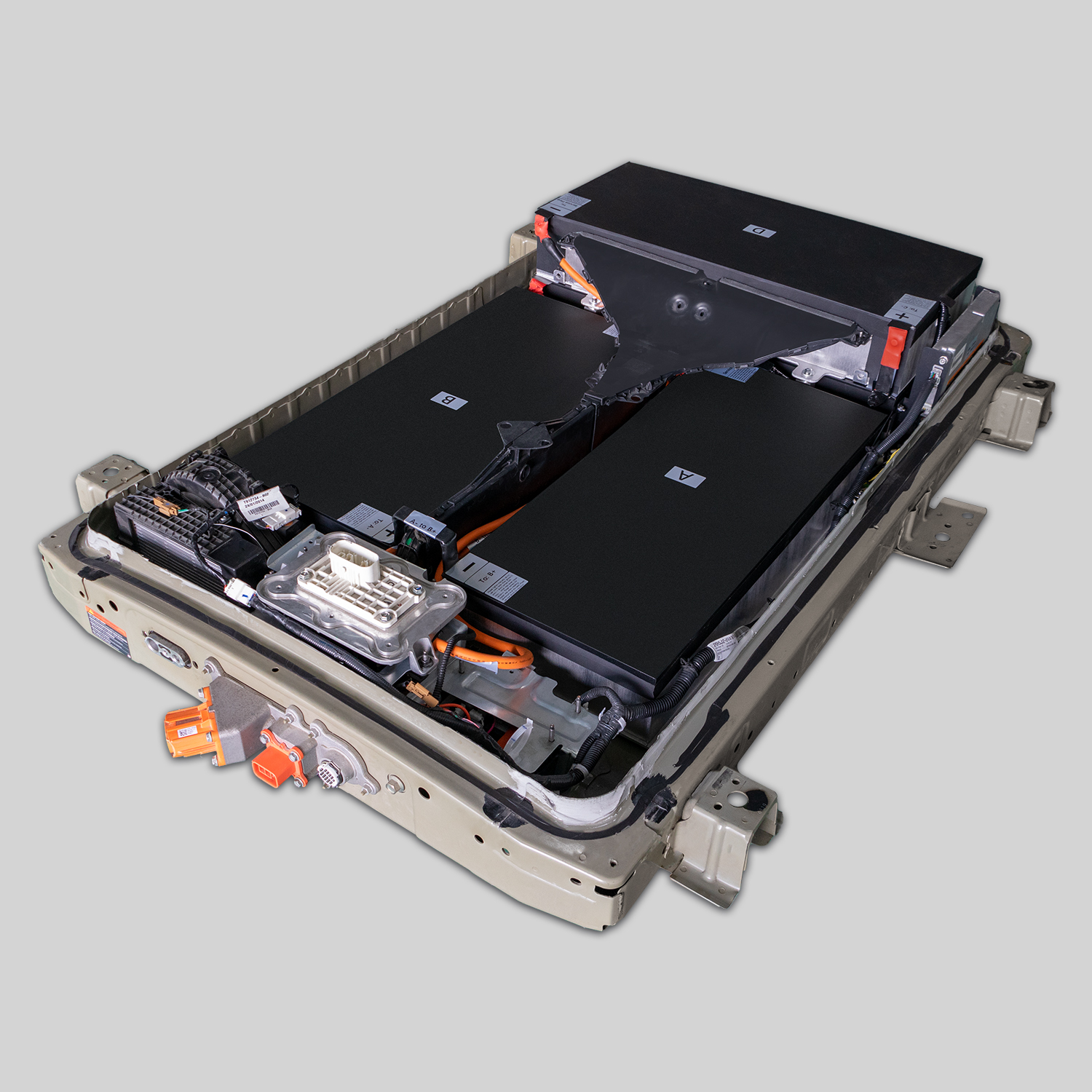
At CNS BATTERY, we offer a superior path forward. Instead of patching an aging system, we provide BMW i3 Series Battery replacements that come with brand-new, integrated thermal management components.
Why Upgrade with CNS BATTERY?
- Fresh Cooling Components: Our replacement packs include new, tested cooling interfaces and are compatible with refurbished or new pump/fan systems, ensuring optimal thermal regulation from day one.
- Modern Cell Chemistry: Newer cells generate less internal heat during charging and discharging compared to aged OEM cells. They are easier to cool and more resistant to thermal stress.
- Eliminate Overheating Risks: By replacing a degraded, heat-prone pack, you remove the root cause of the excessive thermal load that likely killed your fan in the first place.
- Capacity & Range Boost: Solve your cooling issues while doubling your range. Upgrade from a failing 60 Ah pack to a 120 Ah equivalent, giving you 130+ miles of range with a robust thermal profile.
- Cost-Effective Reliability: A dealership repair involving fan replacement, coolant flush, and diagnostics can cost $1,500–$2,500 USD. If the battery is also damaged by heat, that bill skyrockets. Our complete replacement solutions typically range from $8,000 to $12,000 USD, offering a permanent fix for the fan and the battery for half the cost of an OEM swap.
Real Story: From Overheating to Overachieving
Meet David, an i3 owner in Arizona. His cooling fan died in July. He replaced the fan himself, but two weeks later, the car started throttling again. A scan revealed his battery cells were so degraded they were generating excessive heat, overwhelming even the new fan. The dealer quoted him $19,000 for a new pack.
David contacted CNS BATTERY. We replaced his heat-damaged pack with a modern 120 Ah upgrade. The new battery runs cooler, charges faster, and the cooling system now operates efficiently. “I thought I just needed a fan,” David says. “Turns out I needed a whole new heart. Now my car handles the desert heat better than ever.”
Don’t Let Heat Destroy Your EV
A BMW i3 battery cooling fan not working is a critical emergency. Ignoring it risks permanent battery damage and safety hazards. While replacing the fan is a necessary repair, ensure you aren’t just treating the symptom of a deeper battery failure.
Take control of your vehicle’s thermal health today. Choose a solution that guarantees cooling efficiency and long-term reliability.
Is your BMW i3 overheating or showing cooling errors?
Stop risking your battery’s life. Contact CNS BATTERY today for a professional assessment. Discover how our BMW i3 Series Battery replacements can solve your cooling issues, restore your range, and keep you driving safely in any weather.
👉 Get Your Thermal Health Assessment & Quote
Frequently Asked Questions (FAQ)
1. How do I know if my BMW i3 battery cooling fan is broken?
Signs include the car going into “Limp Mode” during hot weather or fast charging, error messages like “Drivetrain Malfunction” or “Cooling System Fault,” and physically hearing no fan noise when the car is plugged in or after a drive.
2. Can I drive my i3 if the cooling fan isn’t working?
No. Driving without active cooling risks severe battery overheating, which can cause permanent capacity loss or even a fire. The vehicle should be towed to a specialist immediately.
3. How much does it cost to replace the cooling fan?
Parts and labor at a dealership typically range from $800 to $1,500 USD. Independent shops may charge $400 to $800 USD. However, if the battery has already suffered heat damage, additional repairs or a full replacement will be needed.
4. Will a new battery from CNS BATTERY solve cooling issues?
Yes. Our BMW i3 Series Battery replacements use modern cells that generate less heat and are paired with verified thermal management components. This eliminates the excessive thermal load that often causes fan failures in older packs.
5. Can a bad battery cause the fan to fail?
Indirectly, yes. If battery cells are degraded, they generate more internal resistance and heat. This forces the fan to run at maximum speed constantly, leading to premature motor burnout. Replacing the battery often prevents future fan failures.
6. Is it worth repairing an old i3 with cooling problems?
Absolutely, especially if you upgrade. Fixing the cooling system on a degraded battery is a temporary fix. Upgrading to a CNS BATTERY unit solves the cooling demand, restores range, and extends the car’s life by another decade for a fraction of the cost of a new EV.
7. Does CNS BATTERY offer warranties on replacements?
Yes, all our BMW i3 Series Battery solutions come with a comprehensive warranty covering performance and defects, ensuring your thermal management and battery health are protected for years to come.