BMW i3 Battery Insulation Fault: Decoding the DTC That Stops Your Car
One moment you are driving your BMW i3 smoothly through the city; the next, the dashboard erupts with a “Drivetrain Malfunction” warning. The car immediately limits power, refuses to charge, or worse, shuts down completely in the middle of traffic. You plug in your diagnostic scanner and see the dreaded code: Insulation Fault (often associated with DTCs like 21F004, 21F008, or generic “High Voltage Isolation” errors).
Panic sets in. What does this mean? Is your battery on fire? Can you drive home? And most importantly, how much is this going to cost to fix?
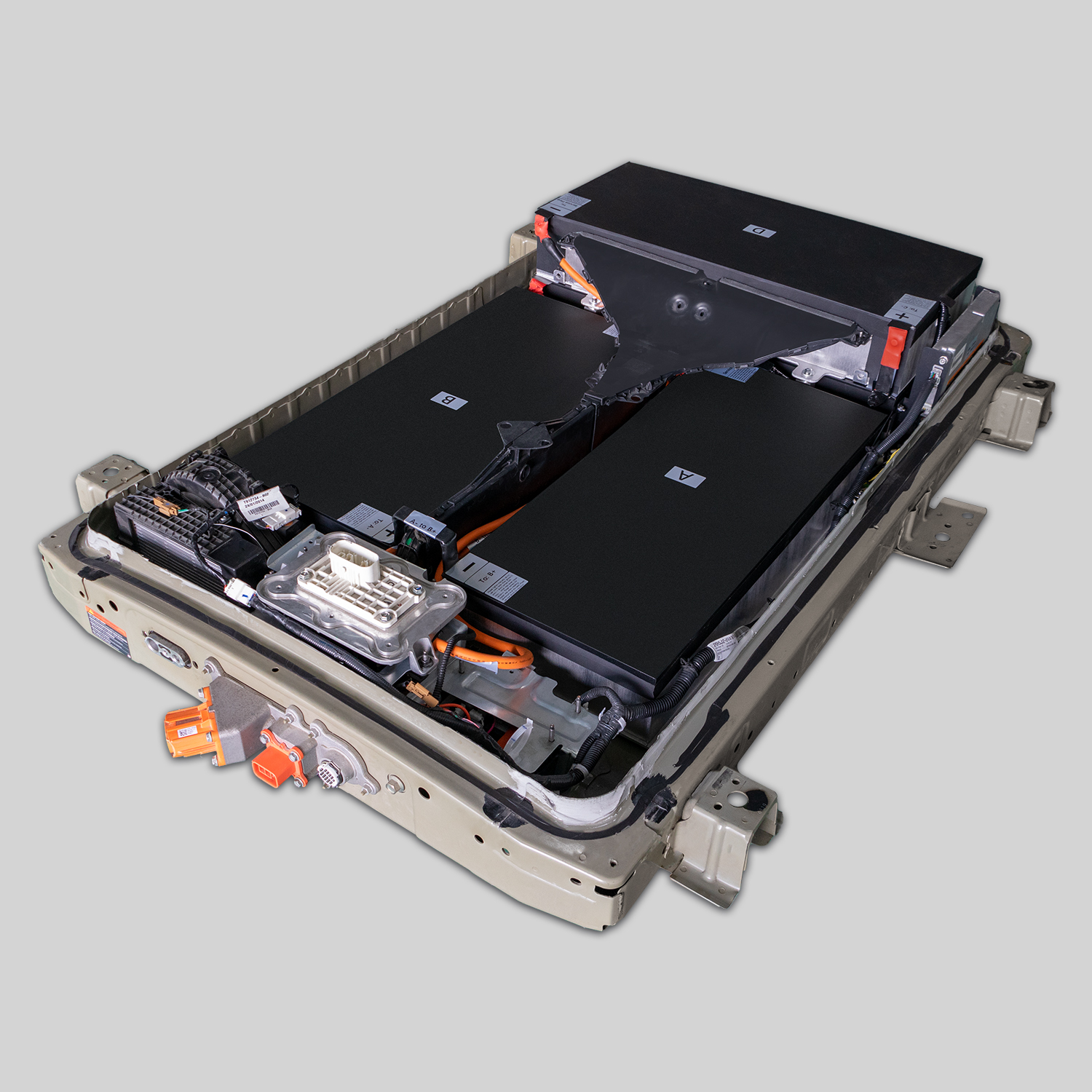
At CNS BATTERY, we diagnose and resolve these exact scenarios daily. An BMW i3 battery insulation fault is one of the most critical safety alerts your vehicle can generate. It indicates that high-voltage electricity is leaking where it shouldn’t be—potentially to the car’s chassis. This guide breaks down the meaning of these DTC codes, the hidden dangers behind them, and why a simple repair might not be enough to save your aging battery pack.
What Does an “Insulation Fault” Actually Mean?
In simple terms, your BMW i3 operates on a high-voltage system (around 360V to 400V) that is completely isolated from the metal frame of the car. This isolation is vital for your safety; it ensures that touching the car’s body never results in an electric shock.
The Battery Management System (BMS) constantly monitors the resistance between the high-voltage lines and the ground (chassis).
- Normal State: Extremely high resistance (megohms), meaning no current leaks.
- Insulation Fault: The resistance drops below a safe threshold. The BMS detects a path for electricity to escape the insulated wires and touch the car’s metal body.
When this happens, the car enters a fail-safe mode. It disables the high-voltage contactors to prevent electrocution or fire. This is why your car suddenly feels dead or refuses to accept a charge.
Common DTC Codes and Their Triggers
While the specific code varies by model year and diagnostic tool, the meaning remains consistent. Common codes include:
- 21F004 / 21F008: High voltage isolation resistance too low.
- CD9301 / CD9302: Ground fault detection in the battery module.
- “Isolation Monitoring Active”: A generic warning indicating the system is actively detecting a leak.
What Causes These Faults?
- Moisture Ingress: The #1 culprit. If water seeps into the battery pack due to a failed seal, clogged drain, or flood damage, it creates a conductive bridge between high-voltage components and the case.
- Degraded Wiring: Over time, the orange high-voltage cables can chafe against the chassis, wearing down their insulation.
- Internal Cell Failure: A swollen or ruptured cell inside the module can breach its internal casing, touching the module housing.
- Corroded Connectors: As seen in older i3s, corrosion on the main battery connector can create leakage paths.
The Danger of Ignoring an Insulation Fault
Some owners try to reset the code and keep driving. This is extremely dangerous.
- Electrocution Risk: If the isolation fails completely while you are outside the car (e.g., during charging or maintenance), the chassis could become live.
- Fire Hazard: A continuous leak generates heat. In a confined space like a battery pack, this can ignite surrounding materials or cause thermal runaway.
- Total System Lockout: Eventually, the BMS will permanently lock the high-voltage system. No amount of resetting will work until the physical leak is found and fixed.
Attempting to “dry out” a wet battery by parking in the sun is rarely effective. Once moisture has corroded the internal busbars or circuit boards, the damage is permanent.
Why a Simple Fix Often Fails: The CNS BATTERY Perspective
When an insulation fault occurs in a BMW i3 with over 60,000 miles or 8+ years of age, the issue is rarely just a single wet wire. It is often a symptom of a compromised battery pack enclosure or widespread internal degradation.
Dealerships often propose expensive troubleshooting: removing the pack, pressure testing it, drying it out, and replacing individual modules. This process can cost $3,000 to $5,000 USD in labor alone, with no guarantee the leak won’t return next time it rains.
At CNS BATTERY, we offer a more definitive solution. Instead of patching a failing, moisture-prone old pack, we replace it with a modern, hermetically sealed BMW i3 Series Battery unit.
The Benefits of Replacing vs. Repairing
- Guaranteed Isolation: Our replacement packs undergo rigorous factory-level pressure and insulation testing before shipping. You get a guaranteed leak-free system.
- Modern Sealing Technology: Newer manufacturing techniques provide superior protection against water, road salt, and humidity compared to 2014-era OEM packs.
- Root Cause Elimination: By replacing the entire unit, you eliminate the risk of hidden corrosion or micro-cracks that caused the original fault.
- Capacity Upgrades: Turn a crisis into an opportunity. Replace your faulty 60 Ah pack with a 94 Ah or 120 Ah equivalent, doubling your range while solving the safety fault.
- Cost Efficiency: A full replacement from CNS BATTERY typically ranges from $8,000 to $12,000 USD. While this seems significant, it is often cheaper than the cumulative cost of repeated dealership diagnostics, module swaps, and tow trucks, and it comes with a fresh warranty.
Real World Scenario: The Rainy Day Failure
Take Jessica, an i3 owner in Seattle. After a heavy storm, her car displayed an insulation fault. The dealer removed her battery, dried it, and charged her $2,200 USD. Two months later, another rainstorm triggered the same fault. The dealer then quoted $16,000 USD for a new OEM pack, claiming the casing was warped beyond repair.
Jessica contacted CNS BATTERY. We installed a refurbished, high-capacity 120 Ah pack with updated sealing. Not only did the insulation fault disappear permanently, but her range jumped from 50 miles to 130 miles. She spent less than the dealer’s final quote and gained a car that handles Pacific Northwest weather with confidence.
Don’t Risk Safety with Temporary Fixes
An BMW i3 battery insulation fault is a critical safety warning, not a minor glitch. Ignoring it or attempting cheap repairs on an aged pack puts you and your passengers at risk. The most reliable, safe, and economically sound decision is to replace the compromised unit with a certified, tested solution.
Is your BMW i3 disabled by an insulation fault code?
Stop guessing and stop risking your safety. Contact CNS BATTERY today for a professional diagnosis. Discover how our BMW i3 Series Battery replacements can eliminate isolation faults, restore your driving range, and get you back on the road with total peace of mind.
👉 Get Your Safety Assessment & Quote
Frequently Asked Questions (FAQ)
1. What does the “Insulation Fault” DTC mean on my BMW i3?
It means the car’s computer has detected that high-voltage electricity is leaking from the battery or cables to the car’s metal chassis. This is a critical safety failure, and the car will disable itself to prevent shock or fire.
2. Can I reset the insulation fault code and keep driving?
No. Even if you clear the code, the underlying physical leak (water, damaged wire, or failed cell) remains. The fault will likely return immediately or worsen, posing a severe safety risk. The car is not safe to drive until the physical issue is resolved.
3. What causes insulation faults in the BMW i3?
The most common causes are moisture ingress (water inside the battery pack), corroded high-voltage connectors, chafed wiring harnesses, or internal cell failures that breach the module casing.
4. How much does it cost to fix an insulation fault?
Diagnostic and minor repairs at a dealership can cost $2,000 to $5,000 USD with no guarantee of a permanent fix. If the battery pack itself is compromised, a full OEM replacement can exceed $18,000 USD. CNS BATTERY offers complete, tested replacement packs typically between $8,000 and $12,000 USD, providing a permanent solution with upgraded range.
5. Can a wet battery pack be dried and reused?
Sometimes, if caught immediately. However, in older i3s, moisture often causes permanent corrosion on busbars and circuit boards. “Drying” is often a temporary fix. Replacing the pack with a properly sealed unit from CNS BATTERY is the safer, long-term choice.
6. Will a replacement battery from CNS BATTERY have insulation issues?
No. All our BMW i3 Series Battery units undergo strict insulation resistance testing and pressure testing before shipment. They feature modern sealing technology designed to prevent the moisture issues common in older OEM packs.
7. Is it safe to charge my i3 with an insulation fault?
Absolutely not. Charging a vehicle with a known isolation fault can lead to electrical fires, damage to your home charger, or severe electrocution hazards. Disconnect the vehicle immediately and seek professional help.