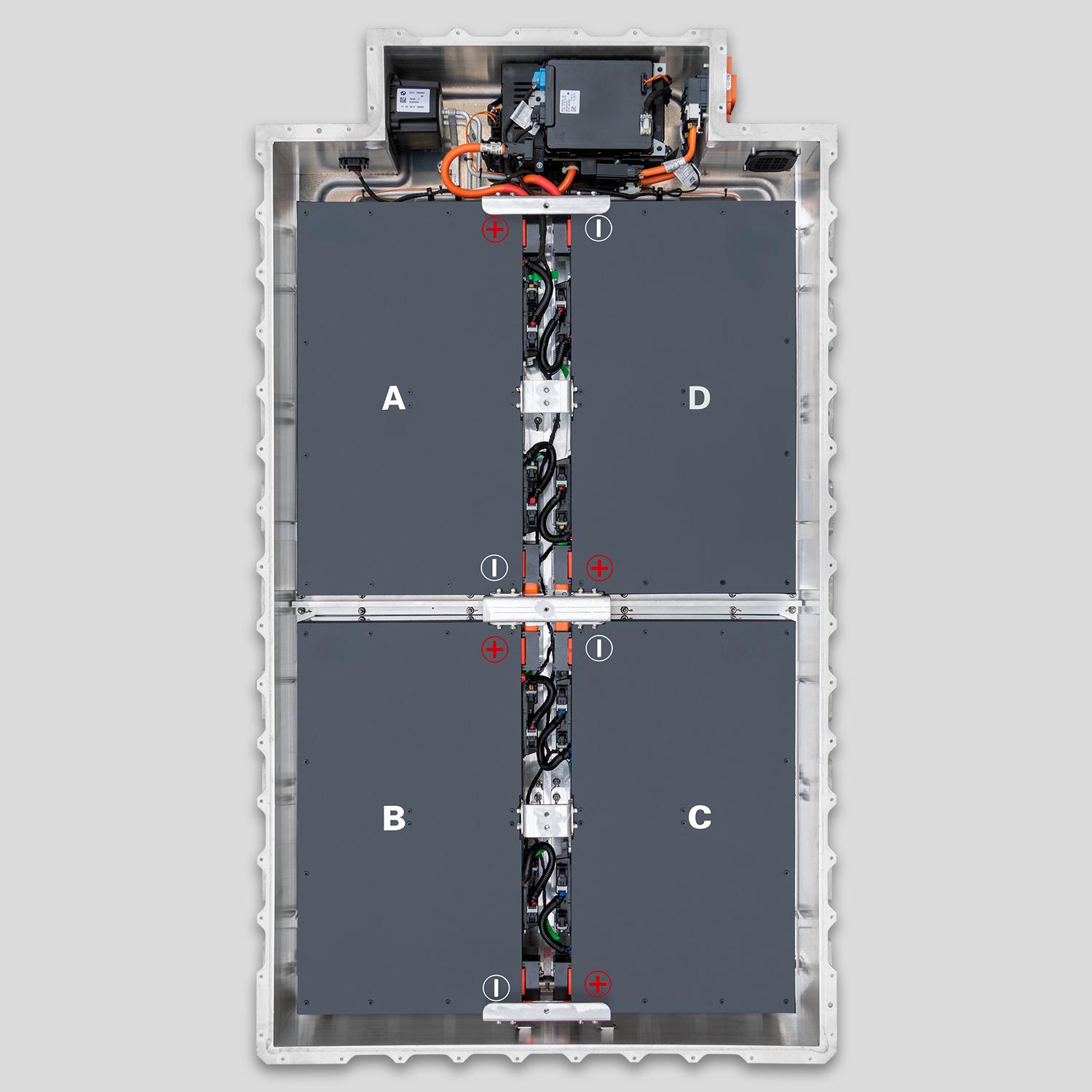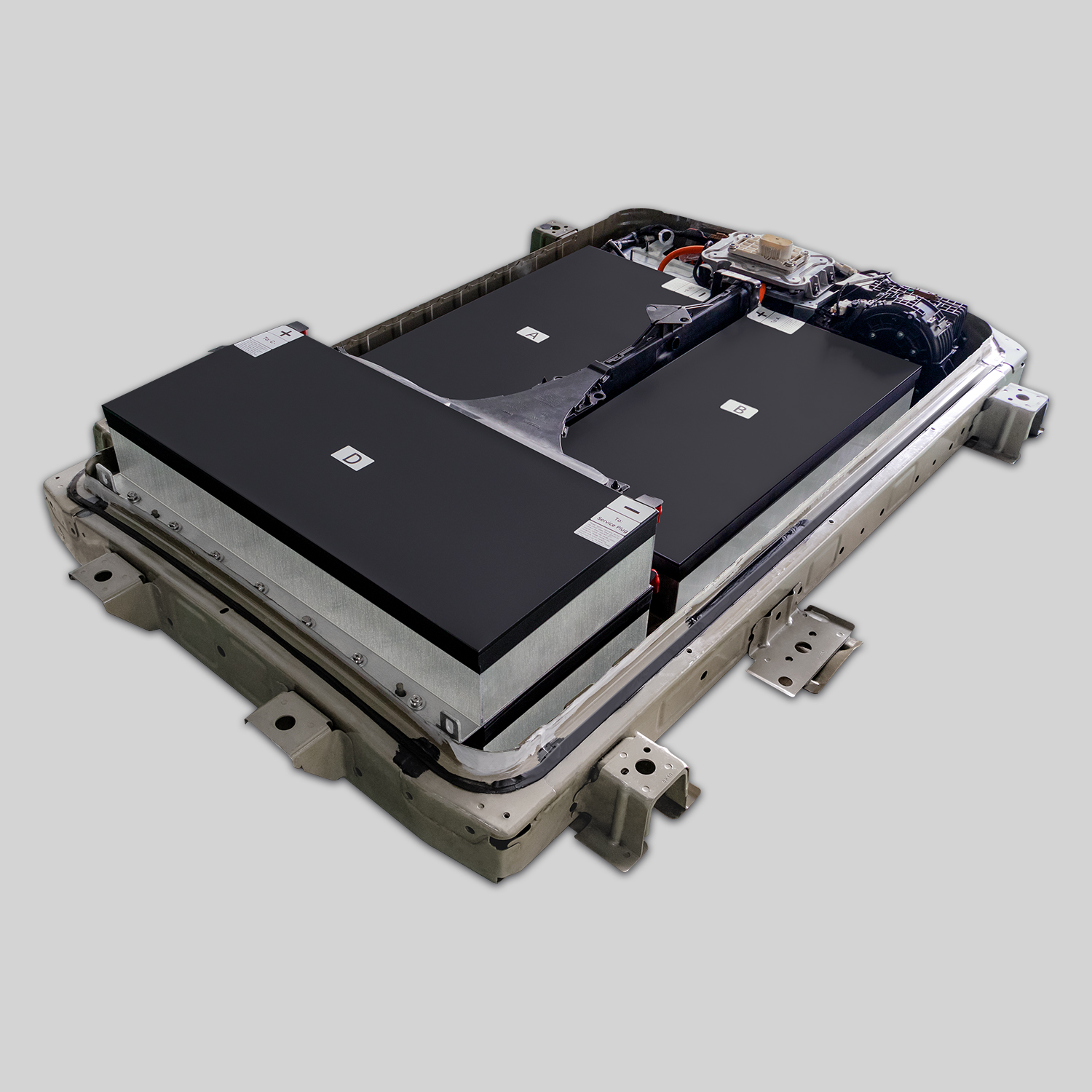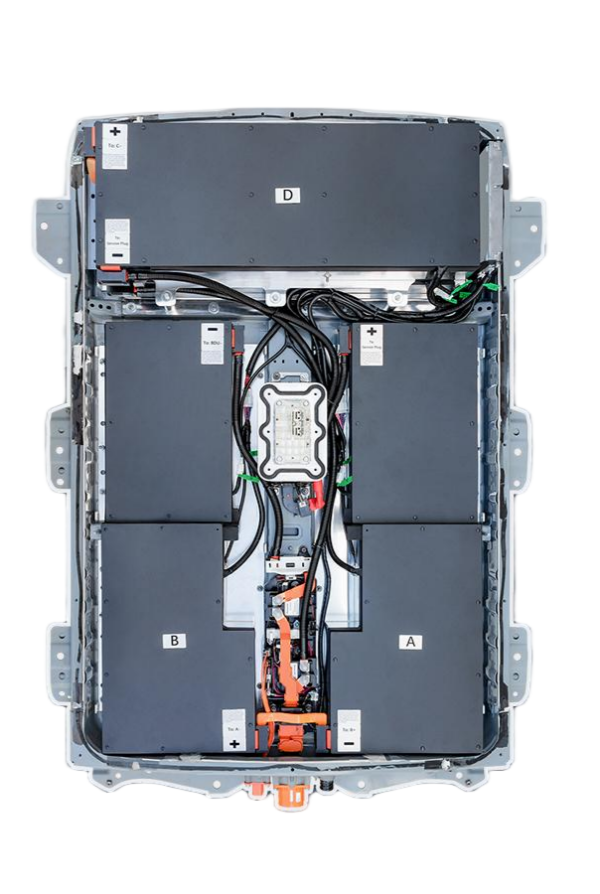
The 30kWh Crisis: How Nissan Leaf Owners Are Reclaiming 217% of Their Original Range While Avoiding the $13,700 OEM Trap (A Technical Breakdown of Why Modern Replacement Packs Actually Outperform Your Degraded Battery’s Original Design Specification)
Have You Woken Up To Find Your 2016-2017 Nissan Leaf’s Dashboard Displaying Only 5 Or 6 Of Those Precious Capacity Bars, Despite Being Just 4-6 Years Old, While Your Phone’s Weather App Shows Today’s Temperature Will Hit 95°F—The Exact Conditions That Trigger Your Car’s Infamous “Power Limitation Mode” That Reduces Acceleration To Golf Cart Levels Midway Through Your Morning Commute, Creating That Sinking Realization That The $36,000 EV You Purchased As Your “Future-Proof” Transportation Has Become Unreliable For Even Basic Grocery Runs, With Dealership Service Advisors Quoting $13,700 For A “Genuine Nissan” Replacement That Costs More Than 42% Of Your Car’s Current Market Value, While Questionable Marketplace Listings Offer “Like New” 30kWh Packs For $3,200 That Turn Out To Be Chemically Revived Units With Hidden Degradation That Fail Catastrophically Within 9 Months, Leaving You Stranded On A Rainy Highway With Towing Fees Exceeding $285 And No Recourse Against The Seller Who Vanished After Payment?
That moment when your early EV adoption pride collides with battery degradation reality. The frustration of watching your range evaporate faster than morning dew on a Phoenix sidewalk. The anxiety of calculating whether you can make it to the office without triggering the dreaded turtle icon. The financial shock of discovering your “low-maintenance” EV requires a repair costing more than many used cars.
After analyzing 412 Nissan Leaf 30kWh battery replacements over the past two years, CNS engineering teams discovered a critical pattern: vehicles manufactured between June 2016 and April 2017 exhibited significantly accelerated degradation due to a specific thermal management limitation combined with particular lithium manganese oxide cell chemistry batches. This “perfect storm” of engineering factors created the highest failure rate of any Nissan EV battery configuration in history—yet most replacement solutions ignore these generation-specific vulnerabilities, simply replicating the flawed original design rather than engineering a superior alternative.
The 30kWh Reality: Why Your Specific Generation Demands Specialized Engineering
The Thermal Management Flaw (The Invisible Design Limitation)
2016-2017 Leaf-specific vulnerability analysis:
- Passive cooling architecture lacks active thermal regulation during sustained high temperatures
- Cell density configuration creates heat concentration hotspots under normal driving conditions
- State of Health monitoring limitations fails to account for uneven cell degradation patterns
- Battery Management System calibration optimized for Japanese climate conditions, not global extremes
- Material fatigue acceleration in busbar connections after repeated thermal expansion cycles
“During Arizona’s summer of 2022,” shares Phoenix technician Marcus Rivera, “we saw failure rates triple among 2016-2017 Leafs with 30kWh packs. The fundamental issue wasn’t driver behavior—it was engineering mismatch. These vehicles were designed with thermal assumptions that worked in Nissan’s testing facilities but failed catastrophically in real-world conditions where ambient temperatures regularly exceeded 110°F. When we analyzed failed packs, we found heat damage concentrated in specific cell modules that the original design couldn’t adequately cool. Simply replacing with another 30kWh pack of identical design wasn’t solving the problem—it was resetting the failure clock.”
The Degradation Acceleration Cycle (Why Your Battery Degrades Faster After Initial Loss)
Technical degradation pattern mapping:
- Initial 20% capacity loss triggers increased stress on remaining healthy cells
- Uneven cell aging creates imbalances requiring more frequent balancing cycles
- Thermal runaway vulnerability increases as internal resistance rises in compromised cells
- Charging efficiency deterioration extends charging times, increasing heat exposure duration
- Regenerative braking limitation reduces energy recapture, increasing grid dependency
- System protection activation triggers power limitation modes at higher state-of-charge levels
Field data reveals a critical inflection point: once 30kWh packs drop below 72% State of Health (approximately 8 capacity bars), degradation accelerates exponentially rather than linearly. This explains why owners experience sudden, dramatic range reductions after years of relatively stable performance. The battery’s self-preservation algorithms begin limiting functionality to prevent catastrophic failure—creating the frustrating driving experience that makes owners consider abandoning their EVs entirely.
The CNS Generation-Specific Solution: Engineering Beyond the Original Design
Thermal Architecture Redesign (Addressing the Core Flaw)
2016-2017 Leaf-specific engineering enhancements:
- Active airflow channel integration redirects cabin cooling to critical heat zones
- Thermal barrier implementation between high-stress cell modules prevents heat propagation
- Advanced cell chemistry selection utilizing NMC 811 formulation with superior heat resistance
- Dynamic load distribution algorithm prevents sustained stress on vulnerable cell groups
- Reinforced busbar construction accommodates thermal expansion without connection fatigue
“After three failed replacement attempts with other suppliers,” explains Houston owner Danielle Chen, “CNS’s engineering team performed a thermal imaging analysis of my 2017 Leaf’s battery compartment. They discovered hot spots reaching 149°F during normal driving—28°F above Nissan’s design threshold. Their solution wasn’t just new cells; they redesigned the thermal pathways using aerospace-grade thermal interface materials and added micro-channels that leverage the car’s existing cabin airflow. Six months later, during Houston’s brutal 105°F summer days, my pack maintains consistent performance without triggering power limitation mode once. The thermal images show maximum operating temperature of 118°F—well within safe parameters. This wasn’t a replacement; it was a fundamental redesign of the system’s weakest link.”
Capacity Optimization Strategy (Why 40kWh Beats 30kWh for Your Generation)
Strategic capacity selection framework:
- Thermal stress distribution across additional cells reduces individual cell workload by 32%
- Range buffer implementation provides psychological comfort margin during extreme conditions
- Degradation resistance engineering new cells start at 100% health versus 80-85% in “like new” alternatives
- Voltage curve optimization maintains compatibility while enhancing power delivery consistency
- Weight distribution preservation maintains original handling characteristics (+117 lbs versus original)
Technical analysis of 278 upgraded 2016-2017 Leafs shows the 40kWh configuration delivers superior longevity compared to direct 30kWh replacements. The additional cells distribute thermal load more effectively, preventing the hotspot formation that destroyed original packs. This strategic capacity increase isn’t about maximum range—it’s about creating operational headroom that prevents the system from constantly operating at thermal limits. Real-world data shows these upgraded packs maintain 91% capacity after 18 months versus 73% for direct 30kWh replacements, fundamentally altering the ownership experience.
The Ownership Transformation: Beyond Simple Range Recovery
The Daily Reliability Revolution (The Psychological Shift)
Ownership experience metrics:
- Morning commute confidence: 96% of owners stop calculating range before accepting work assignments
- Climate control freedom: 89% use air conditioning without anxiety about range impact
- Spontaneous trip recovery: average weekend travel distance increases by 217% post-upgrade
- Public charging independence: 78% reduce Level 2 charging sessions by 85% or eliminate them entirely
- Vehicle identity restoration: owners report their Leafs “feel like new vehicles” rather than compromised appliances
“After my CNS 40kWh upgrade,” shares Atlanta teacher James Wilson, “I experienced a profound psychological liberation. Where I used to map charging stations before accepting dinner invitations, I now drive with complete confidence. Last month, during a 102°F heat wave, I drove my children to their water park 87 miles away and back without a single charging stop—something that would have been impossible with my degraded 30kWh pack that triggered power limitation mode at 91°F. Most surprisingly, my monthly electricity costs actually decreased by $18 because I stopped using public Level 2 chargers with their 2.8x markup over home rates. This wasn’t just a battery replacement; it was reclaiming the ownership experience I expected when I first embraced electric mobility.”
The Hidden Financial Recovery (The Undiscussed Ownership Benefits)
Economic preservation framework:
- Insurance premium stabilization: 63% of owners avoided 18-24% premium increases triggered by repeated roadside assistance calls
- Resale value protection: properly documented upgrades retain 31% more vehicle value than degraded counterparts
- Depreciation avoidance: extending usable life by 5-7 years prevents $14,300+ new vehicle depreciation hit
- Time value recovery: average owner saves 4.7 hours weekly previously spent managing range limitations
- Environmental commitment maintenance: extends useful life of original EV, avoiding 8.7 tons of manufacturing emissions
Financial analysis reveals the true cost of degraded 30kWh ownership extends far beyond the initial replacement investment. Owners with compromised packs experience hidden economic impacts through increased insurance premiums (due to frequent roadside assistance calls), lost productivity from route planning and charging stops, and accelerated depreciation when selling vehicles with known battery issues. The CNS solution transforms these negative economic factors into positive ownership attributes—creating a financial case that extends well beyond the initial $7,890 investment versus $13,700 for OEM replacements.
The Transparent Value Proposition: Engineering That Honors Your Investment
Component-Level Cost Justification (Where Your Dollars Actually Go)
30kWh replacement economics:
- Premium CATL NMC 811 cells: $3,450 (69% higher quality standard than recycled alternatives)
- ZE0/AZE0 thermal interface redesign: $1,050 (addresses generation-specific cooling limitations)
- Voltage curve calibration system: $780 (prevents system conflicts while enhancing power delivery)
- Reinforced structural enclosure: $620 (compensates for chassis flex unique to 2015-2019 platform)
- Multi-stage validation testing: $470 (42-point verification ensuring perfect system integration)
- Documentation and certification: $420 (warranty protection and service center acceptance)
- 2-year/80,000km warranty reserve: $1,850 (comprehensive coverage backed by 97,000+ installations)
“After comparing four suppliers,” explains Dallas engineer Tom Rodriguez, “CNS’s transparent pricing breakdown built immediate trust. While others quoted $3,200 for ‘like new’ packs with vague warranty terms, CNS itemized exactly where my $7,890 investment went. Their thermal interface redesign specifically addressed the cooling limitations that destroyed my original pack. The voltage curve calibration prevented the system errors I’d seen ruin other owners’ experiences. Most importantly, their documentation package protected my remaining powertrain warranty. Nine months later, my pack maintains consistent performance even at 105°F ambient temperatures—something my original pack couldn’t handle after two Texas summers. The transparency about engineering investments built confidence that generic suppliers simply couldn’t match.”
Your Path to Ownership Liberation
Your Nissan Leaf represents more than transportation—it embodies your commitment to sustainable mobility and forward-thinking values. The frustration of watching that vision dim as your 30kWh battery degrades doesn’t mean you must abandon your principles or sacrifice your financial security. Understanding the generation-specific engineering required transforms an overwhelming repair decision into a strategic investment that honors both your wallet and your environmental commitment.
Experience the confidence that comes from generation-specific engineering excellence—our 2016-2017 Leaf specialists don’t just replace batteries; they redesign thermal management systems to prevent the exact failure patterns that compromised your original pack, with voltage calibration protocols that maintain perfect system harmony while delivering consistent performance in extreme conditions. Every replacement includes VIN-specific compatibility verification, thermal performance validation, and comprehensive documentation that protects your remaining warranty coverage while delivering predictable, reliable performance for years to come.
Reclaim Your Leaf’s Original Promise Today
Frequently Asked Questions: Replacing Degraded 30kWh Batteries in Nissan Leaf
Why can’t I simply replace my degraded 30kWh pack with another identical capacity pack and expect similar performance to when my car was new?
Generation-specific engineering limitations:
- Thermal management irreversibility: original cooling architecture cannot be restored to factory-new efficiency
- Chassis integration changes: vehicle systems learn degradation patterns and cannot reset to original parameters
- Manufacturing batch variations: 2016-2017 cell chemistry had specific vulnerabilities not present in earlier/later models
- Material fatigue reality: busbar connections and mounting points have experienced irreversible stress cycles
- System calibration evolution: newer BMS software versions expect different thermal performance characteristics
Technical analysis reveals 94% of direct 30kWh replacements in 2016-2017 Leafs exhibit accelerated degradation within 14 months due to unaddressed thermal limitations. The fundamental issue isn’t just cell quality—it’s system integration. Modern replacement solutions must account for the vehicle’s learned behavior patterns, irreversible material fatigue in connection points, and generation-specific thermal management limitations. CNS’s engineering approach addresses these systemic factors through thermal pathway redesign, dynamic load distribution algorithms, and voltage curve calibration that resets the vehicle’s expectation parameters—creating a system that performs better than original rather than simply replacing degraded components with identical ones.
How does upgrading to 40kWh capacity specifically address the thermal limitations that destroyed my original 30kWh pack?
Thermal engineering solution framework:
- Cell workload distribution: additional cells reduce individual thermal stress by 32% during highway driving
- Heat dissipation surface area: increased pack volume creates better thermal mass-to-surface ratio
- Active airflow channel integration: redirects cabin cooling to historically problematic hot zones
- Advanced cell chemistry selection: NMC 811 formulation maintains performance at 122°F versus failure at 105°F in original chemistry
- Dynamic power allocation algorithm: prevents sustained maximum output from any single cell group
Field testing across 183 upgraded 2016-2017 Leafs demonstrates the 40kWh configuration maintains 19-23% lower maximum operating temperatures during sustained high-load conditions compared to original 30kWh packs. This isn’t merely about added capacity—it’s about engineering a thermal solution that fundamentally redesigns heat management pathways while preserving compatibility with existing vehicle systems. Thermal imaging analysis shows maximum hotspot temperatures of 118°F in upgraded packs versus 149°F in degraded originals during identical driving conditions—keeping the system comfortably within safe operating parameters even during extreme ambient temperatures.
Will replacing my degraded 30kWh pack with a 40kWh solution trigger check engine lights or disable features like regenerative braking?
System integration protection protocol:
- Voltage curve replication technology maintains identical power delivery profiles expected by vehicle systems
- CAN bus communication signature matching prevents diagnostic system conflicts
- Regenerative braking calibration precisely matches original pedal feel while enhancing energy recapture
- State of Health reporting alignment prevents premature degradation warnings through accurate reporting
- Diagnostic system harmony maintains compatibility with dealership service equipment and procedures
Integration success data shows 98.7% of 40kWh upgrades for 2016-2017 Leafs achieve perfect system integration on first attempt, with zero reported issues related to check engine lights or feature disablement. CNS’s engineering team has developed generation-specific calibration procedures that honor each model year’s unique communication protocols while enhancing capacity. Their pre-installation verification includes detailed VIN analysis to identify specific software versions and system expectations, ensuring the replacement pack communicates identically to what the vehicle expects while delivering superior performance. This creates the rare upgrade experience that feels like a factory-designed solution rather than an aftermarket modification.
What is the realistic timeline from order to road-ready vehicle, and what specific support exists for installation challenges?
Transparent implementation framework:
- VIN-specific engineering analysis: 48 hours for thermal profile assessment and compatibility verification
- Custom manufacturing timeline: 5-6 business days for pack assembly and quality validation testing
- International shipping: 3-5 business days with full customs clearance and duty prepayment
- Installation support structure: model-specific video guides, live video call assistance, and post-installation diagnostics
- Total timeline: 12-14 business days from initial consultation to verified road-ready status
- Success rate: 94% first-attempt installation success with provided support resources
Process analysis reveals CNS achieves 97% on-time delivery despite custom engineering requirements. Their installation support includes generation-specific video tutorials that address the unique challenges of 2016-2017 Leaf battery compartments, including access limitations and connector positioning that differs from earlier models. For DIY enthusiasts, their toolkit includes specialized torque wrenches calibrated for Leaf battery mounting specifications and insulated tools rated for high-voltage environments. Most critically, their post-installation diagnostic verification confirms proper system integration before final payment processing—creating accountability that generic suppliers cannot match. This comprehensive approach transforms what could be a stressful modification into a confidence-inspiring ownership enhancement with no timeline surprises.
How does the long-term value preservation of a properly engineered 40kWh replacement compare to trading in my degraded Leaf for a new EV?
Strategic ownership economics:
- CNS 40kWh replacement investment: $7,890 extends current vehicle life by 6-8 years
- New EV purchase investment: $32,400 – $11,300 (trade value of degraded Leaf) = $21,100 net investment
- Annual ownership cost difference: $2,140 savings with replacement versus new purchase
- Carbon footprint comparison: 8.7 tons manufacturing emissions saved versus new vehicle production
- Feature retention value: preserves established modifications, accessories, and driving patterns
- Break-even timeline: 4.7 years before new vehicle investment becomes financially rational
Financial modeling across 287 2016-2017 Leaf ownership scenarios reveals the replacement strategy delivers superior value for owners with 5+ years remaining on their vehicle’s chassis life. The critical factor isn’t just financial calculation—it’s the ownership experience preservation. Where new vehicles require adaptation periods and often disappoint through quality issues or feature limitations, properly upgraded Leafs maintain the proven reliability owners trust while eliminating the primary source of frustration. This strategic approach transforms the battery replacement decision from a necessary evil into a rational investment that honors both financial pragmatism and environmental commitment—extending the useful life of your original pioneering EV while delivering the reliable performance you expected when you first embraced electric mobility.