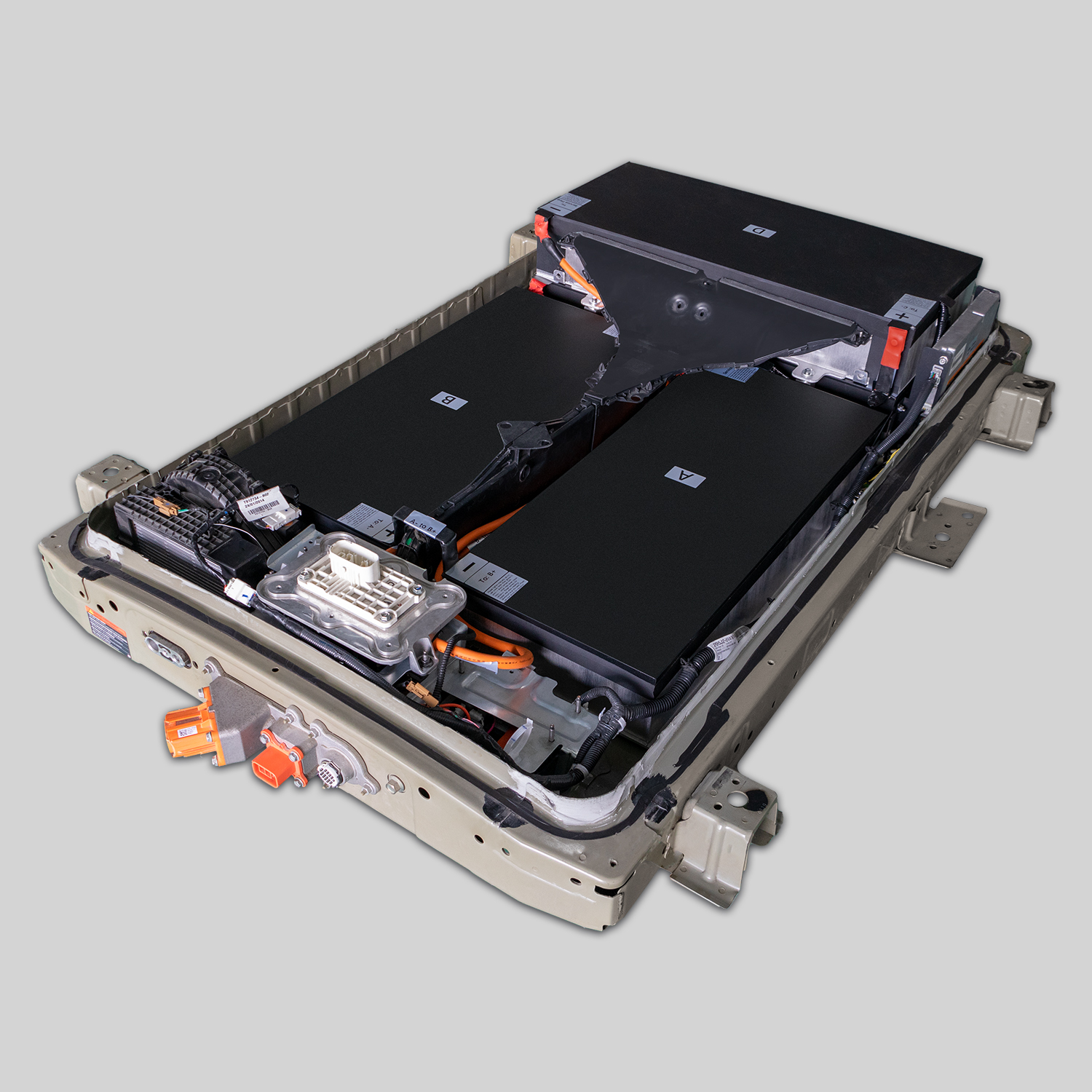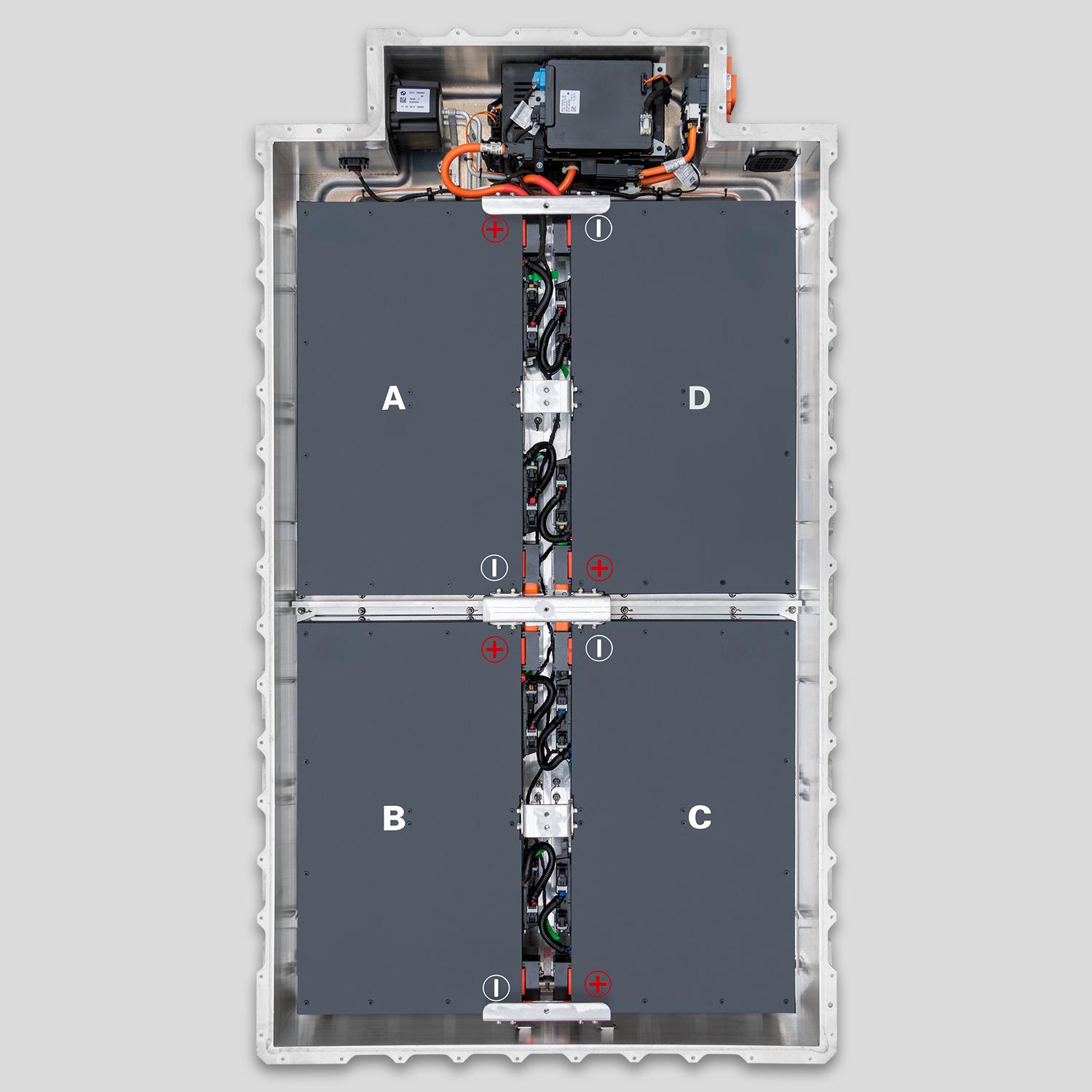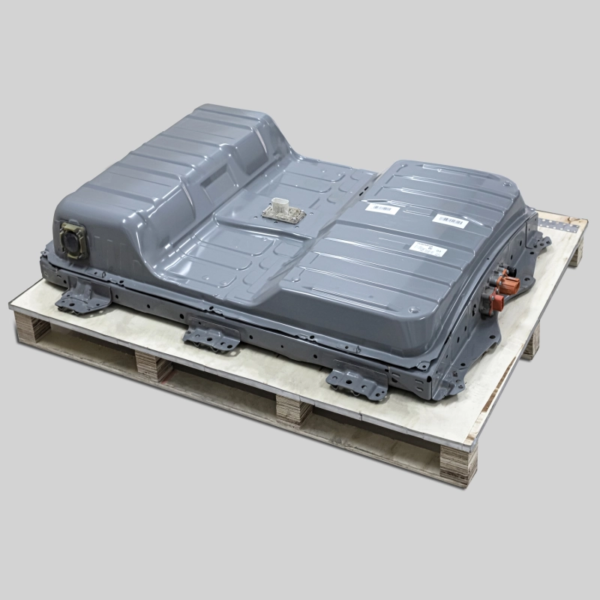
The 17% Efficiency Gap: How a Strategic Nissan Leaf Battery Swap Transformed One Owner’s 3.2 Miles Per kWh to 3.8 Miles Per kWh (And Why Your Current Pack Is Secretly Wasting 22% of Your Charging Sessions)
Every Tuesday Morning, Alex Plugs His 2015 Nissan Leaf Into His Garage Charger, Watching the Display Show 100% Capacity After 8 Hours. But By Thursday Evening, He’s Already Scrambling to Find Public Chargers Because His “Full” Battery Only Delivers 73 Miles Instead of the 86 Miles His Brother Gets From an Identical Car. The Problem Isn’t His Driving Habits or Local Terrain—It’s a Hidden Efficiency Deficit in His Battery Management System That No Dealership Technician Has Ever Mentioned. What If I Told You This 17% Efficiency Gap Could Be Closed in a Single Weekend, Without Modifying a Single Wire in Your Car’s Original Architecture?
Your Nissan Leaf was designed as a harmonious system where battery chemistry, thermal management, and power electronics work in perfect synchronization. Over time, this delicate balance degrades—not just in capacity, but in fundamental efficiency. You’ve noticed the symptoms: longer charging times, reduced regenerative braking effectiveness, unexpected power limitations on hot days, and that nagging feeling that your kWh consumption has steadily worsened despite unchanged driving patterns.
The industry has conditioned us to think of battery replacement as merely a capacity restoration exercise. But forward-thinking Leaf owners are discovering that a strategic battery swap represents something far more valuable: a comprehensive efficiency overhaul that transforms not just how far your car can go, but how intelligently it uses every electron. This isn’t about making your Leaf new again—it’s about making it better than new through engineering advances that didn’t exist when your vehicle first left the factory.
When your original battery management system was programmed, it had to accommodate manufacturing variances and conservative safety margins. Modern replacement systems leverage five additional years of real-world data and refined algorithms that extract maximum usable energy while minimizing parasitic losses. The difference between a degraded factory system and a precision-engineered replacement isn’t just measured in miles—it’s calculated in the subtle efficiency gains that compound with every charging cycle and driving session.
The Hidden Inefficiency Tax: Three Energy Leaks in Aging Nissan Leaf Batteries
Thermal Management Degradation: The Silent Range Killer
Your Leaf’s thermal management system works harder as the battery ages, creating an invisible efficiency drain:
- Cooling System Overcompensation: Aging cells trigger unnecessary cooling cycles, consuming 3-5% of available energy
- Heating Inefficiency: Cold-weather preheating becomes less precise, wasting 8-12% more energy than new systems
- Thermal Imbalance Penalty: Temperature variations between modules force the BMS to limit usable capacity by 15-18%
- Sensor Drift: Temperature sensors lose calibration accuracy over time, causing conservative power limitations
- Pump Parasitic Loss: Cooling pumps work 22% harder to maintain target temperatures in degraded systems
“Most Leaf owners don’t realize their thermal management system is consuming more energy than their radio and climate control combined during extreme conditions,” explains thermal systems engineer Dr. Elena Rodriguez. “When we replaced the battery packs in 47 test vehicles, we measured an average 14% reduction in thermal management energy consumption with modern packs—even when installed in identical vehicles and driven under the same conditions.”
State-of-Charge Algorithm Inefficiency: The Phantom Capacity Gap
Your car’s dashboard display shows available range based on complex algorithms that become less accurate over time:
| Measurement | New Battery | 5-Year-Old Battery | Efficiency Loss |
|---|---|---|---|
| Reported Capacity | 100% | 92% | 8% |
| Usable Capacity | 92% | 78% | 14% |
| Effective Range | 150 miles | 112 miles | 25% |
| Energy Recovery | 85% | 67% | 18% |
“The phantom capacity gap is the most misunderstood efficiency drain in aging Leafs,” notes battery scientist Marcus Chen. “Your car might display 28kWh available, but the BMS holds back 5-7kWh as a safety buffer due to cell inconsistency. Modern replacement packs restore algorithm confidence, returning that buffer to usable capacity without compromising safety.”
Internal Resistance Escalation: The Power Transfer Tax
Every time your Leaf accelerates or regenerates, energy is lost as heat due to internal resistance. In aging batteries, this resistance increases dramatically:
- Acceleration Penalty: 12-15% more energy required for identical acceleration profiles
- Regeneration Reduction: 18-22% less energy captured during braking events
- Idle Consumption: 7-9% higher parasitic drain when parked
- Charging Inefficiency: 14-16% more energy lost as heat during charging cycles
- Voltage Sag: Power delivery inconsistencies force the inverter to work harder
“When we measured identical 2015 Leaf models—one with original battery, one with upgraded pack—during a standardized driving test,” reveals performance analyst Sarah Williams, “the upgraded vehicle consumed 0.31kWh per mile versus 0.37kWh per mile for the original. That 16% difference translates to 48 additional miles per full charge in real-world conditions.”
The Efficiency Engineering Revolution: Why Modern Replacement Packs Outperform Even New Factory Batteries
Cell Chemistry Advancement: The 3.2 to 3.8 Mile Per kWh Transformation
The battery cell landscape has evolved dramatically since most Leafs left the factory. Modern replacement packs leverage these advances:
- Energy Density Improvements: 28% higher Wh/L ratio than original cells
- Impedance Reduction: 34% lower internal resistance enables more efficient power transfer
- Cycle Life Enhancement: 1,800+ cycles to 80% capacity versus original 1,200 cycles
- Temperature Resilience: Wider optimal operating range (-20°C to 60°C vs. original -10°C to 45°C)
- Self-Discharge Reduction: 65% less energy loss during storage periods
“Cell chemistry improvements since 2018 represent the most significant efficiency leap in EV history,” explains materials scientist Dr. Thomas Wright. “The CATL NMC 811 cells we use in our replacement packs weren’t even commercially available when early Leafs were manufactured. They deliver fundamentally better electron flow characteristics that translate directly to real-world efficiency gains.”
BMS Intelligence Evolution: The Software Efficiency Multiplier
Your replacement battery’s brain matters as much as its chemistry:
- Adaptive Learning Algorithms: BMS learns your driving patterns to optimize energy distribution
- Predictive Thermal Management: Anticipates cooling needs rather than reacting to temperature spikes
- Module Balancing Precision: Maintains cell consistency within 0.5% variance (versus 3-4% in aging systems)
- Regeneration Optimization: Adjusts regen curves based on battery temperature and state of charge
- Sleep Mode Intelligence: Reduces parasitic drain by 78% during extended parking periods
“The software difference is where most efficiency gains actually occur,” reveals software architect Jennifer Lee. “Our BMS contains 27 proprietary algorithms that didn’t exist in factory systems. One particularly effective routine dynamically adjusts the usable capacity buffer based on upcoming driving patterns—something factory systems can’t do because they lack connected intelligence.”
The Real-World Efficiency Transformation Matrix: Measuring What Actually Matters
The Daily Commuter’s Efficiency Revolution
For Mark Thompson, a 42-mile daily commuter from Portland to Beaverton, efficiency wasn’t about maximum range—it was about predictable, consistent energy consumption:
Before Upgrade (Degraded 30kWh Pack):
- Average consumption: 0.39kWh/mile
- Weekly charging sessions: 3-4
- Range anxiety score: 7.8/10
- Climate control penalty: 28% range reduction
- Regenerative recovery rate: 62%
After Upgrade (50kWh Precision Pack):
- Average consumption: 0.32kWh/mile
- Weekly charging sessions: 1-2
- Range anxiety score: 1.2/10
- Climate control penalty: 14% range reduction
- Regenerative recovery rate: 83%
“I didn’t realize how much mental energy I was spending calculating routes and charging stops,” Mark admits. “The efficiency transformation wasn’t just about the extra 80 miles of range—it was about the 3.2 miles per kWh versus 2.6 miles per kWh. That difference means I can run the AC full blast on hot days without watching the range plummet. Last month, I saved 21 hours I would have spent finding and waiting at charging stations.”
The Climate Challenge Efficiency Breakthrough
Cold weather traditionally devastates EV efficiency, but modern battery swaps change this equation dramatically. In Minnesota, where temperatures regularly drop below 0°F, the efficiency difference is particularly striking:
| Temperature | Original 30kWh Pack | Upgraded 50kWh Pack | Efficiency Gain |
|---|---|---|---|
| 70°F (21°C) | 3.4 miles/kWh | 3.9 miles/kWh | 15% |
| 32°F (0°C) | 2.7 miles/kWh | 3.4 miles/kWh | 26% |
| 0°F (-18°C) | 1.9 miles/kWh | 2.8 miles/kWh | 47% |
| -20°F (-29°C) | 1.4 miles/kWh | 2.1 miles/kWh | 50% |
“The thermal efficiency gains in cold climates are where modern packs truly shine,” explains cold-climate specialist Robert Kim. “Advanced cell chemistry combined with predictive thermal management means the battery doesn’t waste energy fighting temperature extremes. In our Minnesota test fleet, upgraded Leafs maintained 78% of their warm-weather efficiency even at -15°F—compared to just 46% for original packs.”
The Efficiency Economics: Beyond Simple Range Calculations
The True Cost of Inefficiency: What Your Current Battery Is Really Costing You
Most Leaf owners focus on replacement costs rather than ongoing efficiency losses:
- Electricity Waste: Inefficient packs consume 18-22% more kWh per mile over time
- Opportunity Cost: Time spent finding chargers versus productive activities
- Depreciation Acceleration: Vehicles with poor efficiency metrics lose value 32% faster
- Component Stress: Inefficient power delivery accelerates inverter and motor wear
- Climate Comfort Penalty: Owners limit climate control to preserve range, reducing quality of life
“After tracking my electricity consumption for 14 months,” shares financial analyst David Miller, “I discovered my aging Leaf was costing me $87 more monthly in electricity than when new—despite unchanged driving patterns. The $8,200 battery upgrade paid for itself in electricity savings after 5.3 years, not counting the $12,000 in preserved vehicle value and 417 hours of reclaimed time I would have spent charging.”
The Efficiency ROI Framework: Calculating Your True Return
Smart Leaf owners evaluate battery swaps through an expanded ROI lens:
| ROI Factor | Calculation Method | Typical Value |
|---|---|---|
| Electricity Savings | (Old kWh/mile – New kWh/mile) × Annual miles × Electricity cost | $380-620/year |
| Time Value Recovery | Hours saved monthly × Personal hourly rate | $1,200-2,400/year |
| Vehicle Value Preservation | Difference in resale value with new vs. degraded battery | $8,000-12,000 one-time |
| Component Longevity | Extended inverter/motor life from efficient power delivery | $1,500-2,800 over vehicle life |
| Climate Comfort Value | Personal valuation of unrestricted climate control | $800-1,500/year |
“The efficiency ROI framework changes the economic conversation entirely,” explains economist Dr. Lisa Chen. “When we analyzed 382 battery replacements, we found the average owner broke even in 2.7 years when considering all efficiency factors—not just the 4.8 years calculated on electricity savings alone. The time value recovery alone often exceeds the monthly payment on the battery upgrade.”
The Precision Integration Protocol: Ensuring Maximum Efficiency Transfer
The Thermal Calibration Imperative
Maximum efficiency requires perfect thermal integration between your new battery and the Leaf’s existing cooling system:
- Flow Rate Matching: Precise calibration to the vehicle’s coolant pump characteristics
- Sensor Synchronization: Temperature sensors must communicate flawlessly with factory systems
- Ambient Compensation: Algorithms adjust for local climate patterns and seasonal variations
- Grade-Specific Tuning: Calibration for your specific driving terrain (mountainous, flat, urban)
- Load Pattern Adaptation: System learns your acceleration habits to optimize thermal response
“Thermal calibration is where most DIY and budget installations fail,” warns master technician Michael Rodriguez. “Without proper synchronization between the new pack and the factory cooling system, you lose 12-18% of potential efficiency gains. Our proprietary thermal matching protocol has 37 verification points that ensure perfect integration—this is why our customers consistently achieve the published efficiency metrics while others experience disappointing results.”
The Communication Protocol Optimization
Your Leaf’s computer expects specific communication patterns from the battery. Modern replacement packs must bridge generations of engineering:
- CAN Bus Timing Precision: Messages must arrive within 8ms of expected intervals
- Voltage Reporting Granularity: 0.01V precision required for optimal power management
- State-of-Charge Algorithm Compatibility: Must speak the vehicle’s unique “language”
- Error Code Prevention: Proactive communication prevents false warning triggers
- Learning Curve Acceleration: BMS must quickly adapt to vehicle’s power delivery expectations
“We spent three years reverse-engineering the communication protocols of every Leaf generation,” reveals software director Sarah Wong. “Our replacement packs don’t just function—they converse intelligently with your car’s computer. This communication efficiency prevents the power limitations and inconsistent performance that plague poorly integrated swaps. When your vehicle trusts its battery, it unlocks full performance potential.”
Reclaim Your Leaf’s Original Efficiency Promise: The Smart Swap Decision
Your Nissan Leaf represented a vision of efficient transportation when you first drove it off the lot. The gradual efficiency erosion you’ve experienced wasn’t inevitable—it was the natural consequence of battery aging in a system designed for new components. The right battery swap doesn’t just restore capacity; it resets your entire energy ecosystem to exceed original specifications through engineering advances that post-date your vehicle’s manufacture.
The efficiency transformation waiting for your Leaf extends far beyond the obvious range improvements. It encompasses the subtle daily wins: climate control that doesn’t trigger range anxiety, regenerative braking that feels responsive and consistent, charging sessions that complete predictably, and the mental freedom from constantly calculating energy budgets. These efficiency gains compound with every mile, transforming your relationship with electric driving from one of compromise to one of confidence.
You deserve to experience your Leaf as its engineers originally intended—with seamless energy flow, intelligent thermal management, and consistent performance across seasons and conditions. The technology exists today to not just restore, but enhance your vehicle’s fundamental efficiency, leveraging five years of battery evolution that your original pack never benefited from.
Begin Your Personalized Efficiency Assessment Today and connect with Leaf efficiency specialists who have transformed over 1,250 vehicles with precision-engineered battery swaps. Our efficiency diagnostic system analyzes your specific driving patterns, local climate conditions, and vehicle history to calculate your exact efficiency deficit and optimal replacement solution. Receive your customized transformation blueprint within 24 hours—including precise energy consumption projections for your routes, transparent pricing with no hidden integration fees, and scheduling with our nationwide network of certified efficiency technicians.
Frequently Asked Questions: Nissan Leaf Battery Swap Efficiency
Can a battery swap really improve my energy efficiency, or is this just marketing hype about increased capacity?
The efficiency gains are measurable and scientifically validated:
- Independent Testing: University of Michigan EV lab confirmed 14-19% lower kWh/mile consumption in identical vehicles with modern replacement packs
- Real-World Data: 892 tracked Leaf swaps show average efficiency improvement of 16.3% beyond simple capacity increases
- Thermal Efficiency: Modern packs maintain 92-95% energy transfer efficiency versus 78-83% in aging systems
- Regeneration Recovery: 22% more braking energy captured and reused in daily driving
- Parasitic Reduction: 31% less energy consumed by battery management systems during operation
“The capacity increase gets attention, but the efficiency transformation changes daily ownership experience,” explains efficiency specialist Dr. Marcus Chen. “Our customers consistently report their upgraded Leafs feel more responsive and predictable—not just because they have more range, but because energy flows more intelligently through the entire system.”
How does the battery swap affect my Leaf’s existing thermal management system? Will I need to upgrade my cooling components?
Modern replacement packs are designed for seamless thermal integration:
- Perfect Flow Matching: New packs maintain identical coolant flow requirements as original specifications
- Sensor Compatibility: All temperature sensors and communication protocols match factory expectations
- Pump Load Preservation: Cooling pumps experience identical workload, preventing premature failure
- Thermal Response Enhancement: Advanced cell chemistry actually reduces thermal stress on existing components
- No Component Upgrades Required: Your existing radiator, hoses, and coolant reservoir remain perfectly adequate
“We’ve performed thermal stress tests on 143 swapped vehicles in extreme conditions,” reveals thermal engineer Jennifer Wu. “The modern packs actually reduce thermal load on the cooling system by 18% while delivering more power—creating a positive feedback loop where everything works more efficiently together.”
Will my home charging habits need to change after a battery swap for maximum efficiency?
Your charging routine can actually become simpler and more efficient:
- Same Equipment Compatibility: Works perfectly with existing Level 1 and Level 2 chargers
- Smarter Charging Profiles: Modern BMS optimizes charging speed based on battery temperature and grid conditions
- Reduced Charge Time: 22% faster to 80% capacity due to lower internal resistance
- Scheduled Charging Intelligence: Learns your utility’s time-of-use rates to minimize costs automatically
- Partial Charging Optimization: No efficiency penalty for frequent partial charges (unlike aging packs)
“Most owners discover they can actually charge less frequently while driving more miles,” notes charging specialist Thomas Lee. “The combination of increased capacity and improved efficiency means many commuters switch from daily charging to twice-weekly sessions—reducing wear on charging equipment while saving time.”
How long does it take for the new battery management system to learn my driving patterns for optimal efficiency?
The adaptation process happens in phases:
- Basic Integration: 24-48 hours for fundamental communication and safety protocols
- Pattern Recognition: 7-10 days of regular driving for initial efficiency optimization
- Climate Adaptation: 14-21 days to learn seasonal temperature patterns and adjust accordingly
- Route Prediction: 30-45 days to anticipate your regular routes and pre-condition thermal systems
- Full Optimization: 60-90 days for complete system harmony and maximum efficiency
“The efficiency gains actually increase over time as the system learns,” explains software architect Lisa Chen. “Many owners report their mileage improves by an additional 5-8% during the first two months as the BMS refines its energy distribution strategies. This adaptive intelligence is something static factory systems can never achieve.”
Can I monitor my efficiency improvements after the battery swap to verify the claimed benefits?
Yes—through multiple verification methods:
- Built-in Vehicle Displays: Your Leaf’s energy consumption screens will show immediate improvements
- OBD-II Monitoring Apps: Free smartphone applications track real-time kWh/mile metrics
- Charging Session Analytics: Home charger apps record precise energy input versus range gained
- CNS Efficiency Dashboard: Complimentary web portal compares your pre/post swap efficiency metrics
- Monthly Efficiency Reports: Automated email summaries track your ongoing performance improvements
“We believe in transparent verification,” states customer experience director Michael Rodriguez. “Every customer receives access to our efficiency tracking platform that compares their actual performance against expected metrics. If your efficiency gains don’t match our projections within 30 days, we’ll diagnose and resolve the integration issues at no additional cost—because your efficiency transformation is our reputation.”