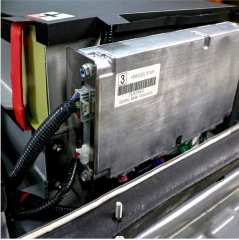
The Ultimate Step-by-Step Guide to Nissan Leaf Battery Replacement: Restore Your Range & Revitalize Your Drive
Is Your Nissan Leaf’s Range Disappearing Faster Than Your Morning Coffee?
That sinking feeling when your trusty Nissan Leaf can barely make it through your daily commute anymore. The bars on your dashboard have dwindled, charging seems pointless, and the dealership quote for a replacement battery made your jaw drop. Sound familiar? You’re not alone. Thousands of Leaf owners face this dilemma every year—spend thousands on an OEM battery or consider abandoning their reliable electric companion altogether.
What if I told you there’s a better solution? A complete Nissan Leaf battery swap can restore your vehicle’s original range—or even exceed it—while costing significantly less than dealer options. This comprehensive guide walks you through the exact process, whether you’re a DIY enthusiast or planning to work with a trusted technician.
Why Battery Replacement Beats Buying a New EV
Before diving into the replacement process, let’s address the elephant in the room: why replace the battery instead of the entire vehicle?
- Cost efficiency: A new Nissan Leaf starts around $28,000, while a quality battery replacement typically costs 25-30% of that amount
- Environmental impact: Extending your vehicle’s life reduces manufacturing emissions from a new car
- Familiarity: Keep the car you already know and love, with all its quirks and comforts
- Customization opportunity: Modern replacement batteries often offer greater capacity than your original pack
As Mark T. from California shared after his Leaf battery replacement: “The original battery in my car lasted 8 years, but the range had dropped to only 120km. Replacing it with an original manufacturer battery would cost $16,000, which was ridiculous! After comparing options, I chose a 62kWh battery from CNS, which cost only $7,800, less than half the price of the original.”
Preparing for Your Nissan Leaf Battery Swap: The Research Phase
Step 1: Identify Your Leaf Generation and Original Battery Size
Nissan Leaf models fall into distinct generations, each requiring specific battery configurations:
- ZE0 Generation (2011-2017): Originally equipped with 24kWh or 30kWh batteries
- AZE0 Generation (2018-2021): Typically came with 40kWh batteries
- ZE1 Generation (2022+): Often features 40kWh, 62kWh, or 68kWh packs
- e-NV200: Commercial van variant with specialized battery requirements
Check your owner’s manual or look for the battery specifications label underneath the hood to verify your model. Alternatively, your VIN number contains this information—most battery specialists can decode it for you.
Step 2: Evaluate Your Range Needs and Budget
Consider your daily driving patterns before selecting a replacement capacity:
- Urban commuters (under 100 miles daily): 40kWh provides ample range with faster charging times
- Suburban drivers (100-150 miles daily): 50-62kWh offers the best balance of range and value
- Frequent travelers (150+ miles daily): 62-68kWh maximizes distance between charges
Remember to factor in both battery cost and installation expenses when budgeting. While higher capacity batteries cost more upfront, they may provide better long-term value if you frequently drive longer distances.
The Physical Battery Replacement Process
Step 3: Safety Preparation – Non-Negotiable Steps
Working with high-voltage EV batteries requires strict safety protocols:
- Disconnect all power sources: Remove the 12V auxiliary battery terminals
- Wait 15 minutes minimum after power disconnection to allow capacitors to discharge
- Wear appropriate PPE: Insulated gloves (Class 0 or higher), safety glasses, and non-conductive footwear
- Work in a dry, well-ventilated area away from flammable materials
- Keep a Class D fire extinguisher rated for lithium fires nearby
Never skip safety preparation. High-voltage EV batteries can deliver lethal shocks even when disconnected from the vehicle.
Step 4: Removing the Original Battery Pack
- Access the battery compartment: For most Leaf models, this requires removing the rear seats and floor panels
- Document all connections: Take photos of wiring harnesses and connector positions before disconnecting anything
- Disconnect electrical connections in the sequence specified in your vehicle’s service manual
- Support the battery pack with a hydraulic lift or specialized battery cart before removing mounting bolts
- Remove mounting hardware carefully, noting the position of each bolt and bracket
- Lower the old battery slowly and place it on a non-conductive surface
Step 5: Installing Your New Battery System
- Position the new battery pack using the same support equipment
- Secure mounting hardware in the reverse order of removal, torquing to manufacturer specifications
- Reconnect electrical harnesses following your documentation photos
- Reinstall any brackets, covers, or panels that were removed
- Reconnect the 12V auxiliary battery
- Perform system initialization (varies by model and battery type)
Step 6: Post-Installation Testing Protocol
A proper battery swap isn’t complete without thorough verification:
- Initial power-up sequence: Watch for error codes or warning lights
- BMS (Battery Management System) calibration: May require specialized software
- Range verification test: Complete a full charge cycle followed by a controlled discharge test
- Charging compatibility check: Verify proper operation with your home charger and public charging stations
- Road testing: Start with short trips to confirm normal operation before longer journeys
Why CNS Battery Solutions Outperform Other Replacement Options
When selecting a replacement battery, not all options deliver equal value. Many Leaf owners discover too late that “budget” batteries use recycled cells or lack proper thermal management.
CNS BATTERY’s Nissan Leaf replacement packs feature distinct advantages that justify their position as industry leaders:
- Brand-new CATL cells exclusively: Unlike competitors who refurbish old cells, CNS batteries contain only fresh, high-grade lithium cells from China’s largest battery manufacturer
- OEM-compatible design: Perfect plug-and-play installation with factory connectors and mounting points
- Extended 2-year/80,000km warranty: Significantly longer coverage than most competitors and even some OEM options
- Capacity options beyond factory specifications: Upgrade from your original 24kWh pack to 62kWh for dramatically extended range
- Comprehensive technical support: Free installation videos, remote assistance, and troubleshooting guidance included
As David L. from London confirmed after replacing his degraded battery: “Previously, I tried to save money by replacing my battery with a refurbished one, but it swelled up after only six months, and the range dropped drastically. After replacing my battery with a 62kWh CNS battery, I realized the difference that brand-new CATL battery cells make! The full charge range is 440km, consistent with the specifications, and the charging speed is the same as the original. It feels like my car has been revived!”
Common Questions About Nissan Leaf Battery Replacement
How long does a Nissan Leaf battery replacement take?
For professional technicians, the physical swap typically requires 1-2 hours. DIY enthusiasts with moderate mechanical skills should budget 3-4 hours for their first installation. The CNS installation videos and support make this process significantly smoother than attempting an OEM-level replacement.
Will replacing my battery affect my vehicle’s warranty?
For vehicles beyond their factory warranty period (typically 8 years/100,000 miles for Nissan Leaf batteries), a third-party replacement has no impact. For in-warranty vehicles, CNS performs VIN compatibility checks to ensure their batteries won’t void remaining coverage on other vehicle systems.
Can I upgrade my battery capacity beyond the original specification?
Absolutely. Many Leaf owners with older ZE0 models (originally 24kWh) successfully upgrade to 40kWh, 62kWh, or even 68kWh packs. CNS batteries include all necessary management systems to communicate properly with your Leaf’s onboard computers regardless of capacity upgrade.
How do I know if my current battery needs replacement?
Watch for these warning signs:
- Significantly reduced driving range (below 60% of original)
- Inability to hold a full charge
- Dramatically slowed charging speeds
- Dashboard warning lights related to battery or power systems
- Visible swelling or damage to the battery case (requires immediate attention)
Are there financing options available for battery replacement?
CNS partners with multiple financing providers to offer payment plans that make battery replacement accessible. Contact their team directly to discuss options tailored to your situation and region.
Ready to Restore Your Nissan Leaf’s Original Spirit?
Don’t let a degraded battery dictate the end of your electric driving journey. Thousands of satisfied Leaf owners have already discovered that a proper battery replacement transforms their vehicles from range-anxious commuters to confident daily drivers.
Imagine tomorrow morning: You wake up to a fully charged Leaf with 440km of range, ready to handle whatever your day demands without constant charging anxiety. The money you save compared to buying a new EV could fund years of maintenance-free driving.
Don’t settle for decreasing range or expensive dealership quotes. Contact CNS BATTERY’s technical experts today for a personalized consultation. Their team will analyze your specific Leaf model, driving habits, and budget to recommend the perfect battery solution. Most customers receive their custom quote within 24 hours—often revealing savings of 50% compared to OEM alternatives.
Your Nissan Leaf was designed for years of reliable service. With the right battery partner, you can enjoy many more miles of silent, emission-free driving. The road ahead is brighter than you think.