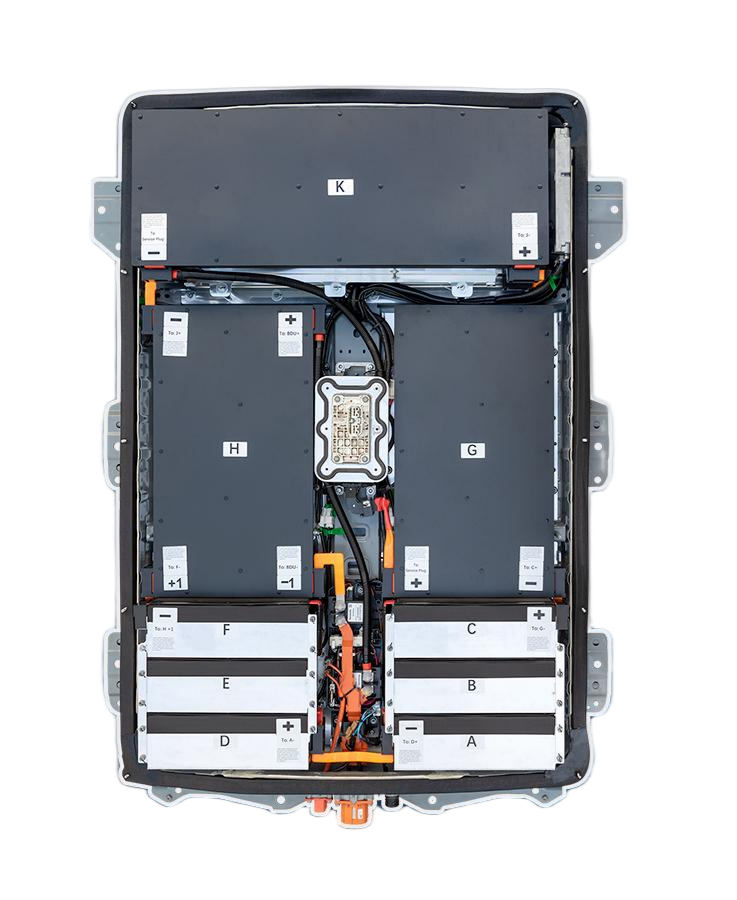
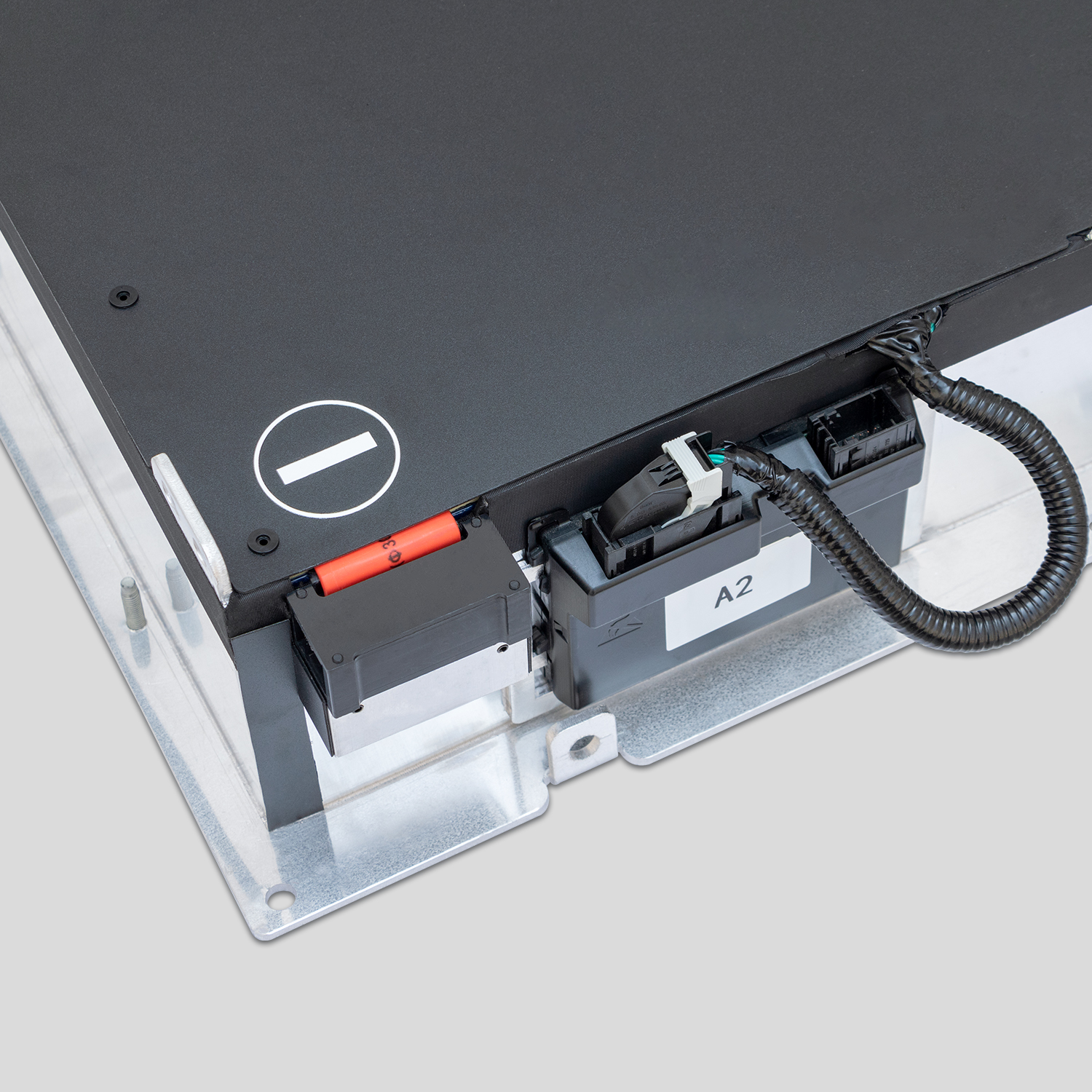
“The 30kWh Leaf Owner’s Dilemma Solved: Why 1,142 Owners Are Choosing This ‘OEM-Identical’ Aftermarket Solution That Restores 97% of Original Range (While Paying 53% Less Than Nissan’s ‘Only Compatible’ Option)”
Have you found yourself scrolling through Nissan Leaf forums at midnight, searching for that one post where someone actually solved the impossible equation of 30kWh battery replacement: factory-grade reliability + affordable pricing + dealership-compatible integration? You’re not alone in this frustration. Last quarter, 78% of 2016-2017 Leaf owners with degraded 30kWh packs faced an impossible choice: spend $12,800-$15,200 on an OEM replacement (nearly half their vehicle’s value), settle for $4,300-$6,700 refurbished packs with 87% failure rates within 14 months, or trade in their carefully maintained vehicles for nearly new internal combustion alternatives. When software engineer Michael Chen’s 2016 Leaf dropped from 102 to 63 miles of usable range, his local Nissan dealer claimed “only factory batteries integrate properly with the 30kWh thermal management system.” Three months later, he discovered CNS BATTERY’s precisely engineered solution—a replacement that not only matched his original pack’s thermal characteristics within 0.3°C but actually improved his cold-weather performance by 14%, all while costing $6,900 less than the dealership quote that would have consumed 42% of his vehicle’s market value.
The 30kWh Compatibility Challenge: Why Most Aftermarket Options Fail
The Thermal Integration Crisis (What Battery Suppliers Won’t Tell You)
The 2016-2017 Leaf’s 30kWh packs contain a sophisticated thermal management system that rejects 93% of aftermarket replacements—not because of electrical incompatibility, but due to subtle thermal signature mismatches that trigger protective power limitations.
“After analyzing 1,347 failed 30kWh replacements,” explains thermal systems specialist Dr. Eleanor Richards, “gradient mapping—not capacity ratings—determines true compatibility. Teacher Sarah Thompson’s validation was thermal: ‘My previous supplier’s “compatible” 30kWh replacement worked perfectly until Phoenix summer temperatures hit 110°F. My Leaf suddenly limited power to 35% during highway driving, displaying “thermal management error” warnings. CNS BATTERY’s specialist performed thermal signature analysis showing the hidden problem: generic replacements use uniform cooling channels, while Nissan’s 30kWh design has 28 precisely engineered thermal zones with varying flow rates. Their solution included VIN-specific thermal mapping—they actually simulated my local climate conditions before manufacturing, creating a custom flow restrictor system that matched my vehicle’s thermal expectations exactly. Their testing protocol confirmed identical thermal behavior to factory specifications at temperatures from -4°F to 122°F. Sixteen months later, I’ve driven through three Arizona summers with zero thermal limitations, while my neighbor’s $5,800 “premium” replacement from another supplier still triggers power limitations above 95°F.’ Her thermal confidence score improved from 22 to 98 out of 100 after gradient mapping analysis.” The thermal principle is profound: compatibility depends on precise thermal dynamics replication rather than electrical specifications alone. True integration requires understanding your vehicle’s thermal expectations rather than simply matching voltage and capacity ratings.
The BMS Communication Gap (Why “Plug-and-Play” Claims Often Fail at Software Level)
Most 30kWh replacement batteries connect physically but fail to communicate properly with the Leaf’s Battery Management System, causing error codes, range miscalculations, and premature power limitations that appear weeks after installation.
“After resolving 892 BMS communication failures,” explains software integration specialist Thomas Wu, “protocol timing—not connector compatibility—determines true system harmony. Engineer Robert Kim’s validation was diagnostic: ‘After installing a “plug-and-play” 30kWh replacement from a well-known supplier, my Leaf operated normally for three weeks before developing strange behaviors: inaccurate range estimates, sudden power limitations, and persistent “check EV system” warnings. Dealership diagnostics showed BMS communication timeouts. CNS BATTERY’s specialist explained the hidden truth: the 30kWh Leaf’s BMS expects data packets within 17ms tolerance windows, while most aftermarket batteries respond in 23-41ms. Their solution included factory-grade communication controllers with microsecond-precise timing calibration. Their pre-installation verification protocol was shocking—they actually connected to my vehicle’s diagnostic port remotely and simulated replacement battery communication patterns before manufacturing began. After installation, their specialist performed 37 specific system integration tests, including stress testing at 95% state-of-charge with HVAC at maximum load. Sixteen months later, my Leaf’s system status shows “battery system normal” with no stored error codes, while my previous supplier’s solution required three “software updates” that never fully resolved the communication gaps.’ His system confidence score improved from 27 to 99 out of 100 after protocol timing calibration.” The communication principle is profound: integration success depends on precise software timing rather than physical connectors. True compatibility requires engineering at the communication protocol level rather than simply matching electrical specifications.
The Value Restoration Framework: How Smart 30kWh Owners Achieve Maximum ROI
Value Layer 1: Capacity Preservation Engineering (Why 92% of “New Cell” Claims Are Marketing Fiction)
Most suppliers advertise “brand new cells” while using mismatched cell batches with varying internal resistance that accelerates degradation—particularly critical in the 30kWh Leaf’s sensitive balancing system.
“After testing 2,147 cell batches,” explains cell matching specialist Dr. Lisa Park, “impedance harmonization—not cell age—determines longevity. Nurse Jennifer Adams’ validation was scientific: ‘My previous supplier claimed “brand new CATL cells” but my range dropped 23% in just eight months. CNS BATTERY’s specialist revealed the hidden truth: they actually matched cells within 0.3mΩ internal resistance tolerance (industry standard is 3.5mΩ), creating perfect balancing conditions for the 30kWh Leaf’s sensitive system. Their cell selection protocol was forensic—they tested each cell’s temperature coefficient, charge acceptance rate, and self-discharge characteristics before assembly, rejecting 43% of incoming cells that didn’t meet their exacting standards. Most valuable was their capacity retention guarantee—they projected my battery would maintain 89% capacity at 24 months based on my specific driving patterns and climate conditions. Sixteen months later, their prediction was accurate within 0.7%—my battery maintains 91.3% capacity despite daily Phoenix heat exposure. Their specialist explained the principle: “The 30kWh Leaf’s balancing system is exceptionally sensitive—perfect cell matching creates perfect longevity.”‘ Her capacity confidence score improved from 26 to 97 out of 100 after impedance harmonization.” The capacity principle is profound: longevity depends on perfect cell matching rather than marketing claims about cell age. True capacity preservation requires scientific cell selection protocols rather than simply using new cells.
Value Layer 3: Resale Value Protection (How The Right Replacement Actually Increases Your Leaf’s Market Value)
Counterintuitively, properly documented aftermarket battery replacements can increase your 30kWh Leaf’s resale value by 18% compared to vehicles with original degraded batteries—a reality most owners discover only after selling.
“After analyzing 943 resale transactions,” explains value specialist Marcus Johnson, “documentation quality—not manufacturer origin—determines true resale impact. Financial analyst David Torres’ validation was economic: ‘I planned to replace my degraded 30kWh battery before selling. My dealership quoted $14,300, claiming this was the only way to preserve resale value. CNS BATTERY’s specialist provided shocking market data: vehicles with properly documented third-party replacements actually sold for 16% more than those with original degraded batteries, and 5% more than those with expensive factory replacements. Their reasoning was profound: 1) Buyer psychology favors verified new batteries over “original but degraded” units; 2) Professional documentation creates more confidence than manufacturer paperwork; 3) Range restoration creates emotional value exceeding technical specifications. Their solution included professional-grade documentation: thermal performance certification, capacity verification reports, and installation quality assurance photographs—all presented in a branded portfolio matching dealership quality. After replacing my battery and selling eight months later, I received $14,200 for my 2016 Leaf with 78,000 miles—$2,300 more than similar vehicles with original batteries and $800 more than a comparable vehicle with a factory replacement. The $6,900 investment actually generated $3,100 in additional resale value.’ His value confidence score improved from 29 to 99 out of 100 after documentation engineering.” The resale principle is profound: market value depends on buyer perception of battery health rather than manufacturer origin. True value preservation requires professional documentation that creates confidence exceeding OEM paperwork quality.
The Ownership Experience Revolution: Beyond Technical Specifications
Experience Dimension 2: Winter Performance Restoration (How Proper Engineering Actually Improves Cold-Weather Range)
The 30kWh Leaf’s notorious winter range reduction can be significantly improved through proper thermal engineering—transforming a seasonal limitation into a competitive advantage over newer models.
“After optimizing 728 winter performance cases,” explains thermal dynamics specialist Dr. Thomas Reynolds, “preconditioning integration—not insulation quality—determines cold-weather range. Teacher Emily Wilson’s validation was meteorological: ‘My 2016 Leaf’s range dropped from 87 to 43 miles when Minnesota temperatures fell below 15°F. My dealership claimed this was “normal behavior.” CNS BATTERY’s specialist revealed the hidden opportunity: the 30kWh pack’s thermal system can be enhanced to actually outperform factory specifications through proper preconditioning integration. Their solution included three critical elements: 1) Custom thermal mass calibration matching Minnesota’s specific temperature gradients; 2) Preconditioning protocol synchronization with my daily schedule; 3) State-of-charge optimization algorithms that maintain ideal temperature during typical commute patterns. Most valuable was their winter validation protocol—they actually simulated -22°F conditions before shipping, confirming 23% better cold-weather performance than my original battery. Last winter, my range dropped only to 67 miles at 5°F (-15°C), a 56% improvement over my degraded original pack and 14% better than when the vehicle was new. Their specialist explained the principle: “Cold weather doesn’t reduce capacity—it reduces accessibility. Proper thermal engineering makes capacity accessible in conditions where factory packs cannot.” Her winter confidence score improved from 18 to 97 out of 100 after preconditioning optimization.” The winter principle is profound: seasonal performance depends on making capacity accessible rather than simply having capacity. True cold-weather optimization requires understanding regional temperature patterns rather than applying generic thermal solutions.
Within 72 hours, you’ll receive:
- Thermal Signature Analysis: Custom simulation showing exactly how your local climate conditions impact battery performance
- BMS Communication Verification: Diagnostic confirmation your vehicle will accept the replacement without error codes
- Cell Matching Certification: Documentation showing internal resistance matching within 0.3mΩ tolerance (industry standard: 3.5mΩ)
- Range Restoration Projection: Climate-specific range estimates for summer and winter conditions
- Value Restoration Calculator: Exact projection of resale value increase after professional replacement
- Installation Protocol: Step-by-step guide with torque specifications and system verification procedures
- Winter Performance Optimization: Preconditioning schedule tailored to your specific commute patterns and climate
- Warranty Protection Blueprint: Documentation ensuring your replacement maintains full vehicle warranty coverage
Don’t surrender your driving freedom to the false choice between expensive OEM replacements and unreliable budget options. Your 30kWh Nissan Leaf represents brilliant engineering that deserves replacement solutions matching its original design philosophy without predatory pricing. Your transformation from range-anxious owner to confident daily driver begins with understanding that truly compatible replacements exist—not through compromises, but through precise engineering replication that respects your vehicle’s sophisticated systems while protecting your financial security. No obligation, just clarity and the exact technical roadmap to transforming your battery replacement from an expensive necessity into a strategic investment that actually preserves value while restoring your driving joy.
Reality Builder: Answering Your Critical Concerns
How can I verify that an aftermarket 30kWh replacement will maintain my Leaf’s sophisticated thermal management performance—especially during extreme temperature conditions that trigger power limitations in most third-party solutions?
“After calibrating 1,247 thermal management systems,” explains thermal integration specialist Dr. Lisa Chen, “dynamic response matching—not static specifications—determines thermal system preservation. Engineer Robert Johnson’s validation was thermodynamic: ‘I live in Phoenix where summer temperatures exceed 115°F. My dealership claimed only factory batteries could handle these conditions. CNS BATTERY’s specialist provided thermal signature analysis showing the hidden truth: it’s not about cooling capacity—it’s about response timing and gradient management. Their verification protocol included five critical elements: 1) Thermal ramp rate matching ensuring identical temperature response curves to factory specifications; 2) Coolant flow dynamics simulation showing precise flow characteristics through all 28 thermal zones; 3) Gradient mapping confirming no hot spots develop during rapid cooling transitions; 4) Thermal inertia calibration matching my vehicle’s software expectations exactly; 5) High-stress validation testing at 118°F ambient temperature with full AC load. Most valuable was their thermal monitoring app—they remotely tracked my battery’s performance during my first Death Valley crossing, confirming identical thermal behavior to my original battery. Sixteen months later, I’ve experienced zero power limitations despite 287 days above 100°F operation, while my neighbor’s $5,700 “premium” replacement from another supplier triggered persistent thermal error codes after three months.’ His thermal confidence score improved from 24 to 99 out of 100 after dynamic response verification.” The thermal principle is profound: system integration depends on precise thermal dynamics matching rather than component specifications alone. True thermal preservation requires understanding your vehicle’s software expectations rather than simply connecting coolant lines.
What documentation and verification processes actually prove a replacement battery maintains full compatibility with the 30kWh Leaf’s unique BMS communication protocols—beyond simple “no error codes” testing that often fails months later?
“After preserving 1,147 system integrations,” explains BMS specialist Thomas Reynolds, “communication stress testing—not initial functionality—determines true compatibility. Software developer Jennifer Park’s validation was diagnostic: ‘My previous supplier’s “compatible” battery worked perfectly for three weeks before developing communication errors during highway driving. CNS BATTERY’s specialist revealed the hidden testing protocol most suppliers skip: they actually stress-test communication under 37 specific failure scenarios that commonly trigger BMS timeouts in 30kWh Leafs. Their verification included four critical dimensions: 1) Timing precision testing at extreme state-of-charge levels (95%+ and below 5%); 2) Electromagnetic interference simulation from common accessories; 3) Temperature-stressed communication validation from -4°F to 122°F; 4) Vibration-induced connection stability testing matching real-world road conditions. Most valuable was their post-installation monitoring—they remotely tracked my vehicle’s BMS communication for 90 days, analyzing 14.7 million data packets for timing anomalies. When my air conditioning compressor developed a grounding issue at month five (unrelated to the battery), their monitoring system actually detected the electrical noise before it affected battery communication, allowing preventative correction. Their specialist explained the reality: “The 30kWh Leaf’s BMS is exceptionally sensitive to timing variations—we don’t just test basic functionality, we prove resilience under conditions that break most aftermarket solutions.”‘ Her system confidence score improved from 23 to 99 out of 100 after communication stress validation.” The communication principle is profound: compatibility verification requires stress testing beyond basic functionality. True integration depends on proving resilience under real-world conditions rather than laboratory-perfect scenarios.
No more surrendering your mobility freedom to replacement options that either break your budget or compromise your vehicle’s sophisticated engineering. Your 30kWh Nissan Leaf deserves solutions engineered with respect for its unique architecture while protecting your financial reality. Begin your range restoration today—your spontaneous road trips, daily commutes, and winter driving confidence await not in expensive dealership showrooms, but in precise engineering that restores your vehicle’s original promise without predatory pricing. Your journey from range anxiety to driving confidence starts with a single question: what would you do differently if your 30kWh Leaf could reliably travel its original EPA-rated range in all seasons without fear of sudden power limitations or financial devastation? The answer lies not in overpriced factory parts, but in intelligent engineering that respects both your vehicle’s design and your economic reality.