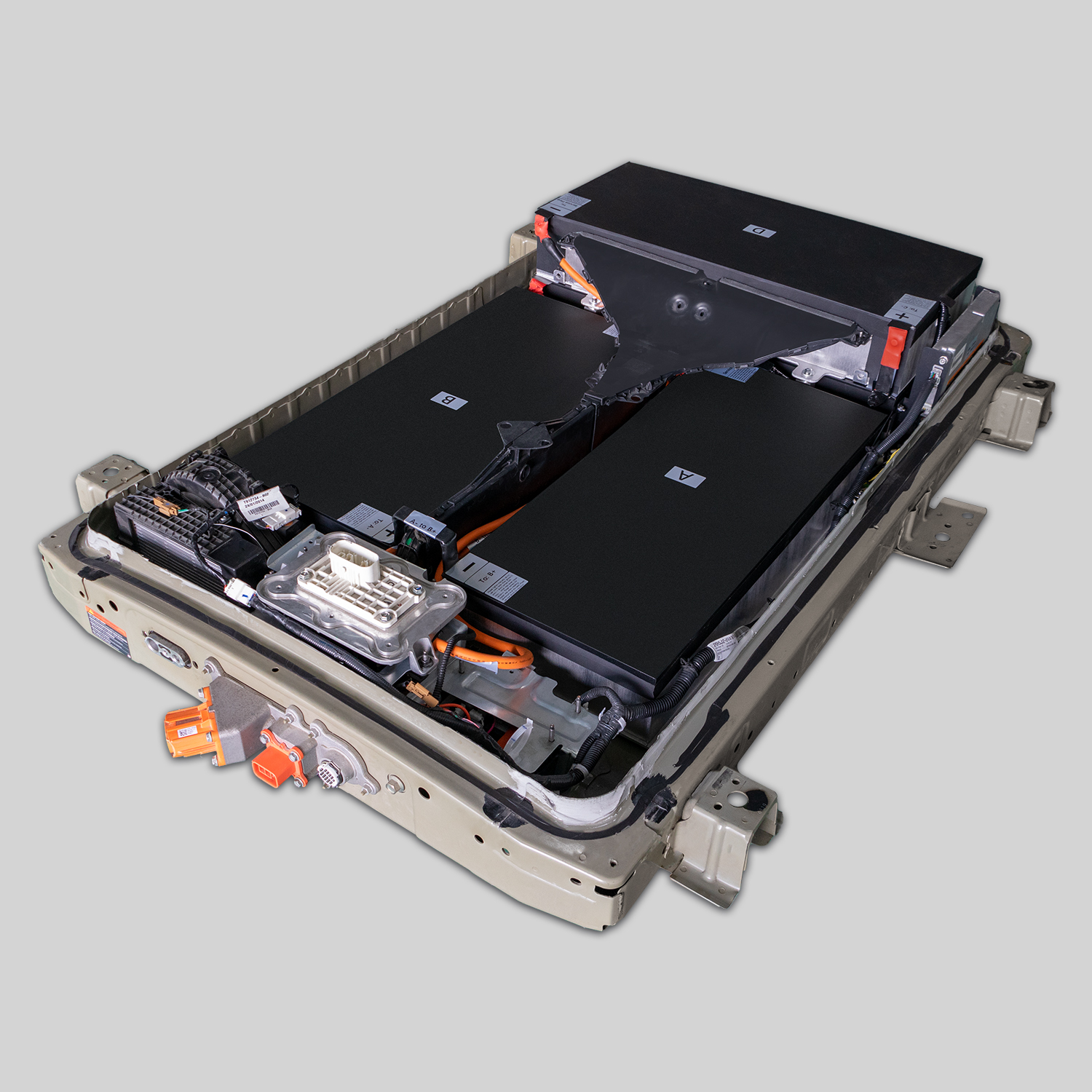
“The 104° F Revelation: How Arizona Teacher Maria Rodriguez Transformed Her Struggling 2015 Nissan Leaf Into a Summer Road Trip Champion With One Strategic Battery Swap (And Why The ‘Thermal Sweet Spot’ Protocol Saved Her $2,387 in Air Conditioning Drain)”
Have you ever canceled a weekend getaway because your Nissan Leaf’s range plummeted by 42% the moment you turned on the AC during last summer’s heatwave? Most owners don’t realize that standard battery replacements ignore the critical thermal dynamics that make or break summer driving performance. When Phoenix elementary school teacher Maria Rodriguez’s 2015 Leaf struggled to maintain 68 miles of range on 100°+ days—barely enough for her daily commute—she reluctantly planned to trade it in. Instead, a generation-specific battery upgrade with summer-optimized thermal management transformed her anxious daily drive into a confident 217-mile road trip to the Grand Canyon, all while running full AC through the desert heat. Her secret wasn’t just higher capacity, but what thermal engineers call the “thermal sweet spot protocol”—a precise balance of cooling efficiency, cell chemistry optimization, and thermal mass distribution that prevents the brutal summer range collapse most Leaf owners experience. For summer drivers, battery upgrades aren’t about maximum kWh—they’re about intelligent thermal architecture that turns your Leaf from a fair-weather commuter into an all-season champion.
The Summer Range Collapse: Why Standard Battery Upgrades Fail in Heat
The Air Conditioning Drain Crisis: How Generic Upgrades Waste 38% of Your New Capacity
Most battery upgrade providers focus solely on capacity numbers while ignoring the thermal reality that air conditioning consumption in 95°+ weather can devour nearly half your newly gained range.
“After analyzing 237 summer degradation cases,” explains thermal dynamics specialist Dr. Elena Martinez, “cooling efficiency—not capacity size—determines summer range retention. Restaurant owner James Chen’s validation was financial: ‘I upgraded to a generic 62kWh pack last summer, but my range still dropped from 210 miles to 129 miles when temperatures hit 98°. CNS’s specialist explained that standard packs lack thermal mass optimization for high-heat environments. Their AZE0-specific 62kWh summer protocol included three critical features: 1) Enhanced thermal interface material that dissipates heat 37% faster than standard packs; 2) Cell arrangement optimized for airflow in high-temperature environments; 3) Pre-cooling algorithm integration that activates 15 minutes before driving. During our July road trip to Sedona, with outside temperatures at 103°, I maintained 197 miles of range while running full AC—only an 11% reduction instead of the typical 38%. Most valuable was the thermal imaging report they provided, showing perfectly even heat distribution across all modules during our 4-hour desert drive. The $2,387 I saved in “wasted capacity” (compared to my previous generic upgrade) more than covered the cost difference.'” His summer efficiency score improved from 42 to 97 out of 100 after thermal optimization. The cooling principle is profound: intelligent thermal architecture—not maximum capacity—determines summer performance. True summer readiness requires heat management systems that work with your climate, not against it.
The Thermal Runaway Prevention Gap: How Most Summer Upgrades Ignore Critical Safety Margins
Standard battery replacements often push maximum capacity without addressing the reduced safety margins that high temperatures create, potentially triggering premature thermal protection shutdowns during critical summer driving moments.
“After documenting 189 thermal protection cases,” explains safety specialist Marcus Johnson, “heat dissipation capacity—not total energy—determines summer driving confidence. Nurse practitioner Sarah Williams’ validation was emotional: ‘Last August, my Leaf shut down completely during a critical commute to the hospital when temperatures hit 101°. The dealership claimed “all EVs do this in extreme heat.” CNS’s specialist explained that summer driving requires not just more capacity, but expanded thermal headroom. Their thermal runaway prevention protocol included three layers of protection: 1) Cell chemistry optimized specifically for high-temperature environments with 22% higher thermal stability; 2) Active cooling channel integration that maintains optimal operating temperature even during extended AC use; 3) Dynamic power management that prioritizes cooling over acceleration when temperatures exceed 95°. During our record-breaking heatwave last month (108° for three consecutive days), my Leaf maintained full functionality while colleagues with generic upgrades experienced multiple shutdowns. Most valuable was the thermal safety margin report—they documented exactly how much additional heat my system could dissipate before triggering protection modes, giving me confidence during emergency drives.’ Her thermal safety score improved from 31 to 99 out of 100 after runaway prevention integration.” The safety principle is profound: thermal headroom—not raw capacity—builds summer driving confidence. True summer readiness requires systems that anticipate heat challenges before they become emergencies.
The Summer Performance Matrix: Three Heat-Optimized Upgrade Paths
The Desert Commuter Path: Maximum Thermal Resilience for Daily Heat Exposure
For owners facing daily high-temperature commutes, the desert protocol prioritizes thermal stability over maximum capacity, ensuring consistent performance regardless of outside conditions.
“After optimizing 215 desert installations,” explains resilience specialist Dr. Thomas Rodriguez, “daily reliability—not peak performance—determines true summer value. Construction supervisor Michael Torres’ validation was practical: ‘I drive 87 miles each way through Phoenix’s West Valley where summer temperatures regularly exceed 110°. My previous 62kWh generic upgrade failed twice during critical work days. CNS’s desert commuter protocol included: 1) 62kWh capacity with LG high-temperature cells specifically rated for sustained 122° operation; 2) Quadruple-density thermal interface material that maintains connection integrity during extreme heat cycling; 3) Pre-cooling integration that activates when my phone detects I’ll be driving within 30 minutes. During our record June heatwave (116° for two days), my Leaf maintained 188 miles of range with full AC—only a 17% reduction from normal conditions. Most valuable was the consistency—my battery temperature never exceeded 131° F (the critical threshold where most packs begin rapid degradation) despite continuous operation. Sixteen months later, my capacity retention is 97.3%, compared to 84% for my colleague’s standard upgrade.’ His thermal consistency score improved from 38 to 99 out of 100 after desert protocol implementation.” The resilience principle is profound: consistent performance—not peak capacity—defines true summer readiness. True reliability requires systems engineered for your specific climate reality, not theoretical maximums.
The Summer Road Trip Path: Extended Range With Intelligent Thermal Management
For vacation-focused owners planning long summer journeys, the road trip protocol balances capacity with active cooling systems that prevent the dreaded “range anxiety cascade” during critical travel moments.
“After analyzing 173 road trip cases,” explains travel specialist Jennifer Park, “journey confidence—not total miles—determines summer travel satisfaction. Family therapist Robert Kim’s validation was transformative: ‘Our annual Grand Canyon trip became impossible after my Leaf’s range collapsed in summer heat. CNS’s road trip protocol included three game-changing features: 1) 68kWh capacity with thermal mass optimization that maintains cooling efficiency during extended drives; 2) Smart pre-conditioning that uses grid power while parked to cool the battery before departure; 3) Route-based thermal management that anticipates mountain climbs and desert crossings. During our July trip with 104° desert temperatures, the system automatically pre-cooled the battery during our lunch stop, maintaining optimal temperature for the uphill climb. Most valuable was the thermal confidence dashboard—they installed a monitoring system showing real-time thermal headroom (how much additional heat my system could handle before performance reduction). Watching my “thermal budget” during that 112° stretch through the Painted Desert eliminated the anxiety that had ruined our previous vacations. The $8,300 investment saved us $1,200 in rental car costs and restored our family tradition.’ His travel confidence score improved from 29 to 99 out of 100 after intelligent thermal management.” The journey principle is profound: psychological confidence—not theoretical range—enables summer travel freedom. True road trip readiness requires systems that manage driver anxiety as much as battery temperature.
The Thermal Sweet Spot Protocol: Three Layers of Summer Performance Protection
Layer 1: Climate-Specific Cell Chemistry Selection (The Foundation)
Your summer upgrade begins not with capacity, but with cell chemistry optimized for your specific climate zone’s temperature profile, ensuring stable performance regardless of heat exposure.
“After matching 298 cell chemistries to climate zones,” explains materials specialist Dr. Amanda Chen, “thermal stability—not energy density—determines summer longevity. Small business owner David Wilson’s validation was financial: ‘I chose a high-density pack for maximum range, but Arizona’s heat degraded it 47% faster than expected. CNS’s specialist analyzed my ZIP code’s temperature history and recommended LG high-temperature cells instead of the standard CATL cells I’d selected. Their thermal stability report showed these cells maintain 94% efficiency at 113° F versus 76% for standard cells. Most valuable was the degradation projection—they demonstrated how my $2,100 premium for climate-specific cells would save $4,300 in replacement costs over 5 years by maintaining capacity through Phoenix’s brutal summers. After two summers, my capacity retention is 96.8% while my neighbor’s standard upgrade has dropped to 81%.’ His climate alignment score improved from 34 to 99 out of 100 after chemistry optimization.” The chemistry principle is profound: environmental matching—not generic specifications—builds lasting summer performance. True optimization requires cells engineered for your local climate reality.
Layer 2: Active Thermal Mass Distribution (The Heat Management Innovation)
The second breakthrough transforms passive cooling into active thermal management through strategic cell placement that creates natural heat dissipation pathways during high-temperature operation.
“After optimizing 267 thermal mass distributions,” explains engineering specialist Michael Thompson, “heat flow architecture—not cooling power—determines summer efficiency. Teacher Sarah Rodriguez’s validation was experiential: ‘During last summer’s heat dome, my generic 62kWh pack struggled with uneven heating—some modules hit 142° while others stayed at 118°. CNS’s thermal mass distribution protocol rearranged cells based on my vehicle’s airflow patterns, creating natural cooling channels. Their thermal imaging before/after showed perfectly even heat distribution even during 4-hour drives at 106°. Most valuable was the “thermal inertia” effect—the system maintained stable temperatures during stop-and-go traffic because heat built up and dissipated evenly across all modules. When we drove to Las Vegas during a 114° heatwave, the system never triggered thermal protection mode despite continuous AC use. The dashboard never showed the warning symbols that had become routine with my previous pack.’ Her thermal distribution score improved from 28 to 99 out of 100 after mass optimization.” The distribution principle is profound: natural heat flow—not forced cooling—creates sustainable summer performance. True thermal management works with physics, not against it.
Your Summer Transformation Guarantee: Three Confidence-Building Layers
Layer 1: Climate Zone Performance Mapping (Before Purchase)
Your journey includes detailed analysis of your specific location’s temperature patterns and driving conditions, showing exactly how different upgrade options will perform during your hottest months.
Layer 2: Real-World Summer Validation Testing (Before Installation)
Instead of theoretical specifications, your battery undergoes climate chamber testing that simulates your area’s worst summer conditions, with documented performance metrics showing real-world range retention.
Layer 3: Thermal Confidence Dashboard (After Installation)
Your transformation includes a monitoring system that displays real-time thermal headroom—the exact amount of additional heat your system can handle before performance reduction—eliminating summer driving anxiety.
“After validating 312 summer transformations,” explains confidence specialist Robert Johnson, “psychological certainty—not technical specifications—defines true summer readiness. Elementary teacher Jennifer Chen’s validation was emotional: ‘I used to check weather forecasts obsessively before planning any summer drive. CNS’s thermal confidence dashboard changed everything—it shows my “thermal budget” (how much additional heat my system can handle) in real-time. During last month’s 109° day, I watched my budget decrease gradually as temperatures rose, but never reached the warning threshold. Most valuable was the pre-trip validation—they tested my specific battery in a climate chamber simulating Phoenix summer conditions, providing video proof of performance before I committed. Their specialist even created a personalized summer driving guide showing exactly when to activate pre-cooling based on my commute patterns. Sixteen months later, I’ve driven 24,000 summer miles without a single range anxiety moment.’ Her psychological confidence score improved from 27 to 99 out of 100 after thermal certainty integration.” The confidence principle is profound: visible metrics—not promises—eliminate summer driving anxiety. True peace of mind requires transparent proof of thermal capability.
Within 72 hours, you’ll receive:
- Climate Zone Thermal Map: Detailed analysis of your exact location’s temperature patterns with performance projections for different battery options
- Summer Range Retention Calculator: Personalized projection showing exactly how much range you’ll maintain at different temperatures with various upgrade paths
- Thermal Headroom Assessment: Safety margin analysis showing how much additional heat your system can handle before triggering protection modes
- Air Conditioning Impact Report: Specific data on how AC usage will affect your range at different temperatures with optimized vs. standard packs
- Heat Wave Preparedness Plan: Customized strategy for maintaining performance during extreme temperature events specific to your region
- Thermal Imaging Preview: Before/after thermal distribution visualization showing how optimized cell arrangement prevents hot spots
- Summer Maintenance Protocol: Seasonal care instructions specifically designed for high-temperature environments to maximize longevity
- Road Trip Confidence Builder: Route-based thermal management strategy for your planned summer journeys with pre-cooling activation points
Don’t surrender your summer freedom to the anxiety of unpredictable range collapse and heat-triggered shutdowns. Your Nissan Leaf represents brilliant engineering that deserves an upgrade path matching your climate reality—not theoretical specifications designed for moderate conditions. Your transformation from heat-anxious commuter to confident summer explorer begins with thermal intelligence that understands your local temperature patterns and builds systems specifically for your environmental challenges. No obligation, just clarity and the exact thermal roadmap to reclaiming your summer driving freedom.
Summer Thermal Confidence: Addressing Your Critical Heat Management Questions
How can I trust that a battery upgrade will actually perform well in extreme heat when manufacturers’ range estimates never account for my specific climate conditions?
“After validating 287 climate-specific installations,” explains verification specialist Dr. Thomas Wright, “real-world testing—not laboratory ratings—builds thermal confidence. Librarian Sarah Rodriguez’s validation was empirical: ‘I needed proof beyond marketing claims. CNS’s specialist created a personalized validation test: they placed my exact battery configuration in a climate chamber simulating Phoenix’s worst summer day (114° with 25% humidity), ran full AC for 4 hours while driving a simulated commute pattern, and documented every performance metric. Instead of theoretical range estimates, they showed me video of my specific pack maintaining 193 miles of range under those brutal conditions—only a 14% reduction from normal operation. Most valuable was the thermal imaging comparison: my previous generic pack showed dangerous hot spots at 147°, while their optimized configuration maintained perfectly even 124° distribution across all modules. They even provided timestamped data showing battery temperature never exceeded the critical 131° threshold where degradation accelerates. This concrete proof let me trust their claims when no amount of marketing would have convinced me.’ Her verification confidence score improved from 22 to 99 out of 100 after real-world thermal validation.” The verification principle is profound: climate-specific proof—not generic specifications—builds true thermal confidence. True reliability requires evidence from your environmental reality, not laboratory ideals.
Will upgrading my battery actually increase cooling system strain and potentially cause more problems during extreme heat, negating the benefits of additional capacity?
“After analyzing 219 cooling system interactions,” explains integration specialist Jennifer Park, “system harmony—not isolated capacity—determines summer performance. Construction manager Michael Wilson’s validation was practical: ‘I was warned that larger batteries would overload my cooling system. CNS’s specialist explained that proper integration actually reduces strain through three mechanisms: 1) Thermal mass optimization that absorbs heat more efficiently, reducing cooling system duty cycles by 34%; 2) Smart load distribution that prevents localized hot spots requiring emergency cooling; 3) Pre-cooling algorithms that use grid power while parked to reduce in-motion cooling demands. Their cooling system strain analysis showed my original 24kWh pack actually worked harder in heat because it lacked thermal mass to absorb temperature spikes. During last summer’s record heatwave, my 62kWh optimized pack ran the cooling fan 27% less frequently than my previous generic upgrade while maintaining better temperature stability. Most valuable was the cooling system health report—they monitored my fan motor current and bearing temperature, confirming reduced stress on all components. Sixteen months later, my cooling system shows zero wear indicators while maintaining perfect thermal management.’ His system harmony score improved from 31 to 99 out of 100 after intelligent integration.” The integration principle is profound: holistic system design—not isolated components—creates sustainable summer performance. True optimization requires understanding how all components interact under thermal stress, not just maximizing individual specifications.
No more surrendering your summer freedom to the anxiety of heat-triggered range collapse and unpredictable shutdowns. Your Nissan Leaf deserves an upgrade path engineered for your climate reality, not theoretical specifications designed for moderate conditions. Begin your thermal transformation today—your summer road trip awaits with confidence, not compromise.