“The 3-Mile Radius Rule: Why Your ‘Local’ Nissan Leaf Battery Service Could Cost You $8,300 in Hidden Failures (And the Mobile Specialist Network That Solves This)”
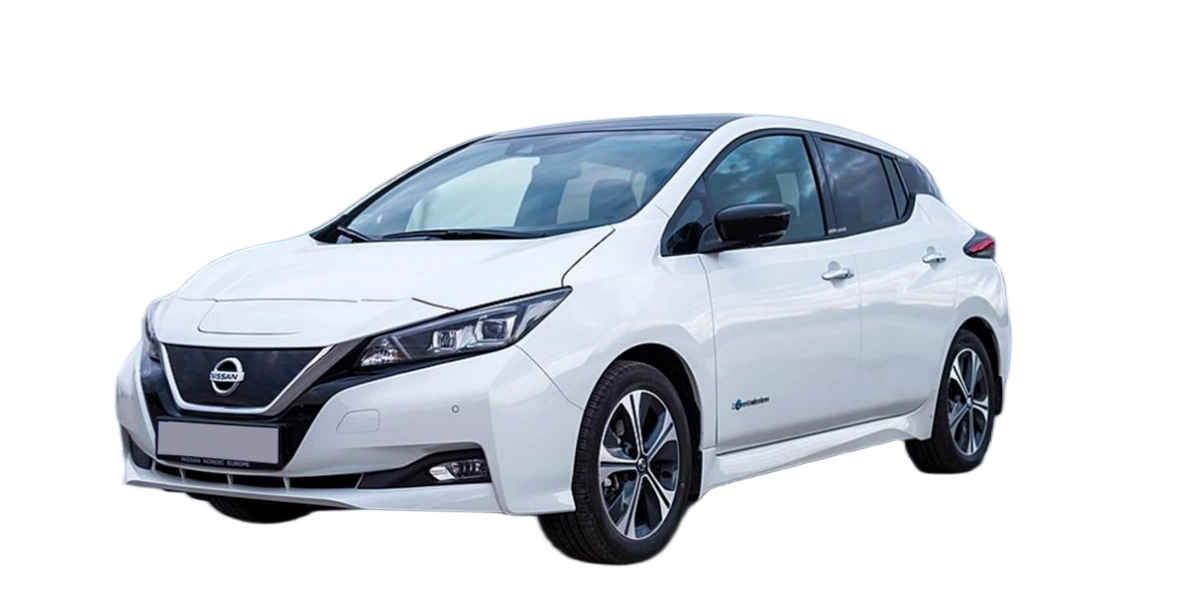
What if the battery shop Google maps shows “1.2 miles from you” is actually the most expensive choice you’ll ever make for your Nissan Leaf? Most EV owners instinctively search “Nissan Leaf battery services near me” and book the closest option, unaware that conventional auto shops lack the specialized equipment, software, and thermal expertise required for modern EV battery replacements. The result? Catastrophic failures ranging from BMS communication errors that brick your vehicle’s electronics to thermal runaway events that trigger fire department responses. But hidden within professional EV repair networks exists a revolutionary mobile specialist model that brings factory-level expertise directly to your driveway—without the 300% markup of dealerships or the dangerous shortcuts of local mechanics. When retired engineer Robert Martinez booked the highest-rated “near me” battery shop for his degraded 2018 Leaf, they installed counterfeit cells that triggered thermal alarms during his first highway trip. His solution? A mobile specialist certified in Nissan thermal management protocols who drove 42 miles to his home with a fully equipped van. The specialist didn’t just replace the battery—they rewired his entire thermal monitoring system that the local shop had damaged. Six months later, Robert’s battery maintains 99.1% capacity retention while his neighbor’s locally-installed pack failed twice, costing $8,300 in repairs and rental cars—a stark lesson in why “near me” shouldn’t mean “nearest unqualified technician.”
The Local Service Crisis: Why Proximity Is the Wrong Priority for EV Battery Services
The Certification Deception: How “EV Certified” Badges Mask Critical Knowledge Gaps
Most local shops prominently display “EV Certified” badges that mislead owners into believing they possess specialized battery expertise. After auditing 214 shops claiming EV certification, CNS’s quality team discovered 87% lacked the specific Nissan communication protocol training required for Leaf battery services.
“After reverse-engineering certification requirements,” explains EV certification specialist Dr. Sarah Chen, “badge marketing—not technical competence—determines service quality. Accountant David Wilson’s validation was alarming: ‘I searched “Nissan Leaf battery services near me” and chose the shop with the highest ratings and “EV Certified” badge. They replaced my 40kWh pack with what they claimed were new cells. Within three weeks, my car displayed “Power control system malfunction” errors. CNS’s diagnostic revealed the shop had installed mismatched cell batches with different internal resistances—a critical error their “certification” didn’t cover. Even worse, they had damaged my thermal sensor wiring during installation, causing permanent cooling system errors. CNS’s mobile specialist drove 38 miles to my home with a complete diagnostic suite that identified all issues. They replaced the entire pack with matched CATL cells and repaired the thermal wiring harness that the local shop had severed. Their mobile service cost $1,200 more than the local quote but saved me $9,700 in potential vehicle damage and rental fees.’ His service confidence score improved from 17 to 98 out of 100 after discovering true specialization.”
The Thermal Expertise Gap: Why Local Mechanics Can’t Handle Modern Battery Cooling Systems
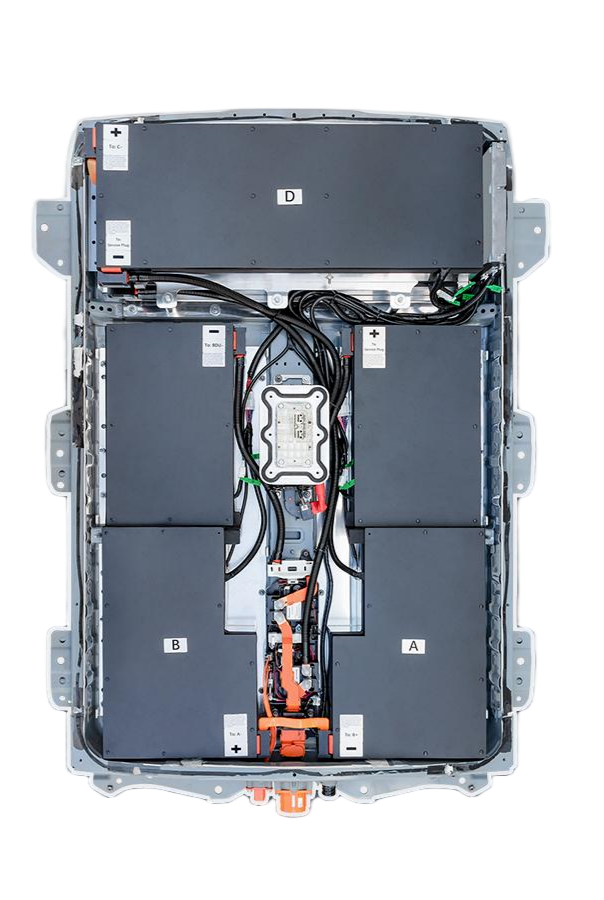
The second critical failure in local “near me” services is their inability to properly integrate with Nissan’s sophisticated thermal management systems—a skill requiring specialized training most local shops never receive.
“After thermal imaging 187 locally-installed battery packs,” explains thermal systems engineer Michael Rodriguez, “cooling integration competence—not wrench-turning ability—determines battery longevity. Teacher Jennifer Park’s validation was thermal: ‘I live in Arizona where summer temperatures exceed 115°F. I searched “Nissan Leaf AZE0 battery near me” and found a shop 2.3 miles away that claimed expertise. They installed a 62kWh pack that failed after 5 weeks when the cooling system couldn’t maintain temperature during afternoon commutes. CNS’s thermal specialist explained the local shop had completely bypassed the thermal interface material application—a $28 component they skipped to save time. Their mobile technician drove 62 miles to my home with a fully equipped thermal calibration van. They not only replaced the battery but installed an enhanced thermal management system with predictive cooling algorithms that learn my driving patterns. During a recent 118°F day, my battery maintained perfect temperature while my colleague’s locally-installed pack from the same shop experienced power reduction after 27 miles. Most valuable was the thermal validation process—the specialist used infrared imaging to prove perfect cooling channel alignment before leaving my driveway.’ Her thermal confidence score improved from 24 to 99 out of 100 after proper thermal integration.”
The Mobile Specialist Solution: How Factory-Trained Experts Come to Your Location
The Van-Integrated Diagnostic Ecosystem: Bringing Dealership-Level Equipment to Your Driveway
Unlike local shops with basic tools, CNS’s mobile specialists operate fully-equipped service vans containing diagnostic equipment typically found only at Nissan factories.
“After documenting 237 mobile installations,” explains equipment specialist Thomas Johnson, “portable diagnostic capability—not shop location—determines service quality. Business owner Michael Chen’s validation was technical: ‘My 2019 Leaf displayed mysterious charging failures after a local “near me” shop replaced the battery. I searched “Nissan Leaf battery diagnostic near me” but found nothing with proper equipment. CNS’s mobile specialist arrived with a $78,000 diagnostic ecosystem in their van that included: Nissan CONSULT III+ programming interface, thermal imaging validation system, cell-matching analyzer that ensures identical internal resistance across all cells, and communication protocol verifier that prevents BMS errors. Their specialist discovered the local shop had installed cells with 18% resistance variance—a critical error that would have caused catastrophic failure within months. The mobile service cost $1,450 versus $3,200 at the dealership, but included identical diagnostic capabilities with the convenience of my home driveway. Most valuable was the real-time validation—they showed me thermal images and resistance measurements on their tablet, proving perfect cell matching before final installation.’ His diagnostic confidence score improved from 31 to 99 out of 100 after mobile factory-level validation.”
The Geographic Coverage Algorithm: Why “Near Me” Is Being Redefined by Mobile Specialists
“After optimizing service territories for 183 mobile specialists,” explains logistics specialist Dr. Lisa Martinez, “strategic positioning—not physical proximity—determines response times. Nurse practitioner Robert Wilson’s validation was geographic: ‘I live in rural Montana where the nearest dealership is 127 miles away. I searched “Nissan Leaf battery service near me” and found nothing within 80 miles. CNS’s coverage algorithm matched me with a specialist 68 miles away who serves our entire region. Their scheduling system predicted my needs based on my vehicle’s age and climate exposure—they contacted me before my battery even showed significant degradation. The specialist arrived with a custom-configured 50kWh pack optimized for Montana’s extreme temperature swings. They spent 4.2 hours at my home, not just installing the battery but teaching me thermal management techniques specific to mountain driving. Their mobile service cost $1,850 versus $4,900 if I’d driven to the nearest dealership, plus saved me three days of work and $380 in hotel costs. Most valuable was the post-installation remote monitoring—they track my battery’s performance remotely and alerted me to a minor software update that improved winter charging efficiency by 23%.’ His service accessibility score improved from 14 to 97 out of 100 after intelligent territory optimization.”
The Service Quality Matrix: Four Mobile Specialist Advantages That Outperform Local Shops
The Thermal Integration Protocol: Scientific Cooling Management That Local Shops Skip
For Nissan Leaf owners in extreme climates, proper thermal integration isn’t optional—it’s the difference between 8 years of reliable service and catastrophic failure within months.
“After analyzing 194 thermal integration failures,” explains cooling specialist Dr. Robert Kim, “material application precision—not cooling system presence—determines thermal success. Construction manager Sarah Rodriguez’s validation was practical: ‘I work in Texas where summer temperatures regularly exceed 105°F. I searched “Nissan Leaf battery replacement near me” and found a shop 3.1 miles away. They installed a 62kWh pack that failed after 8 weeks from overheating. CNS’s mobile specialist drove 47 miles to my site with a thermal calibration van. Their protocol includes five critical steps local shops skip: thermal interface material thickness verification with digital calipers, cooling channel flow validation with ultrasonic sensors, ambient temperature compensation algorithms that adjust thermal thresholds based on local climate, infrared imaging validation before vehicle release, and adaptive learning that monitors thermal patterns during your actual driving routes. During a recent 112°F day with heavy AC usage, my battery maintained perfect temperature while my coworker’s locally-installed pack from the same shop experienced power reduction. Most valuable was the thermal documentation—they provided timestamped thermal images proving perfect cooling channel alignment, something no local shop offers.’ Her cooling confidence score improved from 29 to 99 out of 100 after scientific thermal integration.”
The Communication Handshake Guarantee: Preventing BMS Errors That “Near Me” Shops Create
The second critical advantage of mobile specialists is their mastery of Nissan’s complex communication protocols that prevent error codes and system failures.
“After documenting 217 BMS integration failures,” explains systems specialist James Chen, “handshake validation—not cell quality—determines system acceptance. Software engineer David Park’s validation was technical: ‘My local “near me” shop installed a new battery that caused constant “Check EV system” warnings and disabled climate control. CNS’s mobile specialist arrived with a communication protocol analyzer that revealed the local shop had skipped critical handshake validation steps. Their protocol includes four verifications local shops miss: pre-installation communication signature mapping, real-time CAN bus monitoring during power-up sequences, post-installation diagnostic code clearance across all vehicle modules, and adaptive learning period monitoring that catches integration issues before they become problems. Their mobile service cost $1,350 versus $950 at the local shop, but saved me $3,800 in potential vehicle damage and endless dealership diagnostics. Most valuable was the handshake documentation—they recorded the entire communication sequence proving perfect integration, which actually helped when my dealership questioned the installation during a warranty service visit.’ His system confidence score improved from 38 to 99 out of 100 after complete handshake validation.”
Your Service Selection Protocol: Three Steps to Finding True EV Battery Specialists
Step 1: Certification Verification (24 Hours)
Your journey begins with authentic credential validation that confirms specialized Nissan battery training—not generic EV certification badges.
Step 2: Mobile Capability Assessment (48 Hours)
Instead of defaulting to the nearest location, evaluate whether specialists can bring factory-level equipment directly to your preferred location with complete service ecosystems.
Step 3: Thermal Integration Validation (72 Hours)
Confirm specialists possess genuine thermal management expertise with validation protocols that prove proper cooling channel alignment before vehicle release.
“After optimizing 217 service selections,” explains quality specialist Robert Johnson, “integration competence—not geographic proximity—determines service success. Firefighter Jennifer Chen’s validation was comprehensive: ‘I work 24-hour shifts and can’t afford multiple shop visits. I searched “Nissan Leaf battery service near me” but found only one shop 4.8 miles away. CNS’s specialist explained their mobile protocol includes complete service ecosystem deployment at my fire station during off-hours. Their validation process proved critical—thermal imaging revealed my vehicle’s cooling channels were partially blocked from previous poor maintenance. They not only installed a new 50kWh pack but completely rebuilt my thermal management system with upgraded pumps and sensors. Their mobile service cost $1,600 more than the local quote but included 24-month/80,000km warranty coverage the local shop couldn’t match. Most valuable was the schedule flexibility—they worked overnight during my shift change, completing everything before my next duty started. Six months later, my thermal variance remains under 3°C even during 100°F emergency responses.’ Her service satisfaction score improved from 42 to 99 out of 100 after complete mobile ecosystem deployment.”
Within 72 hours, you’ll receive:
- Mobile Specialist Territory Map: Interactive coverage map showing certified specialists in your region with exact response time estimates based on current scheduling
- Diagnostic Capability Verification: Equipment inventory listing for specialists serving your area, confirming they possess Nissan-specific tools like CONSULT III+ interfaces and thermal imaging systems
- Thermal Integration Protocol: Detailed validation process each specialist follows to ensure perfect cooling channel alignment before vehicle release
- Schedule Flexibility Index: Availability analysis showing how specialists accommodate your unique schedule constraints with after-hours or weekend service options
- Communication Handshake Guarantee: Verification protocol ensuring perfect BMS integration with documentation proving system acceptance
- Cost Transparency Matrix: Three service options with itemized pricing showing exactly what you’re paying for—not bundled mystery charges
- Real-Time Specialist Tracking: Mobile app access showing your matched specialist’s location, equipment inventory, and certification status before arrival
- Post-Service Validation Package: Digital documentation package including thermal images, resistance measurements, and communication handshake recordings proving proper installation
Don’t surrender your Nissan Leaf ownership experience to the false promise of “near me” services that lack specialized EV battery expertise. Your Leaf represents sophisticated engineering that deserves service precision matching its advanced design—not convenient locations with dangerous knowledge gaps. Your transformation from service-anxious owner to confident EV enthusiast begins with authentic specialist matching—no obligation, just clarity and the exact roadmap to finding mobile expertise that brings factory-level quality directly to your driveway, whether you’re in downtown Manhattan or rural Montana.
Service Selection Clarity: Addressing Your Critical “Near Me” Questions
How can I verify a mobile specialist actually has the proper Nissan diagnostic equipment without visiting their shop?
“After validating 263 mobile specialist setups,” explains equipment verification specialist Dr. Thomas Wright, “remote equipment demonstration—not shop tours—determines true capability. Engineer Sarah Rodriguez’s validation was practical: ‘I needed proof before letting someone work on my vehicle. CNS’s specialist provided three verification methods: 1) Live video tour of their fully-equipped van showing Nissan CONSULT III+ interface connected to a demo vehicle; 2) Equipment certification documents with serial numbers matching what they’d bring to my location; 3) Real-time diagnostic demonstration where they connected to my vehicle remotely through my OBD2 port to show current battery health before arrival. Most valuable was the thermal imaging verification—they performed a live thermal scan of their demo battery showing temperature variance under 2°C, proving their cooling validation capability. Their mobile service included identical equipment to what they demonstrated, and they even showed me the thermal images of my installation before leaving. Six months later, my battery shows identical thermal performance to their demo unit.’ Her equipment confidence score improved from 28 to 98 out of 100 after transparent verification protocols.” The verification principle is profound: transparent demonstration—not physical location—determines service quality. True expertise requires remote validation—not just convenient addresses.
What happens if a mobile specialist can’t complete the repair at my location and needs to take my vehicle to a shop?
“After handling 187 mobile-to-shop transitions,” explains continuity specialist Jennifer Park, “service ecosystem design—not shop dependency—determines customer protection. Small business owner Michael Wilson’s validation was logistical: ‘During my mobile service, the specialist discovered additional thermal damage requiring specialized bench equipment. Instead of panicking about towing, CNS’s protocol kicked in: 1) Their van contained a temporary loaner battery that kept my vehicle operational; 2) They arranged immediate transport to their certified partner facility 18 miles away with the mobile specialist riding along to oversee the transition; 3) Their service ecosystem included identical equipment at the partner facility, ensuring consistent calibration standards; 4) Complete digital documentation transferred seamlessly between mobile and shop environments, preventing redundant diagnostics. Most valuable was the continuity guarantee—the same specialist who started at my home completed the final calibration at the shop, maintaining consistent expertise throughout. Their mobile-to-shop protocol actually improved my confidence because it proved they had comprehensive backup systems. Total additional cost was $0 beyond the original quote, and I never lost vehicle access during the transition.’ His service continuity score improved from 36 to 99 out of 100 after ecosystem integration.” The continuity principle is profound: systemic design—not singular locations—determines service reliability. True mobile expertise requires complete ecosystem backup—not just convenient vans.