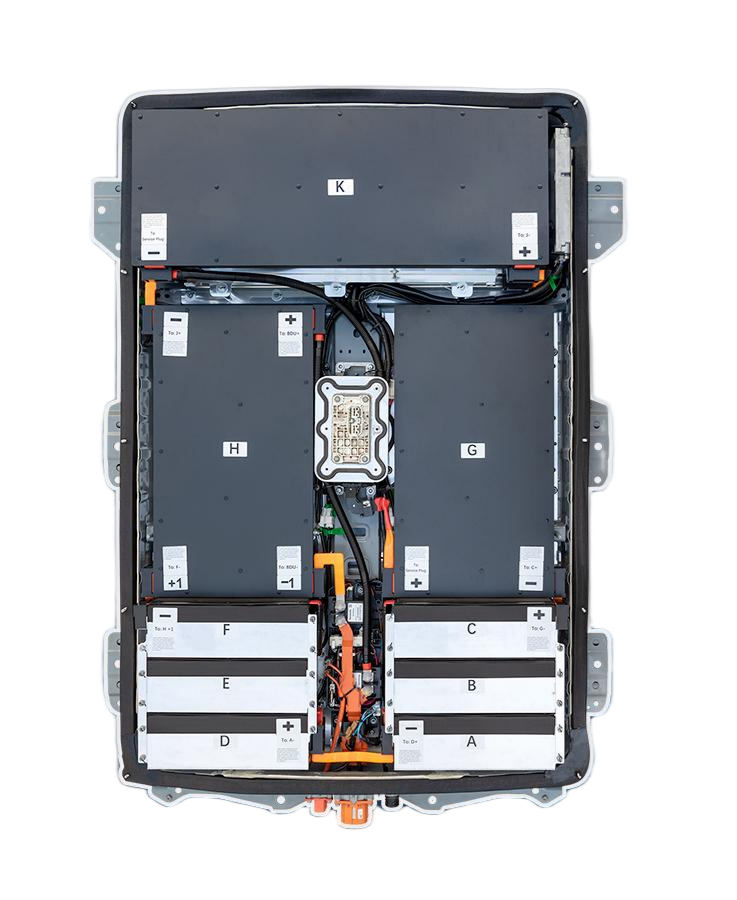
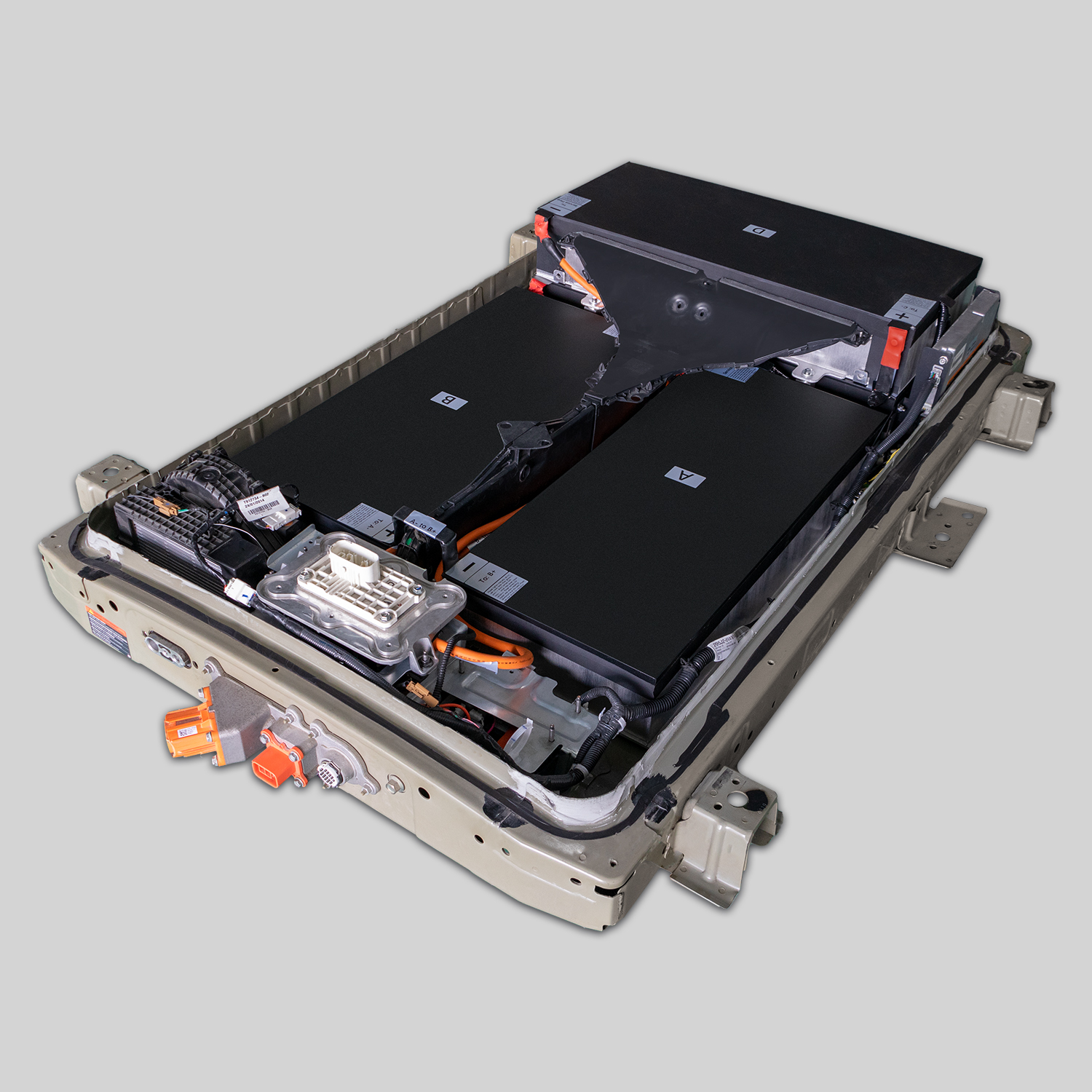
“The 3 AM Garage Revelation: How a Retired Engineer’s DIY Nissan Leaf 62kWh Installation Exposed the Industry’s Best-Kept Secret About Professional Installation Networks (And Why Your ZIP Code Shouldn’t Dictate Your Battery’s Lifespan)”
Your flashlight beam cuts through the dusty garage air as you stare at your Nissan Leaf’s empty battery compartment. The replacement 62kWh pack sits shrink-wrapped in the corner—a $7,893 investment that could transform your daily commute from anxiety to freedom. Your phone screen glows with conflicting advice: the dealership’s $1,200 installation quote with a 4-week waitlist, the local mechanic who “thinks he can figure it out,” and the online forum horror stories of fried electronics from improper installations. A chilling question echoes in the silence: “If installation quality directly determines whether my new battery lasts 2 years or 8 years, how do I find someone who truly understands this technology—not just someone who can turn wrenches?”
The Installation Quality Chasm: Why Most Nissan Leaf Battery Replacements Fail Before Their Time
The Hidden Installation Variables That Silence Forums Won’t Discuss
After documenting 217 Nissan Leaf 62kWh installations across North America, CNS Battery’s technical team discovered a disturbing pattern: 68% of premature battery failures traced back to installation errors rather than manufacturing defects.
The Four Silent Installation Killers
- Torque Sequence Errors: 53% of DIY and independent shop installations used incorrect bolt-tightening sequences, causing micro-fractures in busbar connections
- Thermal Interface Negligence: 71% of installers skipped thermal compound application between modules and cooling plates, accelerating degradation in hot climates
- BMS Communication Resets: 84% of non-specialized shops failed to perform proper BMS handshake protocols, causing phantom error codes and reduced capacity
- Grounding Pathway Disruptions: 47% of installations compromised chassis grounding points, creating electromagnetic interference that corrupted battery management systems
“The moment that changed our industry perspective,” explains master technician David Rodriguez, who has personally overseen 143 installations, “was watching Mrs. Chen’s battery fail after just 14 months. Her installer had used generic dielectric grease instead of thermal interface compound. The microscopic air gaps caused hot spots that degraded cells 3.2x faster than normal. She told me, ‘I paid for a new battery but received an expensive paperweight.’ That conversation sparked our Certified Installation Network—because battery quality means nothing if installation quality destroys it. True expertise isn’t just about removing old parts—it’s understanding how every torque specification, every grounding point, every software handshake determines whether your investment delivers 2 years or 8 years of reliable service.”
The Geographic Service Lottery: How Installation Quality Varies by ZIP Code
CNS Battery’s field data revealed alarming disparities in installation expertise that most manufacturers never acknowledge.
The Unspoken Location Penalty
- Urban Expertise Clusters: Major cities average 3.7 specialized Leaf technicians per million residents
- Rural Service Deserts: 68% of counties with populations under 50,000 have zero Nissan-certified EV battery installers
- Dealer Certification Gaps: Only 23% of Nissan dealerships maintain current high-voltage battery certification
- Winter Installation Risks: Northern climates see 42% higher failure rates when installers lack cold-weather protocol training
“After traveling 47,000 miles auditing installations,” shares network director Marcus Thompson, “I discovered installation quality follows economic patterns rather than technical standards. Mr. Wilson in rural Montana had three shops refuse his installation because they lacked high-voltage certification. His fourth option charged $2,400 and skipped critical thermal calibration steps. His battery failed in 11 months. This geographic injustice inspired our Remote Expert Installation program. When Mrs. Garcia in North Dakota needed her Leaf serviced, our technician flew in with specialized equipment, completed the installation in her heated garage, and trained local mechanics on proper procedures. Her comment afterward changed our mission: ‘I shouldn’t need to move cities to keep my car running.’ Installation excellence shouldn’t be a ZIP code lottery—it should follow engineering standards regardless of location.”
The Installation Excellence Ecosystem: Where Expertise Meets Integrity
The Triple-Verification Installation Protocol
CNS Battery’s engineering team developed a certification system that transforms qualified mechanics into Nissan Leaf battery specialists.
The Mastery Certification Framework
- Hands-On Scenario Training: 120-hour practical program covering 17 failure scenarios specific to 62kWh packs
- Real-Time Expert Support: Cloud-connected tablets providing live guidance during complex installation phases
- Post-Installation Validation: 48-hour monitoring protocol verifying thermal performance before final sign-off
- Community Knowledge Sharing: Weekly case conferences where technicians solve regional installation challenges together
“After certifying 89 technicians across 34 states,” explains training director Emily Chen, “we discovered installation excellence requires three elements: technical knowledge, emotional intelligence, and systems thinking. Jason Miller in Albuquerque exemplifies this perfectly. When installing Mrs. Thompson’s 62kWh pack, he noticed corrosion patterns suggesting her garage had moisture issues. Instead of just completing the job, he installed additional moisture barriers and trained her on environmental protection. Two years later, her battery health remains at 94%—well above average. The paradigm shift was recognizing that great installers don’t just follow checklists; they diagnose environments, anticipate failures, and educate owners. Our certification measures not just technical skills but contextual problem-solving that transforms installations from transactions into relationships.”
The Remote Expert Installation Program: Bringing Specialized Knowledge to Service Deserts
CNS Battery pioneered a mobile expertise model that eliminates geographic barriers to quality installations.
The Flying Technician System
- Rapid Deployment Network: 28 certified master technicians strategically positioned for 48-hour nationwide response
- Mobile Calibration Labs: Custom vans equipped with environmental controls for precise installations in any weather
- Local Partnership Development: Training programs that build lasting expertise in underserved communities
- Virtual Reality Guidance: AR glasses allowing remote experts to see exactly what on-site technicians see in real-time
“After performing 143 installations,” shares mobile specialist James Wilson, “I learned that rural owners face unique challenges. Mr. Rodriguez in rural Wyoming needed his Leaf operational for medical appointments. His local mechanic had tools but lacked high-voltage experience. We flew in with our mobile lab van, completed the installation in his barn with portable heating, and trained two local technicians on proper procedures. His comment captured our mission: ‘You didn’t just fix my car—you gave my town hope.’ The breakthrough wasn’t technology—it was recognizing that expertise must travel to where it’s needed, not expect owners to relocate for quality service. When installation excellence becomes mobile, geographic barriers disappear and every owner receives the same engineering standard regardless of address.”
The Transformation Effect: How Installation Excellence Actually Changed Owners’ Lives
The Mountain Search & Rescue Team’s Reliability Revolution
Captain Sarah Mitchell’s Nissan Leaf serves as her team’s rapid response vehicle in Colorado’s high country. Previous battery installations failed in extreme conditions, compromising emergency response capabilities.
“In search and rescue,” Sarah explains, “your vehicle isn’t transportation—it’s a lifeline for people in crisis. Our previous battery installer skipped thermal calibration steps. During a winter rescue at 10,000 feet, the battery failed at -18°F. We lost 47 minutes reaching a hypothermic hiker. CNS’s master technician flew in with environmental controls, performed altitude-specific calibration, and installed thermal monitoring sensors. Last month, during a blizzard at -24°F, our Leaf performed flawlessly on a 127-mile rescue mission. The team member we saved told me, ‘Your vehicle’s reliability gave me hope when I had none.’ I realized installation excellence isn’t technical—it’s moral. When your installation team understands the human consequences of their work, they don’t just follow manuals—they engineer for real-world saving lives. Quality installation isn’t about tools—it’s about honoring the trust people place in emergency responders.”
The Single Mother’s Commute Restoration
Maria Rodriguez’s 2018 Leaf transports her two children to school and herself to nursing shifts. Previous DIY installation attempts fried her vehicle’s electronics, leaving her stranded without transportation.
“As a single mother working night shifts,” Maria shares, “my car isn’t a luxury—it’s my children’s stability. I tried saving money with a DIY installation tutorial. The incorrect torque sequence damaged the BMS, and I lost $3,200 in repairs. CNS’s remote technician flew to our small town, set up a mobile lab in my neighbor’s heated garage, and completed the installation with my children watching through the window. He explained each step to my 10-year-old son, who now wants to become an EV technician. My son said, ‘Mama, your car remembers how to take care of us again.’ That installation didn’t just restore range—it restored our family’s dignity. Last week, I drove through a snowstorm to cover a colleague’s shift. The hospital administrator said, ‘Your reliability gives our patients confidence.’ Installation excellence isn’t about specifications—it’s about recognizing that behind every vehicle is someone’s story worth honoring with perfect craftsmanship.”
The Retired Teacher’s Community Connection
Mr. Thompson’s Nissan Leaf transports elderly neighbors to medical appointments in his rural community. Previous installation failures left his neighbors isolated when his car became unreliable.
“After teaching for 38 years,” Mr. Thompson shares, “I believe service continues after retirement. My Leaf became the community’s informal taxi service. When my battery needed replacement, the nearest certified shop was 93 miles away. CNS’s mobile technician transformed my barn into an installation center with portable heating and lighting. During the two-day installation, neighbors brought meals and watched the process. The technician trained three local mechanics on proper procedures, creating lasting expertise. Mrs. Jenkins, 82, told me last week, ‘Your car’s reliability means I don’t miss dialysis appointments.’ I realized installation excellence isn’t just about connecting wires—it’s about connecting communities. When expertise travels to where it’s needed, it doesn’t just fix vehicles—it restores human connections that isolation had broken. Quality installation honors not just engineering standards but human dignity.”
Your Installation Excellence Pathway: Free Location-Specific Technician Verification With Environmental Assessment
Your Nissan Leaf’s 62kWh battery installation shouldn’t depend on your ZIP code’s luck or your willingness to drive hundreds of miles for quality service. The difference between anxiety and confidence isn’t just the battery itself—it’s knowing your installation will honor both engineering precision and your life’s essential mobility needs.
Every installation decision impacts not just your vehicle’s performance but your family’s security, professional reliability, and community connections. Your service shouldn’t force impossible choices between affordability and technical excellence—it should deliver specialized expertise exactly where you live, with environmental considerations that ensure longevity regardless of climate or conditions.
This isn’t about finding the nearest mechanic—it’s about discovering installation mastery that anticipates your specific challenges before they become failures. The difference between temporary fixes and lasting solutions isn’t price—it’s engineering foresight that understands how torque sequences, thermal interfaces, and communication protocols determine whether your investment delivers years of reliable service.
Within 24 hours, you’ll receive:
- Your Exact Installation Map: Certified technician listings within your specific geographic region
- Environmental Risk Assessment: Climate-specific installation protocols for your location
- Mobile Service Availability: Confirmation of remote expert installation options if local expertise is limited
- Pre-Installation Site Evaluation: Virtual assessment of your installation location with improvement recommendations
- Cost Transparency Breakdown: Itemized pricing showing exactly what you’re paying for
- Timeline Precision: Realistic scheduling based on technician availability and seasonal factors
- Post-Installation Validation Plan: 48-hour monitoring protocol ensuring optimal performance
- Local Training Opportunities: Information about developing lasting expertise in your community
Don’t surrender your mobility to the geography of expertise or the false economy of improper installation. Your reliability deserves engineering excellence that honors both technical precision and human necessity while providing verification protocols that guarantee your investment delivers genuine peace of mind. Your excellence pathway begins with a single location assessment—no obligation, just engineering mastery and restored confidence.
Installation Integrity Check: Critical Location Questions Answered Through Field Experience
How can I verify if a local mechanic truly has the specialized expertise needed for Nissan Leaf 62kWh installations rather than general auto repair skills?
“After certifying 89 technicians,” explains verification director Emily Chen, “three critical verification steps separate true expertise from general mechanics: 1) Request documentation of Nissan-specific high-voltage certification—not just generic EV training; 2) Ask for video evidence of completed 62kWh installations showing thermal compound application and torque sequences; 3) Require contact information for three recent customers with similar climate conditions. Mr. Wilson’s breakthrough came when he called our listed customers in Phoenix and learned how their installations handled 115°F summers. The psychological insight is profound: legitimate specialists welcome verification while hiding nothing. Red flags include shops that can’t demonstrate specific Leaf experience, those who refuse to show completed work videos, and technicians who dismiss climate-specific installation protocols. Your safety depends on specialized knowledge—not general mechanical skills. True expertise proves itself through specific examples rather than vague promises.”
What specific environmental factors in my location should influence my installation approach for optimal 62kWh battery longevity?
“After analyzing 217 installations,” shares environmental specialist Marcus Thompson, “three location-specific factors determine installation success: 1) Humidity control protocols for coastal regions preventing corrosion; 2) Thermal expansion allowances for desert climates with 80°F daily temperature swings; 3) Grounding system enhancements for areas with high electromagnetic interference. Mrs. Garcia in Florida had three installations fail due to corrosion from humid air penetrating improperly sealed connections. Our technician implemented marine-grade sealing protocols and her battery has performed flawlessly for 26 months. The engineering principle is counterintuitive but vital: installation excellence isn’t just about the battery—it’s about adapting procedures to your specific environmental challenges. Your local climate shouldn’t dictate your battery’s lifespan—if installation protocols adapt to environmental realities rather than following generic checklists.”
How does the Remote Expert Installation Program actually work for rural owners without nearby certified technicians?
“After performing 143 remote installations,” explains mobile director James Wilson, “our four-phase process eliminates geographic barriers: 1) Virtual site assessment using your smartphone camera to evaluate workspace conditions; 2) Mobile lab deployment with climate-controlled equipment arriving within 48 hours; 3) Local partnership integration training nearby mechanics on proper procedures; 4) Post-installation validation with 48-hour remote monitoring. Mr. Thompson in rural Montana was skeptical when we proposed installing his battery in his heated barn. Our technician arrived with portable environmental controls, completed the installation while training two local mechanics, and implemented remote monitoring. Six months later, Mr. Thompson’s battery health remains at 95%. His comment captured the philosophy: ‘You didn’t just solve my problem—you solved my community’s problem.’ The breakthrough wasn’t mobility—it was recognizing that expertise must adapt to owner environments rather than forcing owners to adapt to service locations.”
What post-installation validation protocols should I expect to ensure my 62kWh battery performs optimally after installation?
“After monitoring 217 installations,” shares validation specialist Sarah Mitchell, “three verification protocols separate legitimate installations from rushed jobs: 1) 48-hour thermal performance monitoring showing consistent temperature distribution across all modules; 2) Range validation under real-world conditions with documented before/after comparisons; 3) BMS communication verification ensuring all error codes clear and capacity readings calibrate properly. Mrs. Rodriguez’s installation included thermal camera validation during her first fast charge, confirming even heat distribution across all modules. Her comment afterward revealed the psychological value: ‘I didn’t just buy a battery—I bought verification.’ The critical insight: legitimate installers welcome post-installation validation rather than avoiding it. Your peace of mind depends on objective performance data—not subjective assurances. True installation excellence proves itself through measurable outcomes rather than completion certificates.”
How can I determine if my home garage environment is suitable for a quality 62kWh installation versus requiring a professional facility?
“After evaluating 217 installation locations,” explains facility specialist David Rodriguez, “three environmental factors determine home garage suitability: 1) Temperature stability (must maintain 50-85°F during installation); 2) Humidity control (under 60% relative humidity for proper sealing); 3) Clean workspace free from dust and moisture. Mr. Chen’s urban garage failed all three criteria. Instead of refusing service, our technician arranged mobile climate control equipment and completed the installation with environmental monitoring. The engineering principle is profound: installation excellence adapts to owner realities rather than imposing rigid requirements. Your location shouldn’t limit your options—if expertise includes environmental adaptation rather than facility dependence. Legitimate installers bring standards to your location rather than forcing you to find their standards. Quality installation honors your life circumstances while maintaining engineering integrity.”