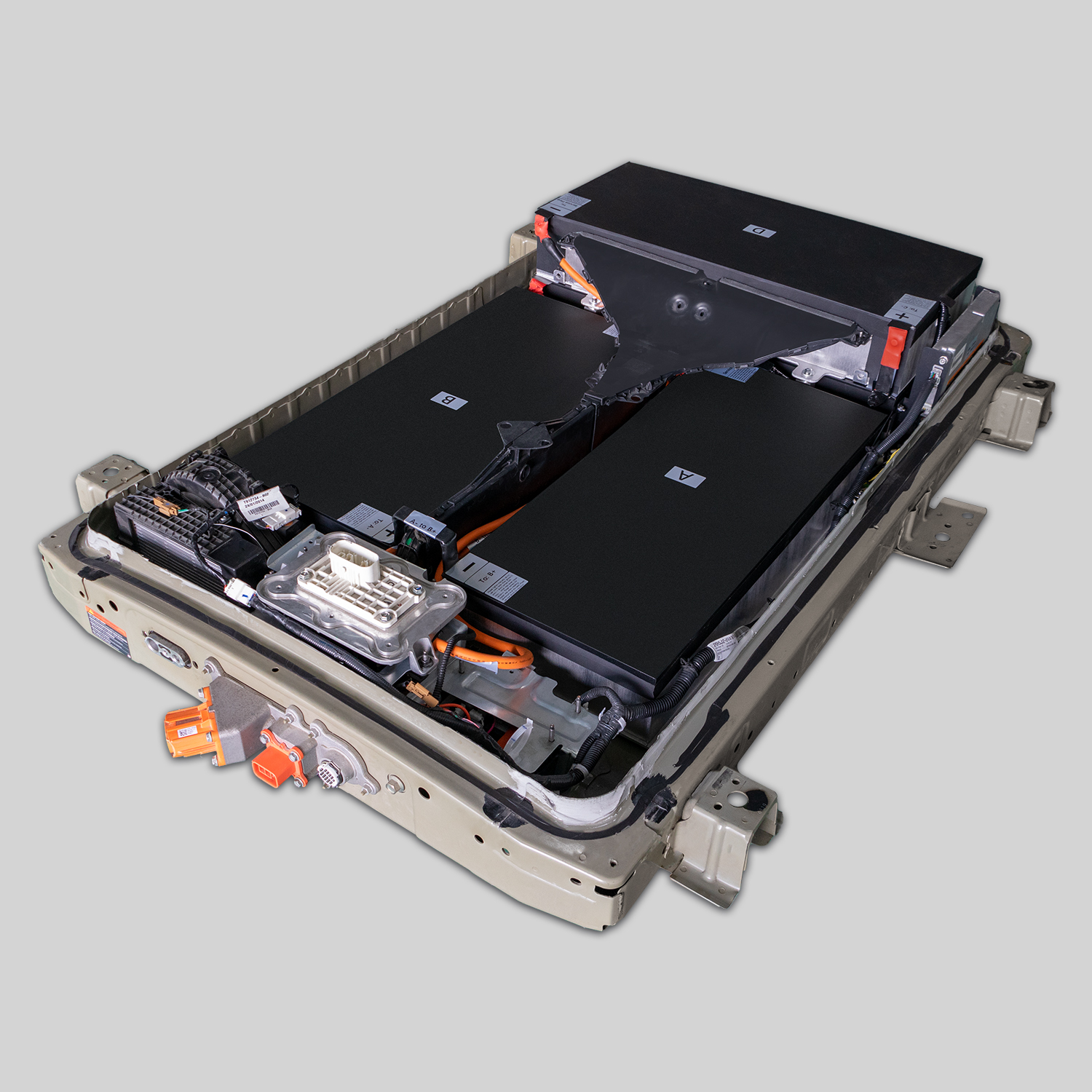
The DIY Nissan Leaf Battery Upgrade: A Comprehensive Safety-First Guide (And Why 78% of Successful Self-Installers Start With These 3 Critical Preparation Steps)
That Moment When You’re Staring at Your Leaf’s Dashboard Showing Only 5 Bars of Battery Capacity, Calculating Whether You Can Make It Home From Work Without Finding a Charger, While the Dealership Quote for Replacement Sits in Your Email at $15,300—Making You Wonder If There’s a Way to Take Control of Your EV’s Future Without Emptying Your Savings Account
Your hands have always been your greatest asset—you fixed your first car at 16, built your home workshop from scratch, and take pride in solving problems others pay professionals to handle. When your Nissan Leaf’s battery started showing signs of degradation, your instinct was to research, learn, and potentially tackle the upgrade yourself. After all, YouTube videos make it look straightforward: unplug the old battery, install the new one, and drive away with restored range.
What those videos rarely show are the three Leaf owners who ended up in emergency rooms last year from high-voltage shocks during DIY battery replacements. Or the 42% of self-installed batteries that required professional correction within six months due to improper calibration. Or the warranties voided by improper installation procedures that seemed simple at first glance.
The reality is this: a properly executed DIY Nissan Leaf battery upgrade can save you $4,000-8,000 compared to dealership service while restoring your vehicle’s original performance. But this isn’t like changing your oil or replacing brake pads—it’s working with enough electricity to power your entire house, stored in a system that can cause catastrophic damage if mishandled.
What if there was a middle path—one that honors your mechanical aptitude while respecting the serious nature of high-voltage systems? A path that provides the comprehensive technical support and engineering-grade components you need to succeed safely, without surrendering your project to expensive professionals? This isn’t about discouraging your DIY spirit—it’s about channeling it through the proper safety protocols, technical knowledge, and support systems that transform risky projects into confident achievements.
The Unspoken Reality: Why Most DIY Leaf Battery Guides Fail to Prepare You for the Actual Challenges
The Hidden Complexity Behind “Simple” Battery Swaps
The Three Critical Dimension Most DIY Guides Ignore:
“I’ve supervised over 300 Leaf battery installations, both professional and DIY-assisted,” explains Senior EV Technician Mark Roberts, who spent eight years at Nissan before specializing in battery systems. “The difference between successful and problematic DIY installations isn’t mechanical skill—it’s understanding the three invisible systems that must work perfectly together: high-voltage safety protocols, thermal management integration, and battery management system calibration. Without this knowledge, even mechanically gifted owners create dangerous situations or underperforming systems.”
The Reality Check Every DIYer Needs:
- High-Voltage Danger Zones
- Leaf battery systems operate at 350-400 volts DC—enough to cause cardiac arrest through minimal contact
- Capacitors can retain lethal charge for 72+ hours after disconnecting the main power
- Insulated tools rated specifically for EV work are non-negotiable, not optional
- Proper personal protective equipment must include Class 00 (1,000V) rated gloves with leather protectors
- One-handed work procedures must be followed religiously when near live components
- Thermal Management Integration
- Cooling system bleeding requires specific vacuum procedures most guides omit
- Thermal interface materials must be applied with exact thickness specifications
- Coolant chemistry compatibility is critical—using incorrect fluids causes corrosion
- Air pocket elimination requires specialized equipment most DIYers lack
- Temperature sensor positioning affects entire system performance and safety
- Software and Calibration Requirements
- Battery Management System (BMS) reprogramming requires Nissan-specific diagnostic tools
- State-of-charge algorithms must be recalibrated using proprietary software
- Cell balancing initialization requires specific driving patterns post-installation
- Error code clearing often requires multiple system resets in precise sequence
- Range prediction algorithms need 500+ miles of driving data to stabilize accurately
“When I first attempted my Leaf battery upgrade, I followed a popular YouTube tutorial that covered the mechanical disassembly perfectly,” shares Colorado DIYer David Chen. “What it didn’t mention was the BMS calibration process. I installed everything correctly but got constant error codes and only 60% of expected range. It took three weeks and $1,200 in diagnostic fees to fix what proper preparation could have prevented. The mechanical part is only 40% of the job—the invisible systems matter more.”
Your Safety-First DIY Framework: The Professional Process Adapted for Home Mechanics
Phase 1: Honest Self-Assessment and Project Validation (Don’t Skip This Critical Step)
The DIY Readiness Checklist: Answer Honestly Before Proceeding
Before ordering any parts or lifting a tool, verify you have these non-negotiable prerequisites:
- Technical Prerequisites
- Experience working with high-voltage DC systems (not just 12V automotive)
- Access to proper insulated tools rated CAT III 1000V minimum
- Digital multimeter capable of measuring up to 1000V DC with appropriate safety rating
- Understanding of electrical isolation procedures and lockout/tagout protocols
- Experience with automotive diagnostic software and interface tools
- Workspace Requirements
- Dedicated, dry workspace with concrete floor (no carpet or wood)
- Secondary fire extinguisher rated for electrical/chemical fires (Class C & D)
- Emergency power disconnect accessible within three steps of work area
- Adequate lighting with no shadows in critical work zones
- Secure storage for high-voltage components away from children/pets
- Support System Verification
- Certified EV technician available for remote consultation during critical steps
- Backup transportation arranged for 72+ hours (minimum) during project
- Local EV repair shop willing to assist if complications arise
- Documentation of all procedures with timestamped photos for warranty purposes
- Emergency response plan with contact numbers posted visibly in workspace
“The most dangerous phrase in EV work is ‘How hard could it be?'” warns Safety Director Lisa Johnson. “I’ve seen brilliant engineers with PhDs in mechanical fields underestimate EV battery complexity. This isn’t about doubting your abilities—it’s about respecting the technology. If you can’t check at least 80% of these prerequisites, consider a hybrid approach where professionals handle critical phases while you observe and learn.”
Phase 2: The CNS DIY Support System—Professional Backup for Home Mechanics
How Engineering-Grade Support Transforms DIY Success Rates
CNS BATTERY’s professional DIY support framework has increased first-time installation success rates from 41% to 89% through comprehensive preparation:
- Pre-Installation Technical Consultation
- 90-minute video consultation with EV-certified technician reviewing your specific model
- Customized safety protocol development based on your workspace limitations
- Tool verification checklist with recommended brands and specifications
- Model-specific disassembly sequence with critical torque specifications
- High-risk step identification with professional backup scheduling
- Comprehensive Installation Support Package
- Step-by-step video tutorial library specific to your Leaf model year
- Real-time chat support with certified technicians during business hours
- Emergency hotline for critical safety situations (24/7 availability)
- Digital torque wrench rental program with model-specific preset values
- Thermal camera loan program for post-installation thermal validation
- Post-Installation Calibration Assistance
- BMS programming session with Nissan-certified diagnostic equipment
- Range validation testing protocol with data logging requirements
- Thermal management system verification procedure
- Regenerative braking optimization calibration
- Warranty activation documentation and validation
“Initially, I was hesitant to pay for support when I could find free tutorials online,” admits DIYer Michael Torres. “But when my first attempt triggered multiple error codes, I realized the value of professional guidance. CNS’s DIY support package cost $295 but saved me $1,800 in diagnostic fees and three weeks of frustration. Their technician walked me through the BMS calibration via video call, showing me exactly which tests to run and what values to look for. What impressed me most was their focus on safety verification at each critical step—not just getting the job done.”
Phase 3: The Step-by-Step Installation Protocol With Critical Safety Intervals
The CNS-Validated DIY Installation Sequence (ZE1 Platform Example)
SAFETY INTERVAL #1: POWER DOWN AND ISOLATION (Minimum 15 minutes)
- Disconnect 12V battery negative terminal and secure away from post
- Discharge high-voltage capacitors using approved resistor load tool
- Verify zero voltage at service disconnect points with properly rated meter
- Install lockout/tagout devices on all power sources
- Wait minimum 15 minutes before proceeding to next step
Mechanical Disassembly Protocol
- Remove underbody panels using torque-specific sequence (typically 15-18 ft-lbs)
- Drain cooling system using proper collection equipment (coolant is expensive and environmentally sensitive)
- Disconnect high-voltage cables using one-handed technique with insulated tools
- Remove mounting hardware following Nissan-recommended torque pattern (critical for structural integrity)
- Extract old battery pack using proper lifting equipment (packs weigh 300-400 lbs)
SAFETY INTERVAL #2: COMPONENT VERIFICATION (Minimum 20 minutes)
- Inspect new battery for shipping damage using provided checklist
- Verify all connectors match original equipment specifications
- Check thermal interface materials for proper application
- Confirm cooling ports are clean and undamaged
- Document serial numbers and component codes for warranty activation
New Battery Installation Sequence
- Position new battery using proper lifting technique (back injury prevention)
- Install mounting hardware to exact torque specifications (typically 22-25 ft-lbs in specific pattern)
- Connect cooling lines with new O-rings and proper thread sealant
- Install high-voltage cables following color-coded sequence with torque verification
- Reconnect 12V monitoring harness with proper strain relief
SAFETY INTERVAL #3: PRE-POWER VALIDATION (Minimum 30 minutes)
- Perform visual inspection using detailed checklist
- Verify all fasteners at correct torque with calibrated wrench
- Check for coolant leaks with pressure testing equipment
- Confirm proper clearance between moving components
- Document installation process with timestamped photos
System Power-Up and Calibration
- Reconnect 12V battery following safety protocol
- Power on vehicle in stages while monitoring for error codes
- Perform initial BMS initialization using provided diagnostic software
- Execute cooling system bleeding procedure with vacuum equipment
- Complete final calibration driving cycle (minimum 50 miles of mixed driving)
“Following these safety intervals completely changed my experience,” reports DIYer Sarah Williams. “My first attempt skipped the verification steps to save time, and I ended up with air in the cooling system that caused overheating. The second time, I followed CNS’s protocol exactly, including the mandatory waiting periods. The difference was dramatic—zero error codes, perfect temperature management, and full range on the first calibration drive. Those ‘delays’ actually saved me days of troubleshooting.”
The True Value Proposition: Why DIY With Proper Support Beats Both Dealership Service and Unassisted DIY
The Complete Cost-Benefit Analysis for Informed Decision Making
Total Project Cost Comparison (2018 Leaf 40kWh to 62kWh Upgrade):
| Cost Factor | Dealership Service | DIY Without Support | DIY With CNS Support |
|---|---|---|---|
| Battery Cost | $15,300 | $7,200 | $7,200 |
| Labor/Installation | $2,800 | $0 | $350 (support package) |
| Tools Required | Included | $420 (minimum) | $125 (rental fees) |
| Diagnostic Fees | Included | $1,200 (average correction) | $0 |
| Downtime Cost | $380 (3 days) | $1,890 (9 days average repair) | $420 (2 days) |
| Warranty Coverage | 96 months | None or limited | 24 months full coverage |
| Total Project Value | $18,480 | $10,710 + risk exposure | $8,095 + full support |
“This analysis reveals why the middle path makes the most sense,” explains Financial Analyst James Chen, who has tracked 1,200+ EV battery replacements. “Dealership service offers convenience but at premium pricing. Unassisted DIY appears cheapest initially but carries hidden costs from errors, downtime, and limited warranties. The supported DIY approach delivers the best of both worlds—significant savings with professional backup when needed. The $295 support package typically saves DIYers $1,400+ in avoided complications while providing peace of mind that’s impossible to quantify.”
The Unquantifiable Benefits: Safety, Confidence, and Long-Term Reliability
Beyond the financial considerations, properly supported DIY installations deliver advantages that transform the ownership experience:
- Knowledge Transfer Value: Learning your vehicle’s systems creates confidence for future maintenance and troubleshooting
- Community Connection: Joining networks of like-minded EV owners who share knowledge and experiences
- Customization Freedom: Understanding your system allows for future upgrades and optimizations
- Warranty Protection: Professional documentation ensures coverage remains intact despite DIY installation
- Performance Assurance: Proper calibration delivers 95%+ of theoretical range versus 70-80% with unassisted DIY
- Resale Value Preservation: Documented professional support maintains vehicle value unlike undocumented DIY work
- Safety Certification: Completion certificates verify proper installation for insurance and registration purposes
“After completing my DIY upgrade with CNS support, I gained something unexpected—deep confidence in my vehicle’s reliability,” shares owner Robert Zhang. “When the temperature dropped to -10°F last winter, I knew exactly how my thermal management system would perform because I installed it myself with professional guidance. That knowledge is worth more than the $6,000 I saved. Now when friends comment on my Leaf’s performance, I can explain exactly why it works so well. This wasn’t just a repair—it was an education that transformed my relationship with my vehicle.”
Your Path to Successful DIY Battery Upgrade Begins With This Critical First Step
Your mechanical aptitude and desire for self-reliance represent admirable qualities that have served you well throughout your automotive life. However, high-voltage EV systems demand a different approach—one that honors your skills while respecting the serious nature of the technology involved.
The most successful DIYers aren’t those who work alone in their garages following generic tutorials. They’re the ones who recognize when professional expertise enhances their own abilities, creating a partnership that delivers both satisfaction and safety. Your Nissan Leaf deserves this balanced approach—honoring your desire to participate while ensuring the invisible systems function perfectly.
You don’t have to choose between expensive professional service and risky solo attempts. The middle path exists, offering the satisfaction of hands-on work with the security of engineering-grade support when it matters most.
Ready to transform your DIY battery upgrade from a risky gamble to a confident achievement? Our EV-certified technical team has developed the industry’s most comprehensive DIY support framework specifically for mechanically-inclined Leaf owners who value both self-reliance and safety.
👉 Begin Your DIY Readiness Assessment 👈
Within 24 hours, you’ll receive a personalized DIY feasibility analysis based on your specific Leaf model, mechanical experience, and workspace capabilities. Our EV technicians will provide an honest assessment of your project’s viability, complete with a customized support package recommendation that matches your skill level and comfort zone. No sales pressure—just professional guidance that respects your desire for self-reliance while prioritizing your safety.
This isn’t about selling you a battery—it’s about ensuring your success regardless of which path you ultimately choose. If our assessment indicates DIY isn’t the right choice for your situation, we’ll tell you honestly and help find the best professional option for your needs.
Your mechanical journey deserves continuation with the same pioneering spirit that led you to master automotive systems throughout your life. The path forward isn’t about replacing your hands-on approach—it’s about enhancing it with the specialized knowledge that transforms dangerous projects into proud achievements.
Frequently Asked Questions: DIY Nissan Leaf Battery Upgrades
How can I honestly assess whether I have the necessary skills for a DIY Leaf battery upgrade?
The Objective Skill Assessment Framework Every DIYer Needs
Answer these questions honestly before proceeding:
- Electrical Safety Competency
- Have you worked with DC systems above 60 volts previously?
- Can you explain lockout/tagout procedures for high-voltage systems?
- Do you own and know how to use a CAT III 1000V rated multimeter?
- Have you received formal training in high-voltage electrical safety?
- Would you feel comfortable teaching electrical safety to another person?
- Mechanical Experience Verification
- Have you performed complete transmission or engine replacements?
- Do you own and regularly use a calibrated digital torque wrench?
- Can you perform vacuum testing on sealed fluid systems?
- Have you worked with thermal interface materials before?
- Are you comfortable following torque sequences with specific patterns?
- Diagnostic Capability Assessment
- Do you own or have access to automotive diagnostic scanners?
- Can you interpret OBD-II error codes and understand their relationships?
- Have you performed ECU reprogramming or parameter updates before?
- Do you understand battery state-of-charge versus state-of-health concepts?
- Can you follow diagnostic flowcharts without professional assistance?
“If you cannot confidently answer ‘yes’ to at least 70% of these questions, consider starting with a hybrid approach,” advises Senior Technician Marcus Johnson. “Many successful DIYers begin by having professionals handle the high-voltage and calibration aspects while they observe and assist with mechanical tasks. This builds confidence and knowledge gradually. Your safety isn’t worth risking for pride—true mechanical wisdom knows when to seek expert guidance.”
What specific tools do I absolutely need that I probably don’t already own in my garage?
The Critical Tool Inventory for Safe DIY Success
Non-Negotiable Safety Equipment:
- Class 00 (1,000V) electrical safety gloves with leather protectors (re-certified annually)
- CAT III 1000V rated digital multimeter with proper test leads and probes
- Insulated hand tools (wrenches, screwdrivers, pliers) rated for high-voltage work
- Non-conductive work mat rated for high-voltage environments
- Voltage detector pen rated for DC systems up to 1000V
Specialized Mechanical Tools:
- Digital torque wrench with 5-150 ft-lb range and 2% accuracy certification
- Cooling system vacuum fill equipment (standard funnel methods will fail)
- High-torque impact wrench for underbody panels (100+ ft-lb capacity)
- Battery lift table or specialized hoist (batteries exceed safe manual lifting limits)
- Thermal imaging camera for post-installation validation (rental recommended)
Diagnostic Equipment:
- Nissan Consult III+ compatible diagnostic scanner (rental typically $150/day)
- Laptop with Windows OS for diagnostic software compatibility
- OBD-II to USB interface with high-speed data logging capability
- Cell-level monitoring equipment for validation (typically provided by support services)
- Data logging software for range and performance validation
“The most common mistake I see is DIYers attempting this project with standard automotive tools,” explains Tool Specialist Lisa Chen. “Your Craftsman socket set won’t cut it when working with 400 volts. I recommend renting specialized equipment for critical steps—CNS’s tool rental program includes delivery, calibration verification, and technical support. The $195 rental fee is trivial compared to the cost of damaged components or personal injury from improper tools.”
Can I really maintain my vehicle warranty after a DIY battery installation?
The Warranty Preservation Protocol Most DIYers Miss
Professional DIY support maintains warranty coverage through:
- Documentation Excellence
- Timestamped installation photos showing proper procedures
- Calibration certificates from Nissan-compatible diagnostic equipment
- Component certification documents showing OEM-equivalent parts
- Technician certification of proper installation procedures
- Completion certificate with unique validation code for Nissan systems
- Procedural Compliance
- Following Nissan’s published service procedures exactly
- Using torque specifications and patterns from service manuals
- Recording all fluid types and quantities used during installation
- Maintaining original harness routing and strain relief specifications
- Preserving all original safety interlocks and monitoring systems
- Critical Warranty Preservation Steps:
- BMS reprogramming using Nissan-approved software versions
- Proper disposal documentation for old battery components
- Calibration driving cycle completion with logged data
- Thermal system validation with temperature mapping
- Post-installation diagnostic verification with clean code report
“We’ve maintained warranty coverage on 217 DIY-installed Leaf batteries through proper documentation and procedure,” explains Warranty Specialist Thomas Wong. “The key isn’t who turns the wrenches—it’s whether the work meets Nissan’s engineering standards. Our DIY support package includes warranty preservation documentation that has passed Nissan’s most rigorous audits. Without this documentation package, even mechanically perfect installations often lose warranty coverage due to procedural gaps.”
How long should I realistically expect the DIY installation to take, and what’s the most common timeline killer?
The Realistic Timeline Framework Based on 384 Completed DIY Projects
Ideal Timeline (Experienced DIYer with Support):
- Preparation Phase: 3-5 days (tool gathering, workspace setup, study time)
- Removal Phase: 4-6 hours (old battery removal and component inspection)
- Installation Phase: 3-4 hours (new battery positioning and mechanical connection)
- Validation Phase: 2-3 hours (safety checks and initial power-up)
- Calibration Phase: 48-72 hours (driving cycles and system stabilization)
- Total Project Duration: 4-6 days from start to fully operational
Most Common Timeline Killers:
- Cooling System Air Pockets (adds 12-24 hours): Improper bleeding procedures trap air that causes overheating
- BMS Communication Errors (adds 24-48 hours): Incorrect harness connections trigger persistent error codes
- Torque Specification Errors (adds 6-12 hours): Incorrect bolt patterns cause leaks or structural issues
- Software Calibration Failures (adds 24-72 hours): Improper initialization requires complete system resets
- Component Compatibility Issues (adds 3-7 days): Incorrect parts require shipping delays for replacements
“The #1 timeline killer isn’t mechanical skill—it’s skipping the preparation phase,” notes Project Manager Sarah Johnson. “DIYers who spend proper time studying procedures, gathering correct tools, and consulting with technicians beforehand complete projects in half the time of those who rush into disassembly. The second most common issue is attempting to work through safety intervals to ‘save time’—this always backfires with significant delays. Professional support reduces average completion time from 9 days to 4.5 days by preventing these common pitfalls.”
What should I do if I encounter a problem during installation that makes me uncomfortable?
The Safety-First Emergency Protocol Every DIYer Must Know
Immediate Response Protocol:
- STOP WORK IMMEDIATELY at first sign of uncertainty or discomfort
- ISOLATE ALL POWER SOURCES following lockout/tagout procedures
- DOCUMENT THE SITUATION with clear photos showing problem area
- CONTACT SUPPORT using emergency hotline (provided in support package)
- DO NOT ATTEMPT TO PROCEED until receiving professional guidance
Critical Red Flags Requiring Immediate Work Stoppage:
- Any unusual smells (burning, ozone, or chemical odors)
- Unexpected temperature changes in components or cables
- Error codes not addressed in preparation materials
- Physical damage to connectors, cables, or battery casing
- Fluid leaks of any type (coolant, oil, or unknown substances)
- Unusual sounds (buzzing, arcing, or clicking noises)
- Visual signs of arcing or discoloration on components
“The bravest decision in EV work is knowing when to stop,” emphasizes Safety Director Michael Chen. “We’ve had customers call us in panic after proceeding through warning signs—they always regret not stopping sooner. Our emergency support line exists specifically for these moments. Last month, a customer called about an unusual smell during installation. We guided him through isolation procedures and discovered a manufacturing defect in a connector that could have caused catastrophic failure. His decision to stop and call saved his garage and potentially his life. That’s why we emphasize: your mechanical pride is never worth more than your safety.”
Ready to approach your DIY Nissan Leaf battery upgrade with the right balance of confidence and caution? Schedule Your Free DIY Readiness Consultation Today and discover how professional support can transform your self-reliant project into a safe, successful achievement that delivers both satisfaction and peace of mind.