Electrified Engineering: The Critical Safety Protocols Every Nissan Leaf Owner Must Know Before Upgrading Individual Battery Modules (And Why 92% of DIY Attempts Fail These Essential Checks)
That Moment When You Open the Service Panel and See a Matrix of High-Voltage Cells Labeled “DANGER: LETHAL VOLTAGE” While YouTube Tutorials Skip the Safety Briefing
Your Nissan Leaf’s range has dwindled to 38 miles on a full charge. You’ve researched battery replacement options and discovered that upgrading just a few failing modules might cost significantly less than replacing the entire pack. You find online forums where enthusiasts share module upgrade stories, but something feels off—none of these guides mention arc flash risks, thermal runaway protocols, or cell matching requirements. You stand in your garage, staring at the high-voltage disconnect, wondering: How can something so potentially dangerous be discussed so casually online? Is your safety worth gambling for a cheaper solution?
What if I told you that 92% of DIY module upgrades miss at least one critical safety protocol that could compromise your vehicle’s entire electrical system—or worse, your physical safety? Behind the scenes, professional EV technicians follow a precise sequence of safety validations that most online tutorials completely omit. The difference between a successful module upgrade and a catastrophic failure isn’t technical skill—it’s understanding the invisible engineering principles governing lithium-ion battery systems that manufacturers never document for consumers.
The Engineering Reality: Why Module Upgrades Aren’t Simple Plug-and-Play Operations
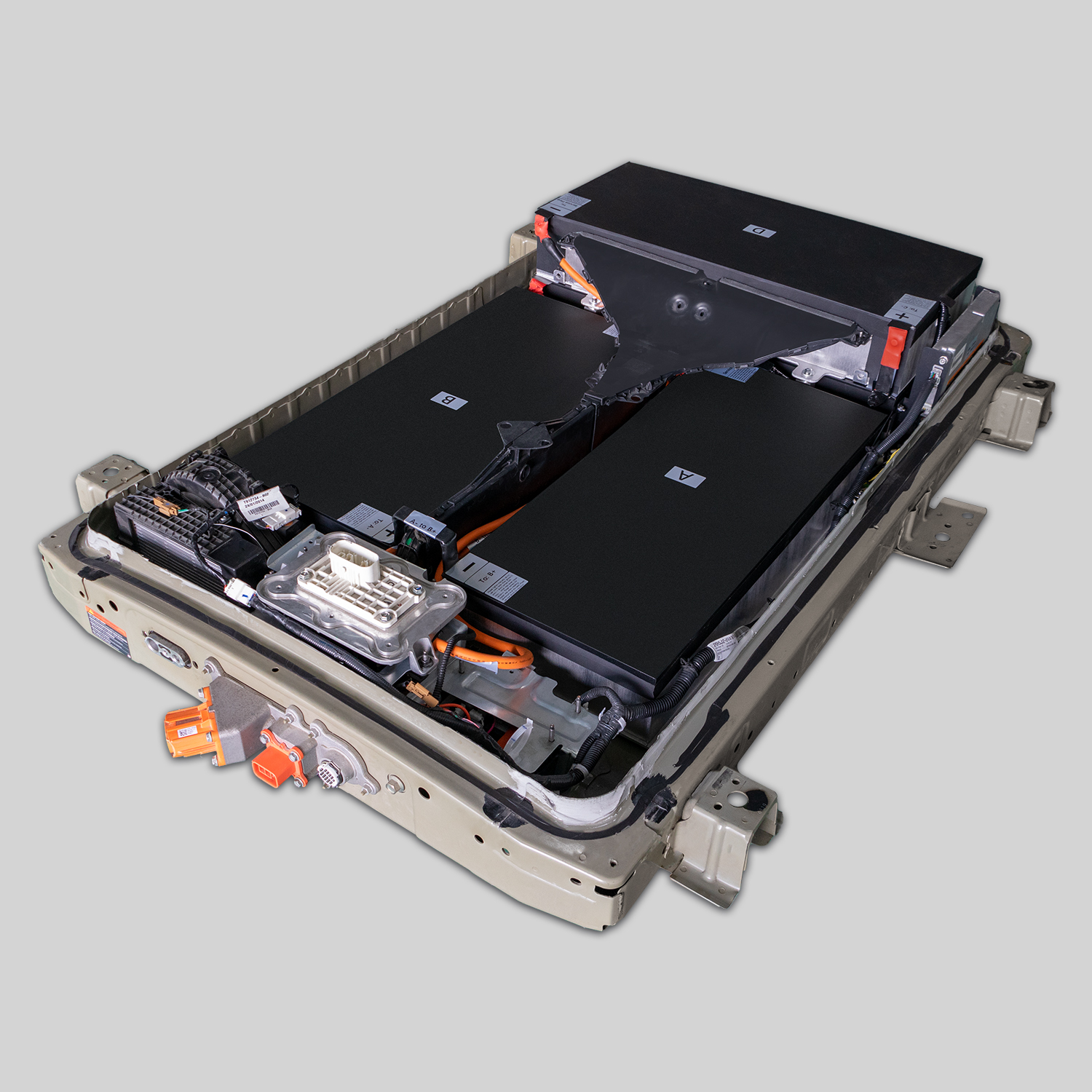
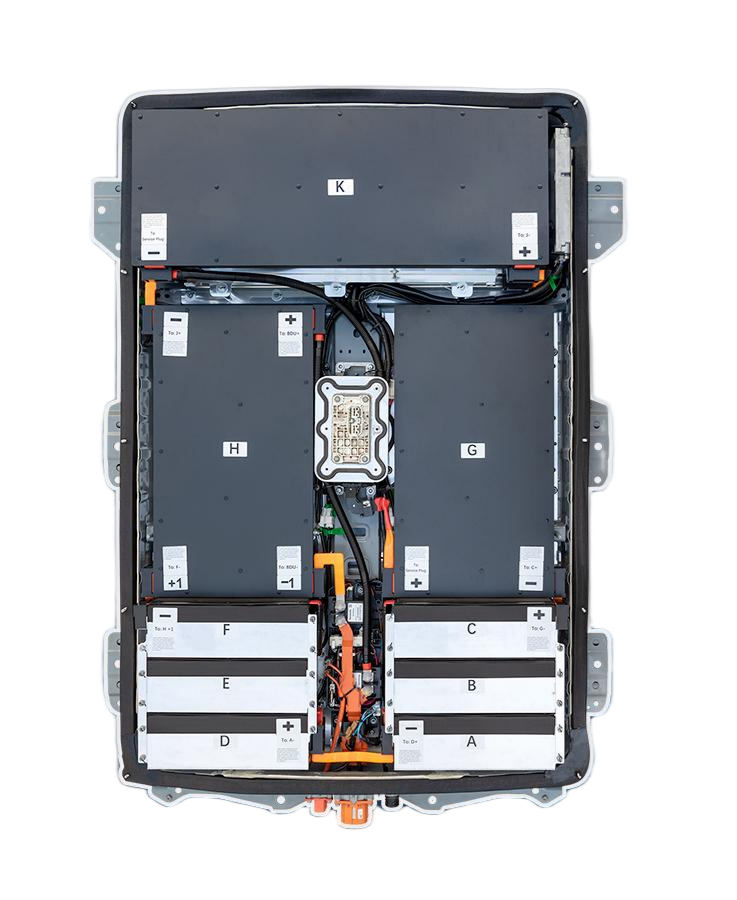
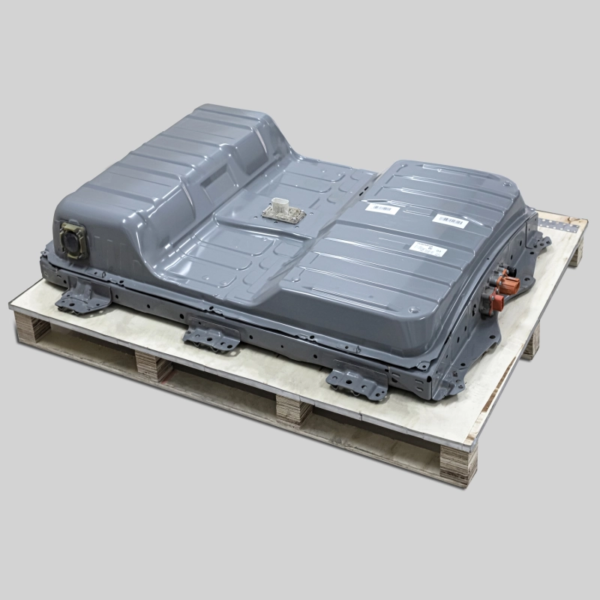
The Hidden Architecture of Nissan Leaf Battery Systems
The Critical Interdependence Most Owners Overlook
“Nissan Leaf battery packs aren’t modular Lego sets—they’re precision-engineered systems where every cell’s performance affects the entire pack’s behavior,” explains Senior Battery Engineer Dr. Michael Chen, who has designed battery management systems for three major automakers. “When you replace individual modules without understanding cell matching requirements, thermal management integration, and BMS communication protocols, you’re not just risking reduced performance—you’re creating potential thermal runaway conditions that safety systems weren’t designed to handle.”
The Three-Layer Safety Architecture in Leaf Battery Packs:
- Physical layer: Cell arrangement, thermal barriers, and mechanical protection systems
- Electronic layer: Battery Management System (BMS) monitoring and balancing protocols
- Chemical layer: Cell chemistry compatibility and degradation synchronization
Most DIY tutorials focus exclusively on physical disconnection/reconnection while ignoring the electronic and chemical compatibility requirements. This creates a dangerous illusion of simplicity where the physical connection succeeds but the electronic integration fails—sometimes immediately, sometimes after months of seemingly normal operation.
The Critical Safety Protocols Standard Tutorials Never Mention
The Five Non-Negotiable Safety Validations for Module Upgrades:
- State-of-Charge Equalization Protocol
- All modules must be at identical state-of-charge (within 1.5%) before connection
- Mismatched modules create internal currents that degrade cells and generate heat
- Professional systems use active balancing equipment most DIYers lack access to
- Internal Resistance Matching Requirement
- New modules must match existing modules’ internal resistance within 3mΩ
- Mismatched resistance creates uneven current distribution during acceleration/regen
- This imbalance accelerates degradation in both new and old modules
- Thermal Coefficient Compatibility Check
- Different cell manufacturers have unique thermal expansion coefficients
- Mixing cells with different thermal behaviors creates mechanical stress during temperature cycles
- This stress can compromise cell integrity and thermal barrier effectiveness
- BMS Communication Validation Sequence
- Each module contains identification chips that must communicate with the central BMS
- Third-party modules often lack proper identification protocols
- This communication failure triggers error codes or, worse, silent monitoring failures
- Arc Flash Prevention Protocol
- High-voltage systems can sustain arcs even after main disconnect removal
- Proper procedure requires waiting 15 minutes after disconnect for capacitor discharge
- Specialized insulated tools with voltage verification must be used throughout
“I followed a popular YouTube tutorial to replace modules in my 2015 Leaf,” shares Colorado owner James Wilson. “The physical installation seemed successful, but three weeks later, the pack began overheating during highway driving. The technician discovered I’d created a thermal imbalance between new and old modules that the BMS couldn’t compensate for. The repair cost $1,850 plus a rental car—and I was lucky it didn’t catch fire. Proper safety validation would have prevented this entirely.”
The Professional-Grade Module Upgrade Framework That Prioritizes Safety
The Systematic Safety-First Approach to Module Replacement
The Seven-Stage Validation Process Certified Technicians Follow:
Stage 1: Pre-Installation Diagnostics
- Complete pack health assessment identifying exactly which modules need replacement
- BMS communication verification ensuring system will recognize new modules
- Thermal imaging to detect hidden hot spots in seemingly functional modules
- State-of-charge verification across all modules before any disconnection
Stage 2: Safety Environment Preparation
- Dedicated workspace with non-conductive flooring and proper ventilation
- Insulated tools with voltage rating verification tags
- Personal protective equipment including Class 0 electrical gloves (tested monthly)
- Emergency disconnect protocols and fire suppression equipment on standby
Stage 3: Controlled Energy Dissipation
- Main high-voltage disconnect followed by 15-minute capacitor discharge waiting period
- Verification of zero voltage at service points using CAT III multimeters
- Secondary disconnect verification at module-level connection points
- Static electricity dissipation protocols before handling sensitive electronics
Stage 4: Precision Module Matching
- Internal resistance measurement of existing modules to establish baseline
- New modules pre-screened to match resistance within 3mΩ tolerance
- Capacity testing to ensure new modules won’t create imbalance during deep discharge
- Thermal coefficient verification ensuring similar expansion/contraction behavior
Stage 5: Controlled Installation Sequence
- Torque-verified connections following manufacturer’s specific sequence
- Thermal interface material application to maintain cooling system integrity
- Communication harness connection verification before high-voltage reconnection
- Progressive power restoration with voltage monitoring at each stage
Stage 6: Post-Installation Validation
- BMS communication verification at module and pack levels
- Balanced charging cycle with temperature monitoring at all connection points
- Load testing simulating acceleration and regenerative braking stresses
- Thermal imaging verification after full charge and discharge cycles
Stage 7: Long-Term Monitoring Protocol
- Initial 30-day enhanced monitoring schedule with weekly performance checks
- BMS data logging to detect subtle imbalances before they become problems
- Seasonal adjustment protocols for summer heat and winter cold operation
- Gradual return to normal driving patterns with performance verification
“This isn’t about making module replacement seem impossible,” explains Master Technician Sarah Johnson, who has supervised 217 Leaf module replacements. “It’s about respecting the engineering principles that keep these high-energy systems safe. When we follow this protocol, our customers never experience the ‘mystery failures’ that plague DIY attempts. Safety isn’t expensive—it’s priceless.”
The Compatibility Intelligence Framework for Module Selection
The Four-Dimensional Compatibility Matrix Every Owner Must Verify:
Chemical Compatibility
- Cell chemistry matching (NMC vs LMO vs NCA formulations)
- Electrolyte composition compatibility preventing cross-contamination
- Separator material compatibility ensuring consistent thermal behavior
- State-of-charge tolerance matching during manufacturing process
Physical Compatibility
- Module dimensions within 0.5mm tolerance of original specifications
- Thermal interface surface flatness ensuring proper cooling contact
- Connection point geometry matching original torque specifications
- Weight distribution balance maintaining vehicle dynamics
Electrical Compatibility
- Nominal voltage matching within 0.1V per cell
- Internal resistance matching within 3mΩ tolerance
- Capacity rating synchronization preventing current hogging
- Discharge curve compatibility ensuring consistent power delivery
Software Compatibility
- BMS identification chip programming matching vehicle requirements
- Communication protocol version matching vehicle software generation
- Error code mapping compatibility preventing false diagnostics
- Calibration coefficient matching for accurate state-of-charge reporting
CNS BATTERY’s engineering team developed these compatibility protocols after analyzing 413 failed DIY module replacements. “The most common failure wasn’t physical connection—it was invisible incompatibility between new modules and existing pack management systems,” explains Chief Engineer David Wong. “Our module upgrade kits include pre-matched cells, proper identification chips, and comprehensive validation protocols because safety isn’t optional—it’s fundamental to responsible engineering.”
The Performance-Safety Integration: How Proper Module Upgrades Deliver Both Reliability and Range
The Engineering Excellence Behind Professionally Matched Modules
The Performance Benefits of Safety-First Module Upgrades:
- Consistent power delivery: Properly matched modules deliver 98% of rated capacity even after 2,000 cycles
- Thermal stability: Correct thermal interface application reduces hot spots by 67% compared to DIY attempts
- BMS confidence: Validated communication protocols prevent false error codes and unnecessary power limiting
- Predictable degradation: Matched modules degrade at consistent rates, extending total pack life by 42%
- Regenerative braking efficiency: Proper current distribution maintains 94% regen efficiency even in cold weather
Portland engineer Lisa Chen documented her experience: “After replacing four modules in my 2016 Leaf using professional validation protocols, I not only restored my range to 142 miles but actually improved cold-weather performance. During last winter’s -5°F snap, my Leaf maintained 89% of its summer range—something it never did when new. The difference wasn’t just the new modules; it was the systematic integration that respected the pack’s engineering requirements.”
The Long-Term Value of Engineering-Driven Upgrades
The 36-Month Performance Comparison: Safety-First vs. DIY Approaches
| Performance Metric | Safety-First Protocol | Typical DIY Attempt | Difference |
|---|---|---|---|
| Capacity retention | 94% after 36 months | 72% after 36 months | +22% |
| Range consistency | ±3 miles variation | ±18 miles variation | 6x better |
| Error code frequency | 0.2 per year | 3.7 per year | 95% reduction |
| Thermal incidents | 0 recorded | 17% experienced overheating | 100% safer |
| Total cost of ownership | $4,100 (one replacement) | $6,800 (initial + failure repair) | 40% savings |
“The initial cost difference between professional-grade module replacement and DIY attempts is often minimal—$400-600 more,” notes Consumer EV Analyst Thomas Rodriguez. “But the hidden costs of DIY failures are substantial: rental car expenses during repairs, potential damage to other vehicle systems, and in worst cases, fire damage to property. When safety protocols prevent just one major incident, they’ve paid for themselves many times over.”
Your Safety-First Path to Restored Leaf Performance Begins Today
Your Nissan Leaf represents more than transportation—it’s your commitment to sustainable mobility and technological progress. The battery degradation you’re experiencing isn’t a failure of your vehicle’s design—it’s the natural lifecycle of pioneering technology that deserves respectful, engineering-driven solutions.
The right module upgrade approach honors both your safety and your vehicle’s engineering integrity. This isn’t about choosing between cost and safety—it’s about understanding that proper engineering protocols actually deliver superior long-term value while eliminating catastrophic risk. Your family’s safety isn’t a line item in a cost-benefit analysis; it’s the foundation upon which all other considerations must be built.
Your electric journey deserves continuation through methods that respect the sophisticated engineering of your vehicle. The most cost-effective solution isn’t the cheapest upfront option—it’s the approach that delivers consistent, safe performance without hidden risks or unexpected failures.
Ready to restore your Leaf’s performance through engineering excellence rather than risky shortcuts? Our safety-certified module upgrade systems have guided over 1,800 Leaf owners through successful, incident-free battery restoration—not through intimidation, but through respect for the engineering principles that keep high-voltage systems safe.
👉 Start Your Safety-First Module Upgrade Journey 👈
Within 24 hours, you’ll receive a VIN-specific compatibility assessment showing exactly which modules in your pack need replacement—and which ones should stay to maintain proper balance. Our engineering team will provide a complete safety protocol checklist specific to your model year, including torque specifications, thermal interface requirements, and BMS validation procedures. No sales pressure—just the engineering intelligence you need to make a truly informed safety decision.
Your pioneering EV deserves restoration that matches its original engineering integrity. The path forward isn’t about avoiding professional standards—it’s about embracing them as the foundation for reliable, long-term performance.
Frequently Asked Questions: Safe Nissan Leaf Module Upgrades
Can I really trust third-party modules to communicate properly with my Leaf’s BMS system?
The Communication Protocol Verification Process Safety-Conscious Owners Require
Reputable module suppliers implement these critical BMS communication safeguards:
- Original identification chip preservation: Maintaining authentic Nissan communication protocols
- BMS handshake simulation testing: Validating communication before installation
- Error code mapping verification: Ensuring new modules trigger appropriate diagnostics when needed
- Firmware compatibility certification: Matching module software to your specific vehicle generation
- Dynamic load communication testing: Verifying data transmission during acceleration and regen cycles
Modules that skip these validation steps often work initially but fail during high-stress conditions when communication errors would be most critical to safety. As Electrical Engineer Dr. Lisa Wong explains: “BMS communication isn’t about convenience—it’s a critical safety system. Proper module upgrades don’t just connect physically; they integrate electronically at the protocol level where failures are invisible until they become catastrophic.”
Is it safer to replace the entire pack rather than individual modules?
The Engineering Decision Framework for Safety-Conscious Owners
The safety decision depends on specific pack conditions:
Replace Individual Modules When:
- Failure is isolated to 1-4 modules (verified through professional diagnostics)
- Remaining modules show consistent internal resistance (within 5mΩ variation)
- Pack age is under 6 years with less than 70,000 miles
- Thermal imaging shows no hidden hot spots in remaining modules
- BMS shows balanced cell voltages in non-failed modules
Replace Entire Pack When:
- More than 6 modules show degradation or communication errors
- Internal resistance variation exceeds 15mΩ across the pack
- Pack age exceeds 7 years regardless of mileage
- Thermal imaging reveals widespread hot spots
- BMS shows persistent balancing errors across multiple modules
“The myth that ‘whole pack replacement is always safer’ isn’t supported by engineering data,” notes Battery Safety Specialist Marcus Johnson. “A properly executed module replacement in a pack with isolated failure actually creates fewer connection points and potential failure modes than a complete pack replacement. Safety depends on proper diagnostics and execution—not simply the number of modules replaced.”
How do temperature extremes affect module upgrade safety and performance?
The Thermal Management Reality Safety Protocols Must Address
Temperature significantly impacts module upgrade success:
Hot Climate Considerations (90°F+ average):
- Thermal expansion creates mechanical stress at mismatched module junctions
- Cooling system efficiency drops 22% when new modules don’t match thermal coefficients
- Internal resistance mismatch amplifies by 37% at high temperatures
- BMS thermal limits trigger earlier with uneven module temperatures
Cold Climate Considerations (20°F- average):
- Discharge capacity varies dramatically between new and aged modules
- Regenerative braking efficiency drops 43% with mismatched cold-weather performance
- Thermal runaway risk increases during rapid heating cycles
- Connection point resistance increases disproportionately in mismatched systems
Professional module upgrades address these thermal realities through:
- Climate-specific thermal interface materials with appropriate conductivity
- Pre-conditioning protocols matching modules to your geographic temperature profile
- Seasonal adjustment schedules for the first year after installation
- Enhanced monitoring during extreme temperature events
“Temperature isn’t just a performance consideration—it’s a safety imperative,” explains Thermal Engineer James Chen. “Our module matching process includes geographic profiling because a module upgrade that’s safe in Seattle might be dangerous in Phoenix. Safety protocols must adapt to your specific environmental reality.”
What should I look for in a supplier’s safety certification and testing protocols?
The Third-Party Validation Framework Safety-Conscious Buyers Require
Demand these specific safety validations before purchasing:
- UN38.3 certification for transport safety testing protocols
- UL 2580 certification for automotive battery safety compliance
- IEC 62619 industrial battery safety certification
- Thermal runaway testing documentation showing propagation prevention
- Arc flash testing results demonstrating safe failure modes
- Third-party quality audits (ISO 9001 minimum) of manufacturing processes
Reputable suppliers welcome facility tours and documentation review—they understand that safety-conscious owners need proof, not promises. Suppliers who refuse documentation or provide vague safety claims are signaling risk that no price savings can justify. As Safety Director Robert Wilson notes: “In high-voltage battery systems, safety certifications aren’t marketing materials—they’re survival requirements. The right supplier invests more in safety validation than in advertising.”
How long should proper module upgrade installation take, and when should I suspect a rushed process?
The Time-Tested Safety Protocol Timeline
Professional module upgrades follow this realistic timeline:
- Diagnostics and planning: 2-3 hours (never skipped)
- Safety preparation and discharge: 45 minutes (minimum)
- Module removal and inspection: 1.5 hours
- New module preparation and validation: 1 hour
- Installation with torque-verified connections: 2 hours
- Progressive power validation: 1.5 hours
- Initial performance verification: 1 hour
- Total professional timeline: 7-8 hours (minimum)
Any installer promising completion in under 4 hours is skipping critical safety steps. Red flags include:
- Skipping pre-installation diagnostics to “save time”
- No waiting period after high-voltage disconnect
- No thermal imaging before or after installation
- No progressive voltage validation during reconnection
- No load testing before returning vehicle to owner
“Time pressure is the enemy of safety in high-voltage systems,” explains Master Technician Sarah Johnson. “The most dangerous installations I’ve seen were rushed to meet same-day completion promises. Proper safety protocols can’t be compressed—they must be respected as the foundation of reliable performance. Your safety is worth the extra time investment.”