How to Choose the Perfect Nissan Leaf Battery Replacement: Your Ultimate Decision Guide
Is Your Nissan Leaf Losing Its Spark? Here’s What You Need to Know
That sinking feeling when your Nissan Leaf’s range drops significantly with each passing month. The anxiety of planning every trip around available charging stations. The frustrating reality that your once-reliable electric companion now barely makes it through your daily commute. If this sounds familiar, you’re not alone. Many Nissan Leaf owners face the critical decision of battery replacement as their original packs age and degrade.
Choosing the right replacement battery isn’t just about restoring range—it’s about making a smart investment that will determine your vehicle’s performance, safety, and value for years to come. With numerous options flooding the market claiming to be “perfect replacements,” how do you cut through the noise and select the solution that truly matches your needs?
Understanding Your Nissan Leaf’s Generation and Compatibility Requirements
Identifying Your Leaf Model Generation
Before exploring replacement options, you must accurately identify your Nissan Leaf’s generation, as battery systems differ significantly across model years:
- ZE0 Generation (2011-2017): The pioneering models with distinctive headlights and smaller battery capacities
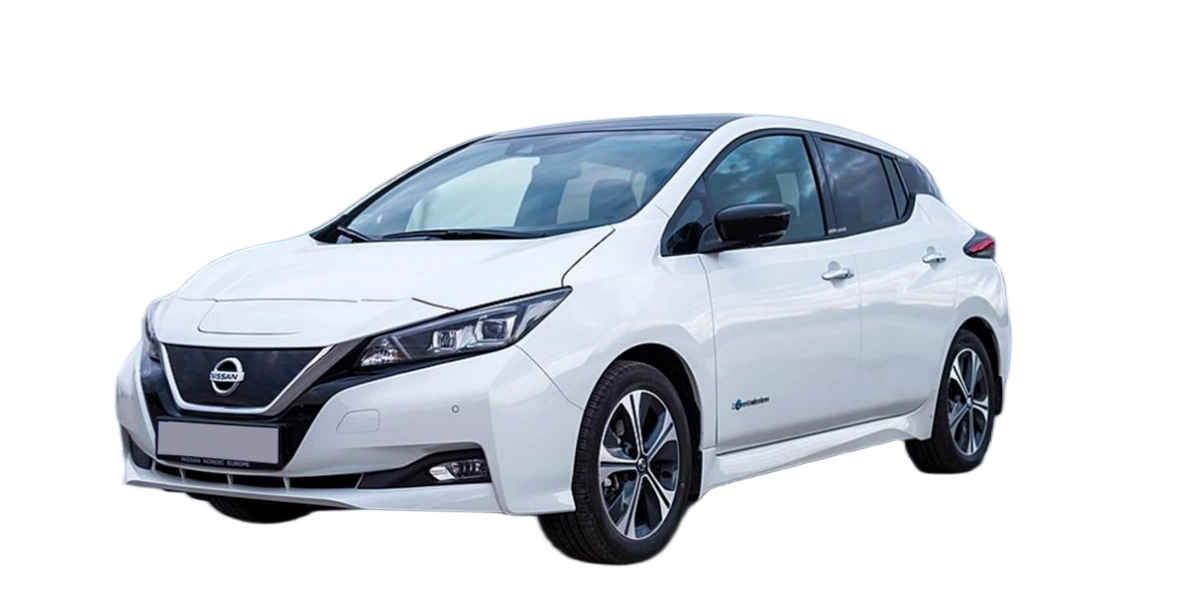
- AZE0 Generation (2018-2021): The mid-cycle refresh featuring updated styling and improved battery technology
- ZE1 Generation (2022-present): The completely redesigned Leaf with advanced connectivity and higher-capacity options
Determining your specific generation is crucial, as battery packs aren’t interchangeable between these platforms. Many replacement failures occur when owners purchase batteries incompatible with their vehicle’s Battery Management System (BMS).
VIN Verification: Your Battery Compatibility Safety Net
Professional battery suppliers offer VIN verification services that cross-reference your vehicle’s specific configuration against their database. This critical step prevents costly compatibility errors that could damage your vehicle’s electrical systems or void warranties. Never skip this verification process, even if a seller claims their battery “fits all Leaf models.”
Evaluating Battery Capacity Options: Finding Your Range Sweet Spot
Understanding Capacity Choices
Modern replacement options offer various capacity upgrades beyond your original equipment:
| Generation | Original Capacity Options | Available Replacement Capacities |
|---|---|---|
| ZE0 (2011-2017) | 24kWh, 30kWh | 40kWh, 50kWh, 62kWh, 68kWh |
| AZE0 (2018-2021) | 40kWh, 62kWh | 40kWh, 50kWh, 62kWh, 68kWh |
| ZE1 (2022+) | 40kWh, 62kWh | 40kWh, 50kWh, 62kWh, 68kWh |
Range vs. Budget: The Strategic Decision
Higher capacity doesn’t always mean better value. Consider these factors:
- Daily driving patterns: If you rarely exceed 100 miles daily, a 40kWh replacement may offer the best balance of performance and cost
- Climate considerations: Extreme temperatures reduce effective range—colder regions often benefit from higher-capacity packs
- Vehicle age: Investing in a maximum-capacity battery for an older Leaf approaching end-of-life may not provide adequate ROI
- Resale value impact: Certain capacity upgrades significantly boost resale value, particularly for AZE0 and ZE1 generations
New vs. Refurbished Cells: The Hidden Quality Differentiator
The Critical Cell Quality Question
Many replacement batteries on the market use salvaged or refurbished cells from other vehicles. While these options appear cost-effective initially, they present significant risks:
- Unknown degradation history: Cells from crashed or poorly maintained vehicles may fail prematurely
- Inconsistent performance: Mixing cells of different ages and usage histories creates imbalances that accelerate degradation
- Safety compromises: Damaged or stressed cells present higher thermal runaway risks
Premium replacement batteries use brand-new CATL cells (Contemporary Amperex Technology Limited), the world’s largest EV battery manufacturer. These fresh cells deliver consistent performance, predictable degradation curves, and enhanced safety profiles.
Warranty as a Quality Indicator
The warranty terms reveal manufacturers’ confidence in their products. Quality replacement batteries offer:
- Minimum 2-year/80,000km comprehensive coverage
- Clear capacity retention guarantees (typically maintaining 70%+ capacity throughout warranty period)
- Coverage for both parts and labor in case of failure
Beware of sellers offering vague warranties or coverage periods under 12 months—these often signal underlying quality concerns.
Installation Considerations: DIY Feasibility vs. Professional Installation
Assessing Your Technical Capabilities
Battery replacement difficulty varies by Leaf generation:
- ZE0 models: Most DIY-friendly with accessible mounting points and simpler wiring harnesses
- AZE0/ZE1 models: More complex integration with vehicle systems requiring specialized knowledge
Professional installation typically costs $600-1,200 depending on location, while DIY installation requires:
- Proper insulated tools rated for high-voltage systems
- Understanding of high-voltage safety protocols
- Diagnostic equipment for post-installation system verification
Support Resources That Make Installation Success More Likely
Quality battery suppliers provide comprehensive installation support:
- Step-by-step video tutorials specific to your Leaf generation
- Real-time video call assistance during installation
- Detailed PDF guides with torque specifications and safety warnings
- Post-installation diagnostic protocols to verify proper system integration
This support infrastructure dramatically increases DIY success rates while reducing anxiety about the process.
Why Premium Replacement Batteries Deliver Exceptional Value
The Total Cost of Ownership Advantage
While original Nissan replacement batteries command premium prices ($14,000-$18,000 depending on capacity), premium aftermarket options offer significant value advantages:
- 50%+ cost savings compared to dealership replacement
- Extended warranty coverage often exceeding Nissan’s original terms
- Higher capacity options unavailable through official channels
- Faster availability without dealership wait times or allocation restrictions
Real Owner Experiences: Beyond the Specifications
Leaf owners consistently report unexpected benefits after installing premium replacement batteries:
- Restored acceleration performance as balanced new cells deliver consistent power
- Improved climate control efficiency with adequate power reserves for heating/cooling
- Enhanced regenerative braking as new battery management systems optimize energy recapture
- Peace of mind from comprehensive warranties and responsive technical support
One European Leaf owner upgraded from a degraded 24kWh pack to a 62kWh replacement, reporting: “My winter range anxiety disappeared overnight. The new battery handles -10°C temperatures with minimal range penalty, and the 2-year warranty means I can plan road trips without constant range calculations.”
Make the Smart Battery Choice Today
Don’t let battery anxiety limit your Nissan Leaf ownership experience any longer. With the right replacement battery, your vehicle can deliver another decade of reliable, enjoyable electric driving—often with better performance than when new.
Ready to transform your Leaf ownership experience? Our battery experts have guided over 3,500 Nissan Leaf owners through successful battery replacements. They’ll help you select the perfect capacity and configuration for your specific vehicle and driving needs.
👉 Get Your Free Custom Quote Now 👈
Within 24 hours, you’ll receive a personalized recommendation with exact compatibility confirmation for your Leaf’s VIN, detailed installation guidance, and transparent pricing with no hidden fees. Your worry-free electric driving future starts with a single click.
Frequently Asked Questions About Nissan Leaf Battery Replacement
How long does a replacement Nissan Leaf battery typically last?
Premium replacement batteries using new CATL cells typically deliver 8-10 years of service life or 150,000-200,000 kilometers before reaching 70% capacity. This often exceeds the lifespan of the original battery due to advances in cell chemistry and thermal management systems.
Will a larger capacity battery damage my Nissan Leaf?
No—modern replacement batteries are engineered with compatible voltage profiles and communication protocols. The vehicle’s systems automatically recognize the new battery’s capacity and adjust charging parameters accordingly. Many owners successfully operate 62kWh batteries in vehicles originally equipped with 24kWh or 30kWh packs.
Can I install the replacement battery myself?
Many technically competent owners successfully install replacement batteries themselves, particularly for ZE0 generation vehicles. However, AZE0 and ZE1 models often require specialized diagnostic tools for proper system integration. All quality suppliers provide detailed installation guides and remote technical support to ensure successful DIY installations.
How do I verify a replacement battery’s compatibility with my specific Leaf model?
Always provide your complete VIN number to suppliers before purchasing. Reputable manufacturers cross-reference your VIN against their compatibility database and provide written confirmation before shipping. Never rely solely on model year or trim level information—internal revisions throughout production years can affect compatibility.
What’s the difference between battery modules and complete packs?
Complete packs include all modules, the battery management system, cooling components, and mounting hardware in a single ready-to-install unit. Modules are individual sections of the pack that require assembly into an existing enclosure. For most owners, complete packs offer better reliability and warranty protection, while modules appeal primarily to professional rebuilders.