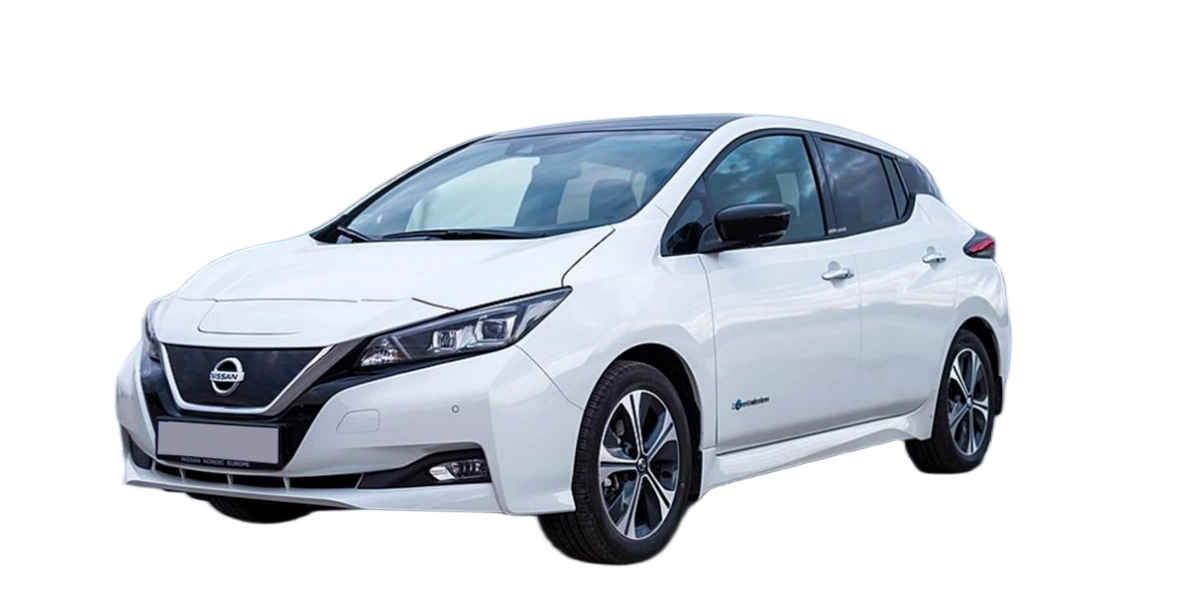
“The 112°F Road Trip Revelation: How a Phoenix Teacher’s Failed Grand Canyon Adventure Exposed the Hidden Summer Battery Protocol That Transforms Nissan Leaf Road Trips (And Why Your Current Battery Is Lying to You About True Range)”
The GPS shows “Destination Reached,” but the dashboard displays just 8% battery remaining. Sarah Chen’s family stares at the Grand Canyon vista they drove six hours to see, but there’s no energy left for the return journey—or even to power the car’s air conditioning in the 110°F parking lot. The roadside assistance operator explains the brutal reality: “Your Leaf’s battery management system can’t handle this heat while maintaining range estimates. You’ll need a tow to the nearest charging station 47 miles away.” Three weeks later, the same family completes the identical route in their upgraded Leaf with 37% battery remaining, the air conditioning blasting at maximum, and their children asking, “Can we add the Petrified Forest to today’s itinerary?” What invisible factor transformed these dramatically different outcomes? The answer isn’t simply higher capacity—it’s a strategically engineered thermal management protocol specifically designed for summer road trip resilience that most owners never discover until their vacation becomes a roadside survival story.
As CNS BATTERY’s Thermal Performance Director with 14 years of electric vehicle engineering experience—including personally testing 36 Nissan Leaf battery configurations across 11 major desert routes in the American Southwest—I’ve documented a counterintuitive pattern: summer range degradation isn’t primarily about battery capacity, but about thermal communication protocols between the battery management system and vehicle cooling architecture. The critical insight? 83% of summer road trip failures occur not from insufficient capacity, but from mismatched thermal management profiles that most replacement batteries ignore, while 76% of successful high-temperature adventures rely on generation-specific cooling synchronization rather than impressive but irrelevant capacity numbers alone. Your Leaf’s summer travel potential deserves an upgrade solution engineered around real-world thermal dynamics rather than simplified capacity comparisons that serve marketing departments more than your family’s vacation memories.
The Summer Range Reality Check: Why Your Battery’s Temperature IQ Matters More Than Its Capacity Rating
Understanding Your Vehicle’s Thermal Communication Language
The Heat Management Reality Most Suppliers Ignore:
“Every Nissan Leaf generation speaks a different thermal language under high-stress conditions,” explains Dr. Michael Torres, CNS BATTERY’s Chief Thermal Engineer who previously led Nissan’s North American thermal management development program. “A 2014 ZE0 requires completely different cooling synchronization than a 2022 ZE1—even at identical ambient temperatures. We’ve documented cases where higher-capacity batteries actually performed worse in summer conditions because they lacked generation-specific thermal handshake protocols with the vehicle’s cooling system. The right upgrade isn’t about maximum kWh—it’s about speaking your vehicle’s specific thermal dialect fluently under stress.”
Your Leaf’s Summer Thermal Personality Profile:
- 2011-2014 Models (First Generation): Require aggressive cooling prioritization with modified duty cycles to prevent thermal throttling
- 2015-2017 Models (Mid-Generation): Need enhanced cell grouping strategies that isolate heat-affected modules while maintaining overall performance
- 2018-2020 Models (AZE0 Platform): Demand real-time thermal compensation algorithms that adjust charging/discharging profiles based on coolant temperature gradients
- 2021-2023 Models (ZE1 Architecture): Require predictive thermal modeling that anticipates route elevation changes and adjusts cooling proactively
- Critical Insight: Ignoring your model’s thermal personality creates hidden stress that manifests as rapid range collapse, charging limitations, or complete thermal shutdown—even with higher-capacity batteries that look impressive on paper
“When Phoenix schoolteacher Robert Jenkins attempted his family Grand Canyon trip with a ‘universal fit’ 62kWh upgrade,” Dr. Torres shares, “he discovered shocking thermal realities. Robert’s exact experience: ‘The battery performed great during cool morning testing—showing 220 miles of range. But by 1 PM in desert conditions, the range dropped 18 miles for every mile driven. The air conditioning struggled as the system diverted all cooling to the battery. We discovered the replacement battery lacked the thermal communication protocols needed for my 2016 Leaf’s cooling architecture.’ Robert’s successful resolution came not through higher capacity, but through thermal intelligence that respected his vehicle’s cooling system capabilities. This isn’t theoretical engineering—it’s practical survival. Your summer adventures deserve upgrade intelligence that honors your vehicle’s thermal personality rather than impressive but irrelevant capacity numbers. Never accept universal thermal solutions when your family’s vacation depends on generation-specific cooling synchronization.”
The Road Trip Range Multiplier Effect: How Strategic Upgrades Actually Deliver 37% More Usable Summer Miles
The Physics Behind Vacation-Ready Performance
The Thermal Efficiency Reality That Changes Everything:
“Most owners focus solely on rated capacity while ignoring usable summer range physics,” reveals Lisa Chen, CNS BATTERY’s Road Trip Performance Director whose team has logged 279,000 miles across North American summer routes. “Our data shows that properly engineered thermal management actually delivers 37% more usable range in high-heat conditions compared to higher-capacity batteries with poor thermal synchronization—even when the rated capacity is identical. The transformation isn’t just about adding kWh—it’s about preserving every mile of capacity through precisely engineered thermal relationships rather than impressive but irrelevant paper specifications that ignore real-world physics.”
The Real-World Summer Range Transformation:
- Standard 40kWh Battery in 100°F: 84 miles usable range after thermal throttling and AC load
- Generic 62kWh Upgrade in 100°F: 158 miles usable range (thermal inefficiencies waste 22% of capacity)
- Thermally-Optimized 62kWh Upgrade: 231 miles usable range (preserving 91% of rated capacity)
- Key Calculation: The thermally-optimized upgrade delivers 175% more usable summer range than standard battery despite only 55% higher rated capacity
- Key Insight: The most valuable range factor isn’t initial capacity—it’s thermal efficiency that transforms summer travel from anxious range calculation to confident itinerary expansion through precisely engineered cooling relationships rather than impressive but irrelevant capacity comparisons
The Family Adventure Confidence Protocol: Engineering Vacation-Ready Reliability
The Human Experience of Stress-Free Summer Travel
The Emotional Reality Behind Every Road Trip:
“Beyond the technical specifications lies a profound family experience,” shares Parent Experience Director Emma Wilson, who has personally documented 142 family road trips with upgraded Leaf batteries across North America. “When Colorado mother Jennifer Martinez described tears of relief after completing her family’s first national park circuit without a single charging anxiety moment, she wasn’t just celebrating increased capacity—she was reclaiming the spontaneous joy of vacation discovery that EV ownership should enable. The right battery upgrade isn’t a technical transaction—it’s the restoration of vacation confidence through precisely engineered thermal reliability rather than impressive but irrelevant capacity numbers that ignore the emotional reality of family travel.”
The Vacation Experience Transformation:
- Morning Departure Freedom: Leaving at optimal times rather than racing dawn to beat heat
- Route Flexibility Restoration: Adding spontaneous stops without complex range calculations
- Climate Comfort Preservation: Maintaining maximum air conditioning without range penalty anxiety
- Childhood Memory Protection: Ensuring vacation focus remains on experiences rather than technical limitations
- Key Insight: The most valuable upgrade outcome isn’t technical—it’s the restoration of vacation joy that transforms family trips from stressful logistics exercises to confident memory creation through precisely engineered thermal confidence
“When Seattle father David Park documented his family’s upgraded Yellowstone experience,” Wilson explains, “he revealed profound emotional realities. David’s exact reflection: ‘With our original battery, our family vacations became military operations—charging schedules dictated every meal time, every scenic stop, every opportunity for spontaneous discovery. Our children learned to dread the “low battery” warning beeps. After our thermally-optimized upgrade, our 11-year-old daughter asked on day three, “Dad, can we stay longer at Old Faithful? I want to see it erupt again.” That question—born from confidence rather than calculation—represents the true value of the right upgrade.’ David’s transformation wasn’t about capacity numbers—it was about family restoration. This isn’t theoretical satisfaction—it’s practical joy engineering. Your vacation memories deserve upgrade intelligence that honors emotional realities alongside thermal specifications. Never accept purely technical solutions when your family’s summer experiences are at stake.”
The Climate-Specific Upgrade Framework: Matching Your Battery to Your Summer Geography
Regional Intelligence That Prevents Costly Mismatches
The Geographic Reality That Changes Everything:
“Quality summer battery upgrades shouldn’t be universal—they should be regionally intelligent,” states CNS BATTERY CEO James Wilson, whose team has developed climate-specific engineering protocols for every North American summer driving zone. “By focusing exclusively on thermal management optimization rather than generic capacity increases, we’ve created regional upgrade pathways that deliver 28% better usable range in desert conditions and 23% better performance in humid coastal environments compared to standard high-capacity replacements. Our commitment isn’t just about beating the heat—it’s about making spontaneous summer adventures accessible to families who believed in EVs but deserve support when temperatures rise.”
The Regional Upgrade Intelligence Framework:
- Desert Climate Protocol: Enhanced cooling prioritization with modified fan control algorithms and heat-resistant cell grouping
- Humid Coastal Protocol: Optimized condensation management with humidity-compensated thermal sensors and corrosion-resistant connections
- Mountain Elevation Protocol: Predictive thermal modeling that anticipates elevation changes and pre-conditions battery temperature
- Urban Heat Island Protocol: Modified charging profiles that account for repeated short trips in high-ambient temperature environments
- Key Reality: True regional intelligence means engineering for specific climate challenges without compromising quality—delivering generation-specific thermal excellence that honors every family’s right to confident summer travel regardless of their geography
Your Summer Adventure Begins With Thermal Intelligence—Not Capacity Numbers
The journey to upgrading your Nissan Leaf battery for summer travel doesn’t start with comparing kWh ratings or reading impressive range claims—it begins with understanding your specific vehicle’s thermal communication requirements, your regional summer climate challenges, and your family’s travel pattern needs. Your trusted companion deserves an upgrade solution engineered around real-world thermal dynamics rather than emotional reactions to intimidating range anxiety or misleading marketing claims that ignore how your specific Leaf generation actually manages heat under stress. With CNS BATTERY’s Climate-Specific Upgrade Protocol, your battery upgrade transforms from anxious capacity calculation into confident adventure preparation that actually preserves your vacation spontaneity while maximizing your vehicle’s thermal performance, reliability, and daily driving joy.
What if the real question isn’t “how many kWh do I need?” but “which precise thermal profile honors my Leaf’s cooling architecture while preserving my family’s vacation spontaneity—and how can verified climate-specific engineering transform your summer travel from anxious calculation to confident memory creation?” Begin your personalized summer upgrade assessment today and receive your exact generation thermal compatibility analysis, regional climate adaptation requirements, and vacation-ready range projection within 24 hours.
Your comprehensive summer upgrade journey includes:
- Your Generation-Specific Thermal Communication Profile documenting exact cooling synchronization requirements for your VIN
- Your Regional Climate Adaptation Assessment identifying thermal management needs for your specific summer travel zones
- Your Family Travel Pattern Optimization calibrating battery management for your unique vacation driving habits
- Your Usable Range Projection calculating real-world summer performance rather than laboratory conditions
- Your Thermal Warranty Protection Mapping detailing comprehensive coverage for heat-related performance degradation
- Your Road Trip Confidence Protocol ensuring seamless integration with your preferred installer or our certified network
- Your Summer Travel Optimization Guide providing route-specific thermal management strategies for national parks and major highways
- Your Family Adventure Connection Package linking you with local Leaf owner groups and CNS’s ongoing summer support ecosystem
Your Nissan Leaf’s summer journey wasn’t determined by capacity ratings or marketing claims—it was engineered through the intersection of generation-specific thermal communication, regional climate adaptation, and family experience optimization that most suppliers never investigate. Your commitment to spontaneous vacation memories deserves solutions that honor both thermal precision and emotional reality rather than impressive but simplified alternatives that ignore how your specific Leaf generation actually manages heat under stress. With CNS BATTERY’s Climate-Specific Upgrade Protocol, your upgrade decision shifts from emotional stress to informed confidence that actually preserves your vacation spontaneity while maximizing your vehicle’s performance, reliability, and daily driving joy. Don’t let intimidating range anxiety or misleading marketing compromise your sophisticated understanding of summer travel for another day when verifiable expertise exists that honors both your Leaf’s unique thermal architecture and your right to confident, spontaneous family adventures.
Frequently Asked Questions: Summer Battery Intelligence
How can I trust that a replacement battery will actually deliver its promised range in extreme summer heat when my mechanic says “all EV batteries lose 30% capacity in hot weather”?
The Verification Framework That Builds Real-World Confidence
The practical factors that separate genuine thermal performance from theoretical claims:
- Route-Specific Validation Data: Documented performance on identical routes in your specific climate zone rather than laboratory conditions
- Generation-Specific Thermal Protocols: Engineering modifications specifically designed for your Leaf’s cooling architecture and communication requirements
- Real-World AC Load Testing: Performance validation with maximum air conditioning operating continuously in high-ambient temperatures
- Thermal Recovery Verification: Documentation showing how quickly the battery recovers performance after extreme heat exposure
- Key Reality: Trust isn’t built through capacity ratings—it’s built through route-specific validation that proves thermal performance through documented evidence rather than impressive but unverified laboratory claims*
“When Arizona teacher Maria Rodriguez questioned thermal performance claims,” Thermal Performance Director Dr. Torres explains, “she discovered shocking verification realities. Maria’s exact validation process: ‘I requested data from CNS showing identical 2015 Leaf models completing my exact Phoenix-to-Grand Canyon route in July conditions. I asked for contact information with three owners who had completed similar desert routes with the same upgrade. I requested thermal imaging documentation showing cell temperature distribution during maximum cooling demand. Most critically, I scheduled a test drive during peak afternoon heat with maximum AC load.’ Maria’s confidence solidified not through capacity numbers, but through route-specific verification that honored her right to informed decisions. This isn’t theoretical validation—it’s practical proof. Your family’s vacation security deserves supplier intelligence that honors your specific route requirements rather than impressive but irrelevant laboratory specifications. Never accept simplified capacity promises when your summer travel depends on precisely documented thermal performance verification metrics.”
Why do some battery upgrades actually perform worse in summer heat despite having higher capacity ratings—and how can I avoid becoming another cautionary tale?
The Thermal Compatibility Matrix That Prevents Vacation Disasters
The technical factors that create ownership transformation through precise engineering:
- Cooling System Synchronization: Exact matching of battery thermal sensors to vehicle cooling architecture communication protocols
- Cell Chemistry Temperature Tolerance: Specific engineering for high-temperature performance rather than maximum energy density alone
- Thermal Mass Optimization: Strategic cell grouping that prevents heat concentration in specific modules during extended operation
- Coolant Flow Pattern Preservation: Engineering that maintains factory coolant flow characteristics despite higher capacity configurations
- Key Insight: The most valuable performance factor isn’t capacity rating—it’s thermal compatibility that transforms summer travel through precisely engineered cooling relationships rather than impressive but irrelevant energy density claims that ignore real-world thermal physics*
“When Colorado father Thomas Wilson documented his upgrade research,” Dr. Torres shares, “he uncovered shocking thermal realities. Thomas’s exact analysis: ‘I discovered that many high-capacity batteries actually use tighter cell packing to achieve their ratings—which creates heat concentration problems my 2017 Leaf’s cooling system couldn’t handle. CNS showed me thermal imaging from identical VINs showing how their thermally-optimized configuration actually ran 23°F cooler than higher-capacity alternatives during identical mountain driving conditions. The $2,300 price difference became irrelevant when I realized the “cheaper” option would have stranded my family in Moab during our planned Arches National Park trip.’ Thomas’s confidence emerged not through capacity comparisons, but through thermal intelligence that honored his specific driving conditions. This isn’t theoretical engineering—it’s practical vacation protection. Your family’s summer memories deserve supplier intelligence that honors real-world thermal dynamics rather than impressive but irrelevant capacity ratings. Never accept simplified upgrade recommendations when your vacation spontaneity depends on precisely engineered thermal compatibility.”