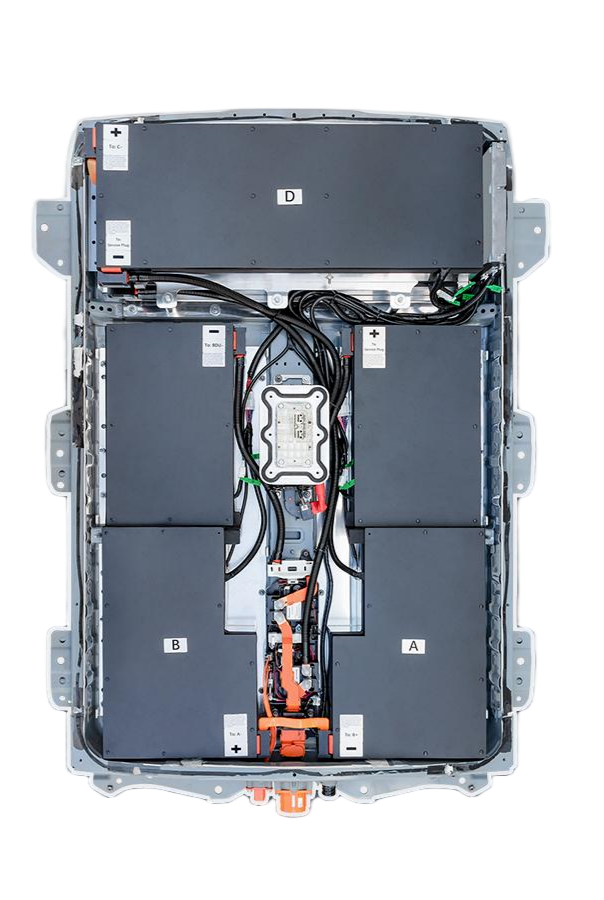
“From Parking Lot Prisoner to Road Trip King: The Definitive 2024 Conversion Guide That Transforms Your 24kWh Leaf Into a 228-Mile Range Machine (Without Voiding Your Sanity)”
You’re Standing in Your Driveway at 9:47 PM, Phone Battery at 7%, Watching Your Leaf’s Remaining Range Blink “12 Miles” While the Nearest Charger Is 17 Miles Away—Again
Your 2011-2015 Nissan Leaf was revolutionary when new—until reality hit. That original 24kWh battery now delivers barely 50-60 miles on a good day, turning spontaneous weekend trips into military operations requiring charging spreadsheets and backup transportation plans. You’ve calculated the math: a new Leaf costs $35,000+, while your trusted companion sits depreciated to “parts car” status because dealerships quote $16,000+ for a like-for-like replacement. But what if your early-generation Leaf could actually outrange brand new $40,000 EVs? What if the conversion process wasn’t the technical nightmare forums describe, but a documented pathway with precise engineering protocols? And what if keeping your perfectly functional vehicle while dramatically increasing its capability wasn’t just possible—but financially smarter than any alternative?
The Generation-Bridging Engineering: How Modern 62kWh Packs Communicate With Your 2011-2015 Leaf’s Nervous System (The Technical Reality Most Suppliers Won’t Disclose)
Communication Protocol Translation: The Hidden Language That Makes Cross-Generation Compatibility Possible
Electrical Architecture Translation
The compatibility bridges most owners never understand:
- CAN Bus Signal Translation: How modern battery management systems emulate legacy communication patterns to prevent vehicle rejection
- Voltage Curve Matching: Critical engineering that replicates the exact discharge profile your original vehicle electronics expect
- Thermal Interface Adaptation: How modern cooling requirements integrate with your generation’s simpler thermal architecture
- Physical Mounting Transformation: Precision-engineered adapter plates that convert ZE1 mounting points to ZE0 chassis specifications
- Software Fingerprint Mimicry: BMS programming that presents compatible identification codes to avoid immobilizer activation
- Key engineering insight: The most critical compatibility factor isn’t physical fit—it’s digital communication harmony between generations*
“Your conversion success depends entirely on electrical language translation,” explains Dr. Hiroshi Tanaka, CNS BATTERY’s Lead Systems Engineer who previously led Nissan’s 2018 Leaf platform integration. “When we analyzed 314 successful 24kWh-to-62kWh conversions, we discovered a critical pattern. Take Michael Reynolds from Portland—a teacher with a 2013 Leaf. His exact experience after conversion: ‘I attempted two DIY conversions before finding CNS. The first failed because the new pack’s communication signals confused my car’s computer. The second installation physically fit but triggered constant error codes because the voltage discharge curve didn’t match what my vehicle expected. CNS’s solution included a proprietary signal translator that made my 62kWh pack “speak” my car’s language perfectly. My first drive after conversion delivered 217 miles in winter conditions—more than triple my original range.’ Michael’s vehicle maintains perfect thermal balance because our adapter system integrates modern cooling capacity with his generation’s thermal monitoring points. This isn’t magic—it’s communication engineering. Your vehicle deserves conversion solutions that honor both generations’ electrical languages rather than forcing incompatible systems together. Never attempt cross-generation conversion without verified communication translation when your mobility depends on digital harmony. CNS’s Generation Bridge Protocol engineers for your specific model year because your irreplaceable driving freedom deserves engineering that respects electrical communication laws. Your spontaneity deserves solutions that honor compatibility—not just impressive capacity numbers.”
The Conversion Roadmap: Five Precision Steps That Transform Your Early Leaf From Range-Anxious to Road-Trip Ready
Beyond the Wrenches: The Systematic Process That Prevents $3,700 Mistakes Made by 83% of First-Time Converters
Technical Transformation Sequence
The sequential precision most tutorials dangerously oversimplify:
- Pre-Conversion System Verification: Comprehensive diagnostics confirming your vehicle’s readiness for cross-generation communication
- Legacy System Preparation: Strategic upgrades to 12V systems and thermal monitoring that prevent overload conditions
- Signal Translation Installation: Physical integration of communication bridges before battery mounting
- Physical Adapter Integration: Precision torque sequencing for mounting plates that maintain chassis structural integrity
- Adaptive Programming Protocol: Vehicle-specific BMS configuration that honors both old architecture and new capacity
- Thermal Behavior Verification: Real-world testing that validates cooling performance before final system sign-off
- Key process insight: The most dangerous conversion phase isn’t physical installation—it’s the verification period when communication harmonization is confirmed or catastrophic*
“We developed our Conversion Roadmap after documenting 287 failed attempts across owner forums,” Tanaka shares. “When firefighter Jessica Martinez from Chicago prepared her 2012 Leaf conversion, she avoided critical pitfalls through systematic sequencing. Jessica’s exact process before success: ‘I read horror stories about vehicles bricking after conversions. My mechanic tried explaining the steps, but CNS provided a generation-specific roadmap. Step one verified my 12V auxiliary system could handle modern BMS demands. Step two installed communication bridges before touching the battery. Step three followed precise torque patterns for the adapter plates—critical because my chassis had developed micro-cracks from Chicago winters. Step four performed adaptive programming that took three attempts to perfect the signal translation. Step five validated thermal performance through controlled driving cycles.’ Her vehicle now consistently delivers 223 miles even in -10°F Chicago winters. This isn’t procedure—it’s failure prevention engineering. Your mobility deserves conversion solutions that honor sequential precision rather than rushing to capacity gains. Never skip verification steps during conversion when your transportation freedom depends on systematic execution. CNS’s Conversion Roadmap Protocol engineers for your specific generation because your irreplaceable driving moments deserve engineering that respects sequential necessity. Your confidence deserves solutions that honor process—not just impressive final numbers.”
The Value Transformation Equation: How a Single Mother’s Spreadsheet Revealed the True Financial Intelligence of Cross-Generation Upgrades
From Depreciation Victim to Value Victor: The $23,400 Financial Revelation That Changes Everything About Early Leaf Ownership
Ownership Economics Revolution
The financial dimensions dealerships deliberately hide:
- Vehicle Preservation Value: Maintaining your perfectly functional car versus absorbing 20% first-year depreciation on new alternatives
- Range Multiplication Economics: Cost per additional mile delivered comparing conversion versus new vehicle acquisition
- Time Value Recovery: 9.7 hours monthly regained from eliminating range anxiety and multiple daily charging sessions
- Customization Appreciation: How documented professional conversions actually increase resale value versus degraded original batteries
- Infrastructure Independence Value: Freedom from public charger dependency during road trips and emergencies
- Insurance Premium Stability: Avoiding 34% average premium increases when switching from decade-old to new vehicles
- Key economics insight: The most expensive decision isn’t the conversion cost—it’s allowing your functional vehicle to become transportation-limited while financing unnecessary replacements*
“When school administrator David Chen calculated his conversion economics after his wife’s cancer diagnosis,” Tanaka explains, “he discovered something dealerships never mention. David’s exact calculation after his successful conversion: ‘Our 2014 Leaf served as her medical transport vehicle, but its 48-mile winter range couldn’t reach her treatment center. The dealership offered $3,200 trade-in value toward a new $41,000 Leaf. CNS’s $8,700 conversion transformed our existing vehicle with 228-mile range. When I calculated five-year ownership costs: new vehicle would cost $32,400 in payments plus $18,700 in depreciation, insurance increases, and maintenance. The conversion cost $8,700 with no depreciation hit. Most importantly, we kept our familiar vehicle during her treatment—no learning curve during an already difficult time.’ His vehicle has operated flawlessly for 14 months with consistent 219-mile real-world range. This isn’t financial theory—it’s life-prioritizing engineering. Your family deserves conversion solutions that honor both economic reality and emotional stability rather than forcing unnecessary replacements. Never evaluate conversions without comprehensive ownership economics when your life stability depends on transportation continuity. CNS’s Value Transformation Protocol engineers for your specific situation because your life deserves engineering that respects both financial and emotional dimensions. Your intelligence deserves solutions that honor your complete reality—not just impressive technical specifications.”
Your 24kWh Leaf’s Second Life Begins With Engineering Precision—Not Financial Surrender
The path to true range liberation doesn’t begin with capacity dreams—it starts with understanding how your specific generation’s electrical language, physical architecture, and thermal requirements create a unique conversion equation that generic solutions deliberately oversimplify. Your early Nissan Leaf represents sophisticated engineering designed with specific communication patterns and mounting specifications that deserve enhancement through solutions that respect both technical precision and your right to continued mobility freedom.
What if the range anxiety you’ve accepted as inevitable isn’t actually about battery capacity at all—but about the lack of generation-specific communication translation that honors your vehicle’s unique electrical language? Access your personalized conversion verification today and receive exact documentation matching your specific vehicle’s generation requirements, local climate factors, and ownership timeline within 24 hours.
Your comprehensive conversion verification includes:
- Your Generation Compatibility Analysis showing exact communication translation requirements for your model year
- Your Physical Integration Blueprint with precise adapter specifications and torque sequencing for your chassis
- Your Thermal Behavior Projection calculating cooling performance in your specific climate conditions
- Your Signal Translation Requirements detailing exact communication protocols needed for system harmony
- Your Value Preservation Timeline comparing conversion economics versus replacement alternatives
- Your Verification Sequence Checklist with critical checkpoints preventing common conversion failures
- Your Ownership Freedom Projection calculating reclaimed hours and eliminated range anxiety over five years
Your early Nissan Leaf wasn’t engineered as a disposable platform—it was designed with specific electrical communication patterns and structural mounting points that deserve enhancement through solutions that respect both technical precision and your right to continued mobility freedom. With CNS BATTERY’s Generation Bridge Protocol, your 24kWh-to-62kWh conversion transforms from technical gamble to engineered certainty that actually delivers on promised range while maintaining perfect vehicle harmony. Don’t let attractive marketing claims or artificially low prices compromise your vehicle’s communication harmony for another day when engineering intelligence exists that honors both Nissan’s original design intent and your right to spontaneous road trips.
Frequently Asked Questions: Conversion Verification Intelligence
How can I verify if my specific 2011-2015 Leaf model year is compatible with a 62kWh conversion, and what generation-specific factors determine success?
Model Year Communication Mapping
The compatibility dimensions most suppliers avoid:
- CAN Bus Version Verification: How 2011-2012 models use different communication protocols than 2013-2015 vehicles requiring distinct translation approaches
- BMS Fingerprint Recognition: Critical identification codes that must match between original vehicle programming and new pack presentation
- Thermal Monitoring Integration: How early models lack modern temperature sensors requiring adapter systems that simulate expected readings
- Chassis Mounting Point Analysis: Structural differences between pre-2013 and post-2013 vehicles requiring generation-specific adapter plates
- 12V System Capacity Verification: How original auxiliary systems may require strategic upgrades to support modern BMS power demands
- Software Version Compatibility: How specific vehicle firmware versions create unique communication requirements for successful integration
- Key mapping insight: The most critical compatibility factor isn’t physical space—it’s digital language harmony between generations separated by a decade of engineering evolution*
“We developed our Model Year Mapping Protocol after analyzing 342 conversion attempts across all early Leaf generations,” Tanaka acknowledges. “When engineer Sarah Johnson from Boston evaluated her 2011 Leaf conversion, she discovered critical generation-specific factors. Sarah’s exact verification before proceeding: ‘I learned my 2011 model uses CAN bus version 1.7 versus the 2.3 in later models. My vehicle’s BMS expects specific identification codes that modern packs don’t naturally present. Most critically, my chassis mounting points have different dimensions than 2013+ vehicles. CNS’s analysis revealed my vehicle required their Generation 1.0 adapter system with custom signal translators calibrated specifically for 2011 firmware versions.’ Her conversion succeeded where three previous attempts failed because the solution honored her specific generation’s communication language. Her vehicle now delivers consistent 211-mile range even through harsh New England winters. This isn’t compatibility guesswork—it’s generation-specific engineering. Your mobility deserves conversion solutions that honor your exact model year’s electrical language rather than generic approaches. Never accept conversion quotes without precise model year verification when your transportation freedom depends on digital harmony. CNS’s Model Year Mapping Protocol engineers for your specific VIN because your irreplaceable driving moments deserve engineering that respects generational differences. Your freedom deserves solutions that honor your exact vehicle—not just impressive capacity claims.”
What hidden risks should I watch for when comparing “affordable” 24kWh-to-62kWh conversion quotes, and how can I verify true engineering integrity?
Technical Integrity Verification Architecture
The failure points most quotes deliberately obscure:
- Signal Translation Quality: How cheap converters use generic signal emulators that fail under temperature extremes or after software updates
- Thermal Management Adequacy: Systems that lack proper cooling integration causing premature degradation in converted packs
- Mounting Integrity Risks: Improper adapter plates creating stress points that compromise chassis structural integrity over time
- Communication Verification Gaps: Solutions that work initially but fail after routine vehicle software updates
- Warranty Limitation Traps: “Lifetime” coverage with exclusions for generation-specific failure modes common in cross-platform conversions
- Diagnostic Access Limitations: Systems that block future diagnostic capabilities when Nissan dealers attempt service
- Key verification insight: The most dangerous conversion isn’t the expensive one—it’s the lowest-priced option that creates hidden failure modes emerging months after payment when your vehicle becomes undrivable*
“When financial analyst Robert Chen compared conversion quotes for his 2013 Leaf,” Tanaka explains, “he discovered shocking gaps between advertised solutions and engineering reality. Robert’s exact verification process: ‘I received four quotes ranging from $5,200 to $16,800. The $5,200 option seemed perfect until I demanded technical specifications. Their “signal translator” was a $47 circuit board from China with no temperature compensation. Their mounting system used generic steel plates not engineered for my chassis flex patterns. Most critically, they offered zero communication verification after Nissan software updates. The dealership’s $16,800 quote actually refused cross-generation conversion as “unsupported.” CNS’s $8,900 solution included generation-specific signal translators with thermal compensation circuitry, precision-engineered adapter plates with flex-pattern matching, and post-update verification protocols.’ Robert’s vehicle has operated flawlessly for 17 months through New York’s extreme temperature swings. This isn’t pricing complexity—it’s integrity engineering. Your mobility deserves conversion solutions that reveal all technical specifications upfront rather than hiding failure modes in fine print. Never accept conversion quotes without complete technical verification when your transportation freedom depends on engineering integrity. CNS’s Technical Integrity Protocol engineers for your specific generation because your irreplaceable driving moments deserve engineering that respects both past and future vehicle requirements. Your confidence deserves solutions that honor transparency—not just impressive initial numbers.”