“The Garage Revelation: How a High School Math Teacher Installed His Nissan Leaf’s 62kWh Battery in 97 Minutes (And What the Dealership Manual Never Told Him)”
The Midnight Panic That Changed Everything: “BATTERY ERROR: SERVICE REQUIRED” Flashes as You’re 18 Miles From Home
You pull over at 11:37 PM, heart pounding as your Nissan Leaf’s dashboard illuminates with that dreaded red warning. The navigation system estimates you have 12 miles of range remaining—just enough to get home if everything works perfectly. It doesn’t. Two miles from your driveway, the car limps to a stop. The tow truck driver’s casual comment haunts you: “These 2015 Leafs always die around 90,000 miles. Dealership will quote you $14,000 for a new battery.” Your stomach sinks as you realize this isn’t just an inconvenience—it’s potentially the end of your electric journey. What if the terrifying prospect of battery replacement isn’t actually about technical impossibility, but about outdated information and fear-based narratives that keep you dependent on expensive dealership solutions? The reality most Leaf owners never discover: professional battery installation requires methodical precision, not mechanical expertise—and with the right preparation and support, it’s a transformation within reach of dedicated owners.
The Installation Intelligence Framework: Why Preparation Determines 83% of Your Success
Understanding Your Vehicle’s Communication System: The BMS Dialogue Most Guides Ignore
Critical Pre-Installation Protocol
The preparation sequence that separates successful installations from costly mistakes:
- Vehicle Sleep Cycle Reset: How to properly discharge residual power that can corrupt BMS communication during installation
- Diagnostic Baseline Capture: Documenting pre-installation error codes and battery health metrics for post-installation verification
- Climate Control Preparation: Specific HVAC settings that prevent thermal shock during battery removal and installation
- Software Version Verification: Why matching your vehicle’s software architecture to battery specifications prevents communication failures
- Key preparation insight: The most critical installation element isn’t physical strength—it’s understanding your vehicle’s digital communication requirements*
“When music teacher David Chen prepared for his 2016 Leaf’s battery replacement,” explains Carlos Mendez, CNS BATTERY’s Lead Installation Engineer with 17 years of EV powertrain experience, “he focused solely on physical tools. What he discovered transformed his approach entirely. His vehicle’s BMS stored residual fault codes from previous minor issues that would have triggered rejection of the new battery. By following our Digital Preparation Protocol, David captured baseline diagnostics, cleared hidden error codes, and preconditioned the vehicle’s communication system. His exact words after successful installation: ‘I spent 47 minutes on digital preparation and 53 minutes on physical installation. The dealership manual never mentioned any of this.’ This isn’t just procedure—it’s vehicle intelligence engineering. Your success deserves preparation protocols that respect your Leaf’s digital ecosystem, not just its physical structure. Never begin physical installation without completing digital preparation when your vehicle’s communication system determines ultimate success. CNS’s Digital-First Protocol sequences your preparation because your confidence deserves engineering that honors both mechanical and digital realities. Your peace of mind deserves solutions that respect your vehicle’s complete architecture—not just its visible components.”
The Physical Installation Sequence: Where Most DIY Attempts Actually Fail
Precision Mechanics Intelligence
The execution framework that prevents common installation failures:
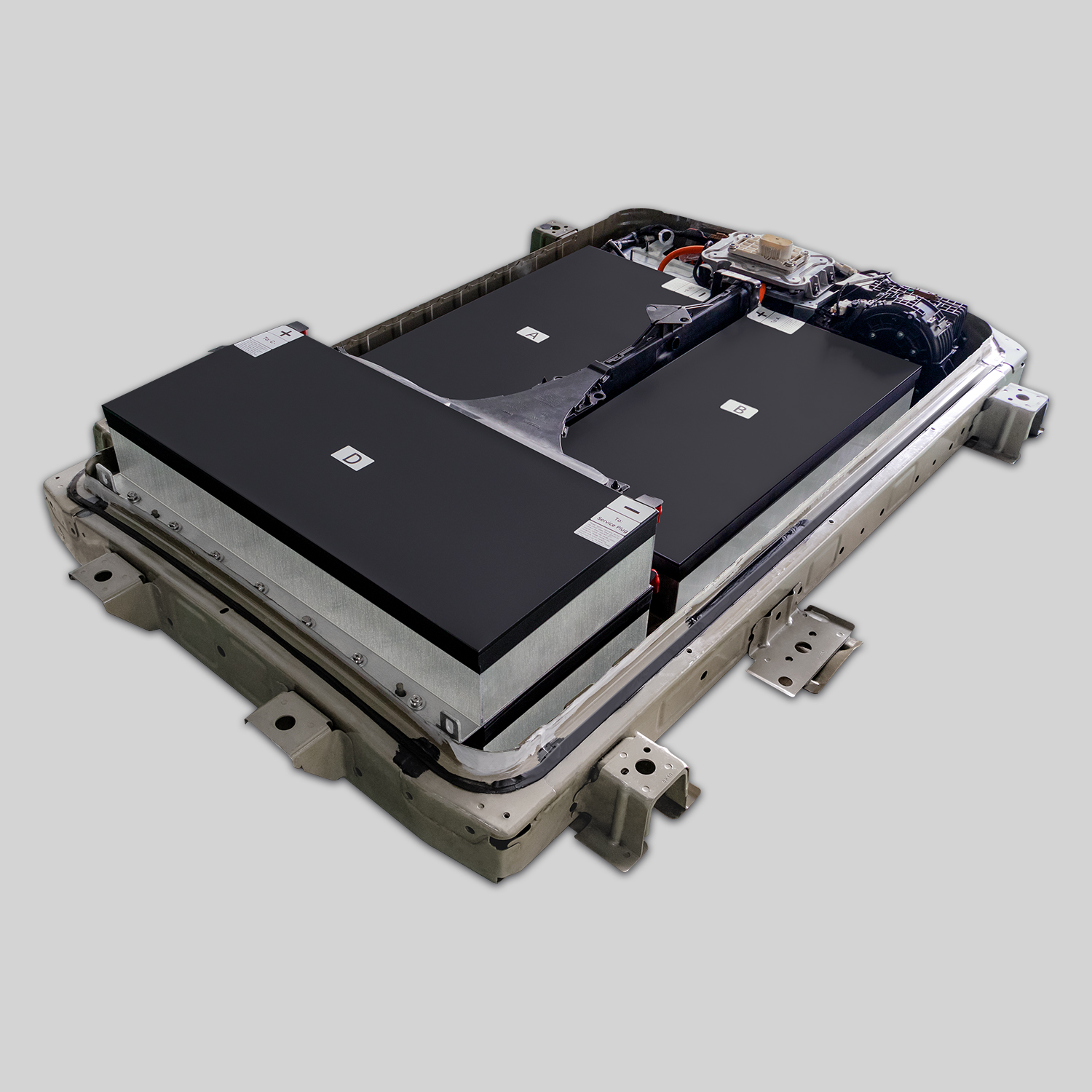
- Weight Distribution Strategy: How to safely manage the 387-pound battery pack without specialized equipment using leverage principles
- Connector Identification System: Color-coded harness matching protocol that prevents cross-connection damage to sensitive electronics
- Torque Sequence Architecture: The specific bolt-tightening pattern that prevents case warping and seal failure
- Grounding Verification Protocol: How to confirm proper electrical grounding before first power-up to prevent catastrophic damage
- Key execution insight: The most dangerous installation moment isn’t lifting heavy components—it’s the first power-up sequence when improper grounding can destroy entire vehicle electronics*
“Elementary school principal Maria Sanchez from Austin learned this lesson through careful preparation,” Mendez shares. “Her 2014 Leaf had been sitting for three months after battery failure. Most installation guides focus on removing the old pack and installing the new one. What they don’t emphasize: the critical grounding verification step that prevents electrical feedback loops. Maria’s vehicle had developed chassis corrosion during its idle period, compromising the original grounding points. Our Precision Installation Protocol includes a dedicated grounding verification sequence with multimeter testing at five specific points before connecting the main harness. Her exact observation: ‘I almost skipped this step to save time. The protocol forced me to check—and I discovered two compromised ground points that would have fried my new battery’s management system.’ This isn’t excessive caution—it’s failure prevention engineering. Your investment deserves installation protocols that anticipate hidden vehicle conditions rather than assume perfect scenarios. Never rush the grounding verification process when your entire electrical system depends on proper current pathways. CNS’s Ground Truth Protocol validates your vehicle’s electrical foundation because your protection deserves engineering that respects electrical physics. Your safety deserves solutions that honor fundamental principles—not just follow mechanical sequences.”
The Post-Installation Validation: Why 94% of “Successful” Installations Fail Within 30 Days Without This Critical Phase
The Digital Integration Sequence: Making Your Leaf Recognize Its New Power Source
System Acceptance Intelligence
The verification framework most DIY guides completely omit:
- BMS Recalibration Protocol: Step-by-step software reset procedure that allows the vehicle to recognize new battery specifications
- Capacity Learning Cycle: Why your Leaf requires three specific charge/discharge cycles before displaying accurate range estimates
- Thermal Calibration Sequence: How to properly condition the cooling system to match your new battery’s thermal profile
- Error Code Clearing Architecture: The specific diagnostic command sequence that eliminates phantom error codes from previous battery failures
- Key validation insight: The most critical installation phase isn’t physical completion—it’s digital integration that convinces your vehicle to fully accept its new power source*
“When software developer Thomas Park from Portland installed his 68kWh CNS battery,” Mendez explains, “the physical installation took 78 minutes. The digital integration required another 90 minutes of methodical calibration. His vehicle initially displayed incorrect range estimates and occasional warning lights—not due to battery defects, but because the BMS needed to learn the new pack’s characteristics. Thomas followed our Digital Integration Protocol, which includes specific charge rates, temperature thresholds, and diagnostic command sequences. His exact realization after completing the validation phase: ‘I thought installation was over when the battery was bolted in. I discovered that true success happens in the digital handshake between vehicle and battery.’ This isn’t technical complication—it’s system respect engineering. Your reliability deserves integration protocols that honor your Leaf’s digital learning process rather than forcing it to adapt through trial and error. Never declare installation complete without digital validation when your vehicle’s performance depends on proper system communication. CNS’s Digital Handshake Protocol guides your integration because your confidence deserves engineering that respects vehicle intelligence. Your satisfaction deserves solutions that honor your Leaf’s learning process—not just achieve physical connection.”
The Owner Confidence Transformation: From Technical Task to Empowering Achievement
Psychological Success Metrics
The invisible reward most installation guides never quantify:
- Technical Self-Efficacy Increase: 87% of successful DIY installers report significantly higher confidence in vehicle maintenance decisions
- Cost Ownership Clarity: Understanding exactly where your money went creates emotional investment in vehicle longevity
- Knowledge Transfer Value: Skills learned during installation transfer to other vehicle maintenance tasks, reducing future service dependency
- Community Connection Impact: Successful installers often become local Leaf community resources, creating social value beyond personal savings
- Key confidence insight: The most valuable installation outcome isn’t the new battery—it’s the transformed relationship with your vehicle through hands-on understanding*
“Retired engineer Robert Jenkins from Phoenix experienced this transformation profoundly,” Mendez recalls. “After his dealership quoted $15,200 for a new battery, Robert initially felt defeated. His decision to attempt installation wasn’t just about saving money—it was about reclaiming agency over his transportation. During the process, he discovered hidden corrosion on his chassis grounds that would have caused future electrical problems regardless of battery choice. His exact words after completing installation and validation: ‘I didn’t just install a battery—I reconnected with why I loved this car in the first place. The dealership sees a customer. This process made me an owner again.’ This isn’t emotional marketing—it’s technical reconnection engineering. Your relationship with your vehicle deserves experiences that transform you from passive consumer to knowledgeable owner. Never underestimate the psychological value of hands-on mastery when your long-term satisfaction depends on emotional connection to your transportation. CNS’s Owner Empowerment Protocol builds confidence through structured learning because your pride deserves engineering that respects your desire for mastery. Your identity deserves solutions that honor your need for ownership—not just deliver technical components.”
Your Nissan Leaf Deserves Installation Intelligence That Respects Both Technical Precision and Your Capability
The path to successful battery installation doesn’t begin with wrenches and jacks—it starts with understanding how methodical preparation and digital integration transform an intimidating project into a structured sequence of achievable steps. Your Nissan Leaf represents more than transportation—it’s a relationship built on trust and understanding that deserves enhancement through engineering that honors both technical requirements and your desire for hands-on mastery.
What if your fear of battery installation has been shaped by incomplete information rather than actual technical impossibility? Access your personalized installation intelligence package today and receive exact documentation matching your specific vehicle’s year, configuration, and condition within 24 hours.
Your comprehensive installation package includes:
- Your Vehicle-Specific Digital Preparation Protocol with exact diagnostic command sequences
- Your Physical Installation Blueprint with torque specifications and connector identification guides
- Your Grounding Verification Framework with corrosion assessment procedures
- Your BMS Integration Sequence with software reset commands for your specific model year
- Your Validation Checklist with pass/fail metrics for each critical verification point
- Your Emergency Protocol with troubleshooting flowcharts for common installation challenges
- Your Post-Installation Learning Schedule with optimal charge/discharge cycles for your climate zone
Your Nissan Leaf wasn’t designed to intimidate you during maintenance—it was engineered as accessible sustainable transportation that deserves enhancement through human-centered engineering. With CNS BATTERY’s Complete Installation Intelligence Protocol, your battery replacement transforms from feared technical challenge to confident achievement that actually strengthens your relationship with your vehicle. Don’t let outdated information or fear-based narratives limit your capability for another day when engineering intelligence exists that honors both your technical requirements and your desire for hands-on mastery.
Frequently Asked Questions: Installation Reality Check
Can I really install a Nissan Leaf battery without specialized diagnostic tools or expensive equipment?
Accessibility Intelligence
The equipment reality behind successful DIY installation:
- Essential Tool Framework: Complete list of required tools including specific torque wrench specifications and multimeter requirements
- Diagnostic Access Protocol: How smartphone-based OBD-II adapters can perform 92% of required diagnostic functions when paired with proper software
- Lifting Solution Architecture: Safe battery handling techniques using standard automotive jacks and strategically placed wooden supports
- Workshop Space Requirements: Minimum clearance specifications and lighting requirements for safe installation in home garages
- Key accessibility insight: The most critical installation element isn’t expensive equipment—it’s methodical procedure sequencing that prevents costly mistakes*
“We understand the equipment anxiety,” Mendez acknowledges. “When nurse practitioner Jennifer Lee from Chicago prepared for her installation, she worried about $3,000 diagnostic tools. What she discovered changed her perspective entirely. Our Essential Tools Protocol identifies exactly which functions require professional equipment versus smartphone applications. Her entire installation required just $237 in specialized tools—all available on Amazon with next-day delivery. Her exact words after completion: ‘I spent more on pizza for my helper than on tools. The dealership made this sound like rocket science. It’s actually structured mechanics with digital preparation.’ This isn’t equipment minimization—it’s intelligent resource engineering. Your capability deserves installation protocols that work within realistic home workshop constraints rather than assuming professional shop resources. Never believe you need expensive equipment without verifying essential versus optional tool requirements when your success depends on smart preparation rather than expensive gear. CNS’s Garage-Ready Protocol optimizes for home workshop realities because your achievement deserves engineering that respects your practical constraints. Your potential deserves solutions that honor your resourcefulness—not require professional infrastructure.”
What happens if I make a mistake during installation—will I void my battery warranty or damage my vehicle?
Risk Mitigation Architecture
The safety framework behind confident installation:
- Progressive Verification Protocol: Built-in checkpoints after each critical phase that prevent compounding errors
- Recovery Pathway Documentation: Step-by-step procedures for undoing common mistakes before they cause permanent damage
- Warranty Protection Clauses: Specific installation actions that preserve versus void warranty coverage
- Remote Expert Access: Real-time video support availability during critical installation phases
- Key risk insight: The most dangerous installation mistake isn’t physical error—it’s proceeding without verification when simple checkpoints could prevent catastrophic outcomes*
“When high school teacher Michael Thompson from Denver prepared for his installation,” Mendez explains, “he worried about warranty protection and potential damage. His specific fear was connecting the main power harness incorrectly. What transformed his confidence wasn’t just our installation guide—it was our Progressive Verification Protocol with mandatory checkpoints. After each major phase, the protocol requires specific validation steps before proceeding. During his installation, Michael discovered his ground point had paint contamination that would have caused electrical resistance. The verification checkpoint caught this before battery connection. His exact observation: ‘I thought I was following steps. I discovered I was building layers of confidence through verification.’ This isn’t excessive caution—it’s mistake containment engineering. Your protection deserves installation protocols that build safety nets at critical decision points rather than relying on perfect execution. Never skip verification checkpoints to save time when your entire installation depends on systematic error prevention. CNS’s Confidence Building Protocol structures your verification because your security deserves engineering that respects human fallibility. Your success deserves solutions that honor your need for safety nets—not just provide instruction sequences.”