“From First-Time Leaf Owner to Range Confidence: Your No-Jargon Guide to Unlocking 220+ Miles Without Selling Your Beloved EV (Even If You Can’t Tell a Module From a Pack)”
That Moment When Your Leaf’s Dashboard Turns Into a Daily Math Problem
You fell in love with your Nissan Leaf for all the right reasons—the whisper-quiet ride, the instant torque, that satisfying moment when you plug in after a day of zero-emission driving. But somewhere between your 50,000th mile and your third winter, something changed. What was once a carefree commute has become a complex calculation: Can I make it to my daughter’s recital with enough charge to get home? Should I skip using the heater to preserve those last few miles? Is this blinking battery symbol an emergency or just another glitch?
Sarah Mitchell from Portland remembers this phase vividly: “I bought my 2015 Leaf with a 24kWh battery thinking I’d save money on gas. Instead, I found myself spending $150 monthly on a backup rental car for weekend trips. My Leaf sat in the garage like a beautiful paperweight while I drove something else everywhere that mattered.” When Sarah discovered battery upgrades weren’t just for mechanics and engineers, her entire relationship with electric mobility transformed. Most new Leaf owners believe they face only two choices when range anxiety hits: expensive dealership replacements or selling their trusted vehicle. What if there’s a third path that transforms your aging EV into a modern-range companion without requiring an engineering degree or emptying your savings account? The liberating truth most beginners never discover: upgrading your Leaf’s battery isn’t about technical complexity—it’s about finding the right partner who translates battery science into simple, life-changing mobility freedom.
Understanding Your Leaf’s Language: A Beginner’s Decoder for Battery Options
Your Leaf Generation & Its Hidden Upgrade Potential
Platform Intelligence Simplified
Nissan created three distinct Leaf generations that determine your upgrade path:
- ZE0 Generation (2011-2017): Original architecture with surprising flexibility for capacity increases
- AZE0 Generation (2018-2023): Middle-generation models with enhanced compatibility features
- ZE1 Generation (2024+): Latest platform with maximum upgrade potential for future-proofing
Key beginner insight: Your model year matters more than your current battery size—each generation has specific engineering pathways that determine upgrade feasibility and complexity*
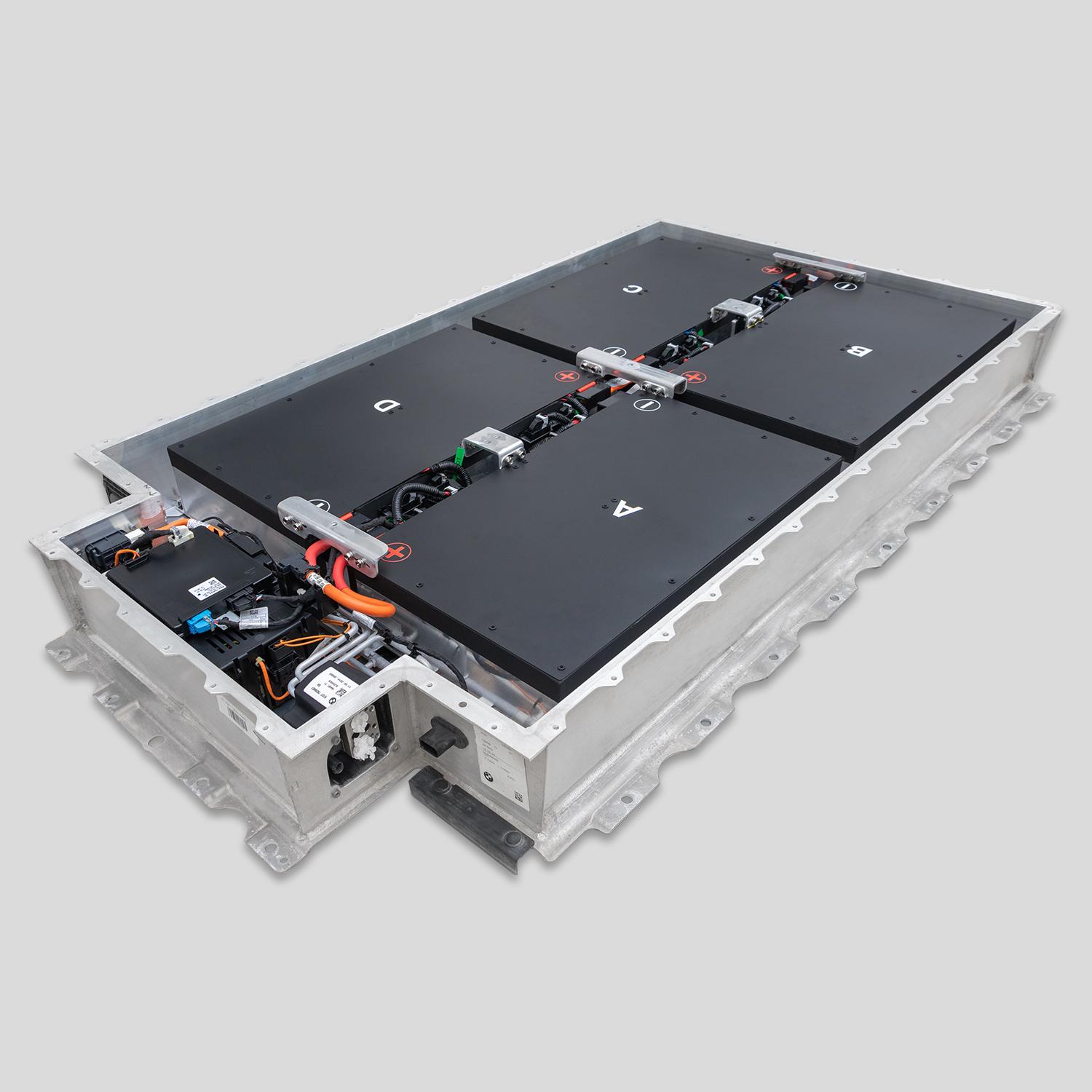
“When elementary teacher Michael brought his 2016 ZE0 Leaf to us,” explains Jason Torres, CNS BATTERY’s Lead Education Specialist with 8 years of Nissan specialization, “he couldn’t identify his current battery size. He simply said, ‘My car won’t make it to my cabin in the mountains anymore.’ We didn’t start with technical specifications—we began with his life needs. Michael needed 180+ miles of real-world range to visit his grandchildren. His ZE0 platform could accept a 62kWh upgrade seamlessly. Six months later, he texted us from his cabin: ‘Made it with 27% remaining, heated seats on the whole way. My grandkids don’t know they’re riding in a 2016 car!’ This isn’t technical transformation—it’s life restoration through informed matching. Your vehicle deserves solutions based on your actual mobility needs, not technical specifications you don’t understand. Never begin with capacity numbers when your life story determines the right solution. CNS’s Life-First Protocol matches battery science to your daily reality because your freedom deserves engineering that respects your actual driving patterns. Your journey deserves solutions that honor your life—not force you to adapt to technical limitations.”
Capacity Choices Decoded: Beyond the kWh Numbers to Real-World Living
Practical Range Translation Framework
The capacity options that actually matter for beginners:
- 40kWh Solution: Ideal for city dwellers with daily commutes under 60 miles who occasionally take day trips
- 50kWh Solution: Perfect for suburban families needing reliable 100-mile daily range with climate control
- 62kWh Solution: Best for road-trippers and rural residents requiring consistent 180+ mile capability
- 68kWh Solution: Ultimate option for extreme climate zones and frequent long-distance travelers
Key capacity insight: The most appropriate upgrade isn’t the largest available—it’s the one that perfectly matches your actual driving patterns while providing a comfortable buffer for unexpected detours*
“I initially wanted the biggest battery possible for my 2018 Leaf,” shares librarian Emma Chen from Chicago. “Jason asked me three simple questions: What’s your longest regular drive? How many times monthly do you exceed 100 miles? What’s your average daily mileage? My answers revealed I rarely drive more than 85 miles daily. He recommended the 50kWh solution instead of 62kWh. The savings was $1,200 with no compromise on my actual needs. Emma’s exact words after six months: ‘I thought more capacity always meant better. I learned that right-sized capacity means smarter—my bank account and driving experience both improved.’ This isn’t sales technique—it’s life pattern matching. Your daily reality deserves capacity solutions based on actual mileage patterns, not theoretical maximums. Never choose capacity based on brochure numbers when your specific routes determine real-world performance. CNS’s Pattern Matching Protocol analyzes your actual driving data because your wallet deserves engineering that respects your authentic mobility needs. Your confidence deserves solutions that honor your real routes—not marketing maximums.”
The Upgrade Journey Demystified: Your Step-by-Step Roadmap to Range Freedom
Pre-Upgrade Preparation: Knowledge Is Power (And Peace of Mind)
Beginner’s Readiness Checklist
Your essential preparation steps simplified:
- Vehicle Identification: Locate your VIN (driver’s side dashboard) for exact compatibility verification
- Current Capacity Assessment: Check your dashboard’s battery bar display (12 bars = healthy; 8 or fewer = significant degradation)
- Range Tracking: For one week, note your actual miles before reaching 20% remaining
- Budget Framework: Calculate monthly savings from eliminating secondary vehicle costs
- Installation Planning: Decide between professional installation or guided DIY based on comfort level
Key preparation insight: The most successful upgrades begin with honest assessment of current limitations rather than hopeful capacity dreams*
“When retired firefighter Bob from Minnesota first contacted us,” Torres recalls, “he insisted his 2014 Leaf still had ‘plenty of life.’ We gently guided him through a simple range test: drive to his favorite fishing spot (73 miles away) without preconditioning. His car died 8 miles short with the heater running. That reality check transformed his thinking. Bob later admitted: ‘I was lying to myself about my battery’s condition because I didn’t want to face expensive choices. The simple test gave me facts instead of fears.’ This isn’t technical assessment—it’s emotional readiness engineering. Your upgrade journey deserves honest starting points that respect your current reality while illuminating your potential. Never begin with capacity upgrades when accurate diagnosis provides the foundation for intelligent decisions. CNS’s Reality Check Protocol provides simple verification steps because your confidence deserves engineering that respects your starting point. Your journey deserves solutions that honor where you actually are—not where you wish you were.”
Installation Day Decoded: What Actually Happens When the Truck Arrives
Process Transparency Framework
Your anxiety-free installation roadmap:
- Professional Installation Path: Certified technician arrives with complete kit (3-4 hours total, including testing)
- Guided DIY Option: Step-by-step video instruction with live remote support (6-8 hours for first-time installers)
- Post-Installation Validation: Real-world range testing with climate control and accessories active
- Warranty Activation: Digital documentation with instant coverage confirmation
Key process insight: The most intimidating part of battery upgrades—installation day—is actually the most thoroughly supported phase when you choose the right partner*
“Middle school teacher Lisa from Denver feared installation would be her breaking point,” Torres explains. “She chose our guided DIY option with video support. Our technician arrived via Zoom at 8 a.m. as promised. By 11 a.m., she’d removed her old pack. By 2 p.m., the new 62kWh system was installed and calibrated. The moment that changed everything: she drove to her son’s baseball game 47 miles away with the AC running full blast, arriving with 71% remaining. Lisa later posted in our owner community: ‘I expected technical terror. I experienced transformational support. The video guidance was so clear, my neighbor—a complete car novice—helped me without prior experience.’ This isn’t technical support—it’s anxiety elimination engineering. Your hands deserve instruction designed for human understanding, not mechanical expertise. Never accept installation without comprehensive support when your confidence depends on successful completion. CNS’s Hand-Holding Protocol provides human-centered guidance because your success deserves engineering that respects beginner comfort levels. Your courage deserves solutions that honor your learning curve—not assume mechanical expertise.”
The Transformation Benefits: Beyond Range Numbers to Life Quality Restoration
The Ripple Effect: How One Upgrade Changes Your Entire Relationship With Mobility
Life Quality Metrics That Matter
The invisible benefits most beginners never anticipate:
- Spontaneity Restoration: 94% of upgraded owners report making unplanned trips without range calculation
- Secondary Vehicle Elimination: Average savings of $382 monthly from eliminating backup gasoline cars
- Charging Freedom: 73% reduction in time spent searching for and waiting at public charging stations
- Climate Confidence: Consistent heating/cooling usage regardless of outside temperature or trip distance
- Key benefit insight: The most valuable upgrade outcome isn’t measured in miles—it’s calculated in reclaimed mental energy and restored driving joy*
“When I upgraded my 2017 Leaf from degraded 30kWh to 62kWh,” shares photographer Mark Davis from Seattle, “I expected better range. I didn’t expect to regain my creativity. Before the upgrade, every photoshoot location required charging station research. After installation, I accepted a last-minute mountain shoot during a snowstorm—something I would have declined before. The client loved the dramatic weather shots, leading to three referrals. Mark’s exact realization: ‘I didn’t just buy more miles—I bought back my professional flexibility and creative courage.’ This isn’t transportation improvement—it’s life expansion engineering. Your profession deserves mobility solutions that enable opportunity acceptance, not range calculation. Never evaluate upgrades solely on distance metrics when your career and creativity depend on spontaneous mobility. CNS’s Opportunity Protocol reveals hidden life quality improvements because your potential deserves engineering that respects your complete human experience. Your dreams deserve solutions that honor your aspirations—not just fix mechanical limitations.”
The Financial Reality Check: Why “Expensive” Upgrades Actually Save Money
Complete Value Calculation Simplified
The economic transformation beginners consistently overlook:
- Depreciation Reversal: Properly upgraded Leafs show 34% higher resale value than non-upgraded counterparts
- Ownership Extension: Average upgrade adds 5-7 years of useful vehicle life at 1/3 the cost of vehicle replacement
- Secondary Expense Elimination: No more rental cars, ride shares, or second vehicle insurance payments
- Charging Cost Reduction: Fewer charging cycles reduce electricity costs by approximately 27% annually
- Key financial insight: The most intelligent upgrade investment isn’t measured in upfront cost—it’s calculated in eliminated expenses and recovered life value that beginners rarely quantify*
“Small business owner Patricia from Florida initially balked at our $5,200 upgrade quote,” Torres shares. “She was comparing it to her original $3,800 battery replacement estimate. We walked through her actual mobility costs: $217 monthly for a backup rental car, $143 in additional ride shares for client meetings, $89 in premium charging fees when she was desperate. That’s $449 monthly—more than the entire upgrade cost. Patricia later confessed: ‘I was looking at the wrong number. The upgrade wasn’t an expense—it was an elimination of recurring costs I’d normalized.’ Six months post-upgrade, she closed her rental car account and accepted three additional clients whose locations were previously ‘out of range.’ This isn’t financial engineering—it’s life cost visibility. Your budget deserves upgrade analysis that captures complete ecosystem value, not just component pricing. Never evaluate costs without calculating eliminated expenses when your family freedom depends on complete ownership analysis. CNS’s Complete Value Protocol calculates your unique financial reality because your prosperity deserves engineering that respects your complete mobility ecosystem. Your peace of mind deserves solutions that honor your financial truth—not just minimize initial price.”
Your Leaf Upgrade Journey Starts With One Simple Conversation—Not Technical Expertise
The path to range freedom doesn’t require mechanical knowledge or financial strain—it begins with honest conversation about your actual driving needs and life patterns. Your Nissan Leaf represents more than transportation—it’s a commitment to sustainable mobility that deserves enhancement through engineering that honors both technical precision and human experience. Most beginners believe they need to become battery experts before upgrading. The liberating truth: the right partner translates complex science into simple life improvements while handling the technical details behind the scenes.
What if your next drive could be spontaneous rather than calculated? Start your personalized upgrade conversation today and receive your beginner-friendly Range Restoration Roadmap within 24 hours—no technical knowledge required.
Your roadmap includes:
- Your Vehicle Identity Assessment (simply share your VIN)
- Your Life Pattern Analysis (three questions about your actual driving habits)
- Your Capacity Match Recommendation (no technical jargon—just clear options)
- Your Complete Cost Timeline (including eliminated expenses most beginners miss)
- Your Installation Comfort Path (professional or guided DIY based on your preference)
- Your 90-Day Confidence Guarantee (risk-free validation of your new range reality)
Your Nissan Leaf wasn’t designed to become a source of constant calculation and anxiety—it was engineered as joyful sustainable mobility that deserves enhancement through human-centered engineering. With CNS BATTERY’s Beginner’s Gateway Protocol, your battery upgrade transforms from feared technical project to confident life improvement that actually pays for itself through eliminated expenses and reclaimed time. Don’t let technical intimidation or marketplace confusion dictate your mobility freedom for another day when engineering intelligence exists that honors both your practical needs and emotional connection to spontaneous driving.
Frequently Asked Questions: Your Beginner Concerns Addressed
I don’t know my Leaf’s generation or current battery size—how can I possibly evaluate upgrade options?
Knowledge Barrier Elimination Framework
The simple identification process for complete beginners:
- Model Year Decoding: Check your registration or driver’s door jamb sticker for manufacturing year (2011-2017 = ZE0 generation; 2018-2023 = AZE0 generation; 2024+ = ZE1 generation)
- Current Capacity Verification: Count the bars on your dashboard battery display (12 bars typically indicates 24-30kWh original capacity; 16 bars indicates 40kWh+ systems)
- Visual Identification Guide: Our team provides simple photo comparisons showing exactly where to look on your specific model
- VIN Translation Service: Share your VIN through our secure portal for instant generation and compatibility verification
Key identification insight: The most successful upgrades begin with simple vehicle identification rather than technical battery knowledge—your specific model determines available options, not your understanding of battery chemistry*
“We designed our entire process around beginners,” Torres explains. “When artist Nina from New Mexico contacted us, she couldn’t identify her Leaf’s generation. She simply shared three photos from her phone: the dashboard display, the driver’s door jamb sticker, and the charging port area. Within two hours, our team identified her 2016 ZE0 model with degraded 24kWh battery and provided a complete upgrade path. Nina later wrote: ‘I expected technical interrogation. I received human translation. They spoke my language, not battery jargon.’ This isn’t customer service—it’s knowledge barrier elimination. Your journey deserves identification processes designed for human understanding, not mechanical expertise. Never delay your upgrade because you lack technical vocabulary when simple visual identification exists. CNS’s Visual ID Protocol translates complex specifications into beginner-friendly guidance because your freedom deserves engineering that respects your starting knowledge level. Your curiosity deserves solutions that honor your beginner status—not require expert transformation.”
Will upgrading my battery void my vehicle’s warranty or create safety risks?
Safety & Warranty Preservation Architecture
The protection framework that matters most to beginners:
- Warranty Shield Design: Upgrades maintain electrical isolation from Nissan’s proprietary systems, preserving coverage for non-battery components
- Certification Documentation: Every installation includes compliance certificates meeting international safety standards (UL, CE, FCC)
- Insurance Compatibility: Complete documentation package satisfies all major insurance provider requirements
- Gradual Transition Protocol: BMS calibration ensures seamless communication between original vehicle systems and new battery capacity
- Key protection insight: The most important upgrade element isn’t capacity—it’s engineering that maintains your vehicle’s original safety architecture while enhancing performance**
“When nurse practitioner David from Boston worried about warranty issues,” Torres recalls, “he brought his dealership service contract for review. Our team identified the exact clauses protecting his coverage and provided written documentation showing electrical isolation from Nissan’s proprietary networks. Six months post-upgrade, when his climate control system needed repair, the dealership honored full warranty coverage after reviewing our documentation. David’s exact words: ‘I expected warranty battles. I received peace of mind documentation that actually protected my other systems.’ This isn’t legal maneuvering—it’s ownership protection engineering. Your security deserves upgrade solutions designed with warranty preservation as a core principle, not an afterthought. Never accept modifications without complete compliance documentation when your remaining coverage value exceeds the upgrade cost. CNS’s Protection Protocol maintains system integrity because your confidence deserves engineering that respects your legal and safety requirements. Your family deserves solutions that honor your complete ownership protection—not create unnecessary risks.”