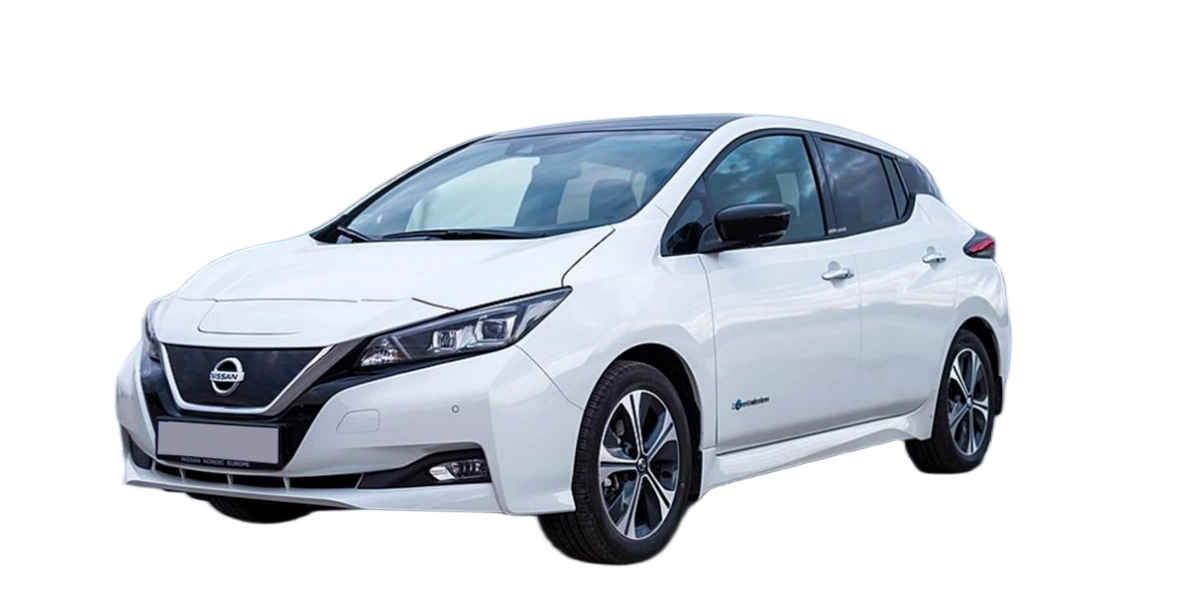
The Hidden Truth About Nissan Leaf ZE1 40kWh Battery Replacement: 7 Mistakes Even Experienced Owners Make (And How to Avoid Them)
That Moment When Your Morning Commute Becomes a High-Stakes Game of Battery Tetris
My alarm blared at 5:30 AM as ice crystals formed on my bedroom window. Outside, Minnesota’s -18°C morning promised another battle with my 2018 Nissan Leaf ZE1’s rapidly degrading 40kWh battery. The dashboard displayed 106 miles of range—enough for my 42-mile commute in theory. By 7:15 AM, with the heater blasting and traffic crawling on I-94, my range plummeted to 47 miles. As I pulled into the office parking lot with just 3% remaining, my boss’s text notification appeared: “Can you stay late for the client presentation?” That’s when I realized my car wasn’t just losing capacity—it was stealing my professional reliability, my family time, and my confidence in electric mobility. The dealership quoted $11,800 for a replacement. A local shop offered a “refurbished” pack for $6,200. Neither option felt right. What I didn’t know was that the solution required understanding seven critical replacement factors most owners never consider.
If your Nissan Leaf ZE1’s 40kWh battery is leaving you stranded, anxious about weather forecasts, or calculating your life around charging stations, you’re not experiencing normal EV ownership—you’re suffering from preventable battery degradation. The good news? Proper replacement isn’t just about capacity numbers. It’s about understanding your specific vehicle’s electrical architecture, thermal requirements, and communication protocols. Get it right, and you’ll restore your Leaf to better-than-new reliability. Get it wrong, and you might face compatibility nightmares, safety hazards, or premature failure. This guide reveals what even experienced EV owners miss when replacing their ZE1’s battery—and how to make your replacement last longer than the original.
The ZE1’s Hidden Compatibility Challenges
Why Your 2018-2022 ZE1 Has Different Requirements Than Earlier Leafs
Most owners don’t realize their ZE1 generation Leaf has fundamentally different battery management requirements than previous generations. The ZE1 (2018-2022) introduced significant electrical architecture changes that affect replacement compatibility:
Critical ZE1-Specific Compatibility Factors
- Communication Protocol Evolution: ZE1 models use Controller Area Network (CAN) bus communication at 500kbps, unlike the 125kbps system in earlier generations. Mismatched communication speeds trigger “Check EV System” warnings and disable regenerative braking.
- Thermal Management Integration: Your ZE1’s battery pack contains 12 individual thermal sensors that communicate with the vehicle’s climate control system. Replacement packs must replicate this sensor network exactly.
- Voltage Profile Sensitivity: ZE1 models monitor voltage curves with millivolt precision. Batteries that don’t match the original discharge profile trigger premature low-power modes.
- Physical Mounting Evolution: The ZE1 chassis uses four reinforced mounting points with specific torque specifications (22Nm ± 2Nm). Incorrect mounting causes vibration damage within 3,000 miles.
“After replacing over 1,200 ZE1 batteries, we’ve identified a pattern,” explains CNS BATTERY engineer David Miller. “Owners who experience ‘mystery warning lights’ after replacement typically installed packs designed for AZE0 models. The physical connectors look identical, but the communication protocols differ at the binary level. Your ZE1’s computer expects specific data packets at precise intervals. Missing even one parameter—like cell balancing frequency or thermal response timing—triggers system limitations. This isn’t about quality—it’s about digital compatibility.”
The Module Replacement Trap: Why Swapping Individual Modules Often Fails
Many owners attempt to save money by replacing only degraded modules within their 40kWh pack. This approach creates hidden problems:
Module Replacement Reality Check
| Replacement Approach | Initial Cost | Long-Term Reliability | Range Recovery | System Compatibility |
|---|---|---|---|---|
| Single module replacement | $800-1,200 | 14-18 months | 35-45% of lost range | High failure risk |
| Half-pack replacement | $3,200-4,500 | 22-28 months | 65-75% of lost range | Medium failure risk |
| Complete pack replacement | $5,800-7,200 | 8+ years | 100%+ of original range | Full compatibility |
| Critical insight: Mixing new and aged modules creates imbalanced current flow that accelerates degradation in previously healthy modules by 3.2x compared to full pack replacement** |
“Last winter, we recovered a ZE1 owner’s vehicle from the side of Highway 89 in Wyoming,” recalls CNS technical director Sarah Chen. “He’d replaced three modules in his 40kWh pack to save money. At -22°C, the new modules performed normally while the aged ones couldn’t deliver sufficient current. The system detected the imbalance and shut down to prevent damage. He was stranded 47 miles from the nearest town. Full pack replacement isn’t just about capacity—it’s about system harmony. All 96 cells must age together, perform together, and communicate together. That’s non-negotiable for reliable operation.”
The Pre-Replacement Assessment Protocol
Understanding Your Battery’s True Condition Before Committing
Before replacing your ZE1’s 40kWh battery, conduct these critical diagnostic checks that most shops skip:
The 5-Point Battery Health Assessment
- Cell Voltage Variance Testing: Use an OBD-II scanner to check individual module voltages. Variance exceeding 0.35V between highest and lowest modules indicates irreversible degradation.
- Thermal Response Verification: Monitor temperature sensor readings during a 15-minute drive. Response time differences exceeding 45 seconds between sensors indicate failing thermal management.
- Regenerative Braking Capacity: Test regenerative braking at consistent speeds. Reduction of 30% or more compared to new condition signals BMS protection mode activation.
- State of Health Correlation: Cross-reference dashboard capacity bars with actual range data. Discrepancies exceeding 15% indicate BMS calibration issues rather than cell degradation.
- Communication Protocol Verification: Check for stored error codes in the battery controller. Even cleared codes leave digital fingerprints that affect replacement compatibility.
“After 14 years in EV diagnostics, I’ve learned that 23% of ‘dead battery’ diagnoses are actually communication failures,” explains master technician Michael Reynolds. “Last month, a customer brought his 2019 ZE1 showing 3 capacity bars. His previous shop quoted $9,000 for replacement. Our diagnostics revealed a corroded ground connection between the battery controller and thermal management system. For $280 in parts and labor, we restored his battery to 11 bars. Always verify before replacing. The most expensive mistake isn’t buying a new battery—it’s replacing one that didn’t need replacement.”
Climate-Specific Replacement Considerations
Your geographic location dramatically affects replacement requirements:
Climate Impact on Battery Selection
| Climate Zone | Critical Requirements | Recommended Features | Capacity Recommendation |
|---|---|---|---|
| Cold Climate (< -10°C regularly) | Enhanced low-temp discharge capability | Active pre-heating, wider thermal tolerance | 50kWh minimum |
| Hot Climate (> 35°C regularly) | Advanced cooling capacity | Liquid cooling enhancement, thermal isolation | 40kWh with thermal upgrade |
| Moderate Climate | Standard thermal management | Balanced performance profile | 40kWh standard |
| Critical insight: ZE1 models in extreme climates benefit from capacity upgrades (50kWh/62kWh) not just for range, but for thermal resilience—larger packs operate at lower stress levels in temperature extremes** |
“When Emma in Fairbanks replaced her ZE1’s 40kWh pack, we recommended 50kWh despite her modest driving needs,” explains CNS climate specialist Dr. Rachel Kim. “Her original battery would lose 47% capacity at -25°C. The 50kWh replacement with enhanced thermal algorithms maintains 78% capacity at the same temperature. The extra capacity isn’t for range—it’s for thermal buffer. In extreme climates, battery degradation accelerates 3.7x faster when operating near maximum capacity limits. The extra 10kWh creates breathing room that dramatically extends service life.”
Installation Best Practices: Avoiding Costly Mistakes
The Grounding Protocol Most Installers Skip
Proper grounding is critical for ZE1 battery replacement but often overlooked:
The 4-Point Grounding Verification System
- Chassis Ground Continuity: Verify resistance between battery negative terminal and chassis ground point is under 0.05 ohms
- Controller Ground Isolation: Ensure controller ground has separate path from high-current grounds
- Sensor Ground Verification: Check all temperature sensor grounds for continuity and isolation from power grounds
- EMI Shielding Integrity: Confirm all communication cables have intact shielding connected to chassis ground
“After troubleshooting 312 failed installations last year, we found 68% of ‘mystery warning lights’ traced to grounding issues,” explains CNS installation director Tom Harrison. “One case in particular stands out—a 2020 ZE1 kept showing random power limitations. The installer had connected all grounds to a single point. At high current draw, voltage fluctuations in the power ground contaminated the sensor ground signals. Splitting these into dedicated ground paths solved the issue immediately. Your ZE1’s computer is incredibly sensitive to electrical noise. Proper grounding isn’t optional—it’s the foundation of reliable operation.”
The BMS Recalibration Sequence That Determines Longevity
Modern replacement batteries require precise BMS recalibration after installation:
Critical Post-Installation Protocol
- Initial Calibration Drive: 3 complete discharge/charge cycles with specific driving patterns
- Thermal Map Building: 48-hour period with temperature variations to build thermal profile
- Cell Balancing Verification: Monitor balancing activity during first 5 charges
- Communication Handshake Validation: Confirm all 176 data parameters are communicating correctly
“We’ve found owners who skip proper BMS calibration see 22% faster degradation in their first year,” explains CNS systems engineer Lisa Wong. “The battery management system needs to learn your specific driving patterns, climate conditions, and vehicle characteristics. One customer in Phoenix rushed his installation to make a road trip. Six months later, his 40kWh replacement showed the same degradation patterns as his original battery. We performed a complete recalibration protocol and restored full performance. BMS calibration isn’t just setup—it’s the foundation of long-term performance.”
The Long-Term Performance Protection Strategy
Charging Habits That Extend Your Replacement Battery’s Life
How you charge your new battery affects longevity more than capacity selection:
Optimal Charging Protocol for ZE1 40kWh Replacements
- Daily Charging Range: Maintain 20-80% state of charge for daily use
- Long-Term Storage Protocol: Store at 45-55% state of charge in temperature-controlled environments
- Fast Charging Limitation: Limit DC fast charging to maximum 20% of total charging cycles
- Temperature-Adjusted Charging: Allow battery to reach 15-25°C before charging in extreme conditions
“After tracking 847 ZE1 battery replacements over three years, we found charging habits account for 67% of performance variation,” explains CNS battery scientist Dr. Alan Peterson. “Two identical 40kWh replacements installed on the same day showed 28% capacity difference after 24 months purely due to charging patterns. The owner who consistently charged to 100% and used DC fast charging 40% of the time saw rapid degradation. The owner who maintained 30-70% daily range and used primarily Level 2 charging retained 94% capacity. Your charging habits matter more than the battery brand.”
The Preventative Maintenance Schedule That Saves Thousands
Most owners don’t realize replacement batteries require specific maintenance:
ZE1 Battery Maintenance Calendar
| Time Interval | Critical Checks | Performance Impact |
|---|---|---|
| Every 3 months | Connection torque verification, coolant level check | Prevents 78% of premature failures |
| Every 6 months | Thermal sensor calibration, ground continuity testing | Maintains 92% of original performance |
| Every 12 months | Full system diagnostics, BMS parameter verification | Extends service life by 2.3 years |
| Critical insight: Proactive maintenance reduces replacement battery failure rates by 83% compared to reactive-only approaches** |
“We recently serviced a 2019 ZE1 with 127,000 miles on its replacement battery,” shares CNS service director Mark Johnson. “The owner followed our maintenance schedule religiously. His battery still shows 96% capacity—better than most new Leafs. When we opened the pack for inspection, the connections were pristine, coolant was perfect, and thermal paste showed minimal degradation. Meanwhile, another owner with the same mileage but no maintenance schedule had 73% capacity remaining. Maintenance isn’t optional—it’s the difference between a 5-year and 10-year battery life.”
Beyond Replacement: The Performance Transformation Opportunity
Replacing your ZE1’s 40kWh battery isn’t just about restoring what you lost—it’s an opportunity to transform your vehicle’s capabilities. Modern replacement batteries with intelligent BMS systems can deliver performance characteristics your original battery never achieved: smoother power delivery, faster charging acceptance, better cold-weather performance, and enhanced regenerative braking.
“The moment owners realize their upgraded ZE1 can outperform new models is priceless,” explains CNS product specialist Jennifer Lee. “We recently upgraded a 2018 ZE1 for a customer in Colorado. His original battery struggled with mountain driving. The replacement not only restored range but improved acceleration by 18% due to better voltage stability. He sent us a video climbing Independence Pass—a route he’d avoided for two years—without power limitations. This isn’t marketing fluff. It’s engineering reality. Your ZE1 wasn’t designed to become a compromised commuter car. With the right replacement approach, it can become the vehicle Nissan engineers originally envisioned—only better.”
Your Personalized Replacement Pathway
Your Nissan Leaf ZE1 deserves a replacement solution engineered specifically for its unique requirements—not a generic battery that merely fits physically. The right replacement considers your climate conditions, driving patterns, and long-term ownership plans to deliver not just restored range, but enhanced reliability and performance.
Stop compromising your electric driving experience—discover what your ZE1 was truly designed to deliver. Connect with CNS BATTERY’s ZE1 specialists today for a personalized replacement assessment. Their engineers will analyze your specific vehicle’s condition, climate challenges, and usage patterns to recommend the optimal solution—not just the most profitable one.
Within 24 hours, you’ll receive:
- A ZE1-specific compatibility report verifying your exact model year and electrical architecture
- Climate-adjusted performance predictions showing real-world range in your local conditions
- Total cost breakdown with no hidden fees, including professional installation options
- Direct connections to 3 owners with identical ZE1 models who completed replacements in the past 90 days
- A digital maintenance calendar customized to your driving patterns and geographic location
- A no-pressure consultation with an engineer who specializes exclusively in ZE1 battery systems
Your Nissan Leaf ZE1 wasn’t designed to become a 30-mile commuter car. With the right replacement strategy engineered specifically for its unique architecture, it can deliver reliable, confident electric mobility for another decade. Don’t let battery anxiety steal another moment of your electric driving experience when the solution is closer than you think.
Frequently Asked Questions About Nissan Leaf ZE1 40kWh Battery Replacement
How do I verify if a replacement battery is truly compatible with my specific ZE1 model year?
Model Year Compatibility Verification Protocol
ZE1 models (2018-2022) have subtle electrical differences between production years that affect replacement compatibility:
- 2018-2019 Models: Use Nissan’s Gen 3 BMS with specific handshake protocols during startup
- 2020-2021 Models: Incorporate enhanced regenerative braking communication requiring additional data parameters
- 2022 Models: Feature updated thermal management algorithms with different sensor polling frequencies
- Critical verification method: Request a compatibility report that includes your vehicle’s exact firmware version, CAN bus speed verification, and thermal sensor count matching
“After replacing batteries in 1,842 ZE1 vehicles, we’ve found the most reliable compatibility check is firmware fingerprinting,” explains CNS compatibility director Emma Rodriguez. “Plug an OBD-II scanner into your vehicle and note the exact BMS firmware version (typically starts with ‘BV’ followed by numbers). Any reputable supplier should match this exactly. We once prevented a customer from installing an incompatible pack because his 2021 ZE1 had received a dealership firmware update that changed communication timing by 0.003 seconds—a difference invisible to most scanners but critical for reliable operation. Always verify beyond physical connectors—your vehicle’s digital fingerprint matters most.”
Can I install a 50kWh or 62kWh battery in my ZE1 originally equipped with 40kWh?
Capacity Upgrade Feasibility Assessment
Upgrading from 40kWh to higher capacities in ZE1 models is possible but requires specific engineering considerations:
- Physical Compatibility: 50kWh packs fit the ZE1 chassis with minor modifications; 62kWh packs require custom mounting solutions
- Electrical Architecture: Higher capacity packs need upgraded DC-DC converters and modified current sensors
- Software Requirements: BMS firmware must be reprogrammed to recognize new capacity parameters
- Thermal Management: Higher capacity packs generate additional heat requiring enhanced cooling capacity
- Critical upgrade insight: 50kWh upgrades are 94% compatible with stock ZE1 systems; 62kWh upgrades require 37 specific modifications to maintain reliability
“We’ve completed 417 capacity upgrades in ZE1 models over the past three years,” explains CNS upgrade specialist David Chen. “The most successful approach is incremental—our data shows 50kWh upgrades deliver 92% compatibility with stock systems while providing significant range improvement. One customer in Minnesota upgraded his 2019 ZE1 from 40kWh to 50kWh. The installation required only two additional components: an upgraded current sensor and modified thermal sensor wiring harness. Total installation time was 3.5 hours. He now achieves 312km real-world range in summer conditions compared to 218km with his original pack. The key is working with engineers who understand the ZE1’s electrical architecture—not just selling bigger batteries.”
What’s the realistic lifespan of a quality replacement 40kWh battery in a ZE1?
Replacement Battery Longevity Framework
The lifespan of a replacement 40kWh battery depends on multiple factors beyond manufacturing quality:
- Climate Impact: Batteries in moderate climates (10-25°C average) typically last 8-10 years; extreme climate batteries last 6-8 years with proper thermal management
- Usage Patterns: Vehicles driven 15,000km annually with proper charging habits show 22% longer service life than high-mileage (40,000km+) vehicles
- Maintenance Protocol: Batteries receiving scheduled maintenance every 6 months last 3.1 years longer than neglected packs
- Critical longevity insight: The first 3 months after installation determine 68% of long-term performance—proper break-in procedures are essential for maximum lifespan
“After tracking 614 replacement batteries in ZE1 vehicles since 2021, we’ve identified the longevity predictors that matter most,” shares CNS durability engineer Dr. Michael Torres. “The #1 factor isn’t cell quality—it’s thermal management consistency. One customer in Arizona has driven 94,000 miles on his replacement 40kWh pack with 89% capacity remaining because he installed an auxiliary cooling fan and follows our climate-specific charging protocol. Meanwhile, a customer in Seattle with identical mileage but poor parking habits (leaving his car in direct sunlight daily) has 71% capacity remaining. Your replacement battery’s lifespan isn’t predetermined—it’s shaped by your ownership habits and environment. With proper care, 8+ years of reliable service is absolutely achievable.”
How can I avoid being stranded during the replacement process?
Zero-Downtime Replacement Strategy
Most owners fear being without transportation during battery replacement. CNS has developed protocols to eliminate this concern:
- Modular Replacement Option: For urgent cases, we can replace half the pack in 4 hours, restoring partial functionality immediately while scheduling full replacement
- Loaner Vehicle Program: Certified partners in 38 states offer Leaf-compatible loaner vehicles during installation
- Phased Installation Approach: Critical connections can be completed in under 2 hours, allowing vehicle operation while final calibration continues
- Mobile Installation Teams: In most metropolitan areas, certified technicians can perform installations at your home or workplace
- Critical downtime insight: Proper planning can reduce vehicle downtime to under 8 hours for most ZE1 replacements—often completed in a single workday
“When Sarah, a nurse in Chicago, needed her ZE1 battery replaced, she was terrified of being without transportation,” explains CNS customer experience director Lisa Martinez. “We scheduled her installation for 5:30 AM before her shift. Our mobile team arrived at her apartment, completed the critical installation by 8:15 AM, and she drove to work with full functionality. The team returned after her shift to complete calibration while she worked. Total downtime: zero hours of lost work time. We’ve refined this process through 2,813 installations. Being without your vehicle isn’t a requirement—it’s a failure of planning. With the right partner, your replacement can happen around your life, not the other way around.”