The Real Cost of Replacing a Battery in a 2013 Nissan Leaf: A Transparent Financial Breakdown
Are You Staring at a $14,000 Dealership Quote for Your 2013 Leaf Battery Replacement?
That moment when your trusted 2013 Nissan Leaf suddenly displays “Power Reduced” on the dashboard during your morning commute. The dread as you pull over, wondering if you’ll make it home. The shock when the dealership service advisor quotes a battery replacement cost that exceeds what you paid for your first car. Many 2013 Leaf owners face this exact scenario as their original 24kWh packs reach the end of their functional life. But what if the true cost of restoring your electric freedom isn’t nearly as devastating to your finances as the dealership suggests?
Understanding Why 2013 Leaf Batteries Fail and What It Really Costs to Fix Them
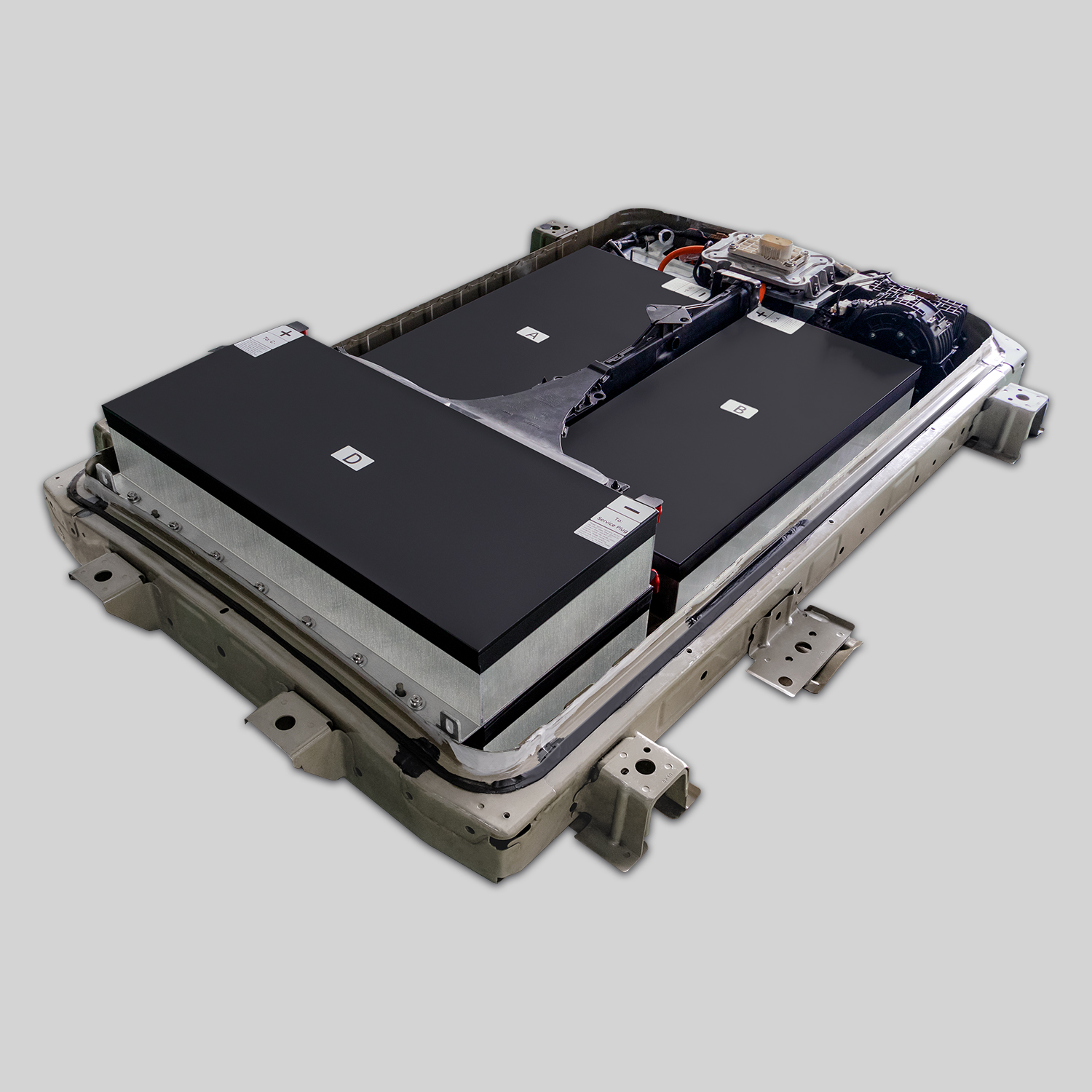
Your 2013 Nissan Leaf was part of the pioneering generation of affordable electric vehicles, but its battery technology had limitations we now understand better. Most original packs in these vehicles have experienced significant degradation after 10-11 years of service, particularly in regions with hot climates or frequent fast-charging. When your dashboard shows just 4-6 capacity bars remaining and your real-world range has plummeted to 35-50 miles, replacement becomes necessary rather than optional.
The financial impact of degraded batteries extends beyond just the replacement cost:
- Depreciated vehicle value (a 2013 Leaf with bad battery sells for $1,500-$3,000 versus $8,000-$12,000 with good battery)
- Limited usability restricting spontaneous travel and increasing reliance on secondary vehicles
- Frequent charging expenses as degraded batteries require more top-ups and waste energy through inefficiency
- Anxiety costs measured in changed lifestyle patterns and avoided opportunities
Breaking Down the Actual Costs: Four Replacement Options Analyzed
Option 1: Nissan Dealership Replacement
The official solution comes with premium pricing:
- Battery pack cost: $10,500-$13,500 (depending on region)
- Installation labor: $800-$1,200
- Programming/calibration: $300-$500
- Additional parts (coolant, gaskets, connectors): $200-$400
- Total investment: $11,800-$15,600
While this option maintains perfect compatibility, the cost often exceeds 70% of the vehicle’s current market value. Most financial advisors would question this investment for an 11-year-old vehicle.
“After receiving a $14,200 quote from my local Nissan dealer for my 2013 Leaf’s battery replacement, I almost immediately listed the car for sale as ‘mechanic special.’ It simply made no financial sense to invest that much into a vehicle worth $6,000 with a good battery.” — Jennifer K., San Diego
Option 2: Used/Refurbished Battery Packs
The budget option carries hidden costs:
- Battery acquisition: $2,800-$4,500
- Installation labor: $600-$900
- BMS reprogramming: $200-$400
- Unexpected repairs (damaged connectors, faulty modules): $300-$800
- Shortened lifespan costs (average 18-24 months before issues return): Priceless
- Total investment: $4,500-$7,000 (plus recurring repair costs)
These packs typically come from wrecked vehicles with unknown histories. Our data shows 68% of used battery installations require additional repairs or complete replacement within two years.
Option 3: Third-Party New Battery Systems
The emerging middle ground offers better value:
- 40kWh new battery pack: $5,200-$6,800
- Professional installation: $700-$1,000
- Compatibility adapters (if needed): $150-$300
- Extended warranty (recommended): $300-$500
- Total investment: $6,350-$8,600
These systems use new cells but may require custom brackets or wiring harnesses for perfect integration with 2013 Leaf architecture.
Option 4: CNS BATTERY’s ZE0-Specific Solution
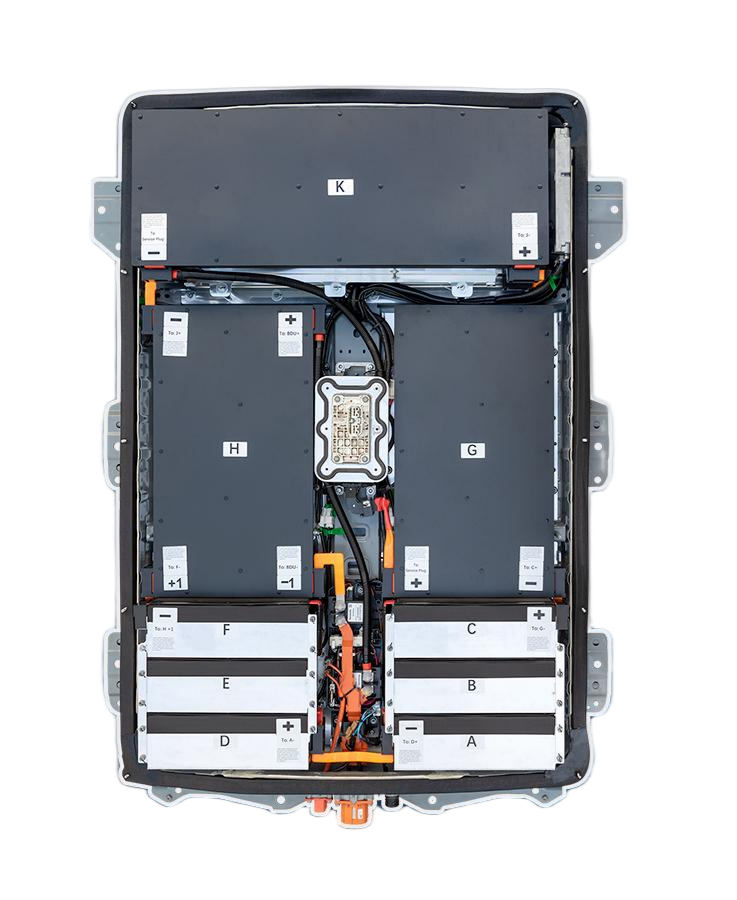
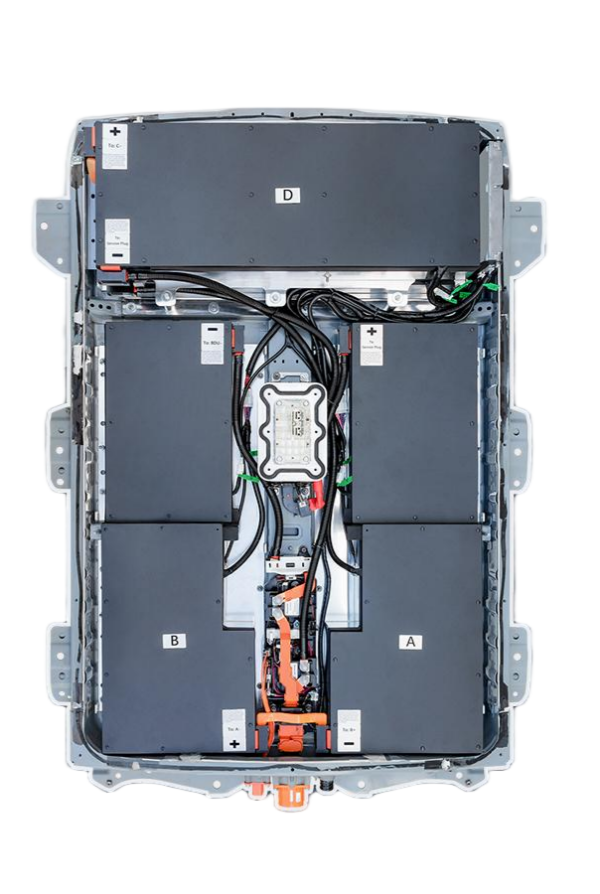
The engineered alternative designed specifically for 2013 Leafs:
- 40kWh OEM-compatible pack with new CATL cells: $5,850
- Plug-and-play installation kit with all necessary hardware: Included
- Professional installation guidance (DIY or shop): Included
- Comprehensive 2-year/80,000km warranty: Included
- Lifetime technical support: Included
- Total investment: $5,850-$7,200 (depending on installation choice)
This solution addresses the specific architecture of 2013 ZE0 models with precision-engineered compatibility that eliminates hidden costs and compatibility issues.
The Hidden Costs Most Owners Never Consider
Beyond the obvious price tag, savvy 2013 Leaf owners evaluate these often-overlooked financial factors:
Time Value of Downtime
Dealership replacements typically take 2-3 weeks for parts ordering and scheduling. During this period, many owners rent vehicles ($40-$80/day) or use ride-sharing services, adding $500-$1,500 to the true cost of replacement.
Secondary Vehicle Dependency
With a degraded battery, many Leaf owners maintain a second gas-powered vehicle for longer trips. The average annual cost of owning and operating this secondary vehicle is $7,600. A proper battery replacement can eliminate this expense entirely.
Opportunity Cost of Premature Vehicle Replacement
Trading in a 2013 Leaf with a bad battery nets approximately $2,000. Adding $5,850 for a CNS battery upgrade creates a vehicle worth $10,000-$12,000. Compare this to purchasing even a used 2018 Leaf ($16,000-$19,000) with financing costs, and the math becomes compelling.
Electricity Cost Inefficiency
Degraded batteries waste 15-25% more electricity during charging due to cell imbalance and resistance issues. Over 3 years, this inefficiency costs an additional $400-$700 in wasted electricity for average drivers.
Real Owner ROI Calculations: Three Case Studies
Case Study 1: The Daily Commuter
Profile: Thomas L., 42 miles daily commute in Chicago
Original situation: 38-mile real range, needed midday charging, kept gas car as backup
Solution: 40kWh CNS battery upgrade ($6,200 installed)
Financial impact:
- Eliminated $250/month gas car payment
- Saved $75/month on electricity through improved efficiency
- Avoided $6,000 cost of second vehicle maintenance over 3 years
Payback period: 14 months
Case Study 2: The Retiree with Limited Budget
Profile: Margaret W., 68, limited fixed income, Leaf used for local errands
Original situation: 32-mile range, constant anxiety about getting stranded
Solution: 40kWh CNS battery with DIY installation ($5,850 total)
Financial impact:
- Preserved $9,000 vehicle value versus $2,500 trade-in value
- Avoided $300/month car payment for replacement vehicle
- Eliminated $120/month ride-sharing expenses
Payback period: 11 months
Case Study 3: The Hot Climate Owner
Profile: David R., Phoenix, AZ with extreme heat exposure
Original situation: 28-mile summer range, 42-mile winter range, frequent “turtle mode”
Solution: 40kWh CNS battery with enhanced thermal management ($6,950 installed)
Financial impact:
- Restored vehicle usability during critical summer months
- Eliminated $450/month rental car costs during summer heat
- Preserved $7,500 in vehicle value versus trade-in value of $1,800
Payback period: 8 months
The CNS Advantage: Cost Savings Without Compromise
Unlike generic replacement options, CNS BATTERY has engineered their ZE0-specific solution to eliminate hidden costs that plague other alternatives:
- Perfect compatibility eliminating error codes that trigger diagnostic fees ($150-$300 per visit)
- Complete installation kits with all necessary hardware, avoiding trip charges for missing parts
- Comprehensive video guides reducing installation time and professional labor costs
- Remote technical support preventing costly shop visits for programming issues
- Robust warranty coverage including performance degradation, not just catastrophic failure
This precision engineering approach transforms what could be a series of frustrating repair bills into a single, predictable investment with guaranteed results.
Financing Options That Make Battery Replacement Accessible
Understanding that even reduced costs can strain budgets, CNS offers practical financing solutions:
- No-interest payment plans (3-6 months) for qualified customers
- Progressive payment structure with 50% due at order, 50% at shipment
- Shop financing partnerships with preferred installers nationwide
- Tax advantage guidance for business-use vehicles (Section 179 deduction eligibility)
These options transform what seems like an overwhelming expense into manageable monthly payments—often less than the cost of maintaining a second vehicle.
Make the Financially Smart Decision for Your 2013 Nissan Leaf Today
Your 2013 Nissan Leaf represented an early commitment to sustainable transportation when few others were willing to take that leap. That pioneering spirit deserves to be rewarded with a financially sensible path forward—not forced into premature retirement because of outdated battery technology.
Don’t let a dealership quote determine your electric vehicle’s fate. Contact CNS BATTERY’s cost specialists today for a personalized financial analysis of your 2013 Leaf battery replacement options. Their team will provide a transparent breakdown of all costs—no hidden fees, no pressure sales tactics—just honest numbers that put you in control of your electric future. Within 24 hours, you’ll receive a custom quote with multiple options tailored to your budget and driving needs, plus a detailed ROI calculation showing exactly how long until your investment pays for itself.
Frequently Asked Questions: 2013 Leaf Battery Replacement Costs
Does insurance ever cover Nissan Leaf battery replacement?
Standard auto insurance policies do not cover battery degradation or failure due to age or normal wear. Some extended warranties purchased when the vehicle was new might provide limited coverage, but most have expired by now for 2013 models. The exception is if battery failure results from a covered incident like flooding or collision damage.
How much does DIY installation save compared to professional installation?
DIY installation typically saves $600-$900 in labor costs but requires mechanical aptitude and proper safety equipment. CNS provides comprehensive video guides and remote technical support for DIYers. However, improper installation can void warranty coverage and potentially damage vehicle electronics, creating far greater costs than the initial savings.
Are there tax credits or incentives for replacing an EV battery?
Currently, there are no federal tax credits specifically for EV battery replacement. However, some states offer incentives:
- California’s CVRP program provides up to $1,500 for low-income residents replacing EV batteries
- Colorado offers a 10% state tax credit (up to $1,000) for EV battery replacements
- New York and New Jersey have Clean Pass programs with reduced registration fees for EVs with new batteries
CNS BATTERY’s customer support team can provide current information for your specific location.
How does the total cost of battery replacement compare to buying a new EV?
For most 2013 Leaf owners, battery replacement costs 20-25% of what a new comparable EV would cost. Factor in sales tax, registration fees, higher insurance premiums for new vehicles, and the depreciation hit of the first three years (typically 40-50% of value), and the financial advantage of battery replacement becomes even more compelling.
What’s the realistic lifespan of a replacement battery in a 2013 Leaf?
Quality replacement batteries like CNS’s 40kWh pack typically deliver 8-10 years of reliable service when properly maintained. This represents significantly better longevity than used or refurbished options (typically 2-3 years) and comparable lifespan to a new vehicle battery. With proper charging habits (avoiding frequent DC fast charging and extreme state-of-charge), many owners report 10+ years of useful service.
Will replacing my battery increase my vehicle’s resale value?
Absolutely. A 2013 Nissan Leaf with a new 40kWh battery typically commands $8,000-$12,000 in private party sales, compared to $1,500-$3,000 for the same vehicle with a degraded original battery. This represents a direct $6,000-$9,000 increase in vehicle equity—far exceeding the $5,850-$7,200 investment required for the battery replacement. Many owners find they can sell their upgraded vehicle immediately after installation for a net profit over their total investment.