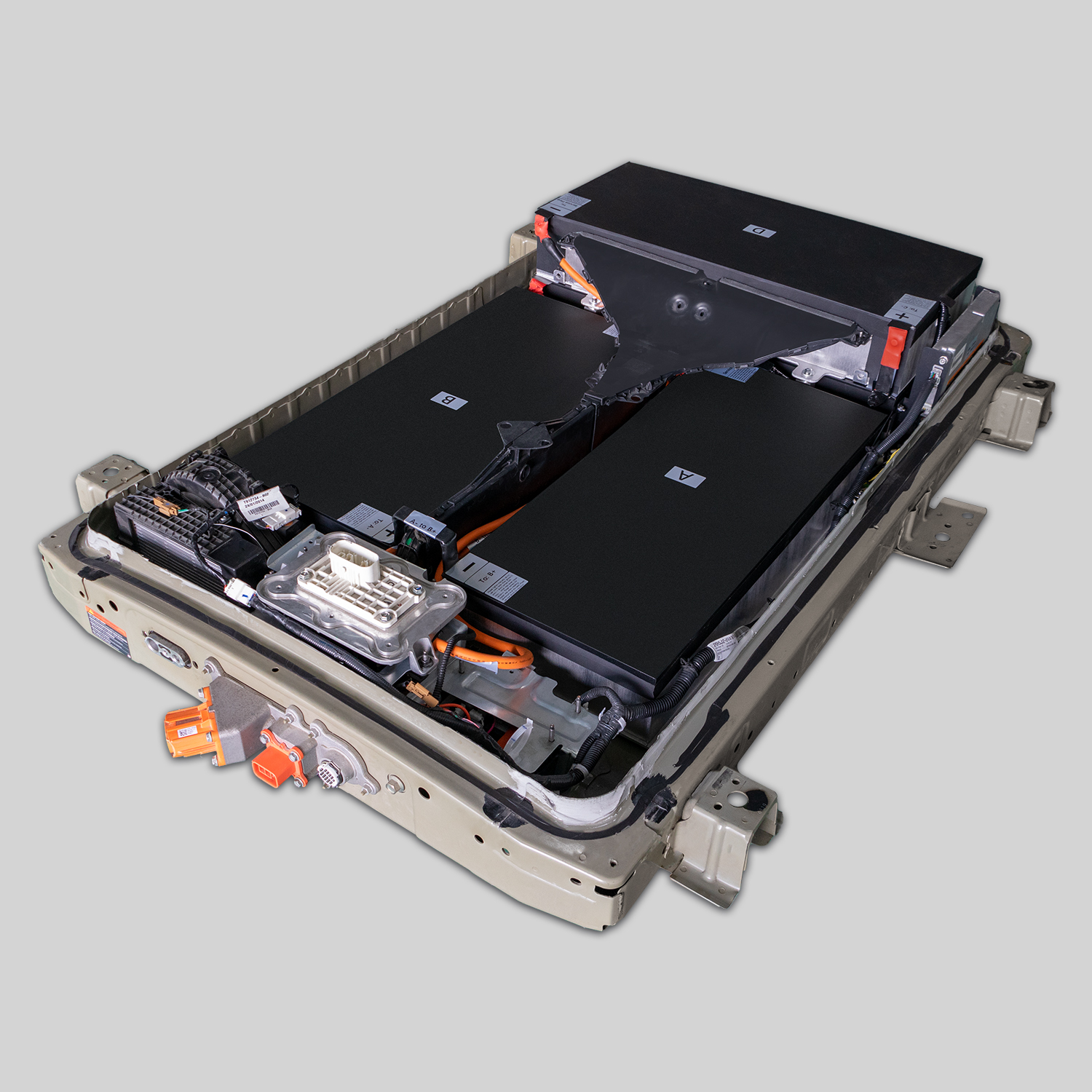
Best BMW i3 Battery Health Monitor Apps in 2026: Track Real Degradation—Not Just Guesswork
You check your dashboard every morning. Twelve bars… eleven… now ten. But what does that really mean? Is your BMW i3 battery at 85% health—or closer to 70%? And how much range have you actually lost?
Unfortunately, BMW’s built-in bar display is vague, non-linear, and often delayed. By the time you see “9 bars,” your pack may have already lost 30% of its original capacity.
The good news? In 2026, a new generation of battery health monitoring apps gives i3 owners unprecedented insight into real cell performance—without dealer tools or guesswork.
But not all apps are equal. Some show misleading data. Others can’t access deep BMS metrics. And a few might even risk your car’s systems.
As CNS BATTERY engineers who analyze hundreds of i3 packs monthly, we’ve tested every major app on the market. Here’s our unbiased guide to the best—and safest—tools to monitor your battery’s true health in 2026.
Why Generic “EV Apps” Fail for the BMW i3
Many popular EV apps (like A Better Routeplanner or PlugShare) focus on charging and navigation—not battery diagnostics. Even some OBD2-connected tools only read surface-level data from the KOMBI cluster, not the actual Battery Management System (BMS).
For accurate health tracking, you need access to:
- Individual module voltages
- State of Health (SoH) percentage
- Cell temperature distribution
- Charge/discharge energy logs
Only apps that communicate directly with the SME (Storage Module Electronics)—the i3’s true BMS—can deliver this.
Top 3 BMW i3 Battery Health Apps That Actually Work in 2026
🥇 1. BimmerLink (iOS/Android) – Best for Daily Monitoring
- What it shows: Real-time SoH %, individual module voltages, coolant temp, charge curves
- Hardware needed: OBD2 adapter with Ethernet support (e.g., OBDLink EX or Vgate iCar Pro WiFi)
- Why it stands out: Pulls live data from the SME module—not just the dashboard. Shows exact kWh remaining vs. original capacity.
- Limitation: Cannot clear codes or perform active tests—but perfect for trend tracking.
✅ Pro Tip: Use BimmerLink weekly to log SoH. A drop of >1% per month signals accelerated degradation.
🥈 2. Carly for BMW (iOS/Android) – Best All-in-One Diagnostics
- What it shows: SoH, error memory, HV system status, plus full vehicle health
- Hardware needed: Carly-compatible Bluetooth OBD2 (sold with subscription)
- Why it stands out: User-friendly interface with degradation alerts and historical graphs. Great for non-technical owners.
- Limitation: SoH data is estimated unless you enable “Expert Mode” and connect to SME.
🥉 3. ISTA Mobile (via BimmerGeeks Toolkit) – Best for Deep Diagnostics
- What it shows: Raw BMS logs, insulation resistance, cell balancing status, thermal maps
- Hardware needed: ENET cable + laptop (not phone-friendly)
- Why it stands out: Dealer-level accuracy. Used by professional EV shops to validate pack health before/after replacement.
- Limitation: Steep learning curve; best for tech-savvy users or installers.
⚠️ Avoid: Apps like Torque Pro or generic OBD2 scanners—they cannot access SME data and often display inaccurate “state of charge” based on voltage alone.
How to Interpret Your Battery Health Data
Don’t just watch numbers—understand what they mean:
- SoH ≥ 90%: Healthy pack. Normal aging.
- SoH 80–89%: Noticeable range loss. Plan for future replacement.
- SoH ≤ 79%: High risk of fault codes, power reduction, or sudden shutdowns.
- Module voltage spread > 0.3V: Imbalance likely causing premature cutoffs.
Real insight: Javier R. from Paris used BimmerLink to track his 2017 i3’s SoH dropping from 88% to 76% in 10 months. He upgraded to a CNS 68kWh pack before getting stranded—saving himself a roadside emergency.
When Monitoring Isn’t Enough—And Replacement Is the Smart Move
Apps help you see the problem, but they can’t fix degraded cells. If your SoH is below 80%, no software tweak will restore lost range or prevent thermal stress.
That’s where a new CNS BATTERY pack changes everything:
- Brand-new CATL cells = 100% SoH from day one
- Calibrated BMS = accurate, transparent health reporting
- 2-year / 80,000 km warranty = peace of mind beyond data
Plus, our packs are designed to work flawlessly with all major monitoring apps—so you’ll always know your true status.
Don’t Fly Blind—Know Your Battery’s Real Condition
In 2026, you don’t need a dealership to understand your i3’s battery health. With the right app and adapter, you get real-time, actionable insights—so you can drive confidently or upgrade proactively.
But remember: data is only useful if you act on it wisely.
Want Help Interpreting Your i3’s Battery Data?
Send us a screenshot of your SoH reading or module voltages. Our engineers will tell you whether your pack is stable—or if it’s time to consider a reliable, future-proof replacement.
👉 Contact CNS BATTERY Technical Support
FAQ: BMW i3 Battery Health Monitoring in 2026
Q: Do I need a special OBD2 adapter for the i3?
A: Yes. The i3 uses Ethernet-based diagnostics (ENET), not standard CAN. You need an adapter like OBDLink EX, Vgate iCar Pro (WiFi version), or BimmerGeeks ENET cable.
Q: Can these apps damage my car?
A: No—if used in read-only mode. Never allow apps to “write” or “code” unless you’re certain of the function. BimmerLink and Carly are safe for monitoring.
Q: Why doesn’t my i3 show SoH on the dashboard?
A: BMW intentionally hides precise SoH to avoid customer anxiety. Third-party apps bypass this limitation by accessing raw BMS data.
Q: How often should I check battery health?
A: Monthly for cars under 5 years old; weekly for 2014–2018 models or any pack showing <11 bars.
Q: Will a CNS battery work with these apps?
A: Absolutely. Our packs broadcast full SoH, module voltages, and temperature data—just like OEM—so your monitoring experience remains seamless.