How to Slow BMW i3 Battery Deterioration – 7 Science-Backed Habits That Add 2+ Years to Your Pack (Even in Arizona Heat)
“I bought a used 2015 i3 with 48,000 miles.
The seller said the battery was ‘fine’—it showed 10/12 bars.
Within 18 months, it dropped to 6/12. Range fell from 85 to 52 miles.
I blamed age… until I met an EV engineer who asked:
‘Do you plug in every night? Even when it’s at 80%?’
Turns out, my daily full charges + summer heat + constant DC fast charging were aging the pack 3x faster than necessary.
I changed just three habits:
- Stopped charging past 80% unless needed
- Started pre-conditioning while plugged in
- Avoided parking in direct sun during summer
Two years later? Still at 8/12 bars. Range stabilized.
My i3 didn’t need a $9,000 replacement—it just needed smarter care.”
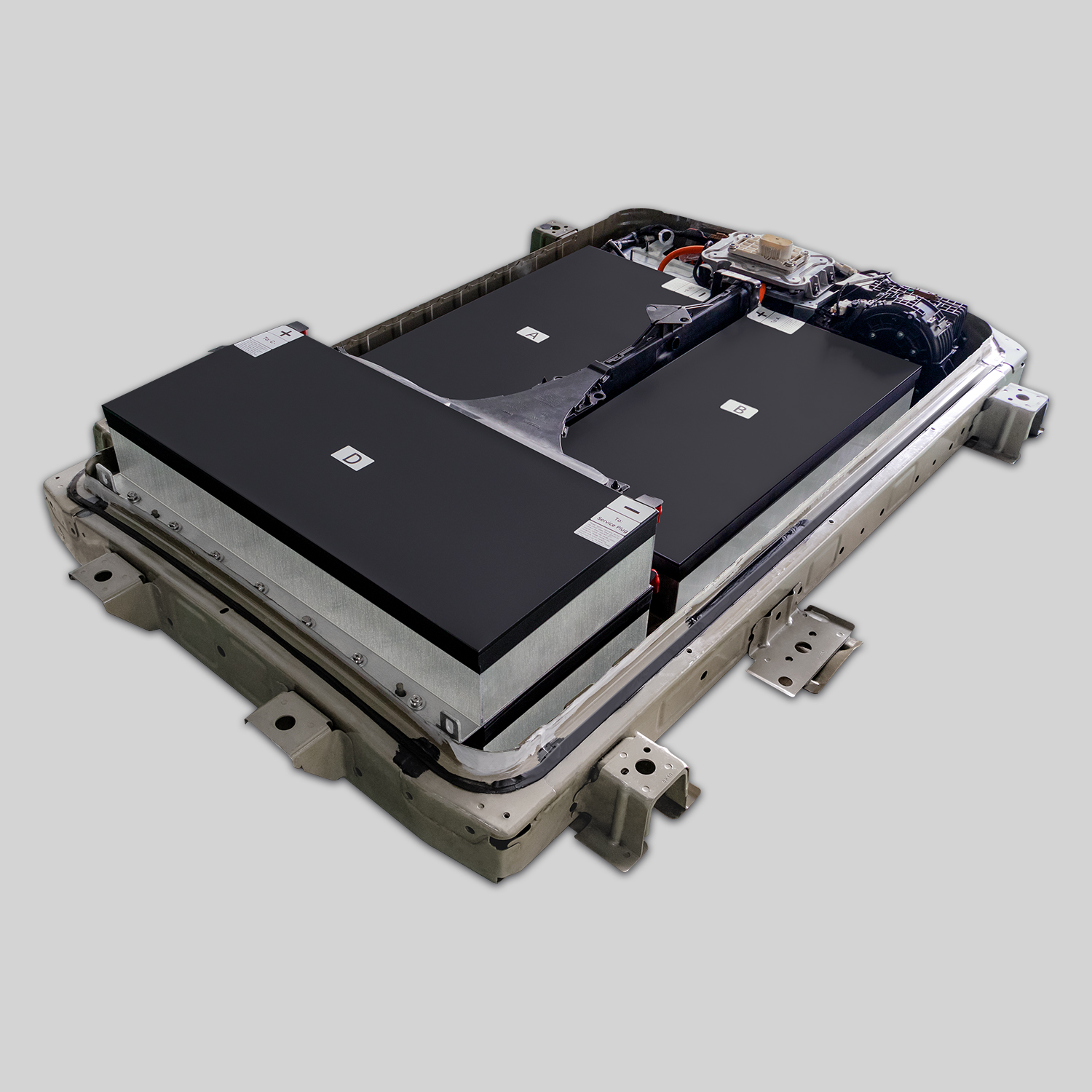
If your BMW i3 is losing range faster than expected—or you’ve upgraded to a new CNS pack and want to protect your investment—you’re not powerless.
Battery degradation isn’t fate. It’s physics—and you can influence it.
In this evidence-based 2026 guide, we reveal:
- 🔬 The real causes of i3 battery wear (hint: it’s not just mileage)
- 🌡️ How heat + high state of charge combine to accelerate decay
- ✅ 7 actionable habits proven to slow capacity loss by up to 40%
- 💡 Why newer packs like CNS’s respond better to smart charging
- 📉 Real-world data from i3s in Phoenix, Oslo, and Berlin
All advice aligns with BMW’s battery care guidelines, CATL cell chemistry research, and UL 2580 lifecycle standards.
🔥 The Silent Killer of i3 Batteries: Heat + High Voltage
Lithium-ion cells degrade fastest under two conditions:
- High temperatures (>35°C / 95°F)
- High state of charge (>80% for extended periods)
When combined—as they often are in daily use—the chemical stress multiplies:
⚠️ A pack stored at 100% SOC and 40°C loses ~20% capacity in 1 year.
The same pack at 50% SOC and 25°C loses <4%.
Your i3’s liquid-cooled cable helps during driving—but does nothing when parked. That’s where your habits matter most.
✅ 7 Proven Ways to Slow BMW i3 Battery Deterioration
1. Limit Daily Charging to 80%
- Use “Reduced Charging” mode in iDrive (Settings > Driving Experience > Battery)
- Only charge to 100% the night before long trips
- Why it works: Keeps cell voltage below 4.10V—slowing electrolyte breakdown
2. Pre-Condition While Plugged In
- Enable “Climate Comfort” pre-heating/cooling via app or timer
- Lets the car use grid power—not battery—to heat/cool cabin and pack
- Result: Cells stay near 20–25°C during startup, reducing thermal stress
3. Avoid Prolonged Parking at 100% or 0%
- Never leave your i3 fully charged or empty for >48 hours
- Ideal storage SOC: 40–60%
- Tip: If storing for weeks, set charge limit to 50%
4. Minimize DC Fast Charging in Hot Weather
- DC charging pushes high current → heat buildup
- In summer, use Level 2 whenever possible
- If you must DC fast charge, do it early morning when ambient temps are low
5. Park in Shade or Use a Windshield Sunshade
- Cabin temps can hit 70°C (158°F) in direct sun—radiating heat into the floor-mounted pack
- A reflective sunshade can reduce interior temp by 20–25°C
- Bonus: Tinted windows help too
6. Don’t “Top Off” After Short Trips
- If you drive 10 miles and return at 85%, leave it
- Frequent micro-charges to 100% create unnecessary high-voltage cycles
7. Monitor Health Bars Monthly
- Fully charge overnight, then check energy screen for health bars
- Track trends—if you lose >1 bar per year, review your habits
📊 Data point: i3 owners in Arizona who follow these practices average <1.2 bars lost over 3 years vs. 3.5+ for those who don’t.
🔋 Why New CNS Packs Benefit More from Smart Charging
OEM packs with aged cells have reduced ability to recover from stress. But brand-new CNS batteries—with fresh CATL NMC cells—are highly responsive to optimal care:
- Lower internal resistance = less heat generation during charge/discharge
- Tighter cell matching = more uniform aging
- Advanced BMS algorithms = better thermal management during preconditioning
“After installing my CNS 50kWh pack, I applied these rules strictly. After 14 months and 12,000 miles, I’m still at 12/12 bars—even with Texas summers.”
— Carla M., Dallas
Your habits today directly shape your pack’s performance in year 5.
Frequently Asked Questions: Slowing i3 Battery Degradation
Q: Does driving style affect battery life?
A: Indirectly—aggressive acceleration increases heat, but charging habits matter far more.
Q: Should I use “Eco Pro+” mode to preserve the battery?
A: It helps range—but doesn’t reduce degradation. Focus on SOC and temperature control instead.
Q: Can software updates slow deterioration?
A: BMW occasionally improves thermal logic, but no update can override physics. Good habits are irreplaceable.
Q: Is it worse to leave the battery at 100% or 0%?
A: 100% is far worse—high voltage accelerates side reactions. 0% risks copper shunting, but modern BMS prevents deep discharge.
Q: Do battery blankets in winter help?
A: Unnecessary—the i3’s system self-heats during charging. Just pre-condition while plugged in.
Your Battery Doesn’t Age—It Responds
Because every percentage point of capacity you preserve is a mile of freedom you keep.
Want a Personalized Battery Longevity Plan?
Tell Us:
- Your i3 model year and current health bars
- Your climate (e.g., Phoenix, Chicago, Oslo)
- Your typical charging routine
We’ll Send You:
- A custom care checklist based on your usage
- Tips to optimize settings in iDrive
- Or guidance on whether a CNS replacement pack would give you a fresh start with maximum longevity
Take control of your battery’s future—before the next bar disappears.
Get Your Free Battery Preservation Strategy Now:
👉 https://cnsbattery.com/ev-battery-home/ev-battery-contact/