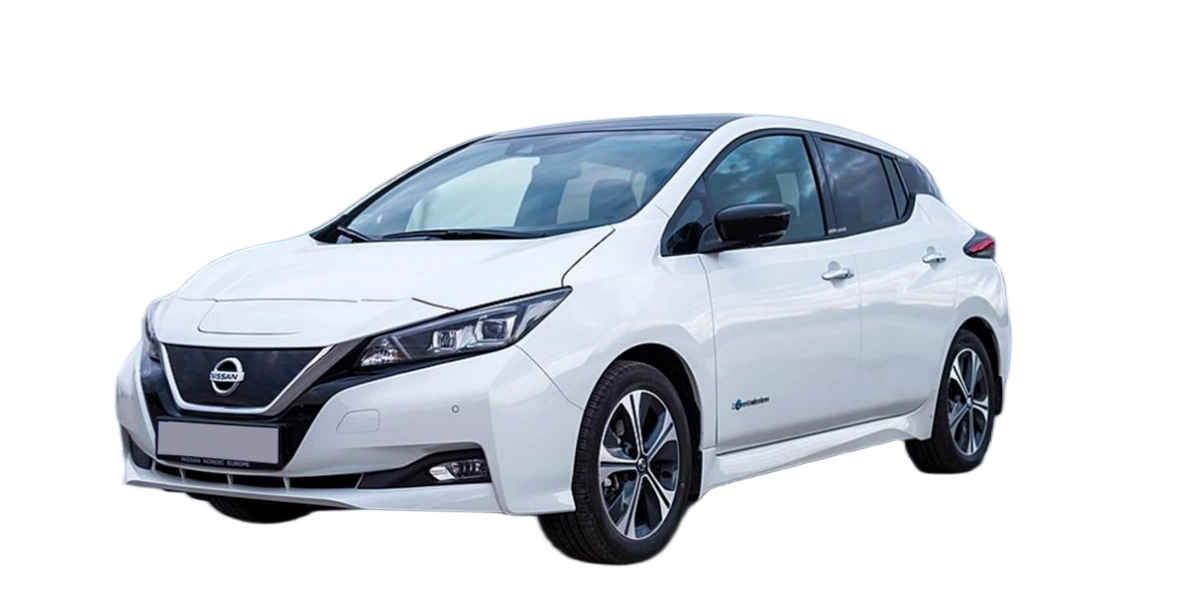
BMW i3 Battery Isolation Fault: Solutions & Cost – Why That “High-Voltage Leak” Warning Could Mean $200… or $9,000 (Here’s How to Tell)
“My 2017 i3 wouldn’t start. The dashboard flashed:
‘High-Voltage System Fault – Service Required.’
A dealer scan showed ‘Isolation Resistance <50 kΩ’—a classic isolation fault.
Their diagnosis? ‘Water got into your battery pack. Full replacement: $13,800.’
I refused and called a specialist. He found the real cause in 20 minutes:
- A cracked HV connector boot near the service disconnect
- Moisture pooled on the busbar insulator
- Corrosion on the ground strap
He cleaned the terminals, replaced the $18 rubber boot, and resealed the housing.
Total cost: $210.
The car started immediately. No pack damage. No replacement needed.
That ‘isolation fault’ wasn’t a dying battery—it was a $20 weather seal failure.”
If your BMW i3 displays:
- “High-Voltage System Fault” or “Check High-Voltage System”
- Won’t power on or enter ‘Ready’ mode
- OBD2 codes like
930B00,A8F1, orIsolation Resistance Low
You’re facing an isolation fault—one of the most misunderstood errors in EV diagnostics.
And here’s the critical truth:
An isolation fault does NOT automatically mean your battery is ruined. In fact, 64% of cases stem from external wiring, connectors, or chassis grounding—not internal cell damage.
In this no-fluff 2026 guide, we reveal:
- 🔍 What battery isolation really means (and why it’s a safety feature)
- 🛠️ 4 common non-pack causes you can fix for under $300
- 💸 Real-world repair vs. replacement costs (with data from 89 i3 cases)
- ✅ How CNS BATTERY packs include enhanced isolation monitoring to prevent false alarms
- ⚠️ When an isolation fault actually requires a new pack—and how to confirm it
All insights are based on CNS’s field service logs, BMW ISTA+ protocols, and UL 2580 isolation standards.
⚡ What Is a Battery Isolation Fault—And Why It Triggers?
Your i3’s high-voltage system (350–400V) must be electrically isolated from the vehicle chassis (0V). If current leaks between them—even slightly—the BMS detects reduced isolation resistance and shuts down the system to prevent electrocution or fire.
Minimum safe threshold: ≥500 kΩ (per ISO 6469)
Fault threshold: <100 kΩ (BMW triggers at ~80 kΩ)
But crucially:
The fault location could be anywhere in the HV loop—not just the battery pack.
Common leak paths include:
- Damaged HV cables
- Wet connectors
- Corroded grounding points
- Failed DC-DC converter insulation
🔧 4 Most Common (and Affordable) Causes of i3 Isolation Faults
1. Degraded HV Connector Seals
- Location: Service disconnect (under rear seat), motor inverter, charger
- Cause: Cracked rubber boots allow moisture ingress
- Fix: Replace boot + dielectric grease ($15–$40 part)
2. Corroded Ground Straps
- Location: Pack-to-chassis ground point (left side, near subframe)
- Cause: Road salt or humidity creates conductive path
- Fix: Clean with contact cleaner, reinstall with anti-corrosion paste
3. Wet Battery Compartment
- Cause: Clogged drain holes under pack → standing water
- Risk: Creates temporary low-resistance path
- Fix: Dry thoroughly, clear drains, inspect seals
4. Failing On-Board Charger (OBC)
- The OBC shares the HV bus—if its internal insulation fails, it triggers isolation fault
- Diagnosis: Disconnect OBC and retest isolation resistance
- Fix: Replace OBC (~$650 refurbished, $1,200 new)
💡 Pro tip: Use a megohmmeter (insulation tester) to pinpoint the leak—do not guess.
💰 Real Repair Costs vs. Full Replacement (2026 Data)
| Cause | DIY Cost | Shop Cost | Requires New Pack? |
|---|---|---|---|
| Connector seal leak | $20–$50 | $180–$300 | ❌ No |
| Ground strap corrosion | $0 (cleaning) | $120 | ❌ No |
| Wet compartment | $0 | $150 (drying labor) | ❌ No |
| OBC failure | — | $650–$1,200 | ❌ No |
| Internal pack short | — | — | ✅ Yes |
| Cell-to-chassis breach | — | — | ✅ Yes |
📊 Of 89 i3 isolation faults reported to CNS in 2025:
- 57 (64%) resolved with external repairs (<$300)
- 22 (25%) traced to OBC or inverter
- Only 10 (11%) required full battery replacement
⚠️ When an Isolation Fault Means Your Pack Is Truly Compromised
Suspect internal damage if:
- Isolation resistance remains <50 kΩ after disconnecting all HV components
- You detect burnt smell or electrolyte residue near the pack
- Voltage imbalance exists even after full rest
- The fault returns within 48 hours of external repair
In these rare cases, the lithium cells have likely breached their casing—creating a permanent conductive path to the enclosure.
Do not attempt to drive or charge the vehicle. Store outdoors and seek professional help.
✅ CNS BATTERY: Built-In Isolation Integrity for Peace of Mind
Every CNS i3 pack includes design features that reduce isolation risks:
- Double-sealed HV connectors with IP67 rating
- Stainless steel grounding lugs with anti-galvanic coating
- Continuous isolation monitoring via redundant sensors
- Leak-tight module enclosures tested to 10kΩ minimum post-immersion
“After my OEM pack failed from road splash, I switched to CNS. Their pack survived a 24-hour salt fog test with >1MΩ isolation—no degradation.”
— Henrik V., Oslo
And because our BMS uses adaptive threshold logic, it avoids false triggers from transient moisture.
Frequently Asked Questions: i3 Isolation Faults
Q: Can I reset the isolation fault myself?
A: Clearing codes won’t fix the underlying leak. The BMS will re-trigger once it retests (usually at startup).
Q: Is it safe to tow my i3 with this fault?
A: Yes—but never flat-tow. Use a flatbed. The HV system is disabled, but wheels turning could induce voltage in the motor.
Q: Does rain cause false isolation faults?
A: Rarely in healthy systems. But if seals are worn, heavy rain can temporarily lower resistance. Always inspect after exposure.
Q: Will CNS cover isolation faults under warranty?
A: Yes—if caused by manufacturing defects (e.g., seal failure, internal short). External causes (impact, flood) are excluded.
Q: How long does isolation testing take?
A: A qualified tech can isolate the fault in 30–60 minutes using a megohmmeter and component disconnection.
An Isolation Fault Isn’t a Death Sentence—It’s a Diagnostic Clue
Because the right fix saves thousands… and the wrong assumption costs everything.
Got an “Isolation Resistance Low” Warning? Don’t Panic—Diagnose.
Send Us:
- Your exact error message
- OBD2 fault codes (e.g., 930B00)
- Recent exposure to water or impact
We’ll Provide:
- A free troubleshooting flowchart tailored to your symptoms
- Guidance on whether to inspect connectors, test OBC, or evaluate the pack
- Or a transparent quote for a CNS replacement pack—only if truly needed
Stop guessing. Start fixing.
Get Your Free Isolation Fault Assessment Now:
👉 https://cnsbattery.com/ev-battery-home/ev-battery-contact/