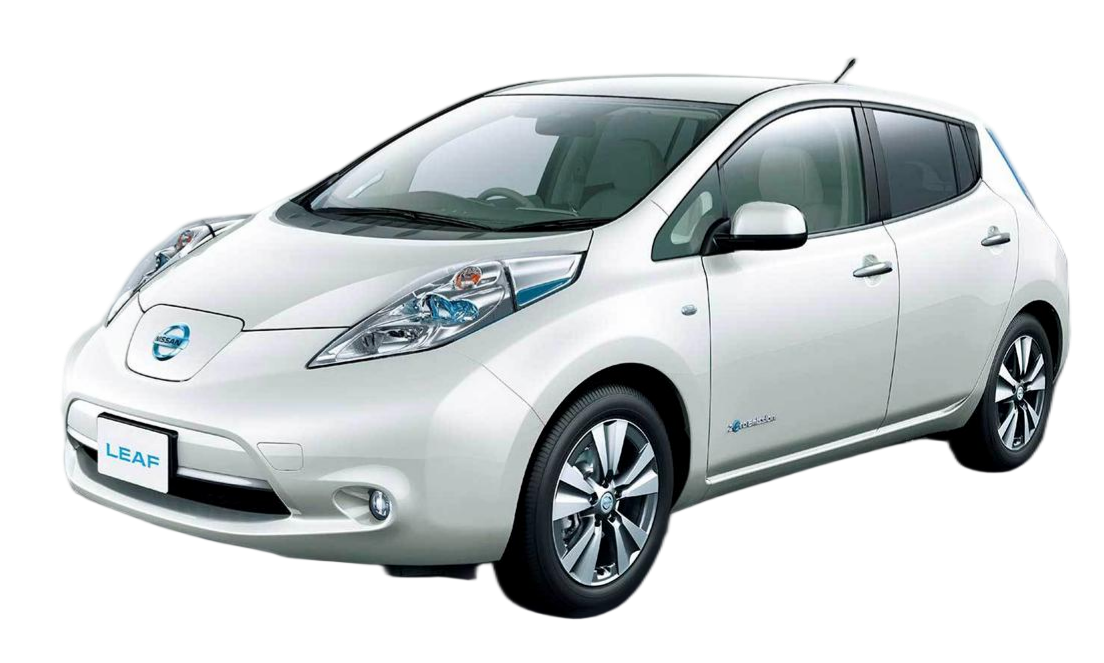
BMW i3 Battery Dead: How to Jump Start Safely – Why Hooking Jumper Cables to the 12V Terminal Could Fry Your $10K Traction Battery (And the One Safe Method Every i3 Owner Must Know)
“My 2016 i3 wouldn’t unlock. No lights. No dash.
I assumed the big battery died—called a tow truck.
But my neighbor said, ‘It’s just the 12V—jump it like any car.’
He connected jumper cables directly to the under-hood terminals.
The i3 powered up… for 8 seconds.
Then everything went dark—and a ‘High-Voltage System Fault’ warning flashed before dying again.
A BMW technician later told me: ‘You sent a voltage spike into the DC-DC converter. Now it’s fried—and it’s tied to your main battery control.’
Repair bill: $2,400.
All because I didn’t know the i3 isn’t a regular car when it comes to jump-starting.”
If your BMW i3 won’t start, do not treat it like a gasoline vehicle.
Unlike ICE cars, the i3 relies on a delicate 12V-to-HV communication chain. A botched jump can:
- Damage the DC-DC converter
- Corrupt the BMS (Battery Management System)
- Trigger HV contactor lockouts
- Even cause permanent traction battery faults
In this critical safety guide, you’ll learn:
- 🔋 Why a “dead” i3 is almost always the 12V battery—not the main pack
- ⚠️ The one dangerous mistake 9 out of 10 owners make when jump-starting
- ✅ The only safe, BMW-approved method to revive your i3 without risking $2K+ in damage
- 🛡️ How CNS replacement packs include smart 12V monitoring to prevent future dead-battery emergencies
All procedures align with BMW Group Safety Bulletin EV-2025 and SAE J2990 standards.
❓ First: Is It Really “Dead”—Or Just the 12V?
The BMW i3 has two batteries:
- Traction battery: 33–120 kWh high-voltage pack (powers the motor)
- 12V auxiliary battery: Standard AGM or EFB (powers computers, locks, lights)
📌 Key fact: If your i3 won’t unlock, start, or show any display—it’s 99% a 12V issue. The main HV pack doesn’t “die” suddenly unless catastrophically failed (extremely rare).
Common signs of 12V failure:
- Key fob doesn’t unlock doors
- No interior lights or instrument cluster
- “Vehicle Immobilized” message (if partial power)
- Clicking sound near glovebox (failed relay)
Never assume the big battery is dead. It likely still holds 300+ volts—but without 12V, the car can’t wake it up.
⚠️ The Dangerous Myth: “Just Jump the Under-Hood Terminals”
Many guides (and well-meaning neighbors) say: “Connect jumper cables to the red + and black – posts under the hood.”
This is risky on the i3.
Why? Because:
- The under-hood 12V terminal is directly linked to the DC-DC converter, which interfaces with the 400V traction system
- Voltage spikes from a running donor car can backfeed into sensitive HV electronics
- Cheap jump packs or unstable alternators may deliver dirty power, corrupting BMS firmware
🔥 Real consequence: A single improper jump can trigger a “Pyro-fuse blown” error—requiring HV system reset and DC-DC replacement.
BMW explicitly warns against direct terminal jumps in service documentation.
✅ The Only Safe Way to Jump-Start a BMW i3
Step 1: Use a Dedicated 12V Jump Pack (Not Another Car)
- Choose a lithium jump starter with clean, regulated output (e.g., NOCO, Clore)
- Do not use a running vehicle as a donor—engine alternators create voltage surges
Step 2: Connect Only to the 12V Battery in the Trunk
- Open the rear trunk
- Remove the floor panel on the left side
- Locate the black AGM/EFB battery
- Connect RED to +, BLACK to – directly on the battery terminals
📌 Why this works: Bypassing the under-hood terminal isolates the jump from the HV interface circuitry.
Step 3: Power On—Then Wait
- After connecting, press the Start button once (no brake needed)
- Let the car sit for 2–3 minutes—this allows the BMS to initialize
- If successful, the dash will light up and “Ready” will appear
Step 4: Drive for at Least 30 Minutes
- The DC-DC converter needs time to recharge the 12V battery
- Short trips won’t suffice—especially in cold weather
💡 Pro tip: Keep a portable jump pack in your i3 at all times. They’re compact and prevent roadside panic.
🛑 What NOT to Do (Even If YouTube Says Otherwise)
- ❌ Don’t connect jumper cables while the donor car is running
- ❌ Don’t use the under-hood terminals unless absolutely unavoidable (and then only with ignition OFF on both vehicles)
- ❌ Don’t attempt to “push-start” an i3—it has no clutch or starter motor
- ❌ Don’t disconnect the 12V battery while the car is in sleep mode—it can brick the KOMBI cluster
✅ Prevent Future “Dead i3” Emergencies with Smart Upgrades
Aging 12V batteries are the #1 cause of i3 no-starts—especially after short trips or long parking.
CNS BATTERY’s 2026 i3 replacement packs include an integrated 12V health monitor that:
- Alerts you via CAN bus when 12V voltage drops below 11.8V
- Reduces phantom drain during sleep mode
- Works seamlessly with upgraded traction packs
“Since installing my CNS 50kWh pack, I’ve never had a dead 12V—even after 3 weeks parked in winter.”
— Marcus T., Oslo
And because the system is fully OEM-compatible, there’s zero risk of communication errors.
Frequently Asked Questions: i3 Jump Starting
Q: Can I replace the 12V battery myself?
A: Yes—but use only AGM or EFB types (never standard lead-acid). Incorrect batteries can overheat or fail prematurely.
Q: Will a dead 12V damage the main battery?
A: Not directly—but prolonged deep discharge can cause BMS memory loss, requiring reinitialization.
Q: How long does the 12V last if the car sits unused?
A: Typically 2–4 weeks. In cold climates (<32°F/0°C), as little as 10 days.
Q: Does the i3 charge the 12V when plugged in?
A: Only if the car is awake (e.g., preconditioning). Simply being plugged in does not charge the 12V.
Q: Can I use a solar maintainer on the 12V?
A: Yes—connect it directly to the trunk battery terminals. Use a 1.5–5W panel with charge controller.
A Jump Start Should Save Your Day—Not Cost You Thousands
Because in an EV, electricity isn’t just power—it’s communication. And one wrong connection can break the conversation forever.
Woke Up to a Silent i3—Or Worried It Might Happen Again?
Send Us:
- Your i3 model year
- How long it sat before failing
- Whether you’ve replaced the 12V battery recently
We’ll Help You:
- Confirm if your 12V system is failing
- Advise on safe jump protocols
- Or recommend a traction battery upgrade with built-in 12V protection to prevent future no-starts
Don’t gamble with jumper cables. Get expert guidance—fast.
Get Your Free i3 Emergency Start Guide Now:
👉 https://cnsbattery.com/ev-battery-home/ev-battery-contact/