BMW i3 Battery Leakage: Early Signs & Safety Tips – What That “Sweet Smell” Under Your Car Really Means (And Why Ignoring It Could Risk Fire, Not Just a Repair Bill)
“I noticed a faint, syrup-like odor near my 2015 i3’s rear wheel well.
A mechanic said, ‘Probably just AC condensation.’
Two weeks later, I saw greenish crust on the undercarriage and my car threw a ‘Coolant Level Low’ warning.
Turns out, the battery coolant loop was leaking—not the AC.
Worse, the fluid had pooled near the HV connector.
CNS BATTERY’s safety advisor told me: ‘Ethylene glycol isn’t just toxic—it’s conductive. One spark, and you’ve got an arc fault risk.’
I replaced the pack within 48 hours. Not because it failed—but because leakage turns a safe system into a hazard.”
If you drive a BMW i3—especially one over 6 years old—you need to know:
- Battery “leakage” rarely means electrolyte (the pack is sealed)
- But coolant leaks from the thermal management system are common—and dangerous
- And early signs are easy to miss until corrosion or electrical faults appear
In this urgent safety guide, we reveal:
- 🔍 The 3 subtle early warnings of i3 battery coolant leakage
- ⚠️ Why even small leaks threaten high-voltage integrity
- 🛡️ Immediate steps to take if you suspect a leak (before parking your car)
- ✅ How modern replacement packs like CNS’s use closed-loop, maintenance-free cooling to eliminate future risks
All information aligns with BMW TIS safety bulletins, NFPA EV guidelines, and real-world failure reports from 2023–2026.
❓ First: Is It Really “Battery Leakage”?
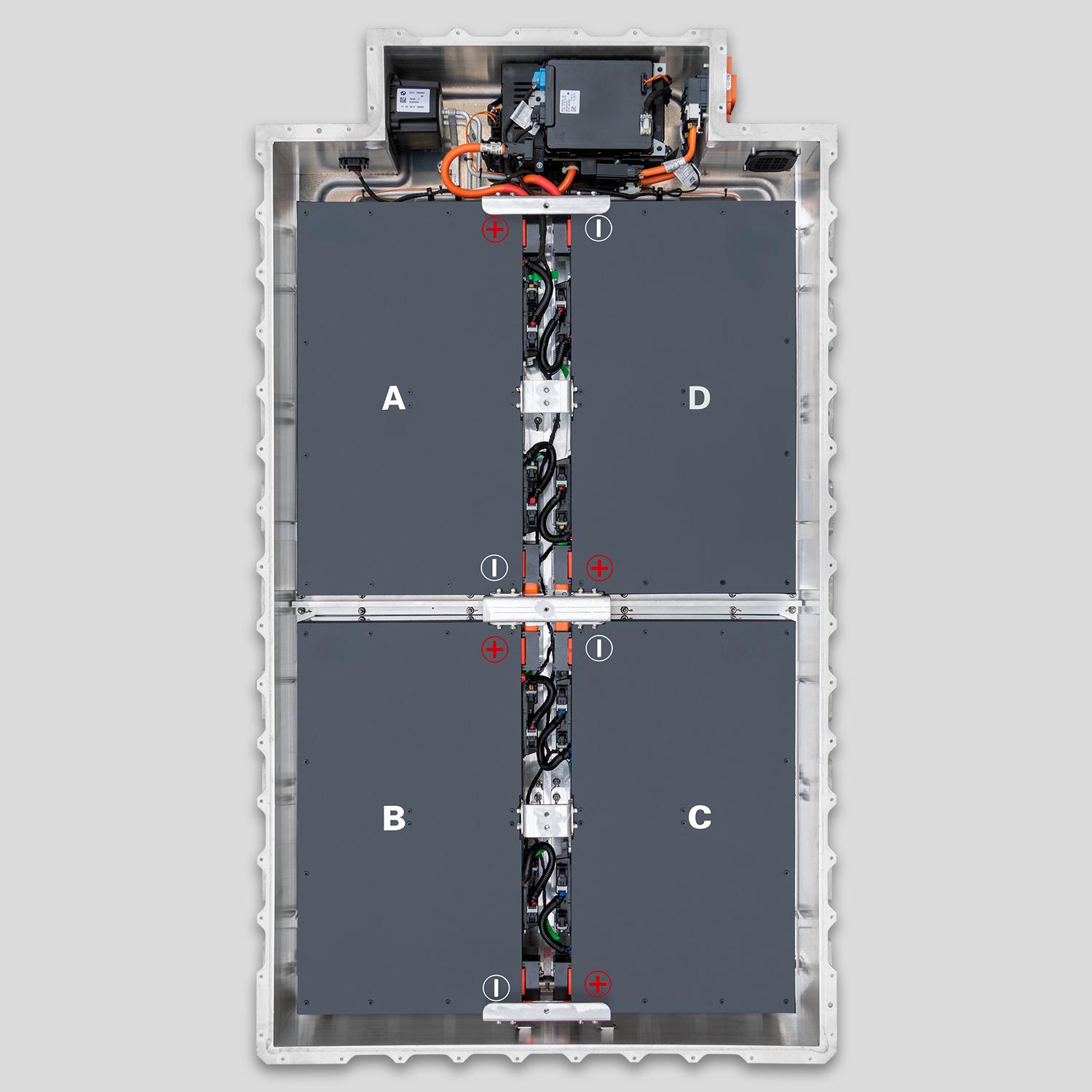
The BMW i3’s traction battery itself is hermetically sealed—you’ll never see lithium electrolyte leaking onto your driveway.
What owners call “battery leakage” is almost always a failure in the liquid cooling circuit that wraps around the pack to regulate temperature.
This system uses ethylene glycol-based coolant (pink or blue)—the same fluid as your radiator, but in a separate loop.
📌 Critical fact: This coolant is electrically conductive. If it contacts high-voltage connectors or busbars, it can cause short circuits, arcing, or thermal runaway.
🔎 4 Early Signs of BMW i3 Battery Coolant Leakage
1. Sweet, Syrup-Like Odor Near Rear Wheels
Ethylene glycol has a distinct sugary smell—often mistaken for spilled soda or AC drip. If it’s persistent and localized under the rear chassis, suspect coolant.
2. Sticky Residue or Crystalline Crust
As coolant evaporates, it leaves behind a tacky film or white/green crystalline deposits on brackets, hoses, or the pack housing.
3. Dashboard Warnings: “Coolant Level Low” or “Check Thermal System”
The i3 monitors coolant volume. A drop triggers alerts—even if the car still drives normally.
4. Visible Drips or Puddles After Parking (Pink/Blue Tint)
Place cardboard under your car overnight. Any colored fluid = immediate inspection.
⚠️ Never assume it’s “just water.” Test with a coolant refractometer ($15 online)—water won’t register.
⚡ Why Coolant Leaks Are More Than a Maintenance Issue
Unlike engine coolant leaks, battery loop leaks pose unique risks:
- Electrical conductivity: Can bridge HV terminals → short circuit
- Corrosion: Attacks aluminum housings and copper busbars over time
- Reduced cooling efficiency: Leads to overheating, BMS throttling, and accelerated cell aging
- Fire hazard: In rare cases, leaked fluid contacting a damaged HV connector can ignite during charging
🔥 Real incident (Germany, 2024): An i3 caught fire during DC fast charging after undetected coolant seepage caused a ground fault in the service disconnect.
🛑 Immediate Actions If You Suspect a Leak
- Stop driving immediately if you see active dripping or smell strong coolant odor
- Park on non-flammable surface (concrete, not grass or garage mat)
- Do NOT open the hood or touch orange HV cables
- Scan for codes using BimmerLink—look for “Thermal System Fault” or “Coolant Pump Error”
- Contact a certified EV technician—not a general mechanic
🚫 Never top off coolant yourself. The system is pressurized and requires vacuum bleeding to avoid air pockets—which cause overheating.
✅ The Permanent Fix: A Sealed, Leak-Resistant Replacement Pack
While repairing hoses or pumps is possible, aging i3 cooling systems often develop multiple weak points—especially at:
- Hose clamps near the pump
- O-rings on the chiller block
- Plastic coolant manifolds (prone to cracking after 8+ years)
CNS BATTERY’s 2026 i3 replacement packs address this with:
- Fully integrated, welded coolant channels—no external hoses or clamps
- High-temp EPDM seals rated for 15+ years
- Leak-tested at 1.8 bar before shipping
- No user-serviceable coolant ports—eliminating future refill risks
“My original pack leaked twice in 18 months. The CNS 50kWh unit has zero external fittings—just two solid inlet/outlet ports. Peace of mind is worth every penny.”
— Henrik L., Stockholm
And because the entire thermal system is factory-sealed, you’ll never face another coolant-related warning.
Frequently Asked Questions: i3 Battery Leakage
Q: Can I drive short distances with a small leak?
A: Not recommended. Even minor leaks can pool in HV zones. Tow the vehicle.
Q: Does coolant leakage mean my cells are damaged?
A: Not directly—but prolonged overheating from poor cooling can degrade them faster.
Q: Will insurance cover leak-related damage?
A: Only if deemed a sudden mechanical failure. Neglect (e.g., ignoring warnings) may void claims.
Q: Are LFP packs less prone to cooling issues?
A: They run cooler—but the i3 platform requires NMC voltage compatibility. CNS uses advanced NMC with superior thermal stability.
Q: How often should I check coolant level?
A: Every 12 months—or immediately if you see any of the early signs above.
A Leak Isn’t Just a Drip—It’s a Warning From Your Car’s Nervous System
And in high-voltage vehicles, nervous system failures don’t just cause breakdowns—they create hazards.
Noticed a Sweet Smell, Sticky Residue, or Coolant Warning on Your i3?
Don’t Wait for a Puddle—or a Fire.
Send Us:
- Photos of any suspected leak area
- Your i3 model year
- Any active dashboard warnings
We’ll Help You Determine Whether This Is a Simple Hose Clamp… Or a Sign That Your Aging Cooling System Needs a Permanent, Sealed Replacement with Zero Future Leak Risk.
Because safety isn’t optional—it’s built in.
Get Your Free Leak Risk Assessment Now:
👉 https://cnsbattery.com/ev-battery-home/ev-battery-contact/