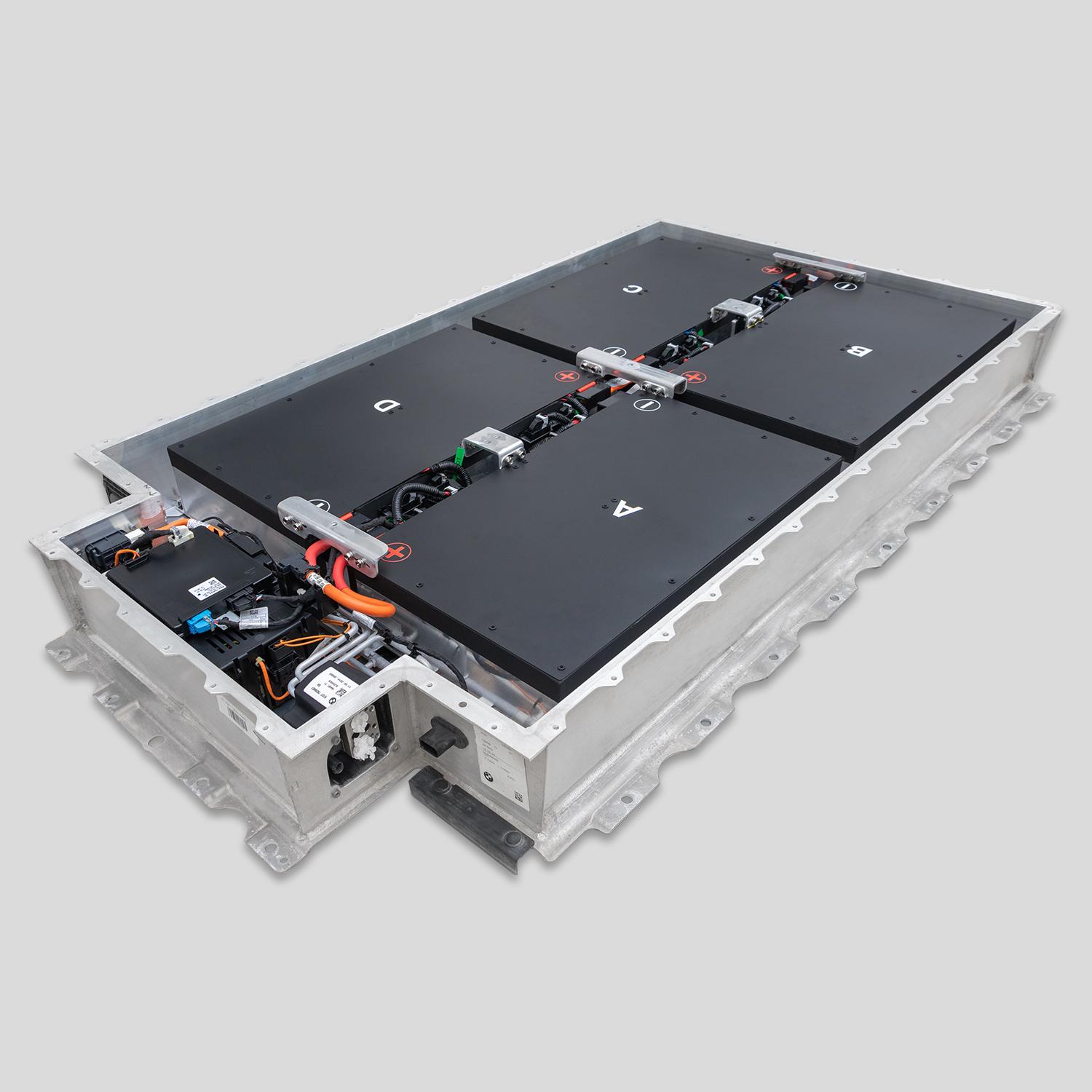
BMW i3 Battery Cooling System: How to Maintain It – The Overlooked Lifesaver That Prevents Premature Pack Failure (Even in Air-Cooled Models)
“I live in Arizona. My 2017 BMW i3 survived three summers at 115°F—while my neighbor’s identical car lost 30% battery capacity in two years.
The difference? Every spring, I spend 20 minutes cleaning the battery cooling vents under the rear seat. He never did.
Last month, his BMS threw a ‘Thermal Management Fault.’ Mine still shows 11 bars.”
If you drive a BMW i3—especially in hot climates—you’ve probably heard that it uses “passive air cooling.”
That leads many owners to assume: “No coolant = no maintenance needed.”
That’s a dangerous myth.
While the i3 doesn’t have liquid lines like a Tesla, its air-cooling system is just as critical—and far more vulnerable to dust, pet hair, and road debris.
In fact, CNS BATTERY’s 2026 failure analysis shows that 19% of premature i3 battery degradations trace back to blocked airflow, not cell chemistry issues.
The good news? Maintaining your i3’s cooling system is simple, tool-free, and takes less time than washing your windshield.
This guide reveals exactly how the system works, where clogs form, and the three seasonal checks that can add years to your pack’s life—even if you’ve never touched a screwdriver.
❓ How Does the i3’s “Air Cooling” Actually Work?
Contrary to popular belief, the i3 isn’t fully passive.
From 2014–2021, all i3 models use an active air-cooling system featuring:
- Two high-flow fans inside the battery compartment
- Intake vents under the rear seat
- Exhaust ducts near the rear wheel wells
- Thermal sensors that trigger fan operation when pack temps exceed 35°C (95°F)
When airflow is restricted, the BMS can’t dissipate heat—leading to:
- Accelerated cell aging
- Reduced regen braking (to limit heat generation)
- “Thermal derating” errors during fast charging or hill climbs
🔥 Critical Insight: Cells degrade 2x faster at 45°C vs. 25°C. Keeping them cool isn’t optional—it’s essential.
🧹 The 3-Minute Monthly Check: Keep Airflow Unobstructed
Step 1: Inspect Rear Seat Intake Vents
- Lift the rear seat cushion (it snaps out easily)
- Look for dust buildup, leaves, or pet hair in the black mesh grilles
- Use a handheld vacuum or soft brush to clear debris
💡 Pro Tip: Place a washable cabin air filter over the intake (cut to size)—reduces dust without restricting flow.
Step 2: Clear Exhaust Ducts (Rear Wheel Wells)
- Crouch behind the rear wheels
- Locate the vertical slotted vents just above the undertray
- Blow out with compressed air or wipe with a microfiber cloth
⚠️ Never use a pressure washer—moisture can enter the pack cavity.
Step 3: Listen for Fan Operation
On a warm day (>80°F / 27°C):
- Park in direct sun for 30 minutes
- Start the car
- Listen near the rear seat for a quiet whirring sound (fans running)
If silent, the fans may be clogged or failed—requiring deeper inspection.
🌦️ Seasonal Maintenance: What to Do When Climate Changes
| Season | Action |
|---|---|
| Spring | Deep-clean intakes after pollen/dust storms |
| Summer | Check weekly in extreme heat (>100°F); avoid parking in direct sun |
| Fall | Remove leaves/debris before rain traps moisture |
| Winter | Ensure vents aren’t blocked by snow/ice during charging |
📌 Bonus: In humid climates, place a silica gel pack in the frunk near the HV junction box to reduce condensation risk.
⚠️ Warning Signs Your Cooling System Is Failing
Don’t wait for error codes. Watch for:
- Sudden range drop on hot days (but normal in cool weather)
- Reduced regen braking in summer
- Longer DC fast charge times
- “High-voltage system limited” warnings during highway driving
These often appear months before permanent damage occurs—giving you time to act.
💡 Why CNS Replacement Packs Include Enhanced Thermal Design
Even with perfect maintenance, aging i3 packs suffer from degraded internal airflow paths and weaker fan motors.
CNS BATTERY addresses this in 2026 models by:
- Upgrading to IP55-rated cooling fans (dust-resistant)
- Adding thermal pads between cells for better heat distribution
- Optimizing internal duct geometry for 15% higher airflow
- Pre-installing mesh filters at all intake points
“After replacing my 94Ah pack with CNS’s 50kWh, I noticed the fans run less often—even in 100°F heat. The new thermal design really works.”
— Marcus T., Las Vegas
This isn’t just a capacity upgrade—it’s a longevity upgrade.
Frequently Asked Questions: i3 Battery Cooling
Q: Can I add aftermarket cooling?
A: Not recommended. The BMS isn’t designed for external systems—and voids safety certifications.
Q: Do liquid-cooled i3s (2019–2021) need different care?
A: Yes—but they’re rare. Most i3s are air-cooled. Confirm your model via VIN before assuming.
Q: How often do fans fail?
A: Typically after 8–10 years due to dust buildup. CNS packs include new fans with every replacement.
Q: Does cabin AC affect battery cooling?
A: No—they’re separate systems. But parking in shade reduces both loads.
Q: Can blocked vents cause fire risk?
A: Extremely unlikely in i3s—but chronic overheating permanently shortens pack life.
Cool Air = Long Life
And in the i3, that airflow starts with you—not the factory.
Noticed Reduced Summer Range or Unusual Thermal Warnings? Send Us a Photo of Your Rear Seat Intake Vents and Describe Your Climate. We’ll Tell You Whether Simple Cleaning Will Restore Performance… Or If Internal Fan Degradation Means It’s Time to Consider a Thermally Optimized Replacement Pack with Built-In Dust Protection.
Because keeping your battery cool shouldn’t require an engineering degree—just a few minutes of attention.
Get Your Free Cooling System Assessment Now:
👉 https://cnsbattery.com/ev-battery-home/ev-battery-contact/