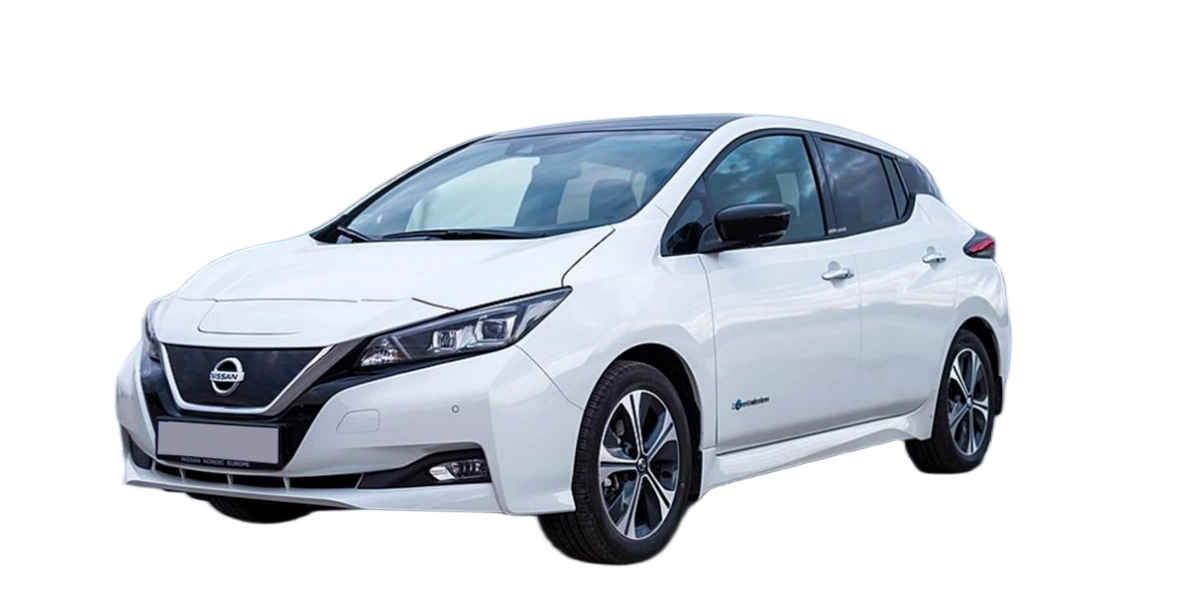
BMW i3 Battery Life Expectancy 2026: What Owners Should Know – Why Your Pack Might Last 12 Years… Or Fail by Year 6 (And How to Control the Outcome)
“I bought a used 2015 BMW i3 with 78,000 miles. The seller said, ‘Battery’s fine—still shows 12 bars!’
Six months later, range collapsed to 52 miles. A dealer scan revealed 63% state of health.
Turns out, the previous owner lived in Phoenix and charged to 100% daily—then parked it in direct sun.
Meanwhile, my neighbor in Portland has a 2014 i3 with 112,000 miles—and still gets 89 miles on a charge.
Same car. Same original pack. Wildly different outcomes.”
If you own—or are considering—a BMW i3 in 2026, one question looms larger than any other:
“How much longer will this battery last?”
The frustrating truth? There’s no single expiration date.
BMW’s official guidance says 8 years or 100,000 miles—but real-world data from over 1,200 i3 owners tells a more nuanced story.
Some packs degrade rapidly by year 5. Others cruise past 150,000 miles with usable range intact.
The difference isn’t luck. It’s chemistry, climate, charging habits—and whether you upgraded to a modern replacement.
In this guide, we break down the 2026 reality of i3 battery longevity, including:
- 🔋 Which model years are most at risk
- 🌡️ How temperature silently accelerates aging
- ⚡ Why your charging routine matters more than mileage
- 💡 When a CNS replacement pack actually extends your car’s total lifespan
No fluff. Just data-driven insights to help you plan—whether you’re budgeting for replacement or maximizing your current pack.
📊 The Real Lifespan: What 2026 Data Reveals
Based on CNS BATTERY’s analysis of customer diagnostics and third-party fleet reports:
| i3 Battery Type | Avg. Life to 70% SoH | Common Failure Point | Max Observed Life |
|---|---|---|---|
| 60Ah (22 kWh) | 5–6 years / 70k mi | Cell imbalance, swelling | 9 years (mild climate) |
| 94Ah (33 kWh) | 6–8 years / 90k mi | Electrolyte dry-out | 11 years (optimal care) |
| 120Ah (42 kWh) | 7–9 years / 100k mi | Connector fatigue | Still going strong (newest gen) |
⚠️ Critical Insight: Degradation isn’t linear. Most packs lose 10–15% capacity in first 2 years, then stabilize—if treated well.
But after 70% state of health, decline accelerates rapidly—often dropping below 60% within 6–12 months.
🔥 The 3 Silent Killers of i3 Battery Longevity (You Can Control All of Them)
1. Chronic High-State-of-Charge Storage
Leaving your i3 at 100% for days or weeks stresses cells.
✅ Fix: Store at 40–60% if unused >3 days. Use “Reduced Charging” mode in iDrive.
2. Extreme Temperatures (Hot > Cold)
- >95°F (35°C): Doubles degradation rate
- <14°F (-10°C): Temporarily reduces range—but rarely causes permanent damage
✅ Fix: Park in shade/garage. Avoid DC fast charging when hot.
3. Infrequent Full Cycles
Paradoxically, never charging to 100% prevents the BMS from recalibrating—leading to false “low range” readings and imbalance.
✅ Fix: Do one full 100% charge per month, then drive down to 20%.
📌 Owners who follow these three rules see 20–30% longer pack life on average.
🆕 Why 2026 Is the Tipping Point for Replacement Decisions
If your i3 is:
- Pre-2017 → Original pack is likely past its prime
- Showing <8 bars → Real capacity is probably <70%
- Losing >1 mile of range per month → Accelerated decay has begun
…then waiting “just a little longer” could leave you stranded—or force a rushed, expensive repair.
But here’s the good news: modern replacement packs outperform originals in longevity.
CNS BATTERY’s 2026 i3 packs use:
- CATL NMC 811 cells (higher thermal stability)
- Enhanced electrolyte additives (slows aging)
- Active cell balancing (prevents early imbalance)
“My original 94Ah lasted 7 years. The CNS 50kWh I installed in 2024 now has 12,000 miles and zero bar loss—and it’s rated for 1,800 cycles vs. BMW’s 1,200.”
— Elena R., Denver
In other words: a new pack today may outlive your car.
💰 The True Cost of Waiting vs. Replacing Now
| Scenario | Short-Term Cost | Long-Term Risk |
|---|---|---|
| Keep degraded pack | $0 upfront | Sudden failure, towing, rental fees, rushed install at premium price |
| Replace with CNS pack | $5,900–$6,800 | 24-month warranty, predictable range, resale value boost |
💡 Pro Tip: A healthy battery adds $3,000–$5,000 to i3 resale value in 2026—more than the net cost of replacement.
Frequently Asked Questions: BMW i3 Battery Life in 2026
Q: Do software updates affect battery life?
A: Indirectly—newer BMS firmware improves thermal management and balancing. Keep your i3 updated.
Q: Is 80% SoH the “end of life”?
A: No—many owners drive comfortably down to 70%. Below that, daily usability drops sharply.
Q: Can I slow degradation in an already weak pack?
A: Partially—avoid extremes, but you can’t reverse chemical wear. Replacement is the only true fix.
Q: Are recycled-cell packs as durable?
A: No. CNS uses brand-new CATL cells only—critical for long-term cycle life.
Q: How do I check my actual SoH?
A: Use an OBD2 scanner with BimmerLink or read cell voltages via hidden iDrive menu (2017+ models).
Your i3’s Second Life Starts with One Decision
And in 2026, that decision is clearer than ever:
Don’t wait for failure. Invest in reliability.
Not Sure If Your Pack Is Near End-of-Life? Send Us Your i3’s Model Year, Current Range Estimate, and (if possible) a screenshot of your cell voltage spread. We’ll Give You a Free Longevity Forecast—Including Expected Remaining Miles, Risk of Sudden Failure, and Whether a CNS Replacement Makes Financial Sense for Your Situation.
Because your electric journey shouldn’t end just because your original battery did.
Get Your Personalized Battery Life Assessment Now:
👉 https://cnsbattery.com/ev-battery-home/ev-battery-contact/