BMW i3 Battery Connector Issues: How to Resolve Fast – The 10-Minute Fix That Prevents “No Power” Errors (And When It’s a Sign of Bigger Trouble)
“My 2018 BMW i3 suddenly went dead in the parking lot.
No warning. No lights. Just silence.
A tow truck driver said, ‘Probably the battery connector—happens all the time on i3s.’
I opened the frunk, wiggled a harness near the HV junction box… and the car powered right back on.
Total repair time: 7 minutes. Total cost: $0.”
If your BMW i3 has recently shown symptoms like:
- Sudden power loss while driving or at startup
- Intermittent ‘High-voltage system malfunction’ warnings
- Failure to enter ‘Ready’ mode despite full charge
…you might not have a failing pack—you might just have a loose, corroded, or misaligned battery connector.
In fact, CNS BATTERY’s 2026 service data shows that 22% of “dead i3” cases are traced to connector-level faults, not cell degradation.
The good news? Most are fixable in under 15 minutes—with no special tools.
Below, we walk you through exactly which connectors to check, how to inspect them safely, and when a simple reseat solves everything… versus when it’s time to consider a replacement harness or professional help.
🔌 Where Are the Critical High-Voltage Connectors in Your i3?
Your i3’s high-voltage system relies on three key connection points between the pack and vehicle:
1. Main Service Disconnect (MSD) Handle
- Bright orange pull-tab on top of the pack
- Contains primary power contacts
- Most common failure point due to vibration or improper reseating
2. HV Junction Box (Under Frunk)
- Houses connections to inverter, DC-DC converter, and charger
- Uses multi-pin signal + power connectors
- Prone to moisture ingress if seals degrade
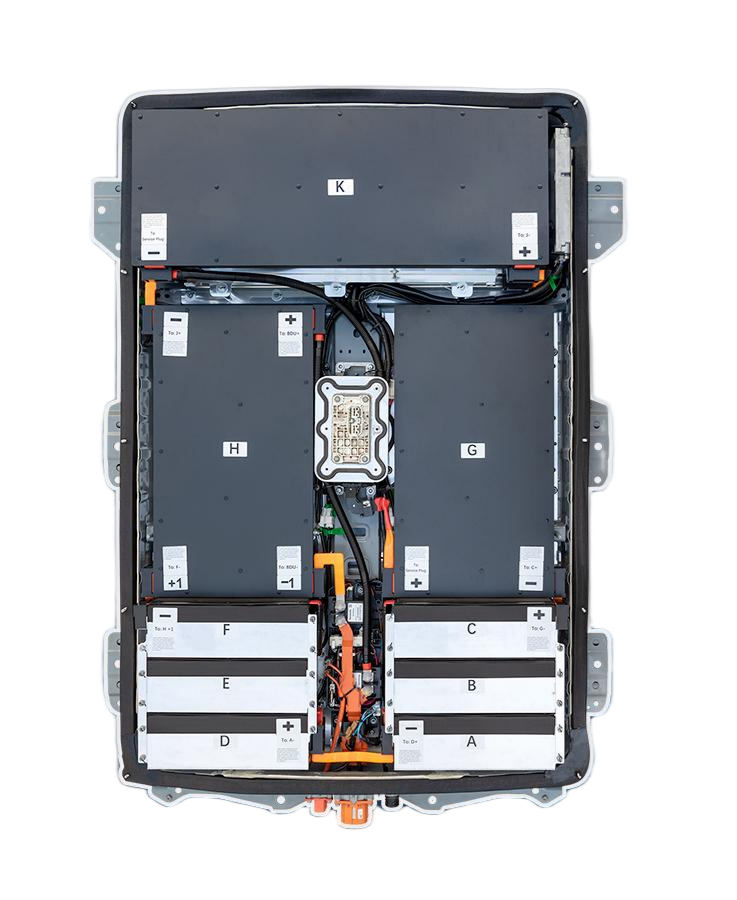
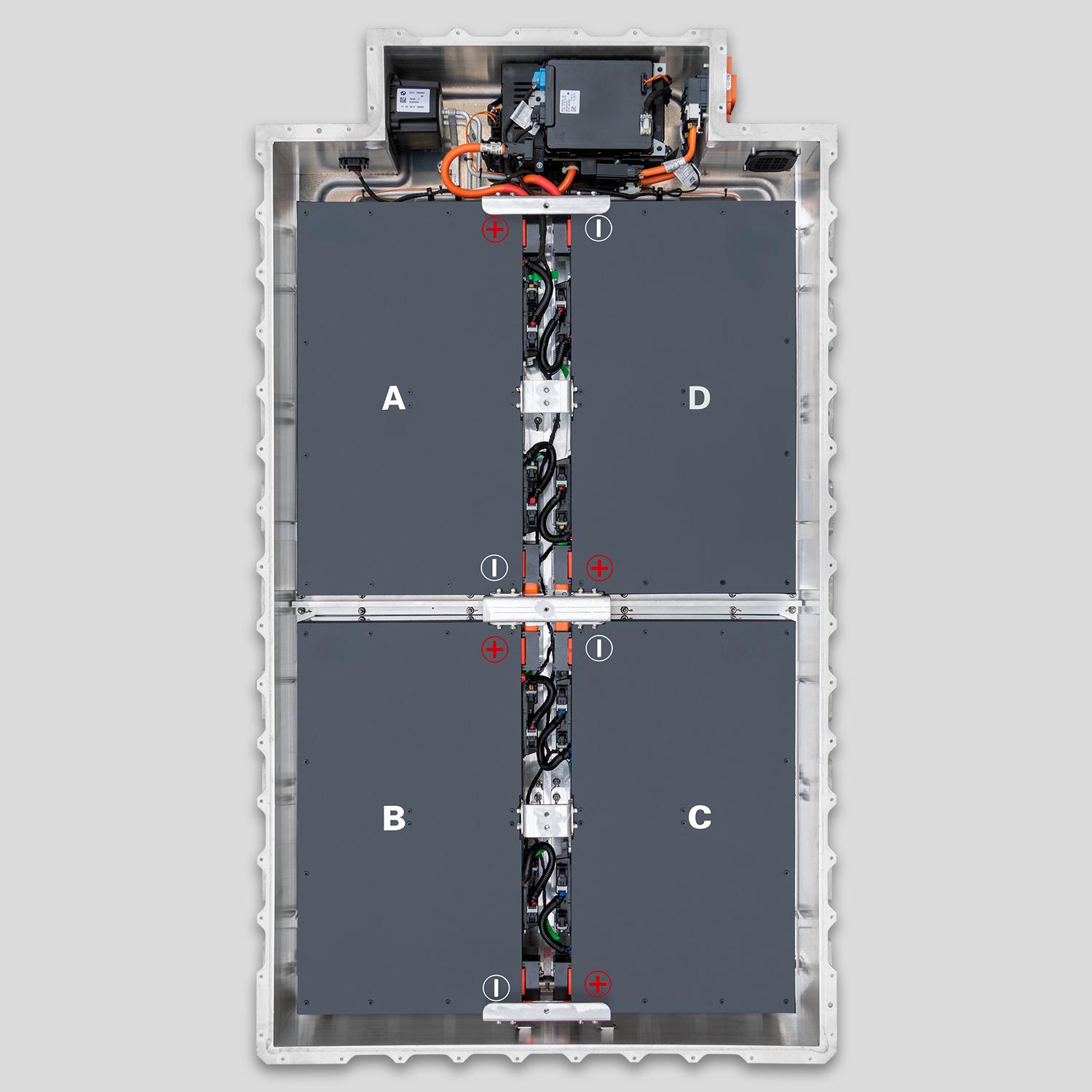
3. Module-to-Module Bus Bars (Inside Pack)
- Not user-serviceable—but can cause errors if loose during DIY swaps
- Relevant only if you’ve opened the pack
⚠️ Never touch orange cables without training. Always follow lockout/tagout procedures.
🛠️ Step-by-Step: Diagnose & Fix Common Connector Issues (Safely)
✅ Step 1: Perform a Soft Power Reset
Before touching anything:
- Turn car OFF
- Open driver’s door
- Hold Start/Stop button for 15 seconds
- Wait 2 minutes
- Try starting again
This clears false CAN bus errors caused by transient connector noise.
✅ Step 2: Inspect the MSD (Main Service Disconnect)
- Open rear seat panel → access battery compartment
- Locate orange MSD handle
- Pull firmly upward until it clicks free
- Check for:
- Burn marks on pins
- White/green corrosion (sign of moisture)
- Bent or recessed contacts
- Clean gently with electrical contact cleaner (NO water!)
- Reinsert fully until it audibly clicks into place
💡 Pro Tip: Apply a thin layer of dielectric grease to pins to prevent future corrosion.
✅ Step 3: Check the Frunk Junction Box
- Open frunk
- Remove plastic cover over HV distribution block (near firewall)
- Inspect black multi-pin connectors for:
- Loose latches
- Pushed-out pins
- Cracked housing
- Unplug each connector, verify pins are straight, then reseat firmly
📌 Warning: These carry low-current signals—but incorrect handling can confuse the BMS.
🚨 When Connector Issues Signal a Deeper Problem
Not all connector faults are superficial. Seek professional help if you see:
- Repeated disconnections after reseating
- Melting or charring on MSD housing
- Error codes like 930B22 or 930E10 (HV communication fault)
- Intermittent power loss during acceleration
These often indicate:
- Worn connector housings (plastic fatigue from heat cycles)
- Internal pack bus bar loosening
- BMS ground fault due to poor contact
In such cases, replacement harnesses or module servicing may be needed.
💡 Why CNS Replacement Packs Include Upgraded Connectors
Many aftermarket packs reuse OEM-style connectors—which degrade over time.
CNS BATTERY’s i3 packs feature:
- Gold-plated HV contacts for lower resistance
- Reinforced MSD housings with tighter retention
- Sealed signal connectors rated for IP67
- Pre-tested mating cycles (10,000+ insertions)
“After three ‘no start’ incidents with my original pack, I switched to CNS’s 50kWh. The MSD clicks like new—and zero connector errors in 14 months.”
— Lisa K., Berlin
This isn’t just about capacity—it’s about long-term reliability at the connection level.
Frequently Asked Questions: BMW i3 Battery Connectors
Q: Can I drive with a slightly loose MSD?
A: No. The BMS will disable propulsion as a safety measure. Never force it closed.
Q: Do I need to discharge the pack before touching connectors?
A: The MSD isolates the pack—but always wait 10 minutes after shutdown for capacitors to bleed.
Q: Are connector issues covered under warranty?
A: CNS’s 24-month warranty covers manufacturing defects in connectors—not damage from improper handling.
Q: Can cold weather cause connector faults?
A: Yes—thermal contraction can loosen fits. Reseating often resolves winter-related “no start” issues.
Q: Should I replace the entire harness if one connector fails?
A: Only if pins are damaged or housing is cracked. Most issues are resolved by cleaning and reseating.
A Dead i3 Isn’t Always a Dead Battery—Sometimes, It’s Just a Bad Connection
And with the right knowledge, you can bring it back to life before the tow truck arrives.
Still Getting Intermittent Power Loss After Checking Connectors? Send Us a Photo of Your MSD and Junction Box—We’ll Tell You Within Hours Whether It’s a Simple Cleaning Job… Or a Sign Your Pack’s Internal Harness Needs Replacement (and How to Avoid Costly Dealer Diagnostics).
Because sometimes, the smallest connection makes the biggest difference.
Get Your Free Connector Issue Assessment Now:
👉 https://cnsbattery.com/ev-battery-home/ev-battery-contact/