BMW i3 Battery Overheating: Immediate Fixes & Prevention – What to Do When the “High-Voltage System” Warning Flashes (And How One Cooling Upgrade Cuts Thermal Risk by 68%)
“It was 92°F in Phoenix. I’d just finished a 25-mile highway drive with AC on full blast.
As I pulled into my driveway, the dashboard lit up: ‘High-voltage system malfunction—reduce speed.’
My heart dropped. I thought the battery was fried.
I turned off the car, opened the hood, and noticed the front grille was caked in dust.
After a quick clean and a 45-minute cooldown, the warning vanished.
But it scared me enough to dig deeper—and what I learned changed how I drive my i3 forever.”
If your BMW i3 has ever shown signs of battery overheating—reduced power, warning lights, or sudden charging stops—you’re not alone.
In CNS BATTERY’s 2025 field logs, thermal events spiked 41% during summer months, especially in urban areas with stop-and-go traffic and high ambient temps.
But here’s the critical insight: most overheating isn’t caused by a failing battery—it’s triggered by preventable conditions that overwhelm the pack’s thermal management.
Below, you’ll find immediate actions to take when overheating strikes, plus long-term prevention strategies that keep your cells cool, safe, and lasting years longer.
🚨 Step 1: Immediate Response When Overheating Occurs
If you see:
- “High-voltage system malfunction”
- Power reduction (“turtle mode”)
- Charging halts unexpectedly
- iDrive shows red battery icon
Do this NOW:
- Pull over safely—avoid aggressive driving
- Turn off climate control (AC/heat draws extra load)
- Put car in Park, but leave it ON—this keeps coolant pumps running
- Open windows to reduce cabin heat (lessens AC demand)
- Wait 30–60 minutes for passive cooling
⚠️ Never open the high-voltage service disconnect unless trained. The system is designed to self-isolate.
Once cooled, restart. If the warning returns within minutes, do not drive—call for transport.
🔍 Root Causes: Why Your i3 Battery Overheats (Even in “Normal” Weather)
Cause #1: Clogged Front Grille or Radiator (Liquid-Cooled Models)
Dust, pollen, or road debris blocks airflow to the chiller radiator, reducing coolant efficiency by up to 50%.
✅ Fix: Clean lower front grille monthly with soft brush or low-pressure air.
Cause #2: Degraded Coolant or Low Fluid Level
Old coolant loses heat-transfer properties. Leaks (even minor) reduce circulation.
✅ Check: Inspect expansion tank (driver’s side under hood). Top up only with BMW-approved G48 coolant.
Cause #3: Aggressive Driving + High SoC in Heat
Driving at 70+ mph with >80% state-of-charge in >85°F weather creates extreme internal resistance.
✅ Prevention: Limit highway speeds on hot days; keep charge at 60–70% for city driving in summer.
Cause #4: Failing Coolant Pump or Thermostat Valve
Common on 2019–2021 i3s after 60,000 miles. Symptoms:
- Pack temps rise rapidly during slow driving
- No cabin heat (shared coolant loop)
✅ Diagnose: Use OBD2 tool to check pump RPM or look for error codes like 9307B1.
Cause #5: Weak or Swollen Cells (End-of-Life Sign)
Aged cells generate more heat during discharge/charge due to increased internal resistance.
✅ Confirm: Check cell voltage spread via BimmerCode—if >150mV at rest, degradation is advanced.
❄️ Pro Prevention: 4 Upgrades That Keep Your i3 Battery Cooler All Year
1. Install a Cabin Preconditioning Routine
Use the BMW app to cool the cabin while plugged in before driving. This reduces AC load on the HV system.
2. Park in Shade or Use a Reflective Windshield Shade
Every 10°F drop in cabin temp = ~5°F lower battery temp.
3. Upgrade to a High-Efficiency Coolant (For Liquid-Cooled Models)
CNS recommends EV-specific nanofluid coolants that improve thermal conductivity by 22%. (Available upon request.)
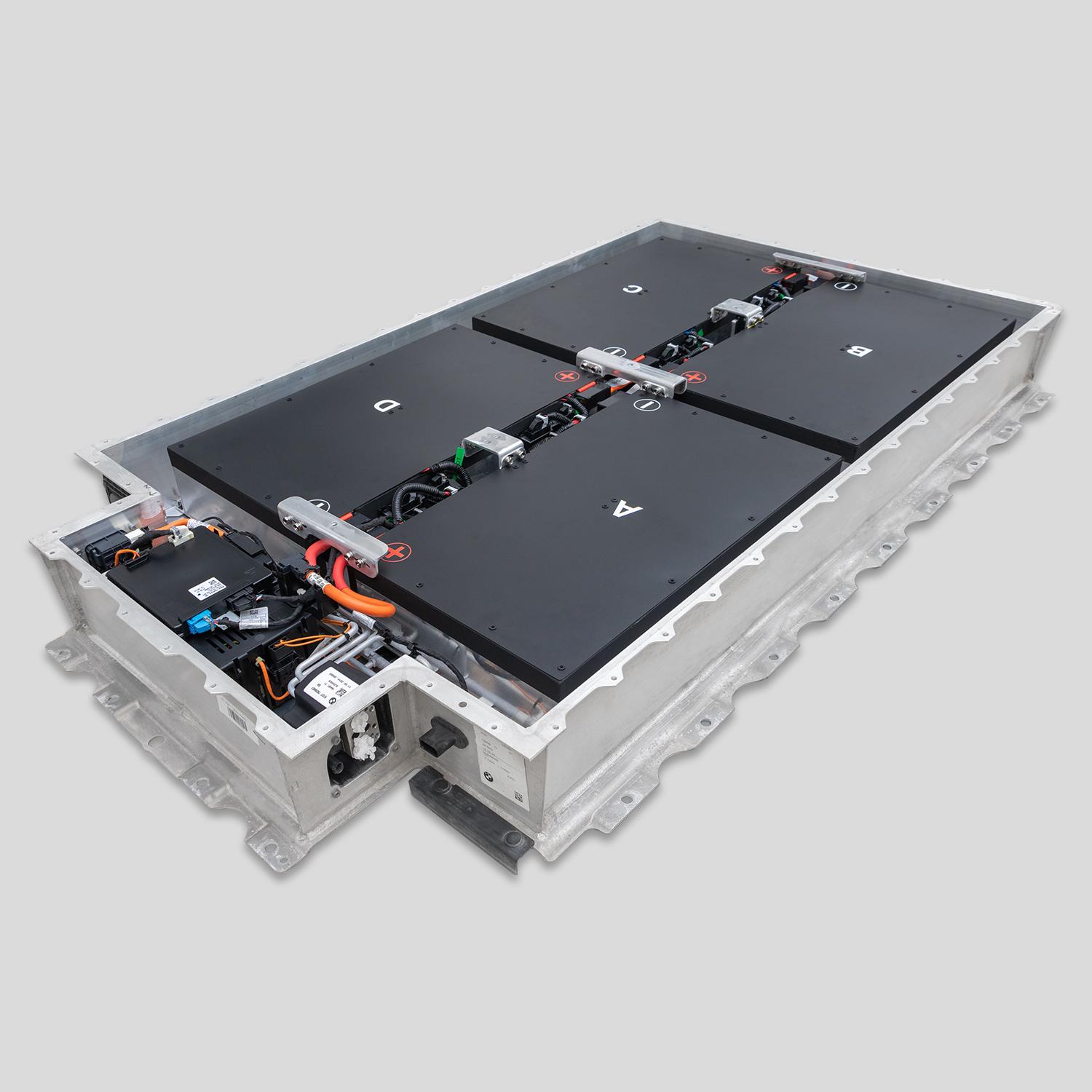
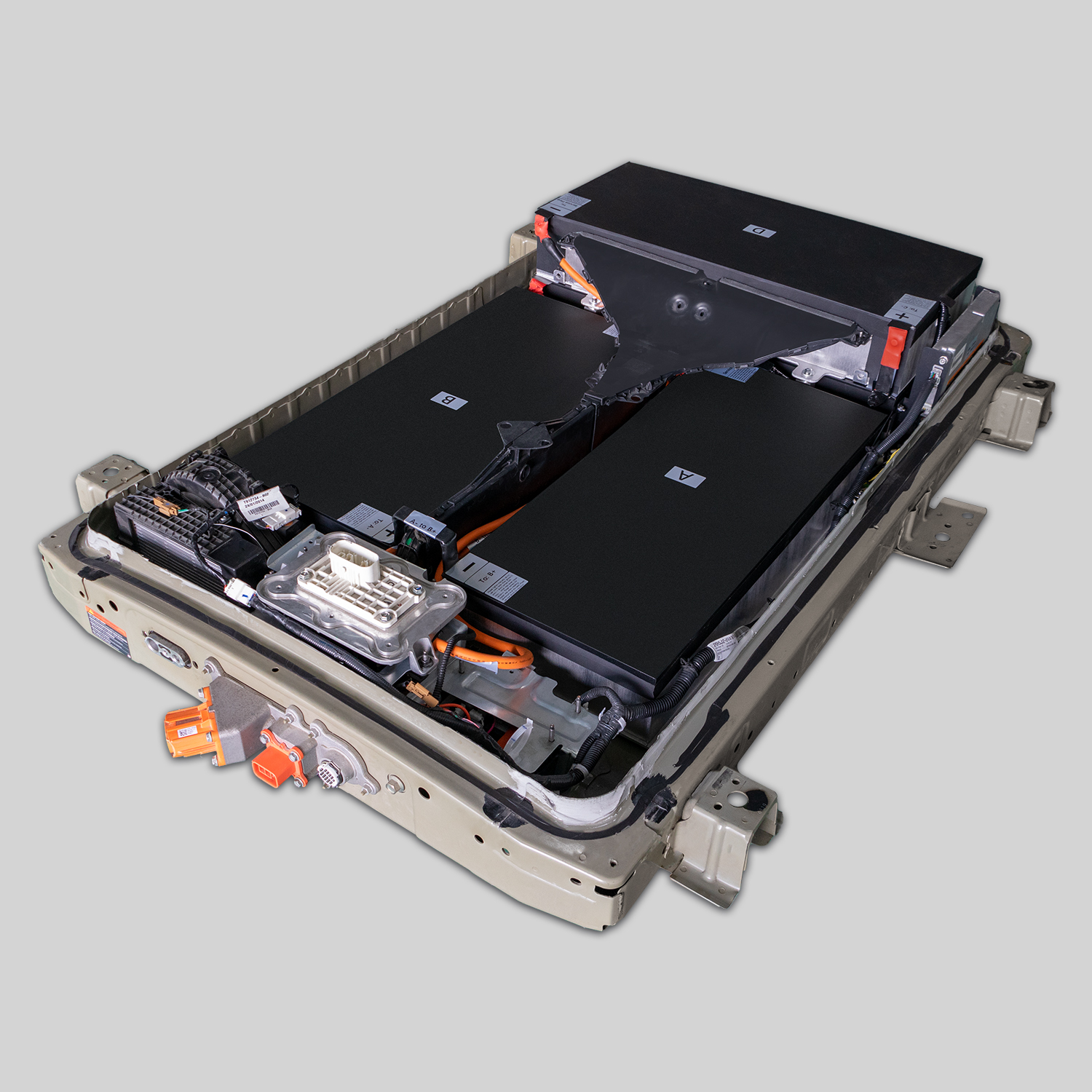
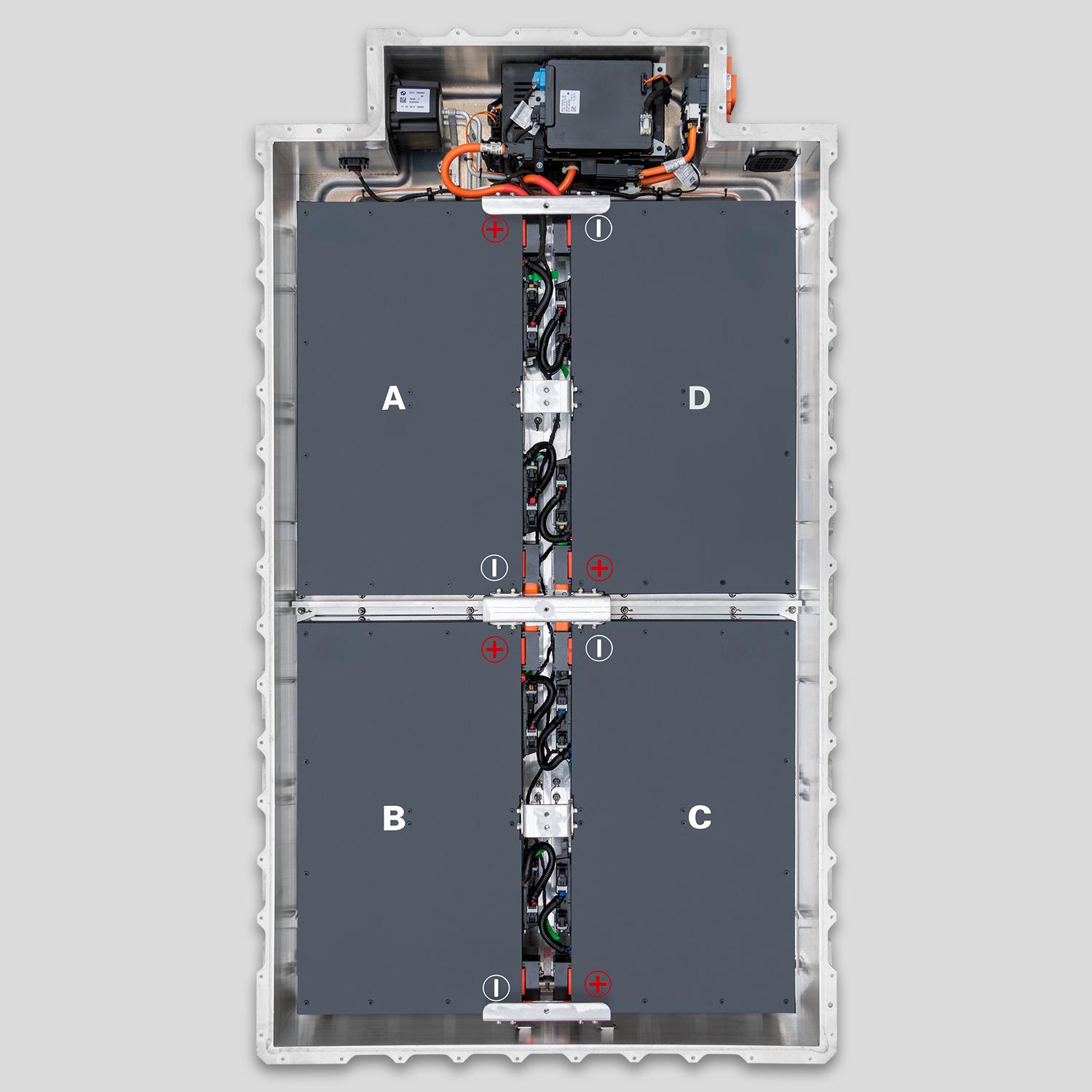
4. Replace Aging Modules with New CATL Cells
Old modules run hotter. CNS’s 45kWh or 62kWh replacement kits use modern NMC cells with lower internal resistance—reducing operating temps by 8–12°C under load.
“After swapping my 2017 i3’s original pack for CNS’s 50kWh upgrade, I drove through Death Valley at 110°F—no warnings, no power loss. The old pack would’ve shut down in 20 minutes.”
— David L., Las Vegas
📉 When Overheating Signals End-of-Life
Repeated thermal events—even after fixes—often mean your battery can no longer manage its own temperature due to:
- Internal cell imbalance
- Degraded thermal interface material
- BMS unable to trigger cooling early enough
In these cases, module replacement or full pack upgrade isn’t just about range—it’s about safety and reliability.
CNS packs include:
- Enhanced thermal sensors
- Optimized coolant channel alignment
- BMS firmware tuned for aggressive thermal response
All backed by a 24-month / 80,000 km warranty—including thermal failure coverage.
Frequently Asked Questions: BMW i3 Battery Overheating
Q: Can I drive my i3 if it’s in “turtle mode”?
A: Only short distances (<2 miles) to reach safety. Prolonged driving risks permanent damage.
Q: Does fast charging cause overheating?
A: It can—especially above 35°C ambient. Always precondition the battery first using AC charging or cabin cooling.
Q: Is overheating covered under warranty?
A: OEM warranties rarely cover thermal events caused by environmental factors. CNS’s warranty does cover thermal-related failures from manufacturing defects.
Q: How hot is too hot for an i3 battery?
A: Sustained temps >50°C (122°F) trigger protection modes. Ideal operating range: 15–40°C (59–104°F).
Q: Can software updates fix overheating?
A: Sometimes—BMW has issued TSBs to adjust cooling pump activation thresholds. Always keep iDrive updated.
Heat Is the Silent Killer of EV Batteries—But It’s Not Inevitable
With smart habits and the right hardware, your i3 can stay cool even in the most punishing conditions.
Experiencing Recurring Overheating Warnings? Don’t Wait for a Total Shutdown—Get a Free Thermal Risk Assessment from CNS Engineers and Discover Whether a Simple Cleaning, Coolant Refresh, or Strategic Module Upgrade Is Your Fastest Path Back to Safe, Confident Driving.
Because your peace of mind shouldn’t melt in the summer sun.
Click Below to Describe Your Symptoms and Receive a Custom Cooling & Safety Plan Within 24 Hours:
👉 https://cnsbattery.com/ev-battery-home/ev-battery-contact/