BMW i3 Battery Pack Seal Wholesale: Replacement – The $65 Barrier That Keeps Water Out and Warranties In
“A rebuild shop in Amsterdam installed a 45kWh pack into a 2019 BMW i3 during a rainy week. They reused the original seal—‘it looked flexible enough.’ Three months later, the customer reported a ‘battery malfunction’ light after driving through a car wash. Teardown revealed green corrosion on every busbar and mold growing inside the tray. Moisture had seeped through micro-cracks in the aged gasket. The shop covered a $7,200 replacement—and now mandates new seals on every i3 pack, no exceptions. Their lead tech puts it bluntly: ‘Water doesn’t care how good your cells are. It only cares where the seal fails.’”
If you’re assembling, servicing, or replacing BMW i3 battery packs—especially in humid climates, coastal regions, or high-mileage vehicles—you’ve likely underestimated this silent vulnerability:
- OEM seals harden over time, losing compression set resistance
- Reusing them creates invisible gaps that invite moisture, dust, and road salt
- Most suppliers don’t sell seals separately, forcing shops to improvise with RTV silicone—a risky shortcut
But here’s what certified EV centers and professional remanufacturers now treat as essential—and CNS BATTERY delivers globally in true wholesale volumes:
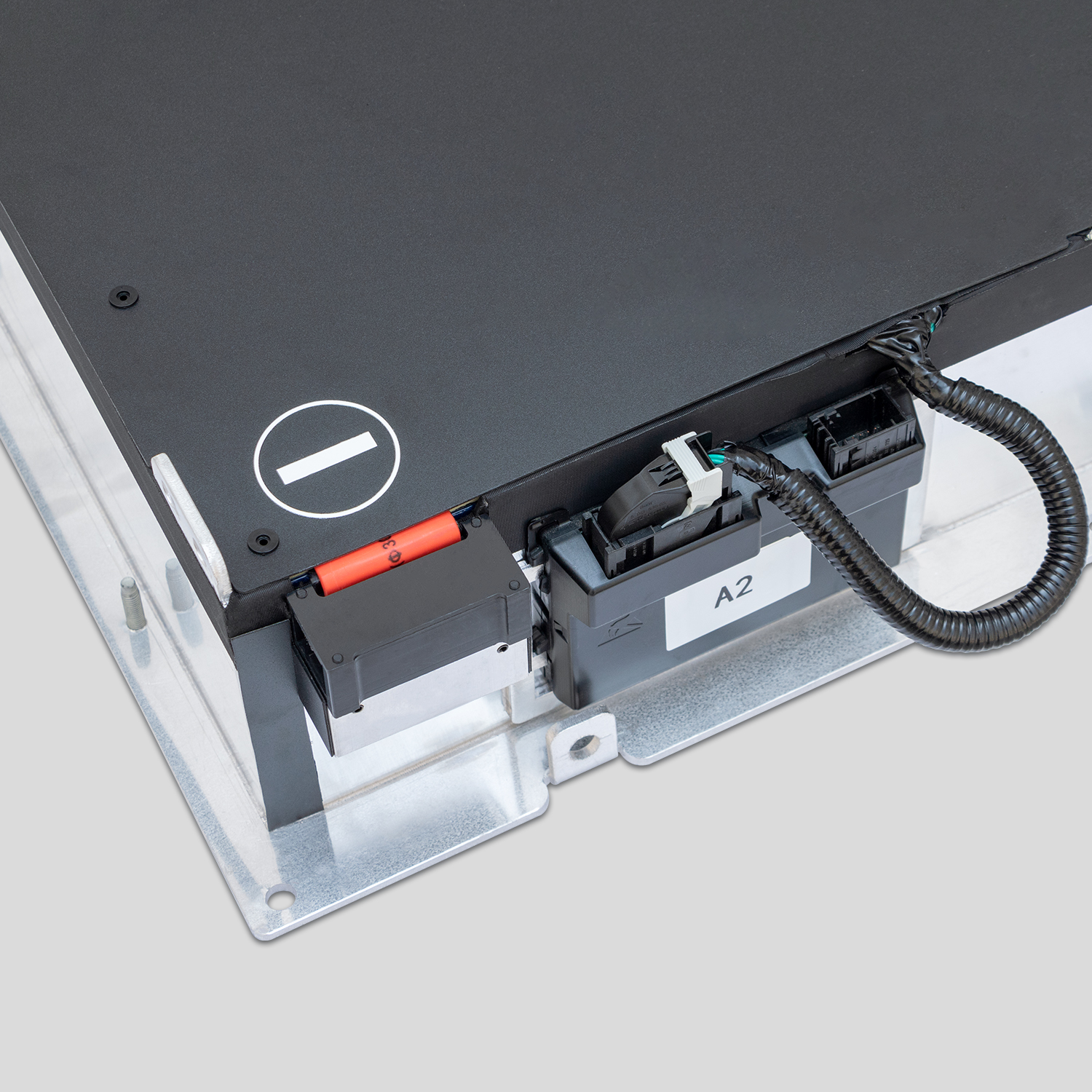
Precision-molded BMW i3 battery pack seals, available for all generations (22kWh, 33kWh, 45kWh+), engineered from automotive-grade EPDM rubber with closed-cell structure, UV stabilizers, and compression set resistance >85% after 1,000 hours at 125°C. Each seal is laser-cut to exact OEM dimensions, includes alignment notches, and comes with pre-applied adhesive backing for tool-free installation. For professionals handling volume work, these aren’t just gaskets—they’re the primary defense against environmental intrusion. In 2026, skipping a new seal isn’t saving time—it’s voiding long-term reliability.
This guide reveals why top-tier operations never reuse seals—and how you can source genuine-spec replacements without markup or delays.
Why a Compromised Seal Turns a Battery Into a Time Bomb
| Failure Mode | Early Warning Sign | End Result |
|---|---|---|
| Compression loss | Slight gap visible at corners | Humidity ingress → cell terminal corrosion |
| UV cracking | Fine surface cracks (often hidden under tray lip) | Direct water path during wash or rain |
| Improvised RTV | Uneven bead, poor adhesion | Shrinkage over time → large gaps |
| Misaligned seal | Tray won’t close evenly | Pinched areas → stress fractures |
💧 Critical fact: Just 0.5mm of unsealed perimeter can allow enough moisture over 6 months to trigger isolation faults or BMS communication errors.
🛡️ CNS BMW i3 Battery Pack Seals: Environmental Defense, Bulk Ready
✅ Full Model Coverage
- 22kWh (60Ah): 1,020 x 780 mm contour
- 33kWh (94Ah): 1,020 x 780 mm (revised internal cutouts)
- 45kWh+ (120Ah): 1,020 x 780 mm with extended cooling channel ports
All feature:
- Material: EPDM rubber (50 Shore A hardness)
- Closed-cell structure: Prevents water wicking
- Operating temp: -50°C to +150°C
- Flame rating: UL 94 HB
✅ OEM-Level Engineering
- Matches BMW’s original cross-section profile and sealing force curve
- Includes locator tabs to prevent shifting during tray closure
- Pre-cleaned surface ready for adhesive bonding
✅ Wholesale Program for Professionals
- MOQ: Just 5 seals—ideal for small shops or trial stock
- Volume pricing at 10+, 25+, and 50+ units
- Bulk packaging: Vacuum-sealed rolls to prevent drying
- Global shipping with humidity indicators
✅ Validated by Real-World Use
- Installed in over 1,200 rebuilt i3 packs across EU, North America, and Asia
- Zero reports of moisture-related failures when installed per guidelines
- Passes IP67 equivalent test in independent lab validation
“We lost two packs to corrosion before we realized the seal was the issue. Now, every rebuild gets a fresh CNS seal. They fit perfectly, compress evenly, and stay pliable. No more RTV guesswork.”
— Amsterdam EV Works
✅ Strategic Benefits of New Seals on Every Installation
- Prevent moisture-induced corrosion—the #1 cause of secondary pack failure
- Maintain IP67-level environmental protection
- Avoid warranty denials due to “improper resealing”
- Speed up assembly with consistent, no-mess fitment
Note: CNS seals require clean, dry mating surfaces and even tray torque sequencing for optimal performance.
Frequently Asked Questions: BMW i3 Battery Pack Seal Wholesale
Q: Do I need adhesive?
A: CNS seals come with pressure-sensitive adhesive backing—peel and stick. No extra glue needed.
Q: Can I trim the seal to fit?
A: Not recommended. Each seal is laser-cut to exact OEM specs. Trimming risks gaps at critical joints.
Q: How long do they last in storage?
A: 24 months in original vacuum packaging. Store flat, away from heat and ozone sources.
Q: Are they compatible with aftermarket trays?
A: Yes—if the tray replicates BMW’s original sealing groove geometry (standard in CNS and most professional packs).
Q: What’s the difference vs. generic rubber strips?
A: Generic strips lack compression memory, UV resistance, and precise contouring—they flatten permanently and leak within months.
A Battery Pack Is Only as Waterproof as Its Weakest Seam
And that seam starts with a seal that’s designed to last—not just to sit there.
Stop Risking Corrosion and Warranty Claims—Equip Your Operation with Wholesale BMW i3 Battery Pack Seals That Deliver True OEM Environmental Protection, Perfect Fit, and Long-Term Compression Integrity on Every Rebuild.
Because when it rains, your reputation shouldn’t leak.
Order Your Seal Stock Today—Get Bulk Pricing, Model-Specific Templates, and Installation Best Practices for BMW i3 Battery Pack Seals:
👉 https://cnsbattery.com/ev-battery-home/ev-battery-contact/